Explore the Map
Red Mosque of Panjunan
-6.7175° N, 108.5661° E
About
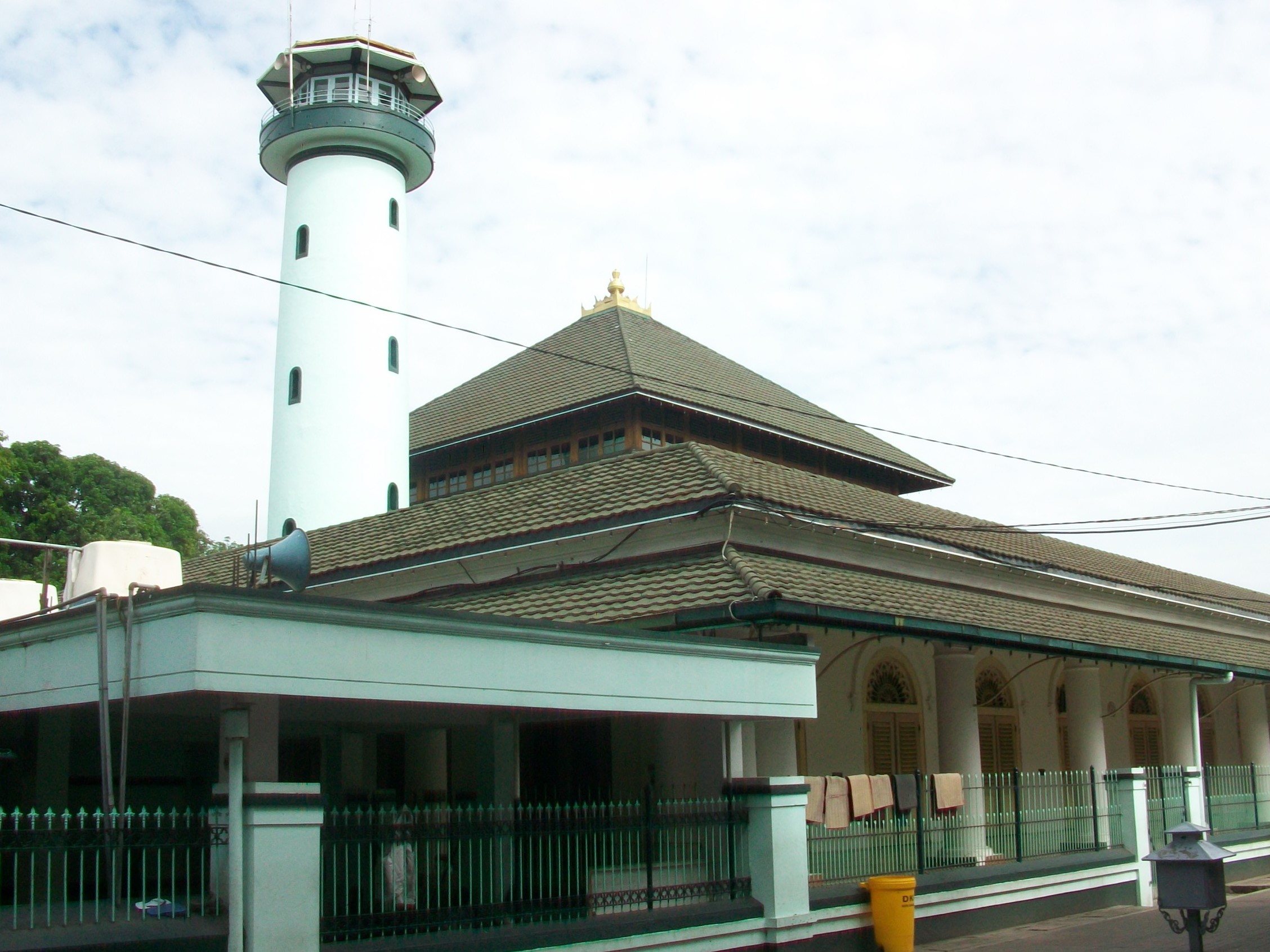
The Red Mosque of Panjunan, established in 1480 CE by Syarif Abdurrahman, is a significant archaeological site in Cirebon, West Java, Indonesia. This 15th-century mosque is notable for its distinctive fusion of Javanese architectural styles, incorporating elements from Hindu, Chinese, and Islamic cultures. The mosque's construction features red bricks and a candi bentar gate, reminiscent of Hindu temples from the Singhasari and Majapahit periods. The mosque's small size and unique architectural elements, such as the short entryway and pyramidal tajug roof, highlight its sacred nature. The mosque played a crucial role in the Islamization of the region, serving as a religious and cultural hub. It lacks a minbar and is not used for major prayers, emphasizing its function as a community space rather than a large congregational mosque. The inclusion of Chinese ceramics in its design further underscores the cultural exchanges that influenced its development.
Gallery
Explore photographs of ancient structures, artifacts, and archaeological excavations
Historical Timeline
Journey through time and discover key events in this site's history
Establishment of the Mosque
1480 CE
Archaeological Features
Unique architectural and cultural elements found at this historical site
Religious and Ritual Structures
Artistic and Decorative Features
Frequently Asked Questions
Plan Your Visit
Tours, travel arrangements, and practical information


More Sites in Indonesia
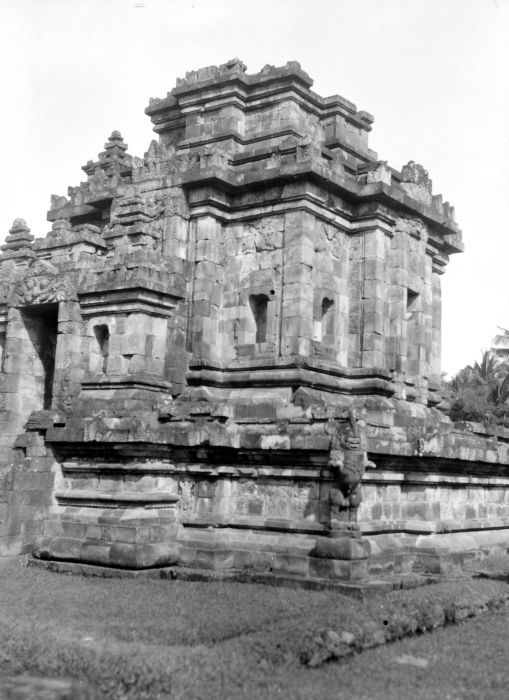
Ngawen
8th-century Buddhist temple with lion statues
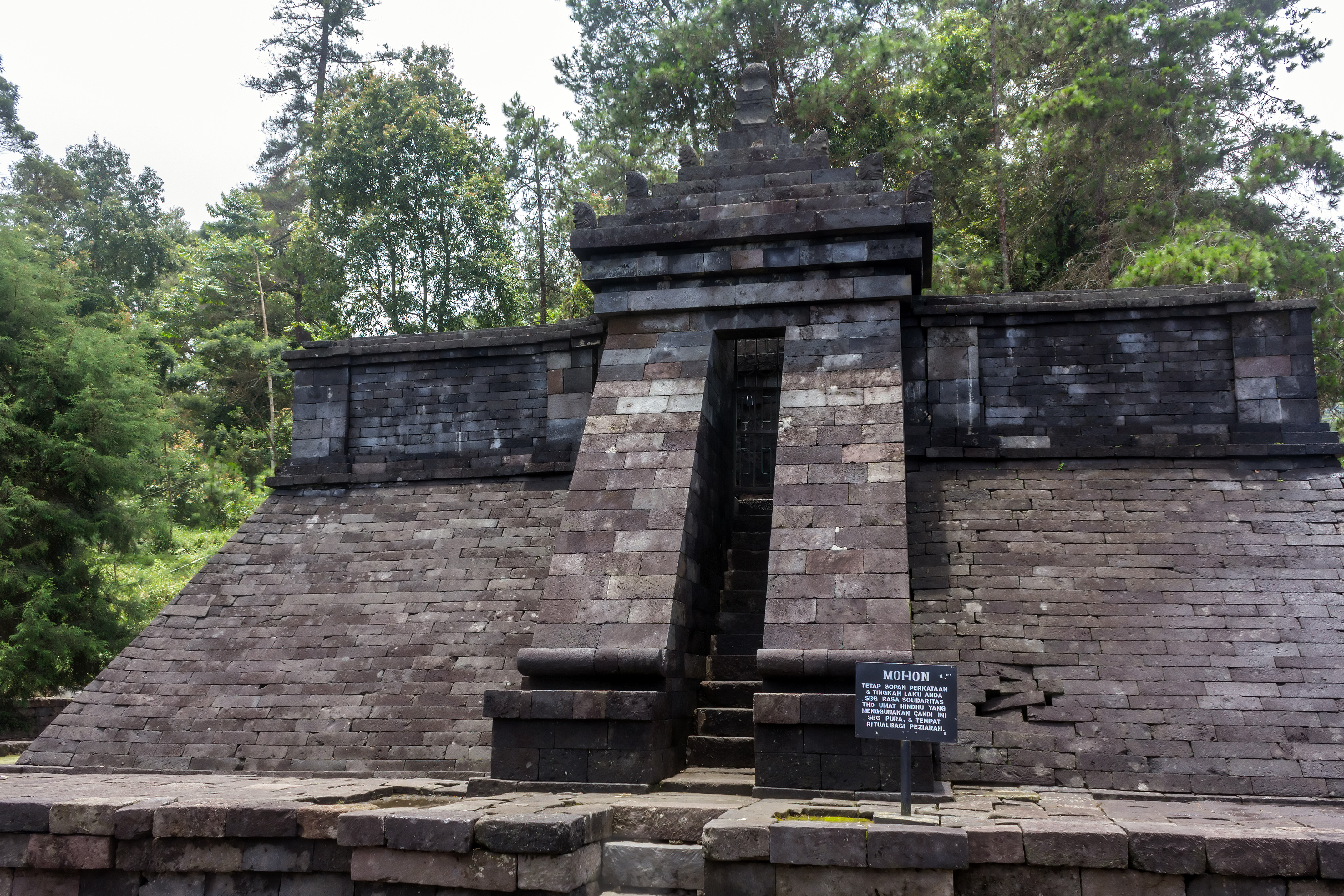
Ceto Temple
Fifteenth-century Javanese-Hindu temple on Mount Lawu.
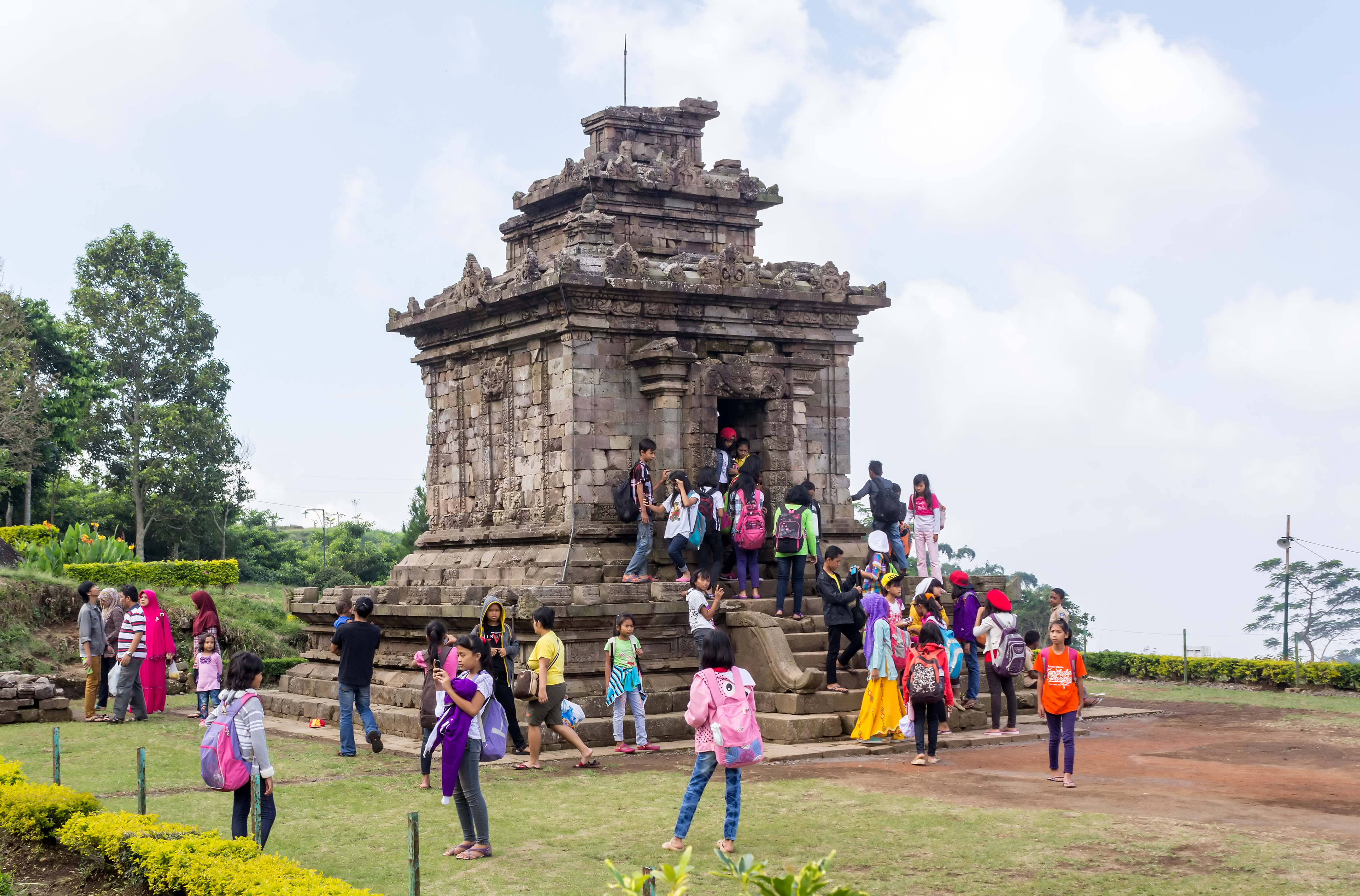
Gedong Songo
Hindu temples with Indian architectural influence.
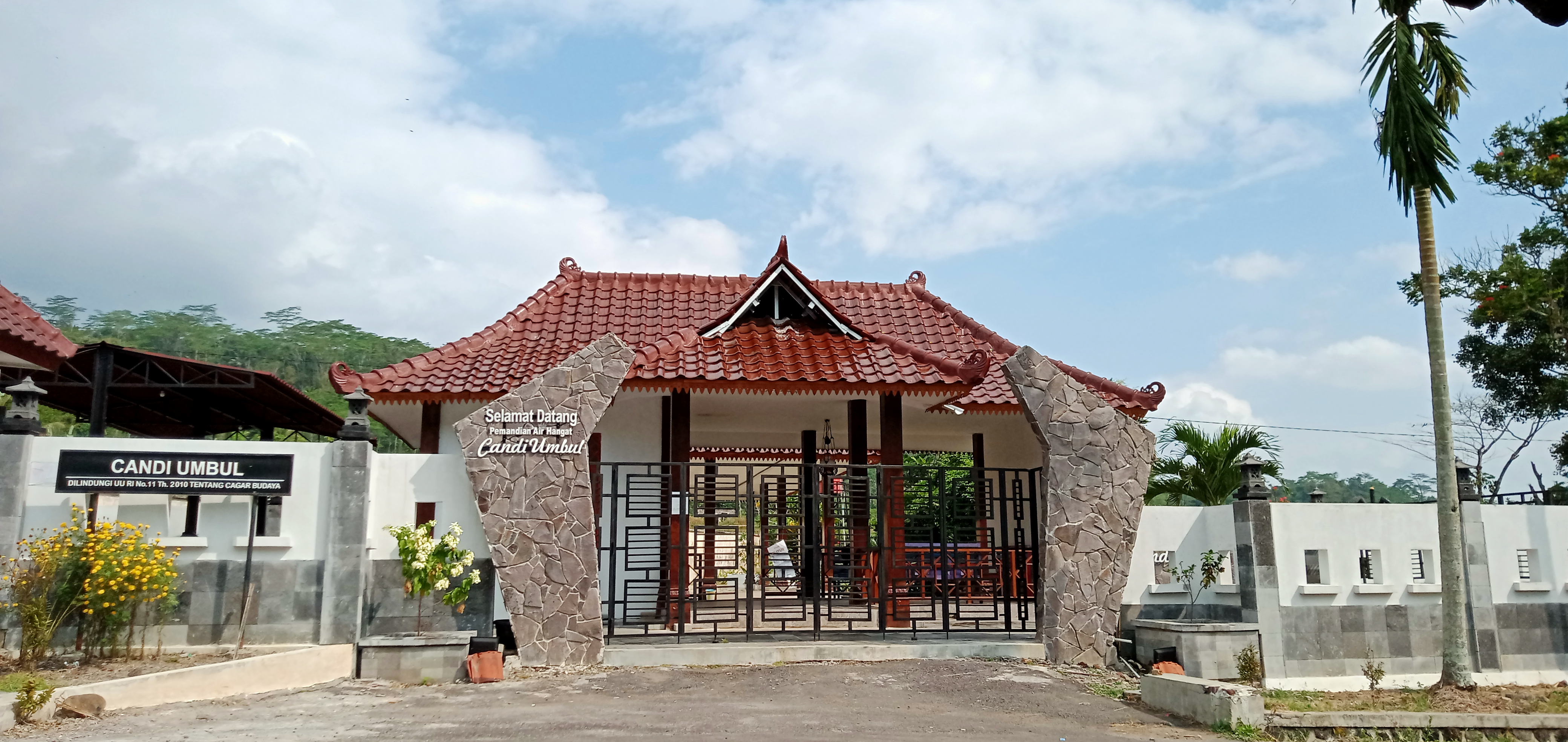
Umbul Temple
9th-century Hindu temple with bathing pools.
Bojongmenje
7th-century Hindu temple ruins in Java.
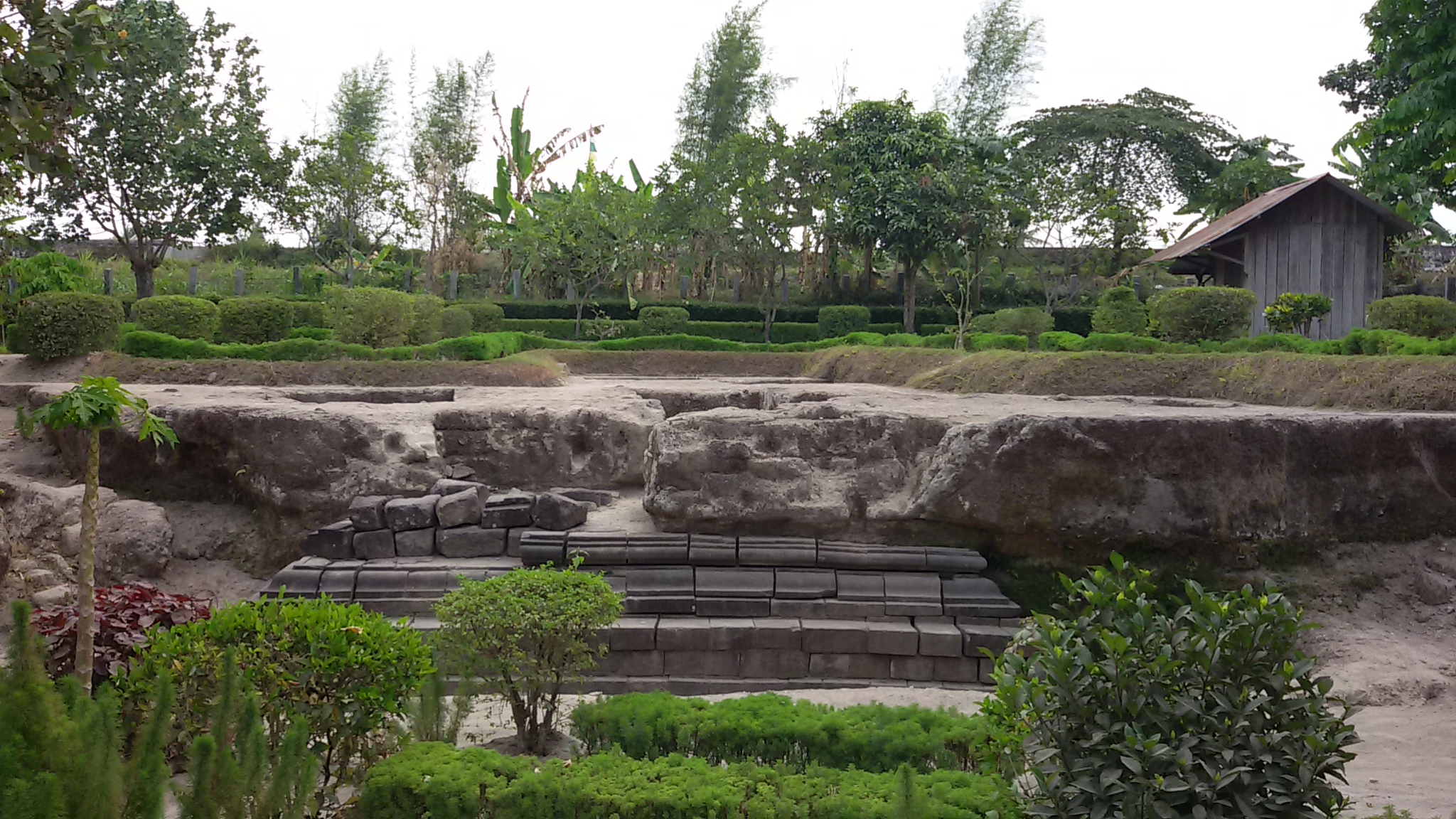
Kadisoka
Partially excavated Hindu temple in Indonesia.