Explore the Map
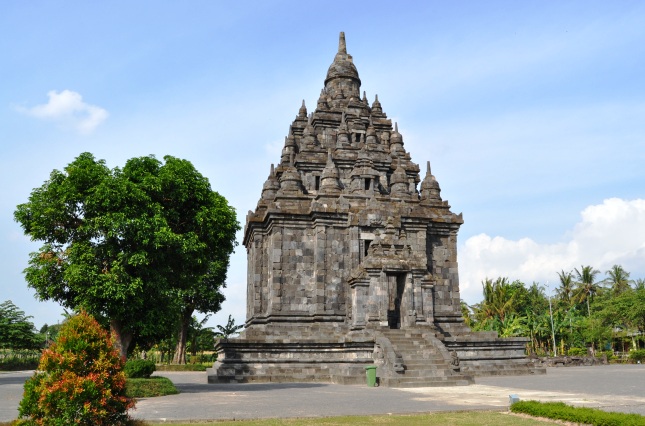
Sari temple
-7.7615° N, 110.4742° E
About
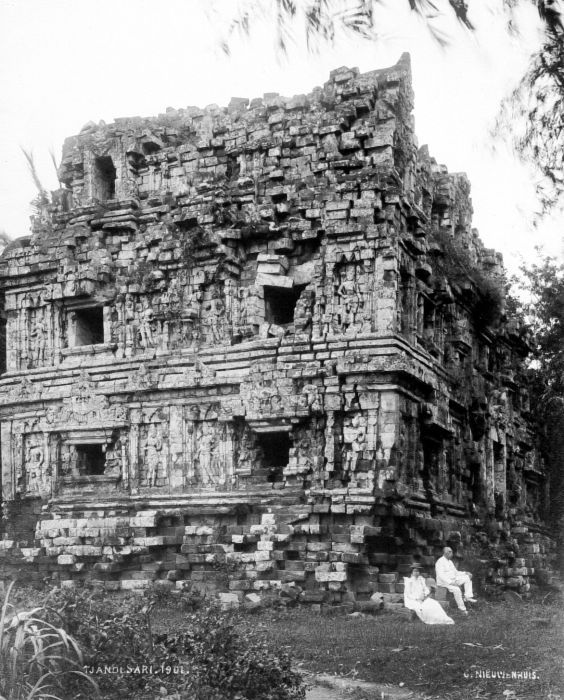
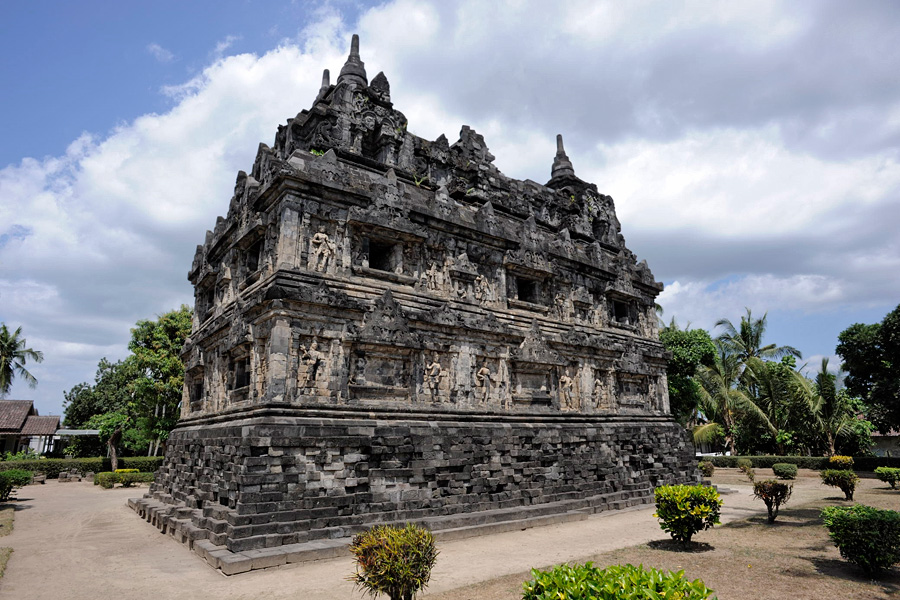
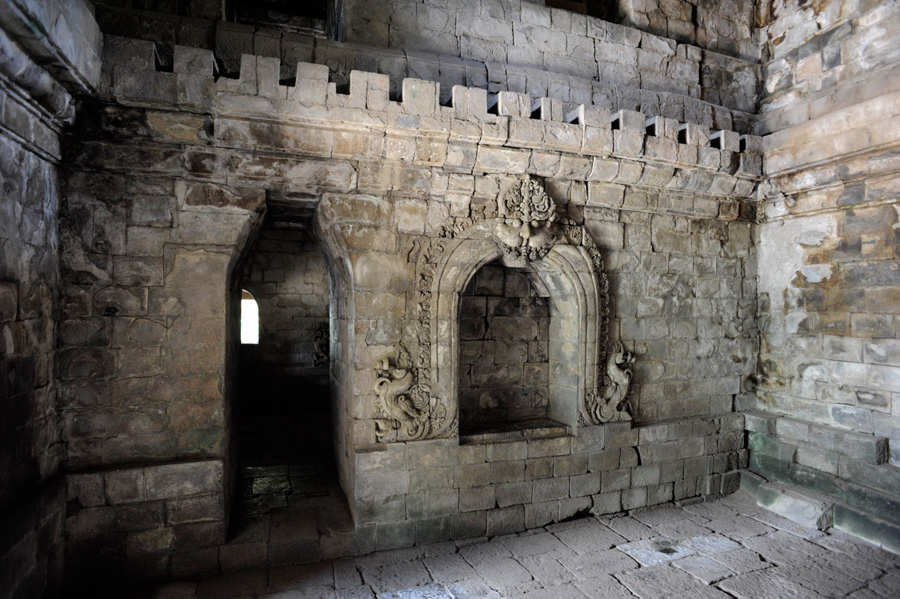
The Sari Temple, also known as Candi Bendan, is a significant 8th-century Buddhist temple located in the Special Region of Yogyakarta, Indonesia. Constructed around the same time as the nearby Kalasan Temple, it served as a vihara or monastery for Buddhist monks. The temple's architecture is notable for its two-story structure with wooden beams and floors, which have since decayed. It features a rectangular plan with intricate carvings of Buddhist deities and decorative elements such as Kala-makaras and stupas. The temple's walls once bore a protective vajralepa plaster. The Sari Temple provides valuable insights into the religious architecture and monastic life of the Sailendra dynasty, reflecting the region's historical significance as a center of Buddhism.
Gallery
Explore photographs of ancient structures, artifacts, and archaeological excavations
Historical Timeline
Journey through time and discover key events in this site's history
Construction of Sari Temple
778 CE
Archaeological Features
Unique architectural and cultural elements found at this historical site
Religious and Ritual Structures
Artistic and Decorative Features
Frequently Asked Questions
Plan Your Visit
Tours, travel arrangements, and practical information

More Sites in Indonesia
Bojongmenje
7th-century Hindu temple ruins in Java.
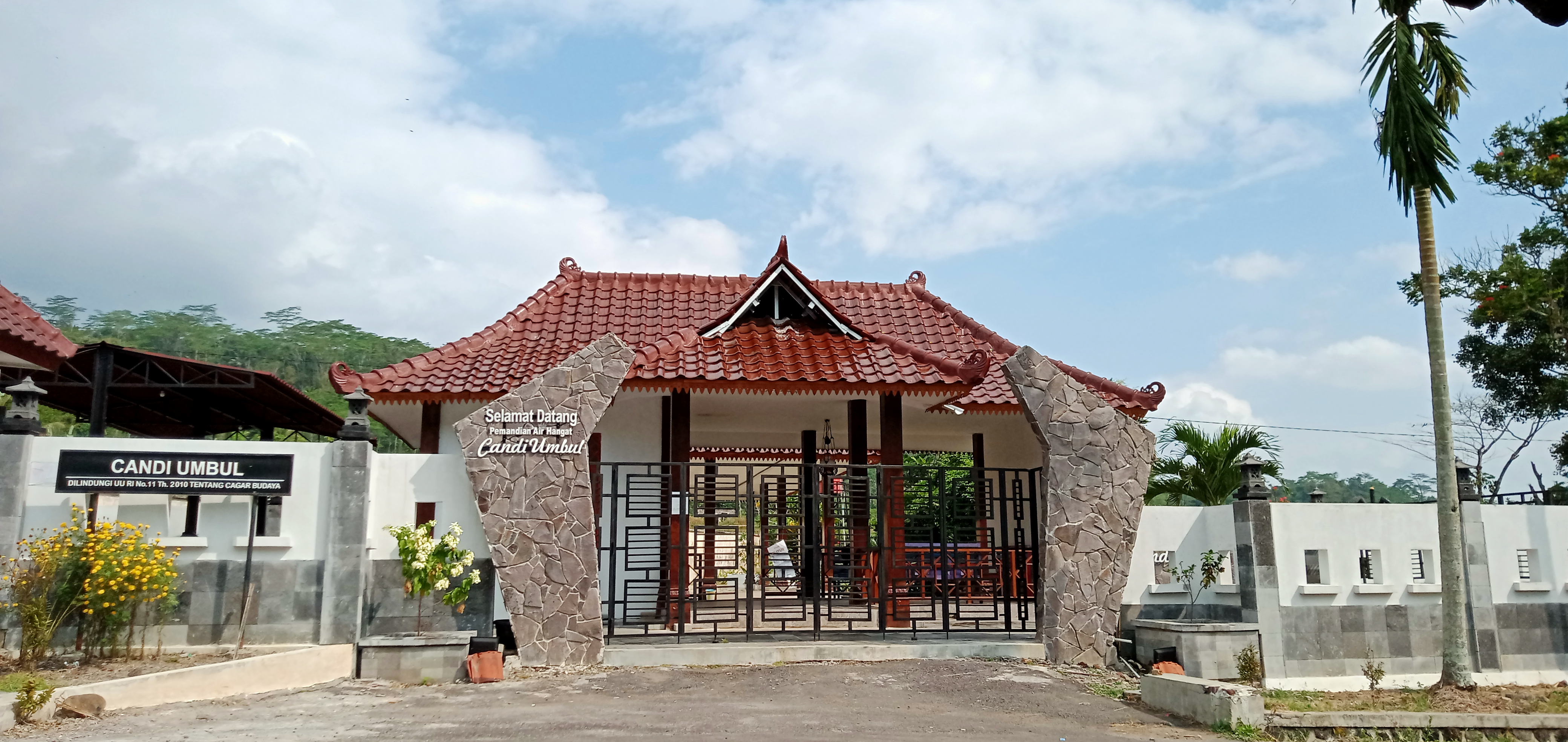
Umbul Temple
9th-century Hindu temple with bathing pools.
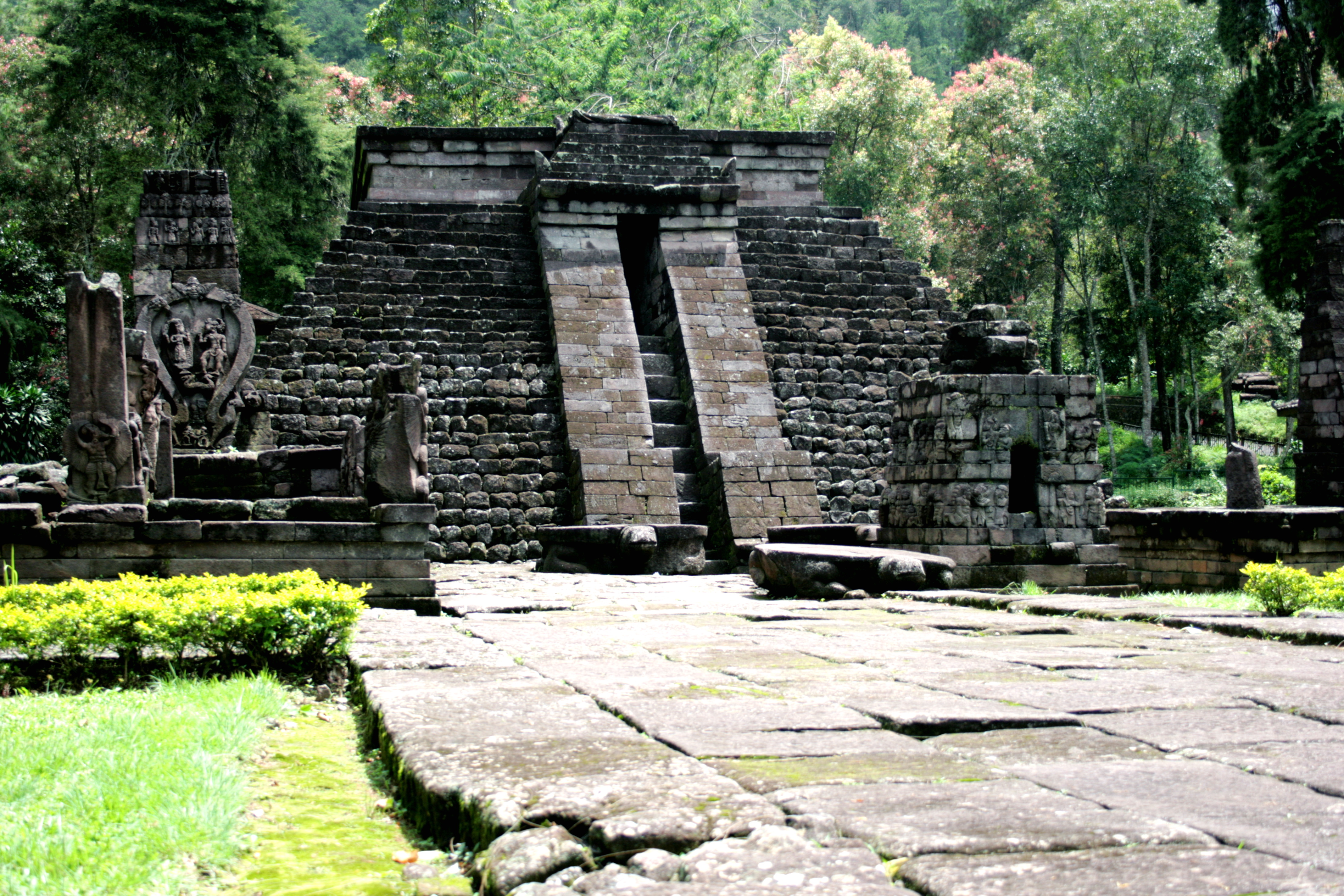
Sukuh
15th-century Javanese-Hindu pyramid temple
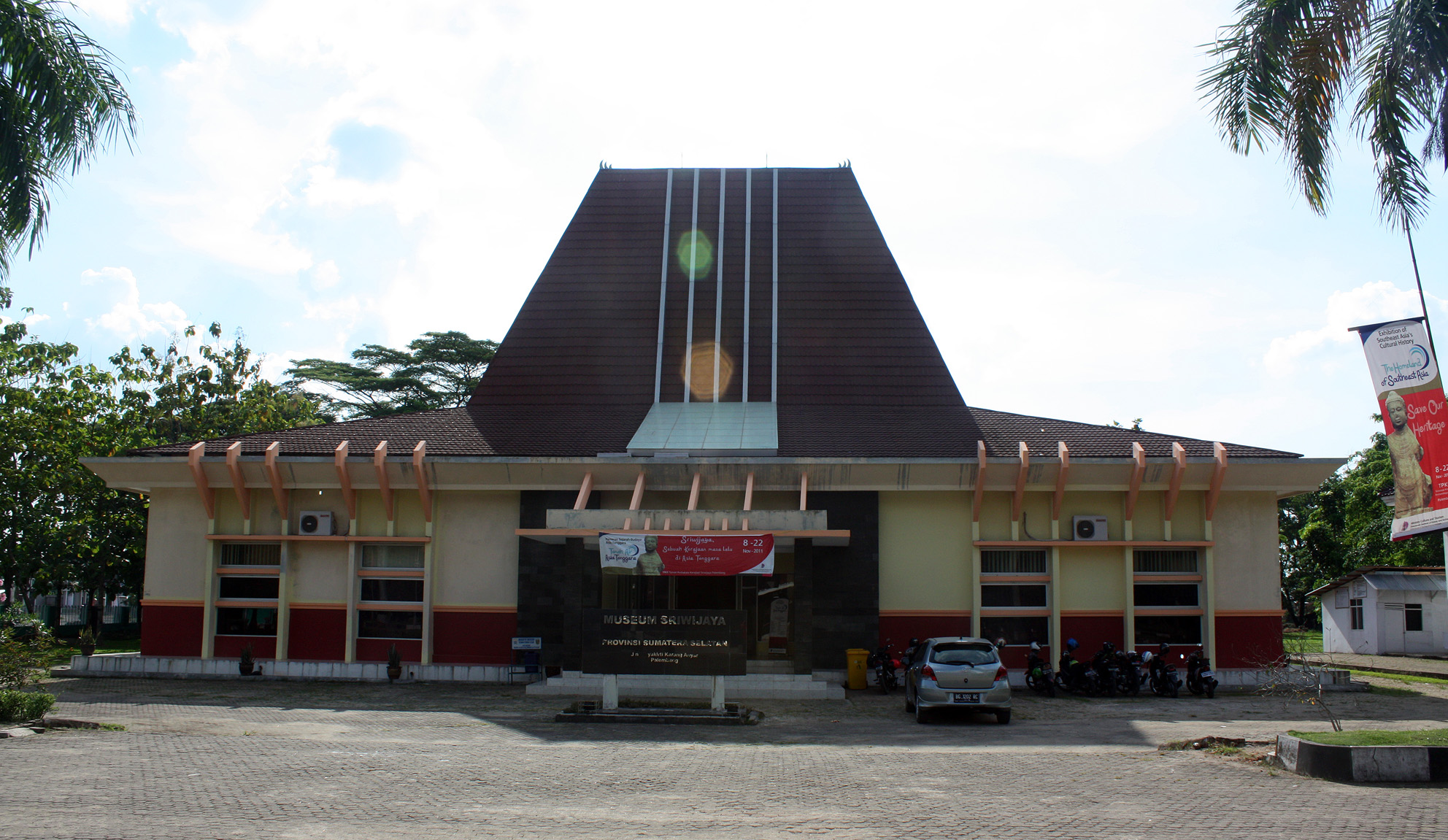
Sriwijaya Kingdom Archaeological Park
Ancient habitation with canals and ponds.
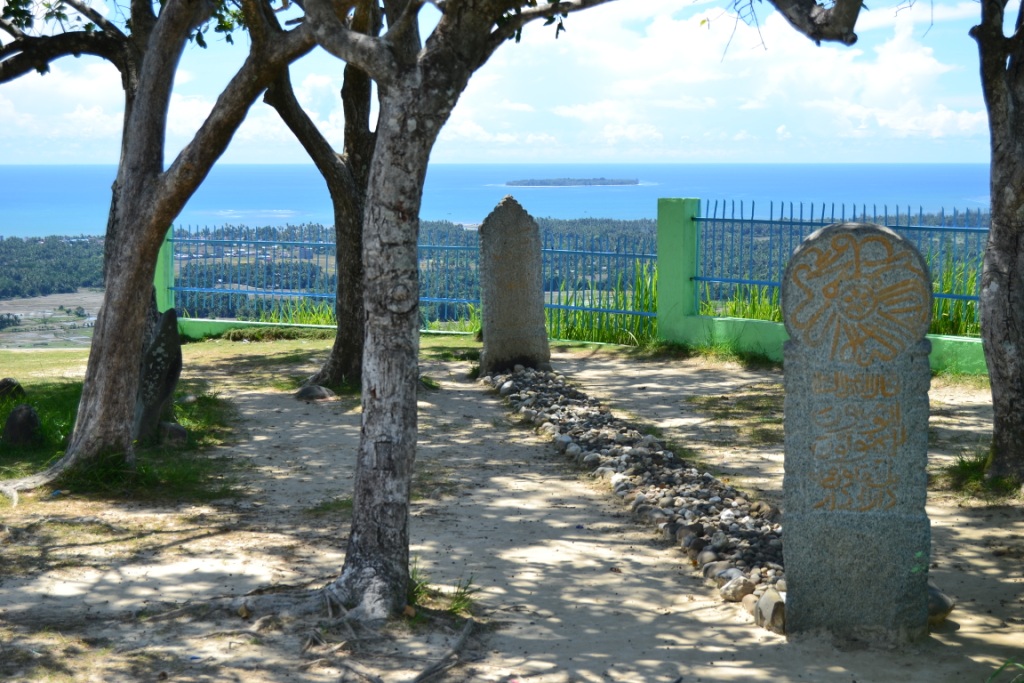
Makam Papan Tinggi
7th-8th century funerary complex on hill
Sojiwan
9th-century Mahayana Buddhist temple complex