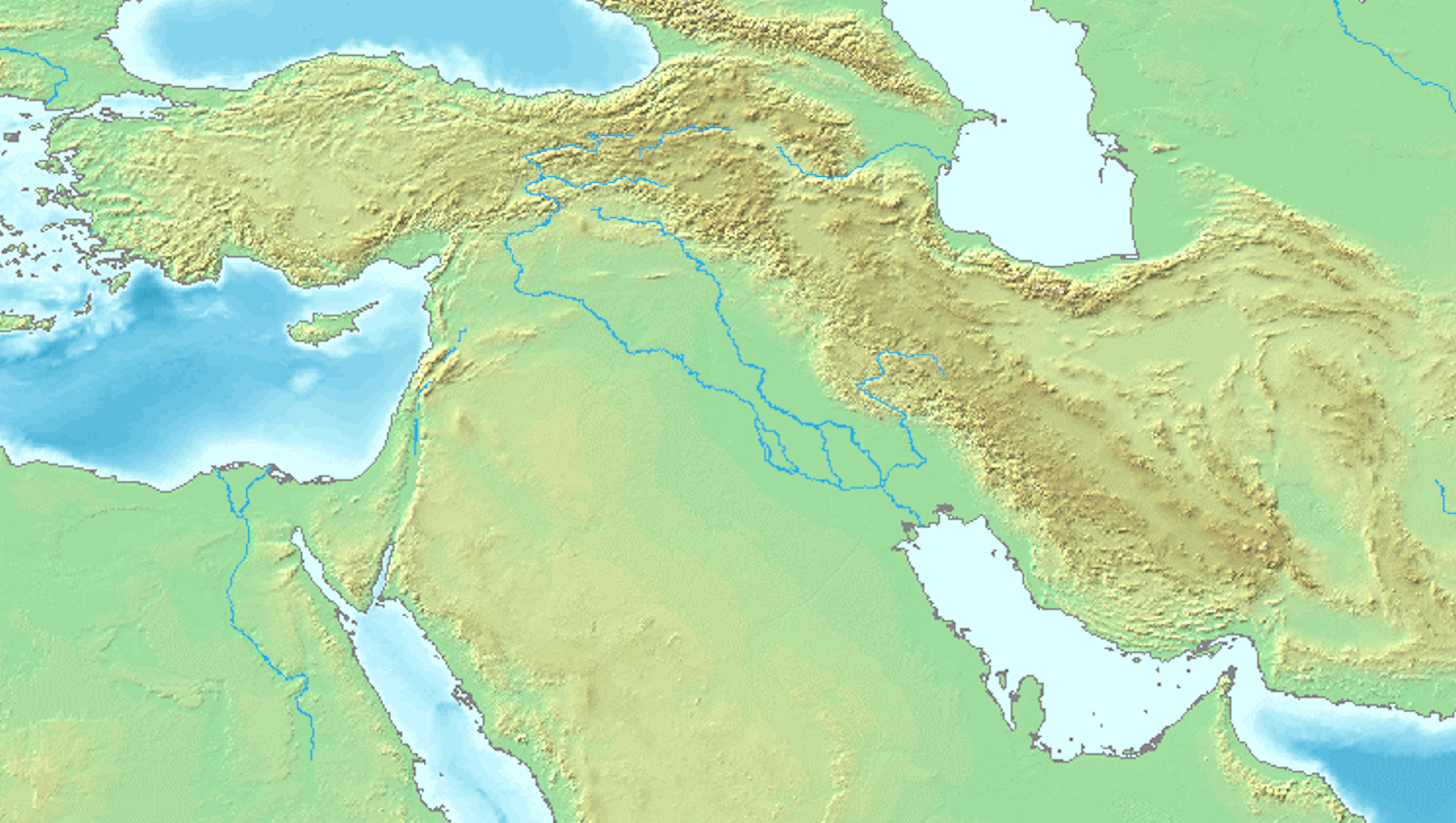
Explore the Map
Sang-i Chakmak
36.4997° N, 55.0006° E
About
Sang-i Chakmak is a notable Neolithic archaeological site located in northern Iran, characterized by its dual settlements that illustrate the transition from aceramic to ceramic phases. The site features significant domestic structures, including large mud-brick houses and rectangular rooms with carefully designed floors and hearths. Artifacts such as zoomorphic and anthropomorphic figurines, obsidian tools, and pottery shards have been found, indicating a rich cultural life. The site’s eastern settlement is associated with the Jeitun culture, showcasing multi-dimensional rectangular dwellings with kilns and pottery displaying geometric patterns. Radiocarbon dating reveals occupation phases from 7200 to 5200 BCE, with a notable hiatus between the settlements. This site provides valuable insights into early Neolithic life and cultural transitions in the region.
Gallery
Explore photographs of ancient structures, artifacts, and archaeological excavations
Historical Timeline
Journey through time and discover key events in this site's history
Western Settlement Occupation
7200 BCE
Eastern Settlement Occupation
6300 BCE
Cheshmeh-Ali Ware Appearance
5000 BCE
Anau IA Ware Appearance
4500 BCE
Archaeological Features
Unique architectural and cultural elements found at this historical site
Burial and Funerary Structures
Industrial and Craft Structures
Artistic and Decorative Features
Domestic and Habitation Structures
Food Production and Processing Features
Frequently Asked Questions
Plan Your Visit
Tours, travel arrangements, and practical information
More Sites in Iran
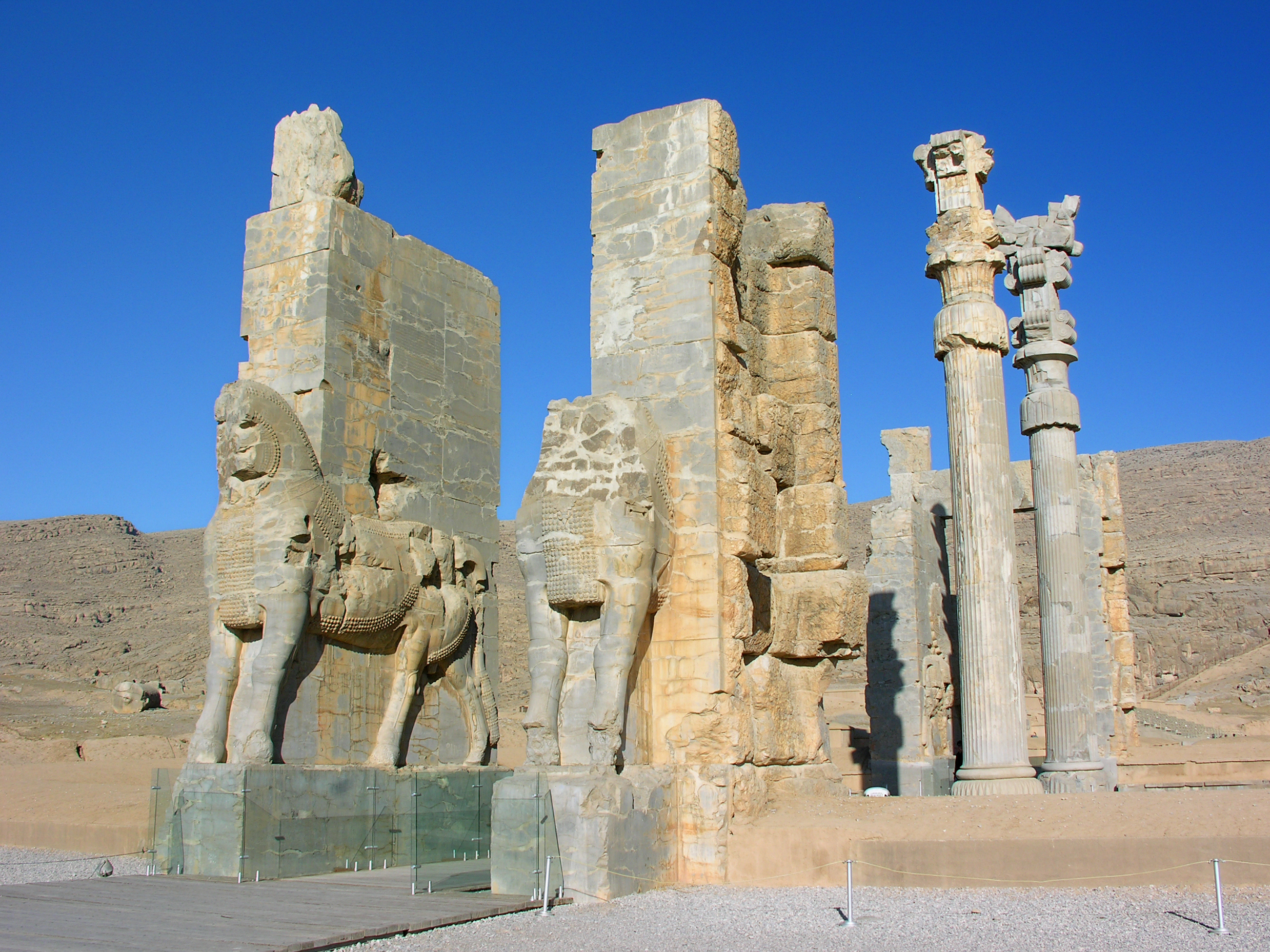
Rahmatabad Mound
Ancient Chalcolithic settlement with industrial features
Teppe Zagheh
Early urban settlement with painted buildings.
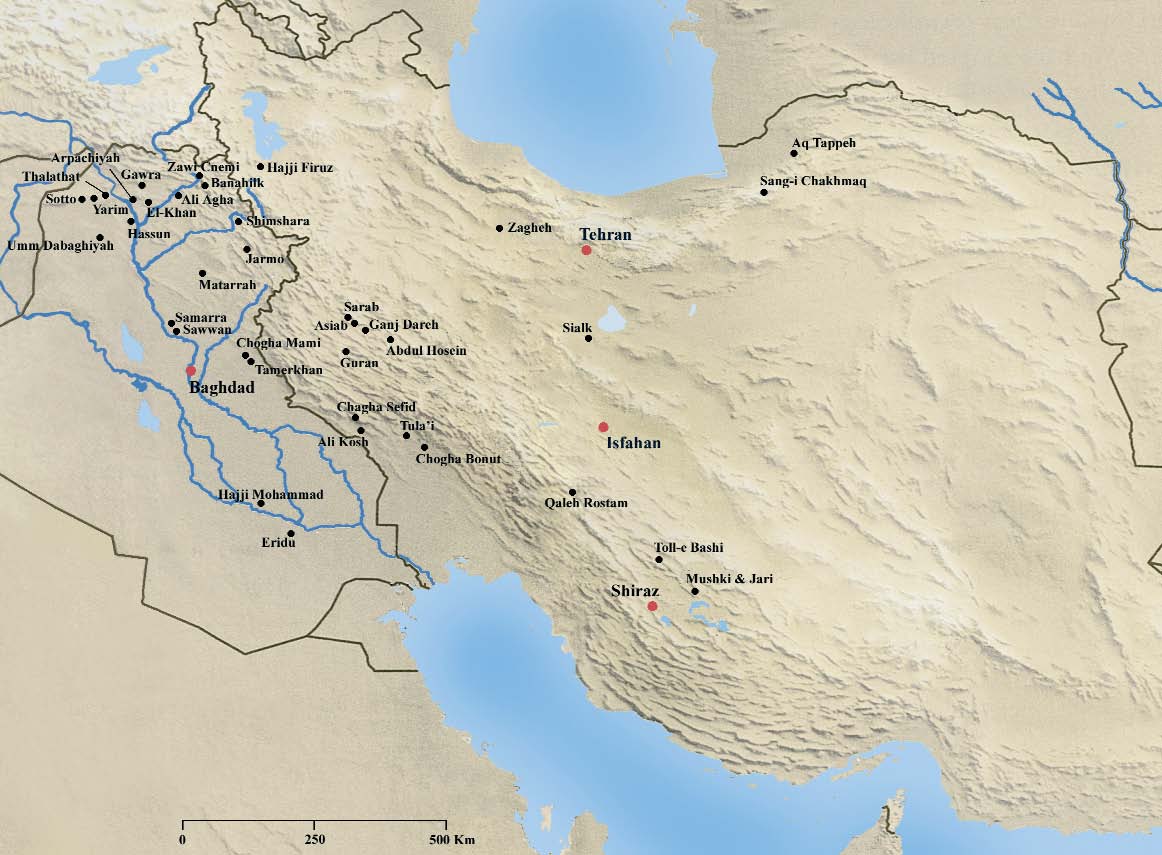
Chia Jani
Neolithic site with obsidian bladelets.
Wezmeh
Pleistocene cave site in western Iran
Chogha Golan
Aceramic Neolithic site with cultural deposits
Tepe Giyan
Necropolis with distinctive pottery in Iran.