Explore the Map
Tepe Sialk
33.9689° N, 51.4047° E
About
Tepe Sialk is a significant archaeological site in central Iran, showcasing a rich history that spans from the Neolithic period through to the Early Iron Age. The site is known for its multi-layered mounds, with the northern mound revealing some of the earliest evidence of settlement, dating back to 6000-5500 BCE. The site features rudimentary architecture and pottery, with subsequent layers indicating the advent of metallurgy and the construction of what is believed to be the oldest ziggurat in the world. Throughout its history, Tepe Sialk has demonstrated cultural connections with the Mesopotamian and Proto-Elamite civilizations. The site was reoccupied in the second millennium BCE, featuring bronze and iron artifacts, highlighting its importance as a center of metallurgical innovation.
Gallery
Explore photographs of ancient structures, artifacts, and archaeological excavations
Historical Timeline
Journey through time and discover key events in this site's history
Sialk II Metallurgy
4000 BCE
Proto-Elamite Occupation
3200 BCE
Ziggurat Construction
3000 BCE
Sialk V Reoccupation
1500 BCE
Sialk I Occupation
6000-5500 BCE
Neolithic Settlement
6000-5500 BCE
Archaeological Features
Unique architectural and cultural elements found at this historical site
Burial and Funerary Structures
Industrial and Craft Structures
Religious and Ritual Structures
Frequently Asked Questions
Plan Your Visit
Tours, travel arrangements, and practical information
More Sites in Iran
Tepe Sofalin
Ancient mound with Proto-Elamite artifacts
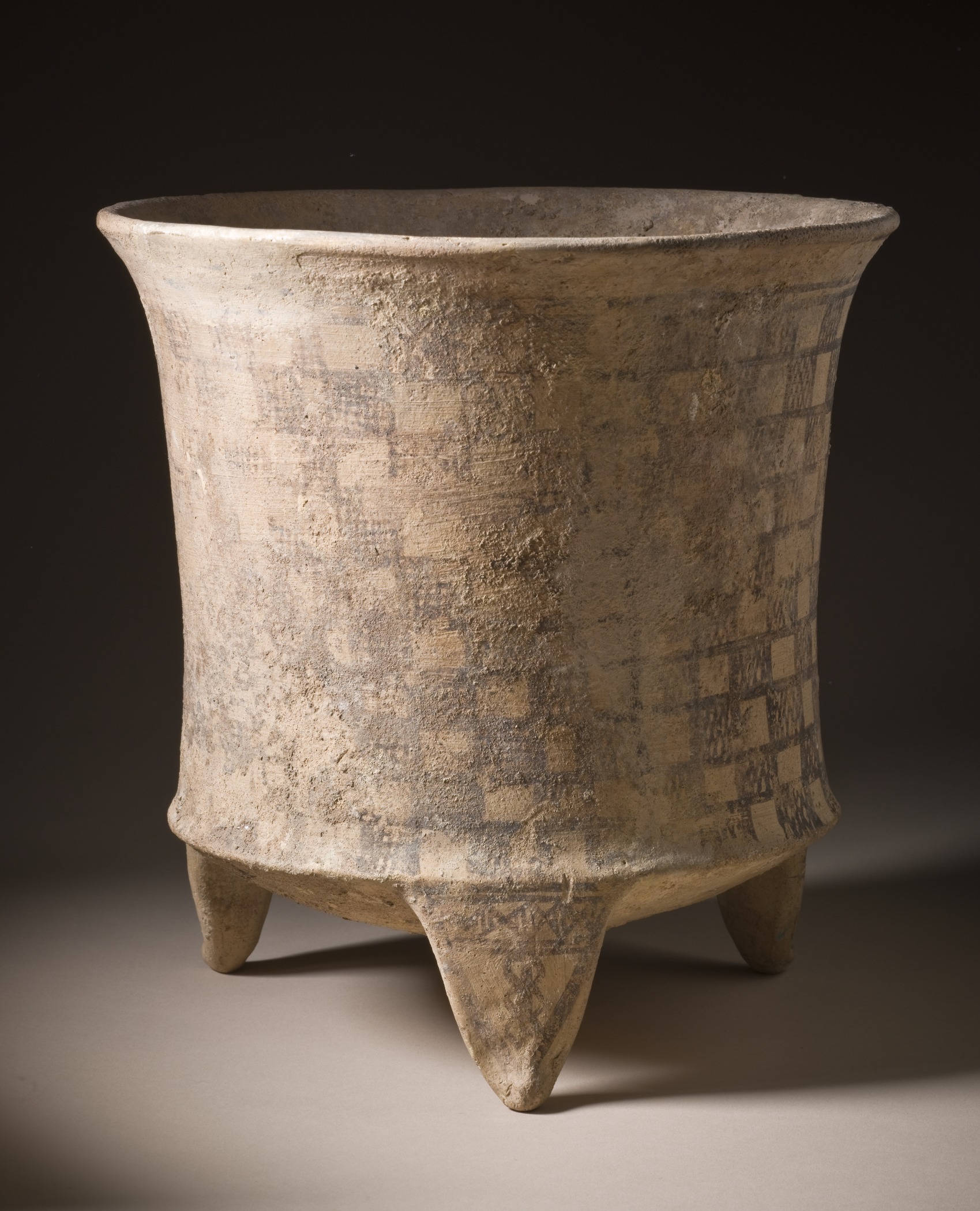
Tepe Giyan
Necropolis with distinctive pottery in Iran.
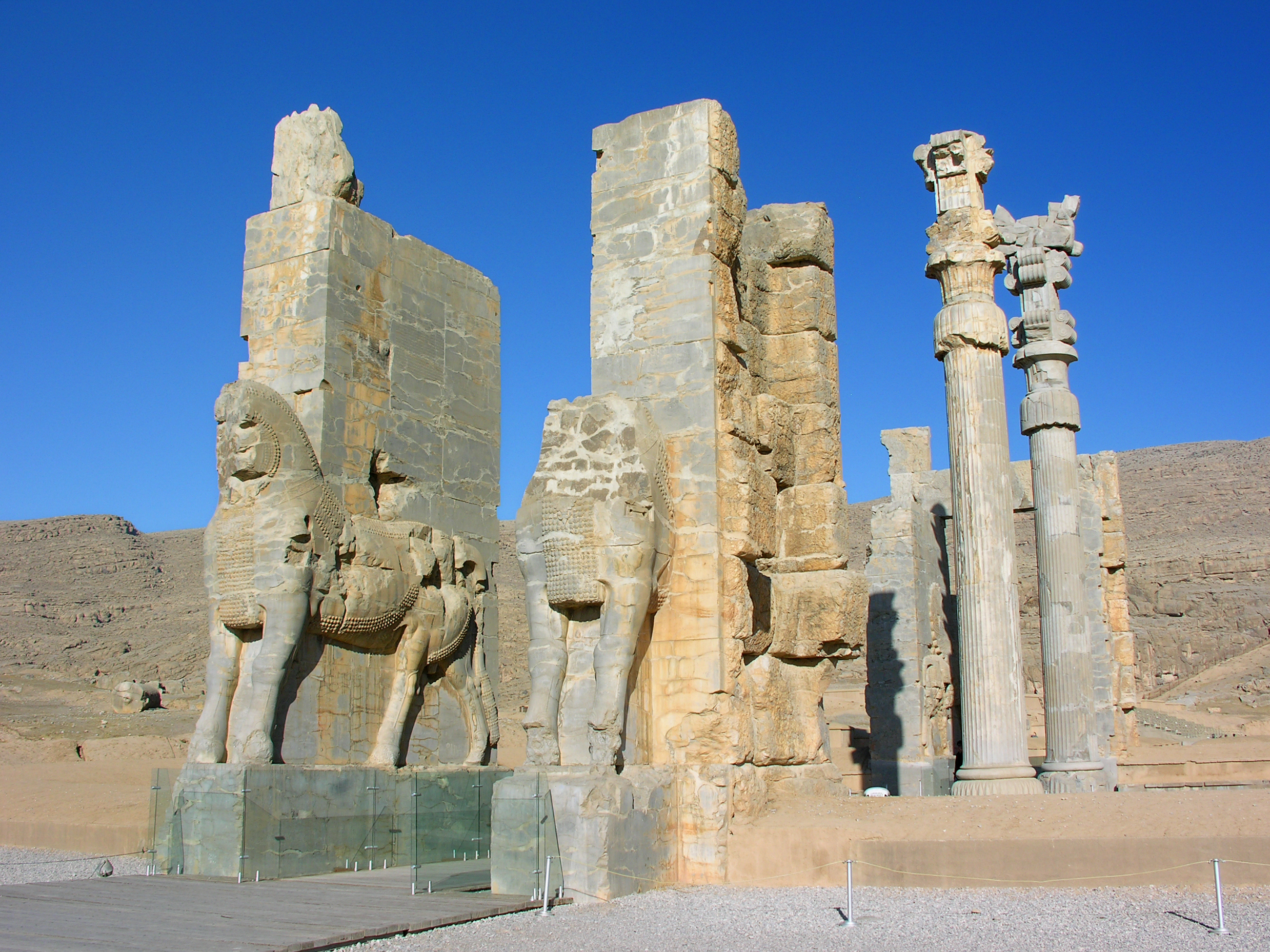
Rahmatabad Mound
Ancient Chalcolithic settlement with industrial features
Tappeh Berdankan
Sasanian site with diverse pottery artifacts.
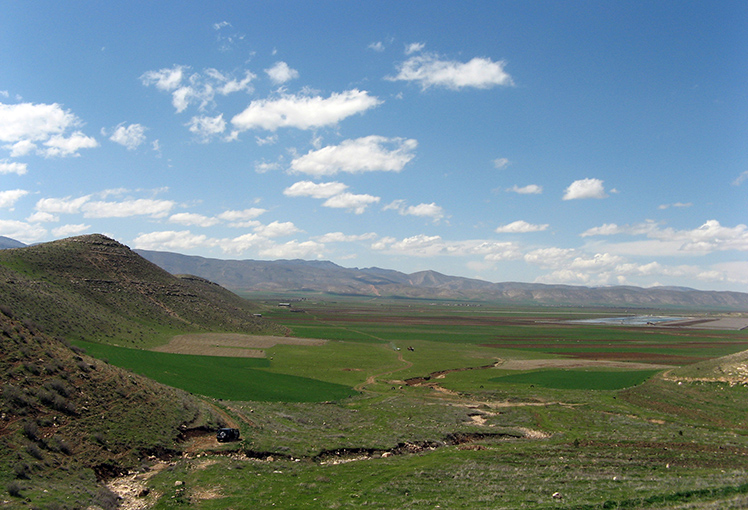
Teppe Zagheh
Early urban settlement with painted buildings.
Wezmeh
Pleistocene cave site in western Iran