Explore the Map
Tepe Giyan
34.1814° N, 48.2436° E
About
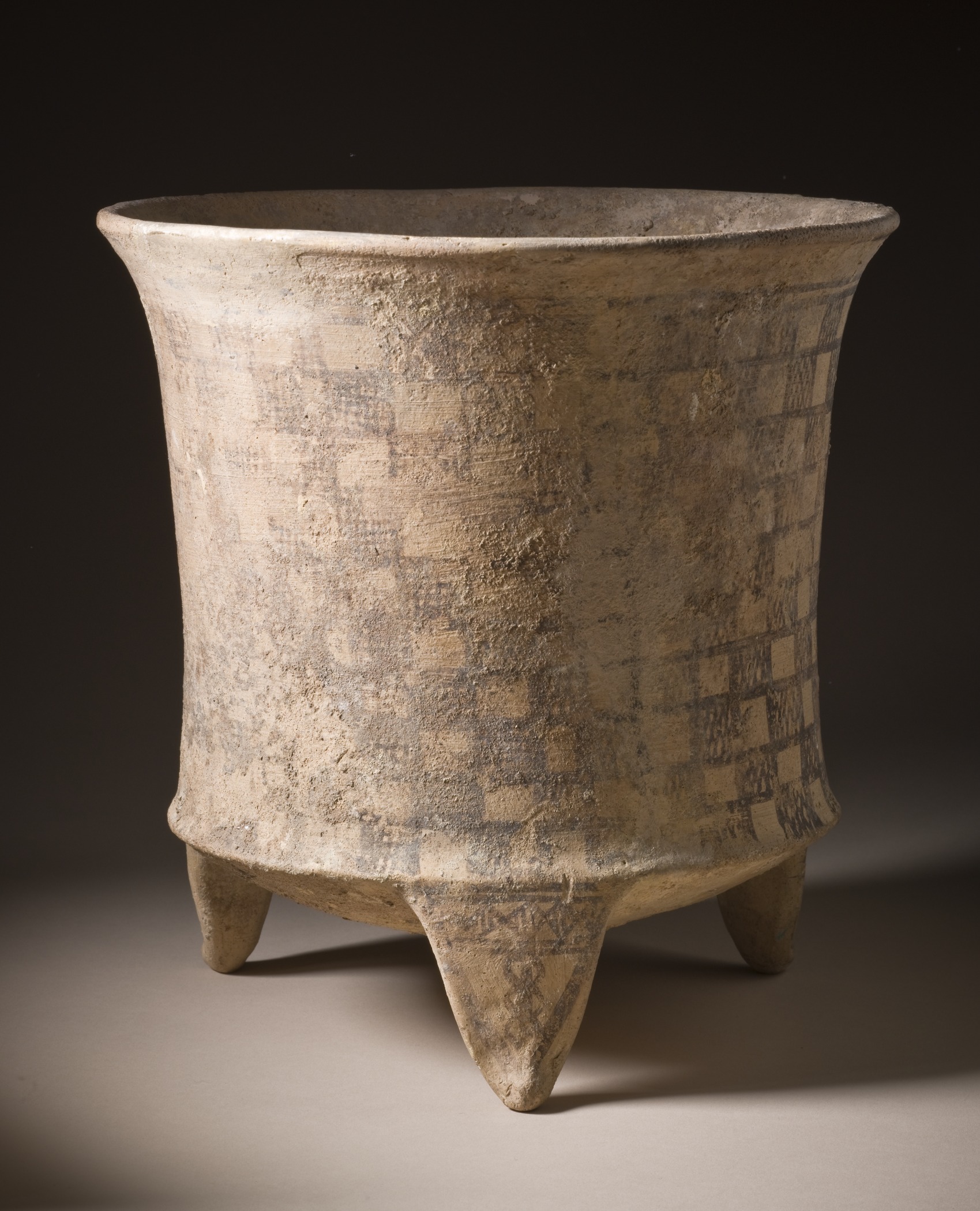
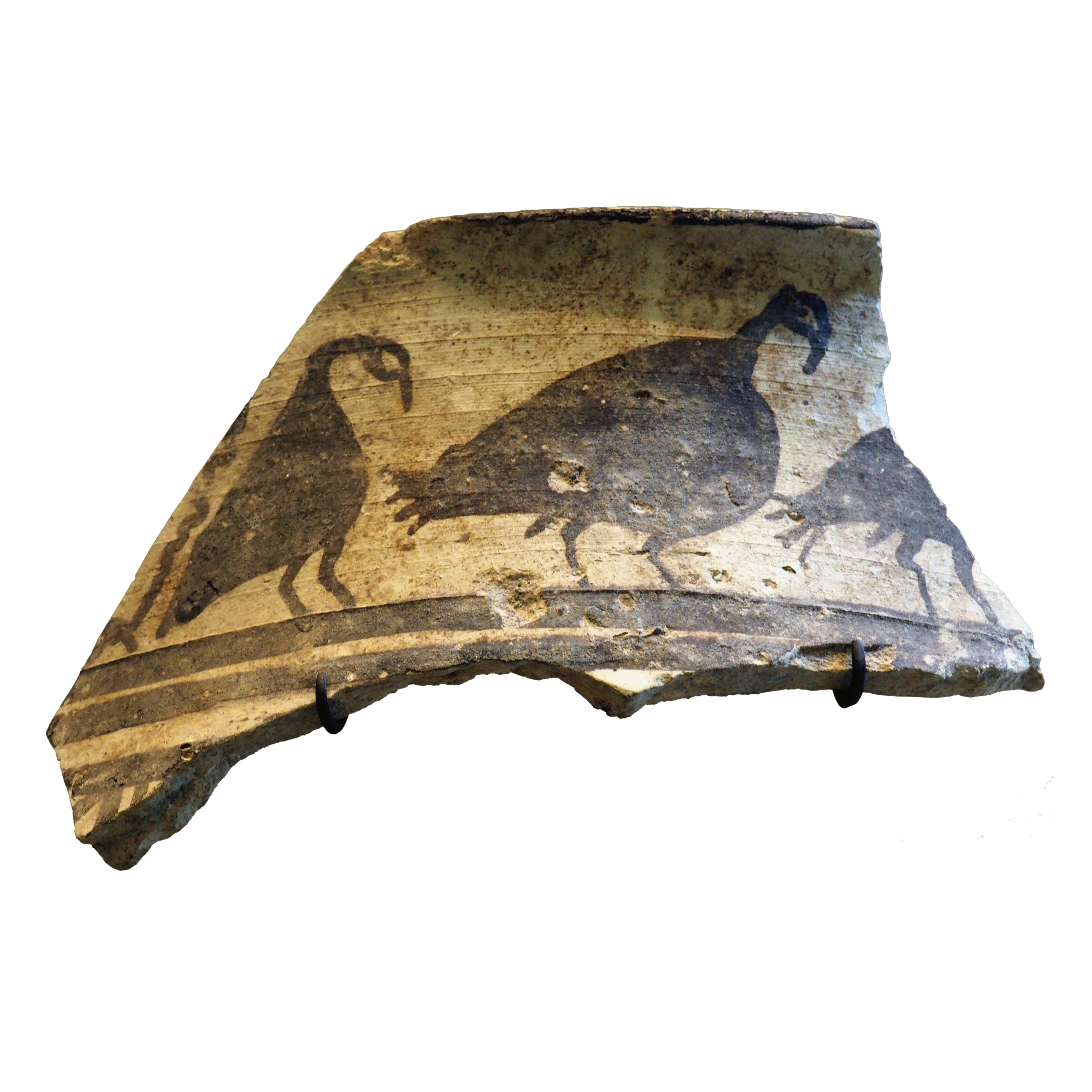
Tepe Giyan is an archaeologically significant site located in the Zagros Mountains of Iran, primarily known for its necropolis of 123 graves. The site presents a rich timeline of occupation, extending from the Neolithic to the Iron Age, with distinct phases such as Giyan V, IV, III, and I, each marked by unique ceramic styles and burial practices. The presence of ceramics displaying affinities with those from Susa and the Ubaid period in Mesopotamia suggests significant cultural interactions. A notable discovery at the site includes a Bronze Age burial of a 40-year-old man with bronze rings on his jaws, highlighting sophisticated burial customs. Tepe Giyan's artifacts, especially its ceramics, provide valuable insights into the cultural and technological developments of ancient Elamite societies.
Gallery
Explore photographs of ancient structures, artifacts, and archaeological excavations
Historical Timeline
Journey through time and discover key events in this site's history
Tepe Giyan I Phase
1400-1100 BCE
Tepe Giyan III Phase
2000-1600 BCE
Giyan IV Phase
3000-2000 BCE
Giyan V Phase
6000-3000 BCE
Archaeological Features
Unique architectural and cultural elements found at this historical site
Burial and Funerary Structures
Artistic and Decorative Features
Frequently Asked Questions
Plan Your Visit
Tours, travel arrangements, and practical information
More Sites in Iran
Tepe Sofalin
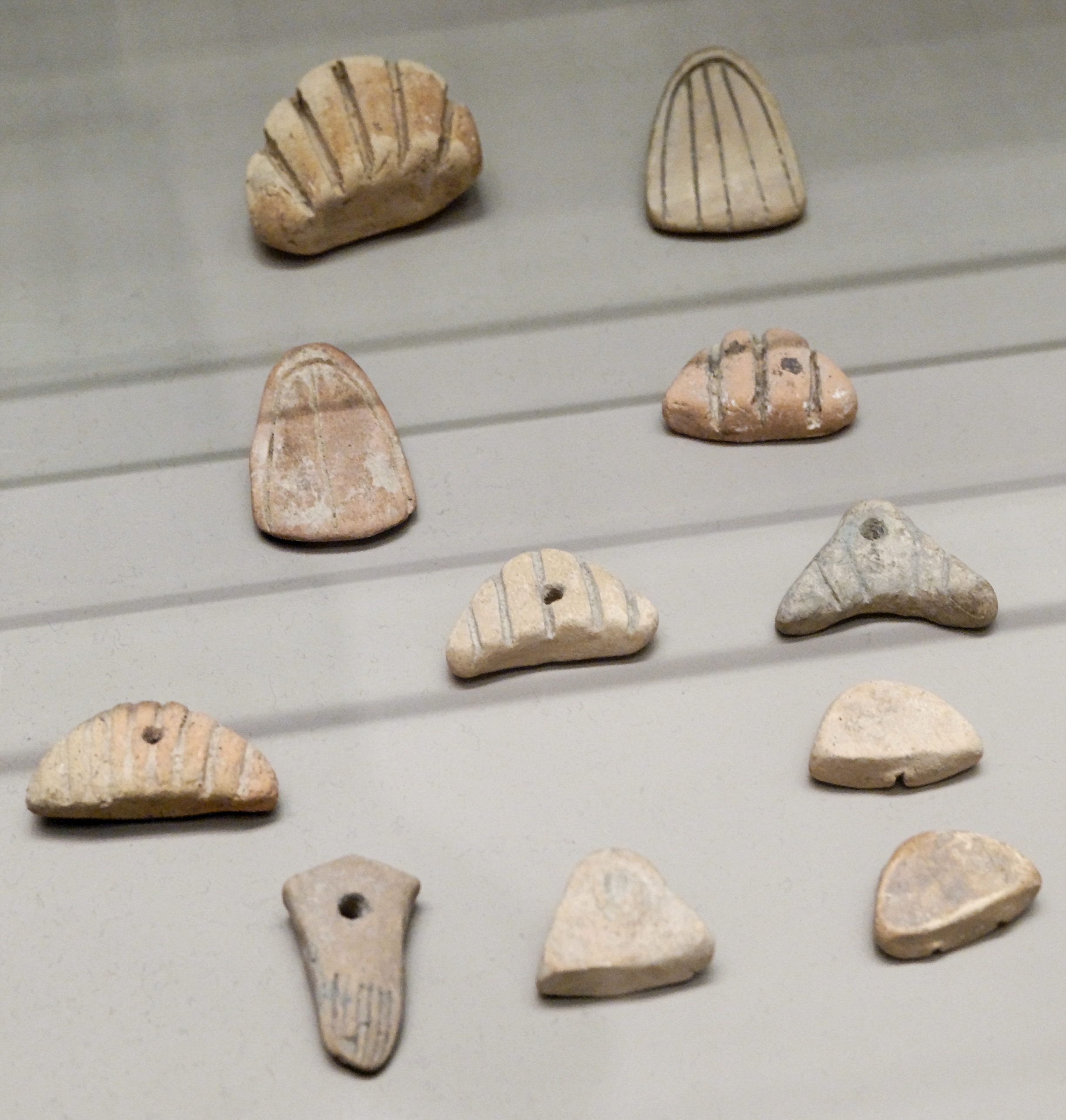
Ancient mound with Proto-Elamite artifacts
Istakhr
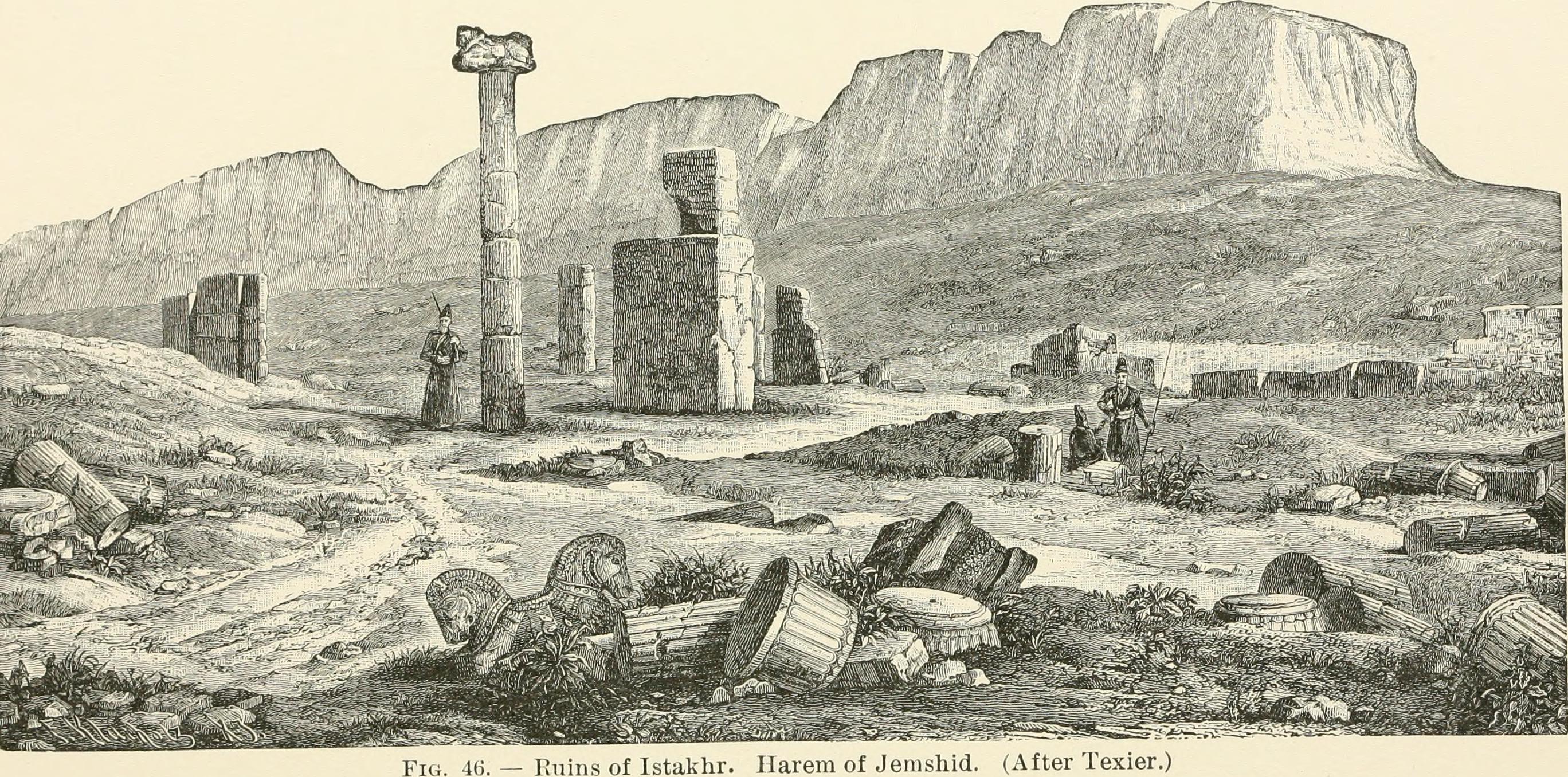
Ancient city with religious and defensive structures.
Teppe Zagheh
Early urban settlement with painted buildings.
Tepe Hissar
Prehistoric site with rich cultural artifacts
Wezmeh
Pleistocene cave site in western Iran
Chogha Bonut
Oldest lowland village in southwestern Iran.