
Explore the Map
Chogha Zanbil
32.0083° N, 48.5208° E
About
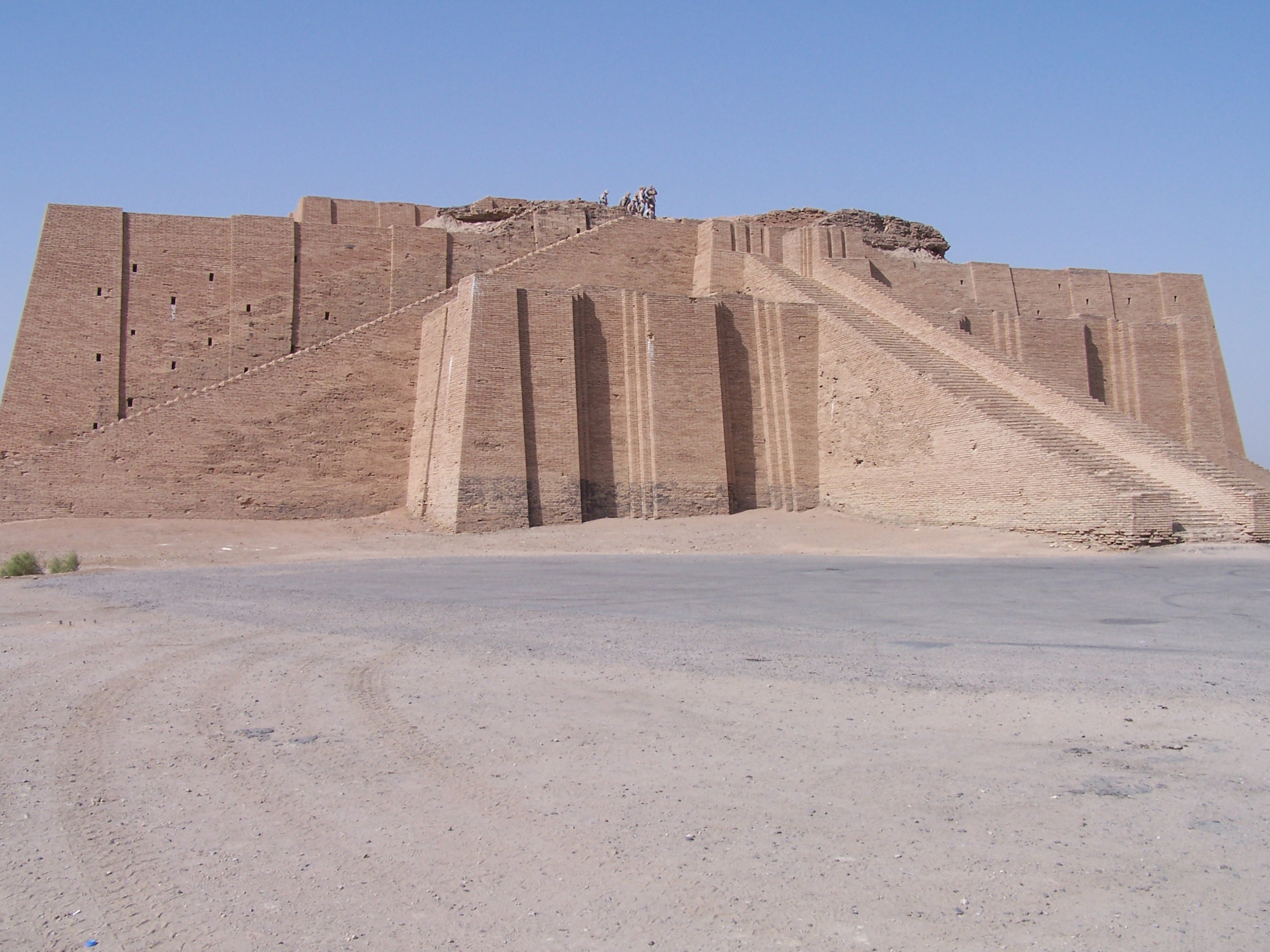
Chogha Zanbil is an ancient Elamite complex located in the Khuzestan province of Iran, renowned for its well-preserved ziggurat, one of the few examples outside of Mesopotamia. Constructed around 1250 BCE by the Elamite king Untash-Napirisha, the site features a series of defensive walls, numerous temples, and a central ziggurat dedicated to the god Inshushinak. The city is characterized by its concentric layout and the presence of numerous religious and funerary structures, including royal palaces and tombs. Despite its destruction by Assyrian king Ashurbanipal around 645 BCE, the site remains a significant archaeological and historical landmark, reflecting the cultural and religious aspirations of Elamite civilization. Chogha Zanbil was the first Iranian site to be recognized as a UNESCO World Heritage Site in 1979.
Gallery
Explore photographs of ancient structures, artifacts, and archaeological excavations
Historical Timeline
Journey through time and discover key events in this site's history
Construction by Untash-Napirisha
1250 BCE
Destruction by Ashurbanipal
645 BCE
Archaeological Features
Unique architectural and cultural elements found at this historical site
Defensive Structures
Burial and Funerary Structures
Industrial and Craft Structures
Religious and Ritual Structures
Artistic and Decorative Features
Domestic and Habitation Structures
Frequently Asked Questions
Plan Your Visit
Tours, travel arrangements, and practical information
More Sites in Iran
Tepe Sofalin
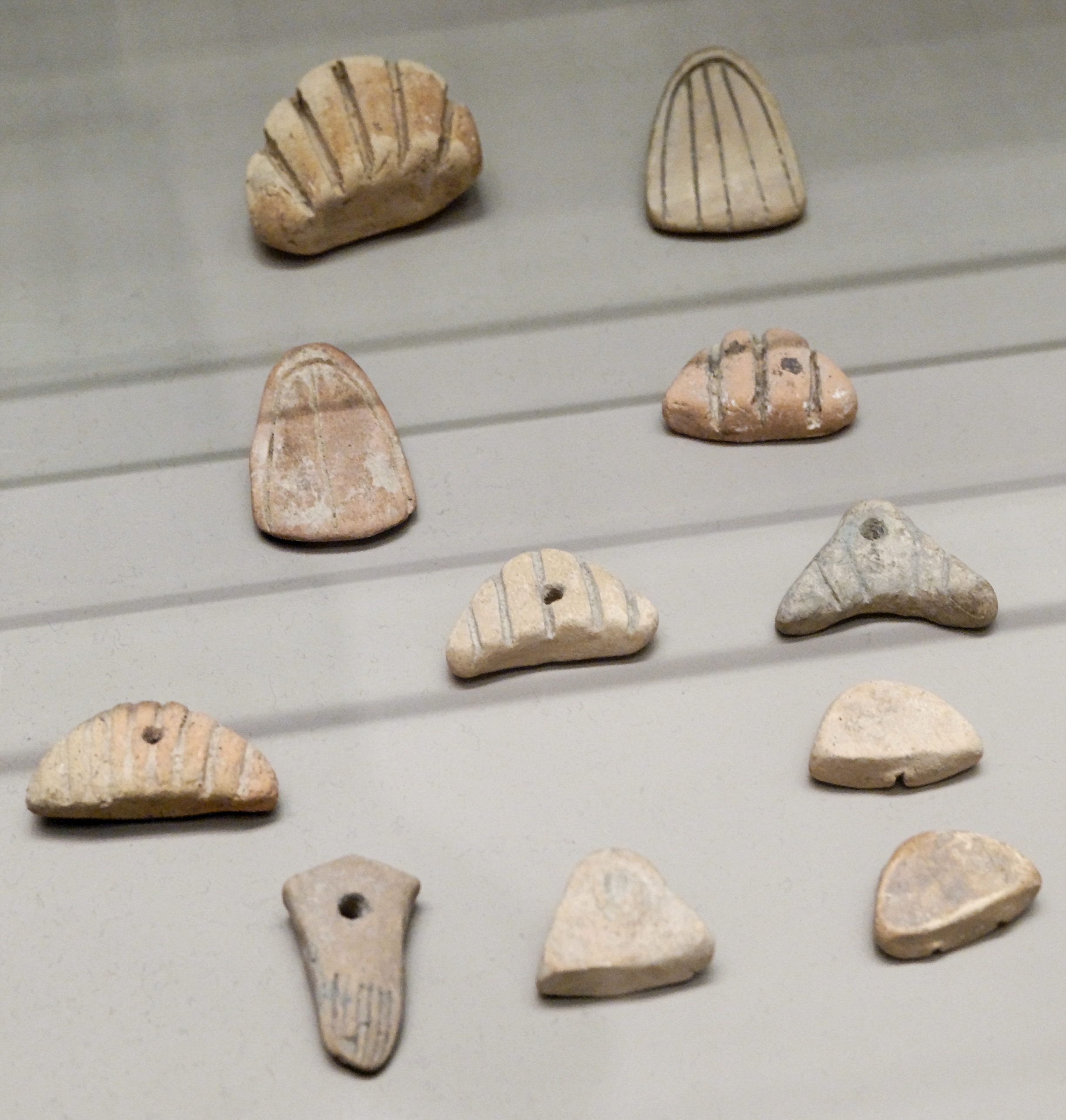
Ancient mound with Proto-Elamite artifacts
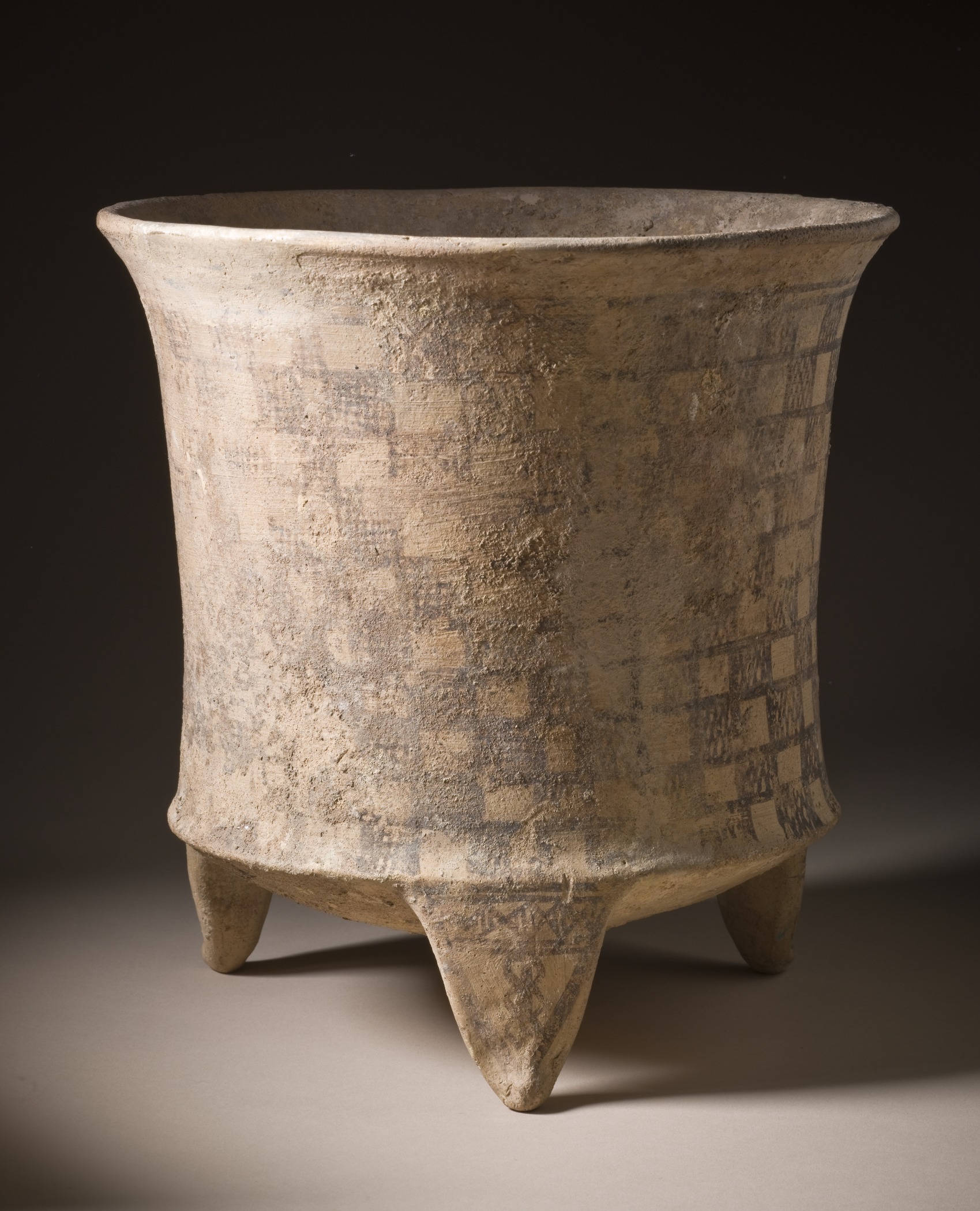
Tepe Giyan
Necropolis with distinctive pottery in Iran.
Tappeh Berdankan
Sasanian site with diverse pottery artifacts.
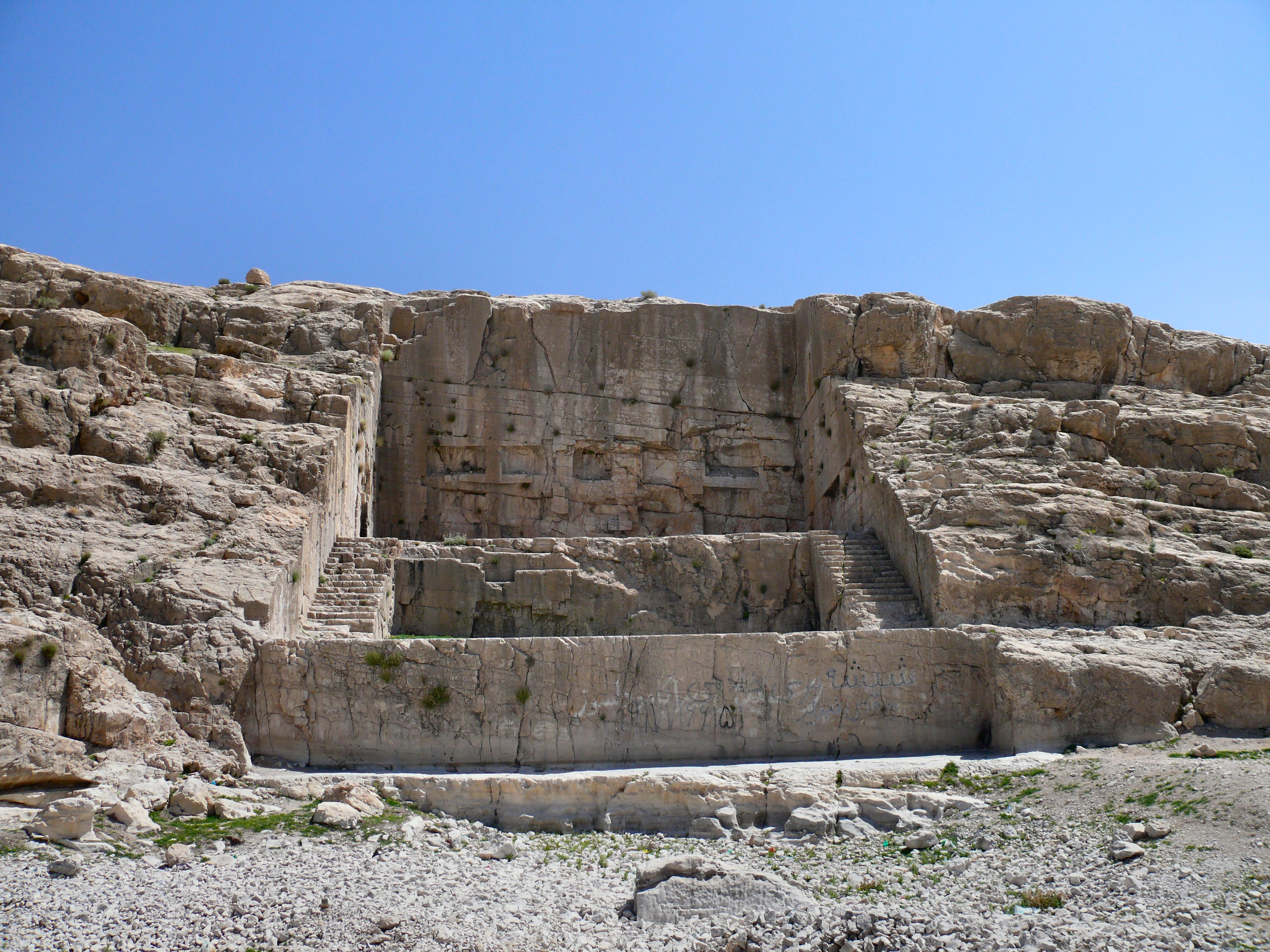
Qadamgah (ancient site)
Achaemenid rock-cut monument with terraces
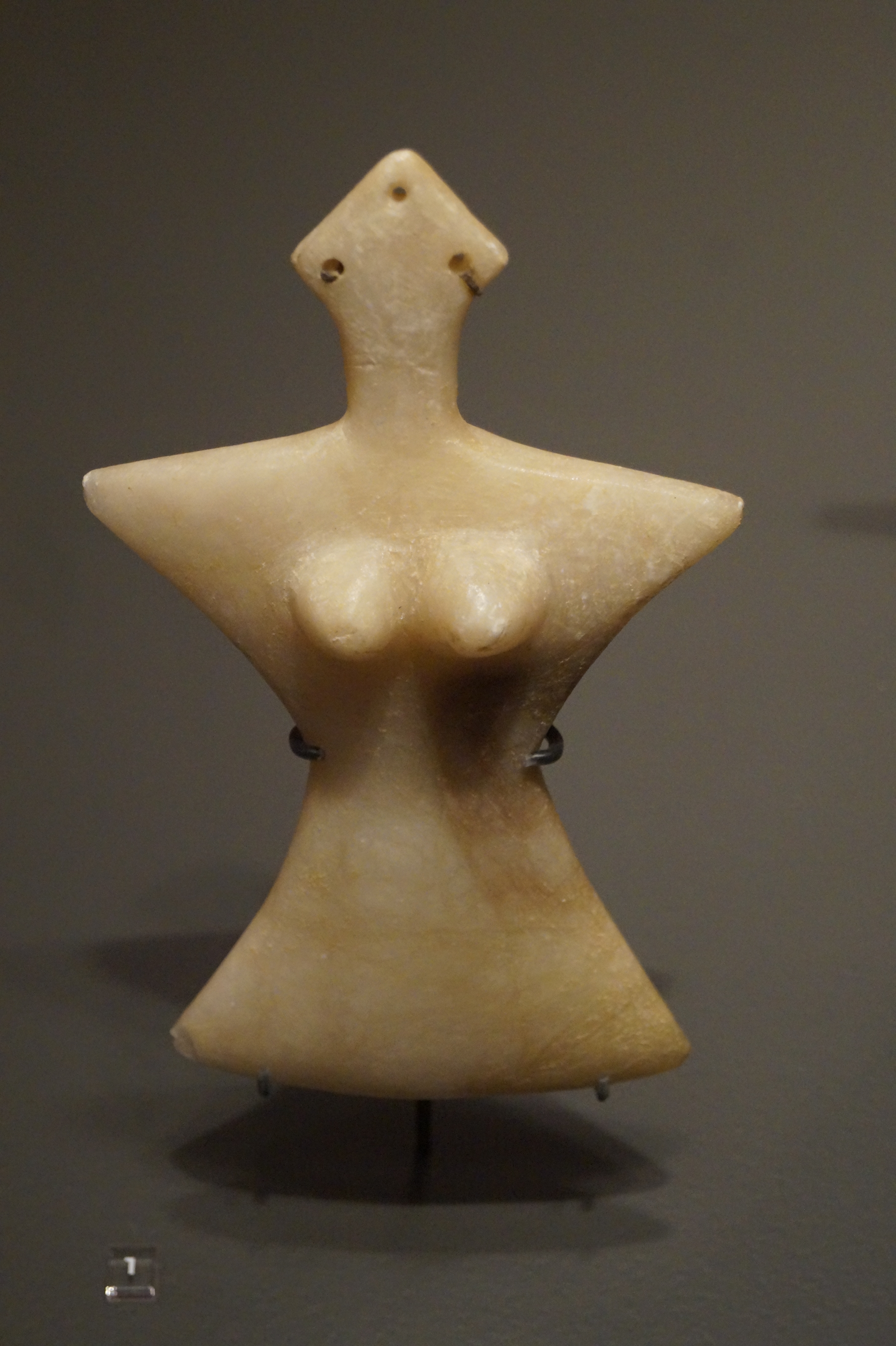
Tepe Hissar
Prehistoric site with rich cultural artifacts
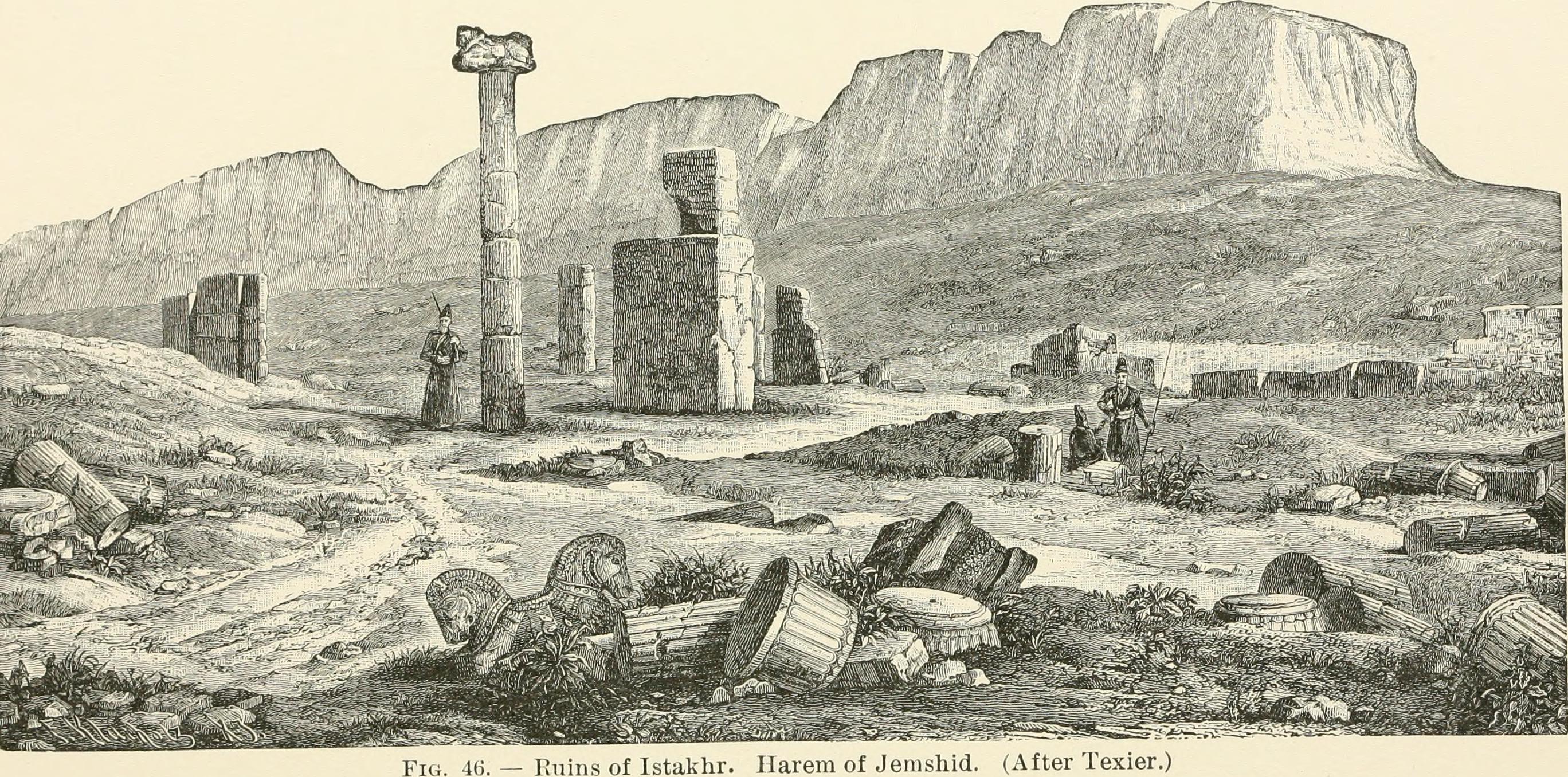
Istakhr
Ancient city with religious and defensive structures.