Explore the Map
Tepe Sofalin
35.3161° N, 51.7350° E
About
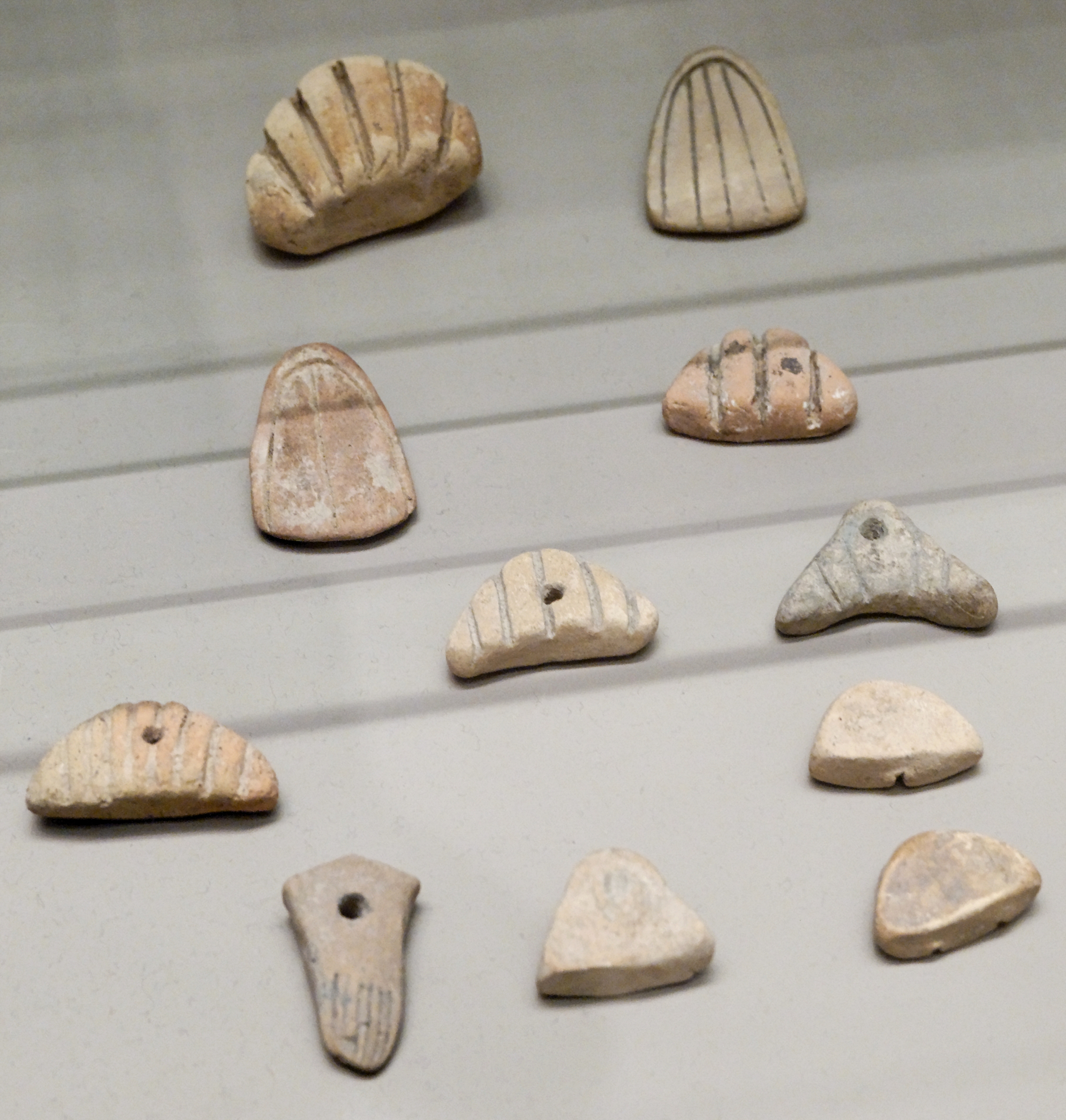
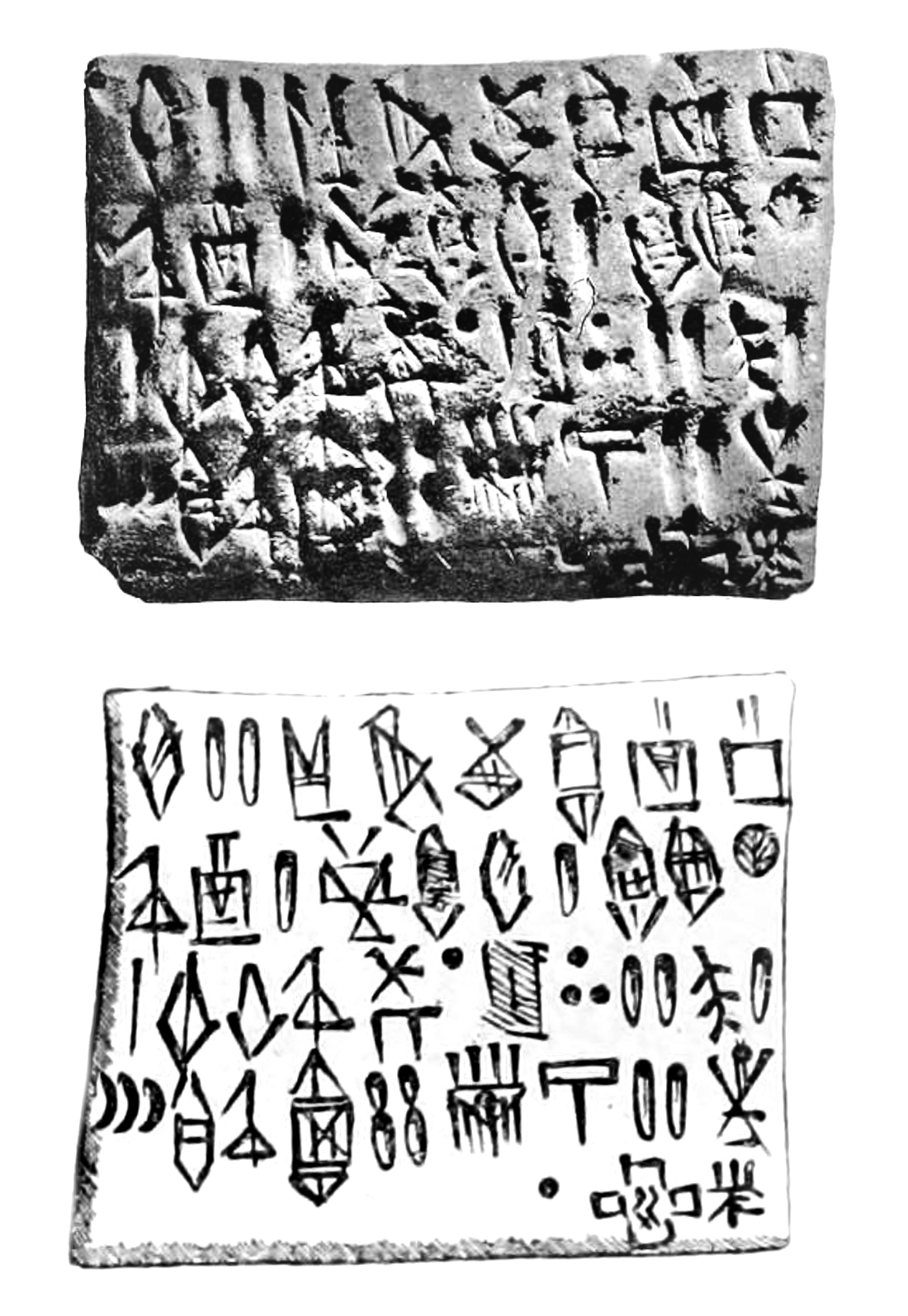
Tepe Sofalin, located on the Tehran Plain in Iran, is an important archaeological site that showcases a rich timeline of human occupation. Spanning from the Late Chalcolithic to the Early Bronze Age, and later during the Iron Age III, the site provides significant insights into the ancient Near Eastern civilizations. The site is notable for its Proto-Elamite artifacts, including inscribed clay tokens, tablets, and clay sealings. The discovery of furnaces and jar burials suggest advanced craftsmanship and burial practices, while the presence of trenches indicates some form of defensive structure. The site's artifacts, particularly the Proto-Elamite tablets, contribute to the understanding of early writing systems and economic practices in ancient Iran.
Gallery
Explore photographs of ancient structures, artifacts, and archaeological excavations
Historical Timeline
Journey through time and discover key events in this site's history
Late Chalcolithic occupation
Late 4th millennium BCE
Early Bronze Age occupation
Early 3rd millennium BCE
Proto-Elamite artifacts
2900 BCE
Iron Age III occupation
Iron Age III
Archaeological Features
Unique architectural and cultural elements found at this historical site
Defensive Structures
Miscellaneous Features
Burial and Funerary Structures
Industrial and Craft Structures
Frequently Asked Questions
Plan Your Visit
Tours, travel arrangements, and practical information
More Sites in Iran
Tepe Giyan
Necropolis with distinctive pottery in Iran.
Tappeh Berdankan
Sasanian site with diverse pottery artifacts.
Tepe Hissar
Prehistoric site with rich cultural artifacts
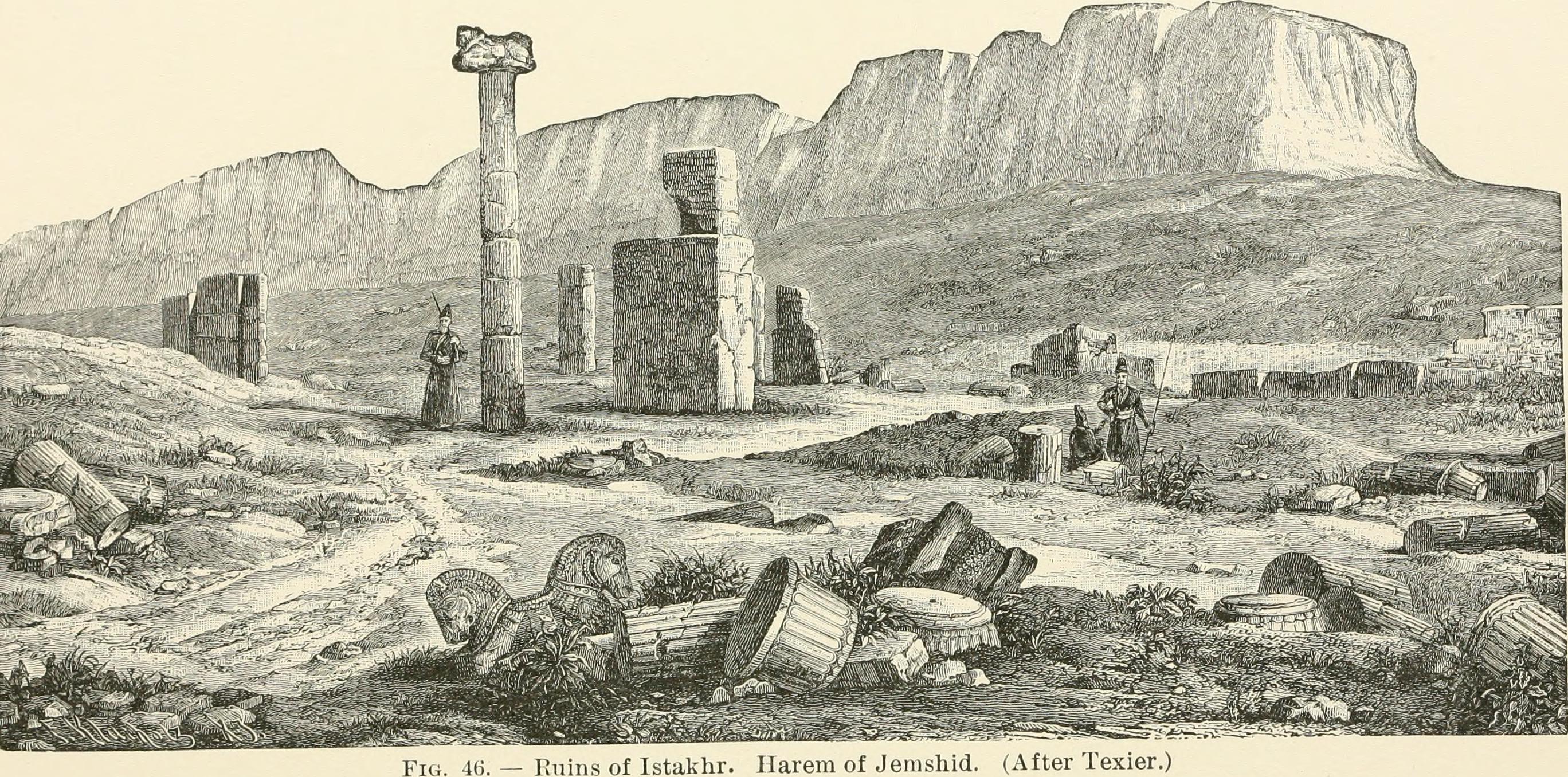
Istakhr
Ancient city with religious and defensive structures.
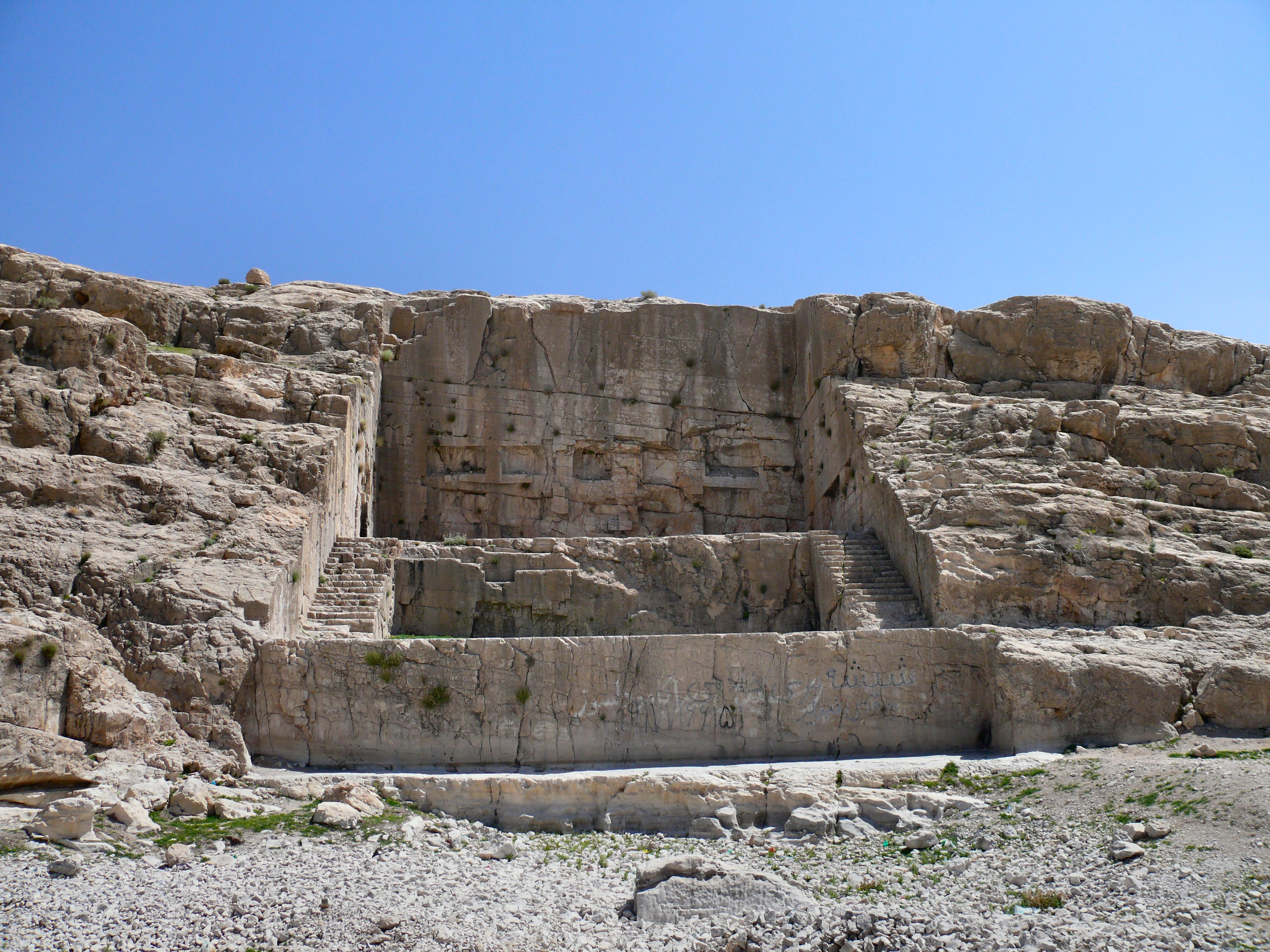
Qadamgah (ancient site)
Achaemenid rock-cut monument with terraces
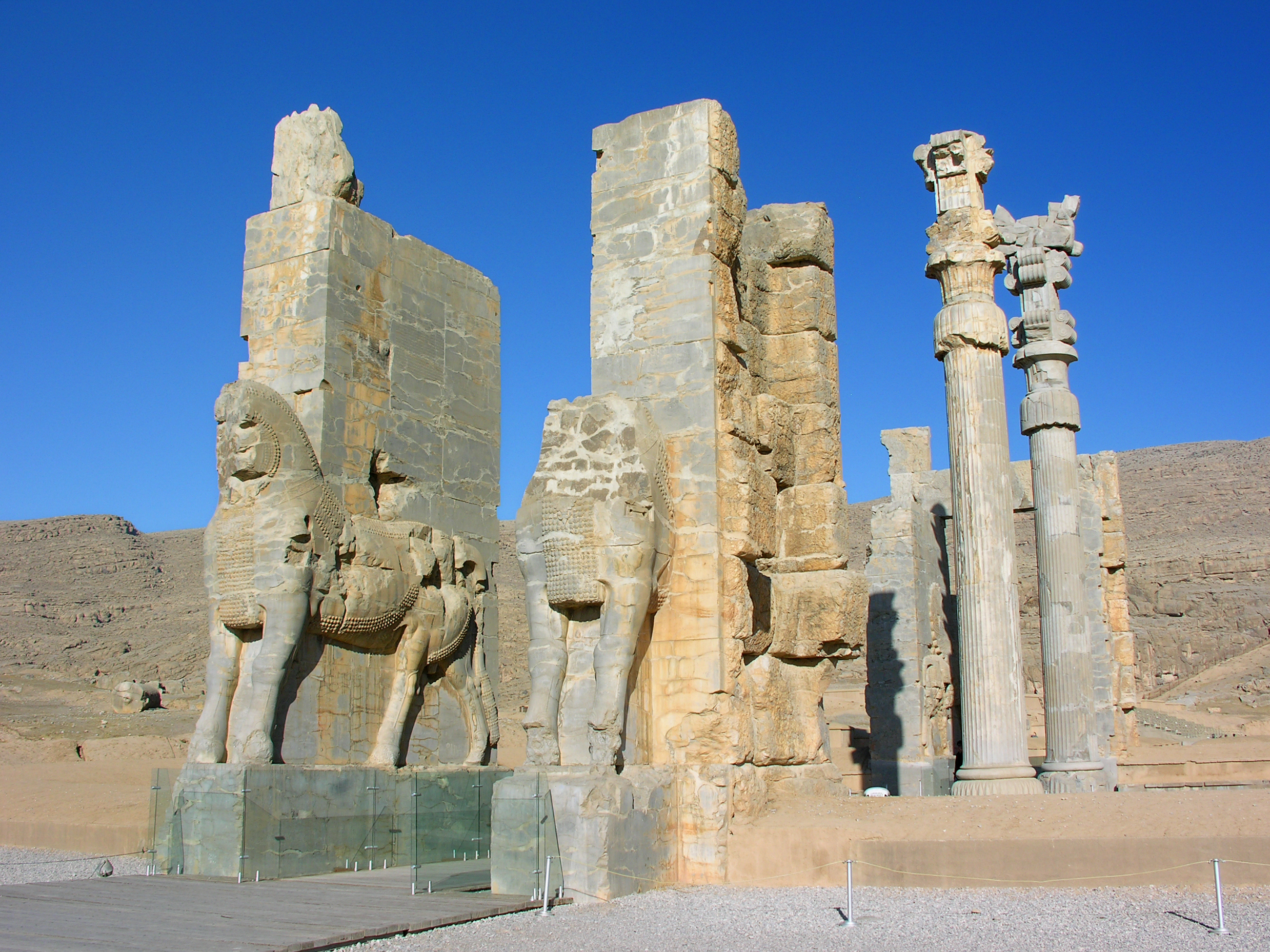
Rahmatabad Mound
Ancient Chalcolithic settlement with industrial features