Explore the Map
Istakhr
29.9808° N, 52.9094° E
About
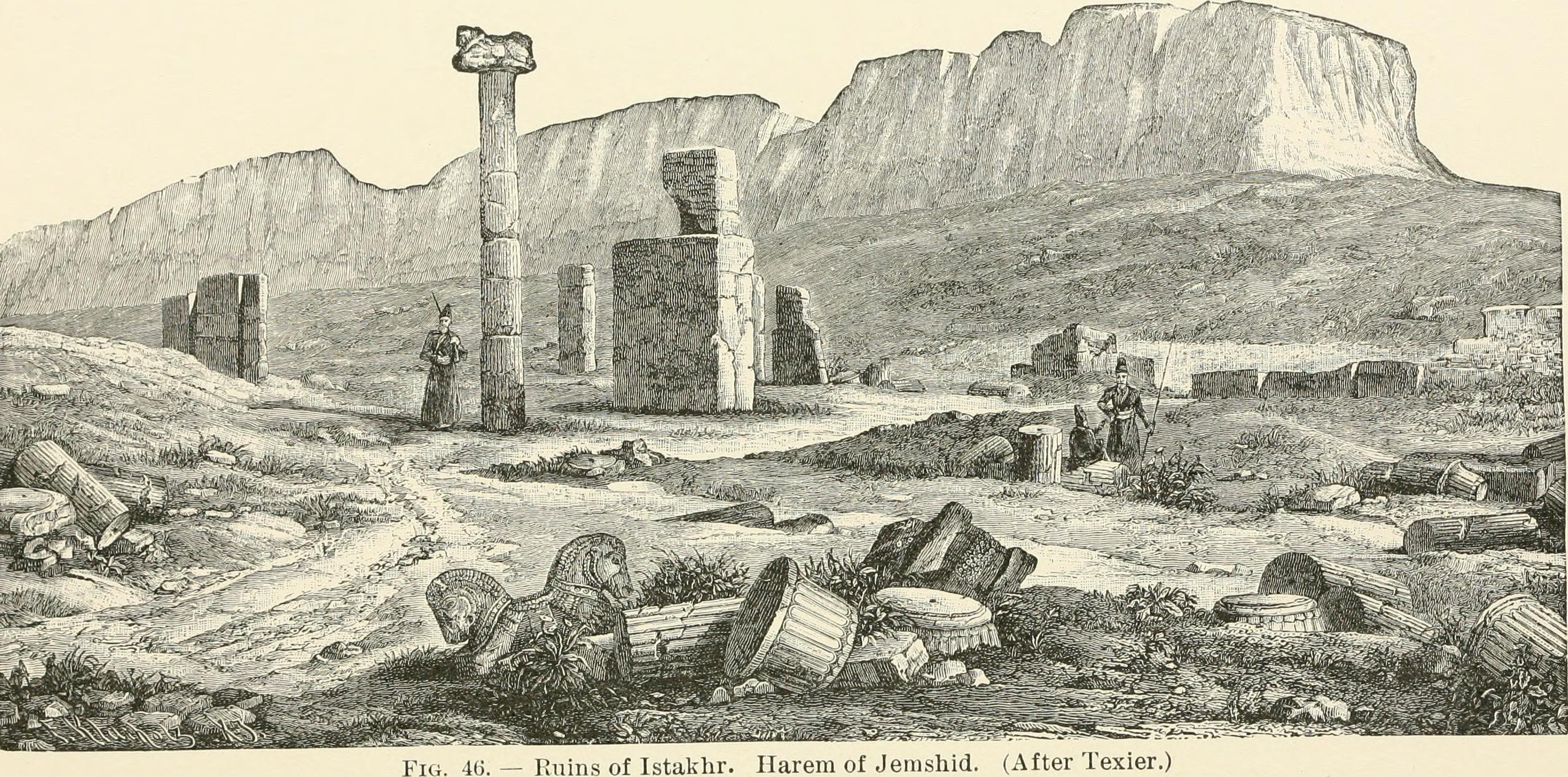
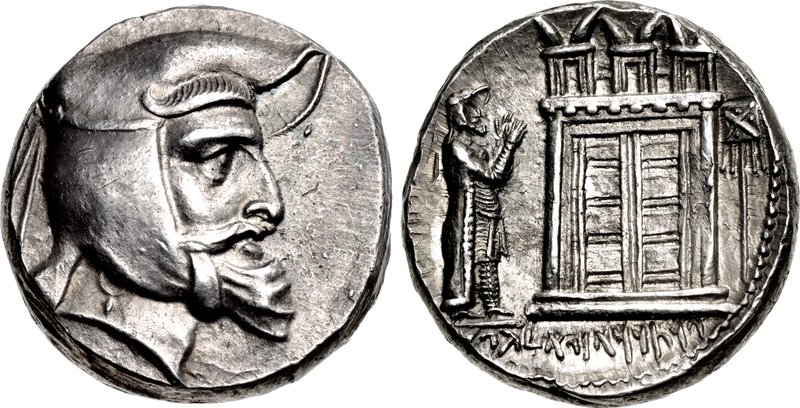
Istakhr, an ancient city situated in the Fars province of modern-day Iran, was historically significant as a key center of political, religious, and economic activity. Its prominence began as early as the 3rd century BCE when it served as the capital of the Persian Frataraka governors and Kings of Persis. The city reached its zenith during the Sasanian period (224–651 CE), functioning as a principal city and religious hub, notably housing a revered fire temple. Istakhr was also a site of staunch resistance during the Arab conquest of Iran in the 7th century. Over time, the city's importance waned with the rise of nearby Shiraz and subsequent political shifts, leading to its decline and eventual abandonment by the 11th century. Despite its historical significance, much of Istakhr remains unexcavated, leaving its full archaeological potential untapped.
Gallery
Explore photographs of ancient structures, artifacts, and archaeological excavations
Historical Timeline
Journey through time and discover key events in this site's history
Istakhr's Initial Development
400 BCE
Capital of Frataraka
300 BCE
Sasanian Empire's Rise
224 CE
Arab Conquest Resistance
640 CE
Decline under Buyids
900 CE
Archaeological Features
Unique architectural and cultural elements found at this historical site
Defensive Structures
Water Management Features
Religious and Ritual Structures
Domestic and Habitation Structures
Transportation and Communication Structures
Frequently Asked Questions
Plan Your Visit
Tours, travel arrangements, and practical information
More Sites in Iran
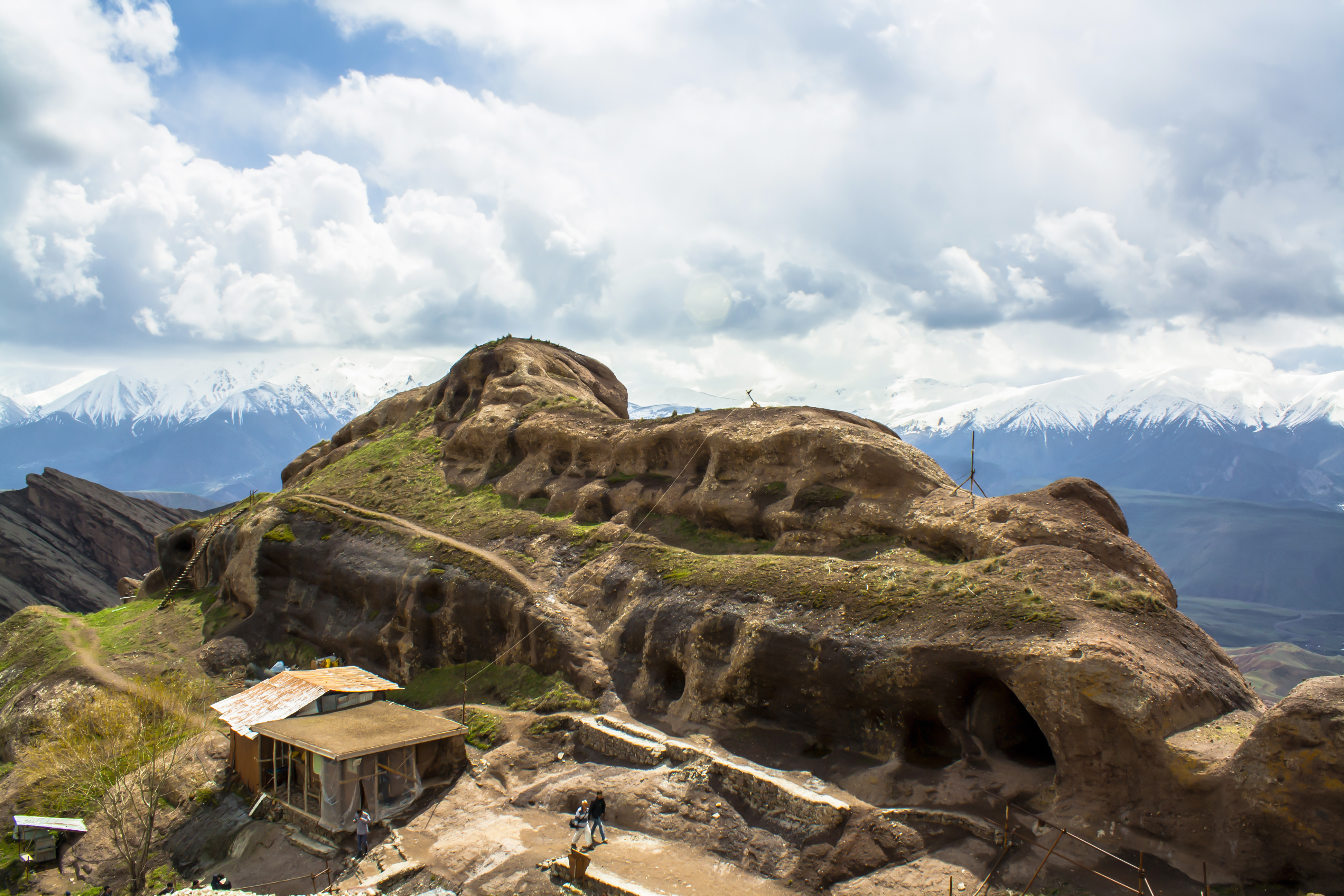
Mount Khajeh
Flat-topped basalt hill with ancient ruins
Tappeh Berdankan
Sasanian site with diverse pottery artifacts.
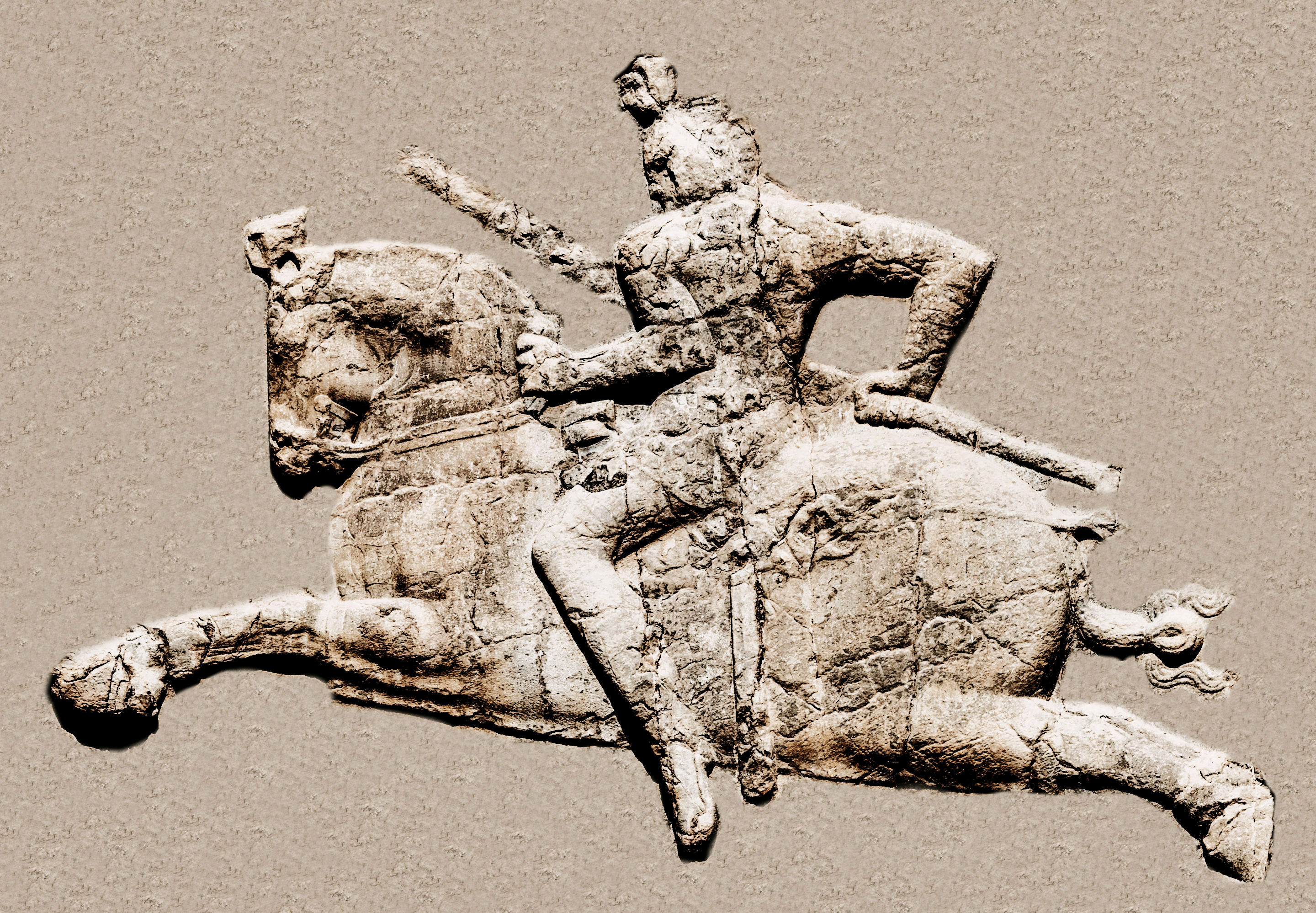
Naqsh-e Rostam
Rock reliefs and Achaemenid tombs site
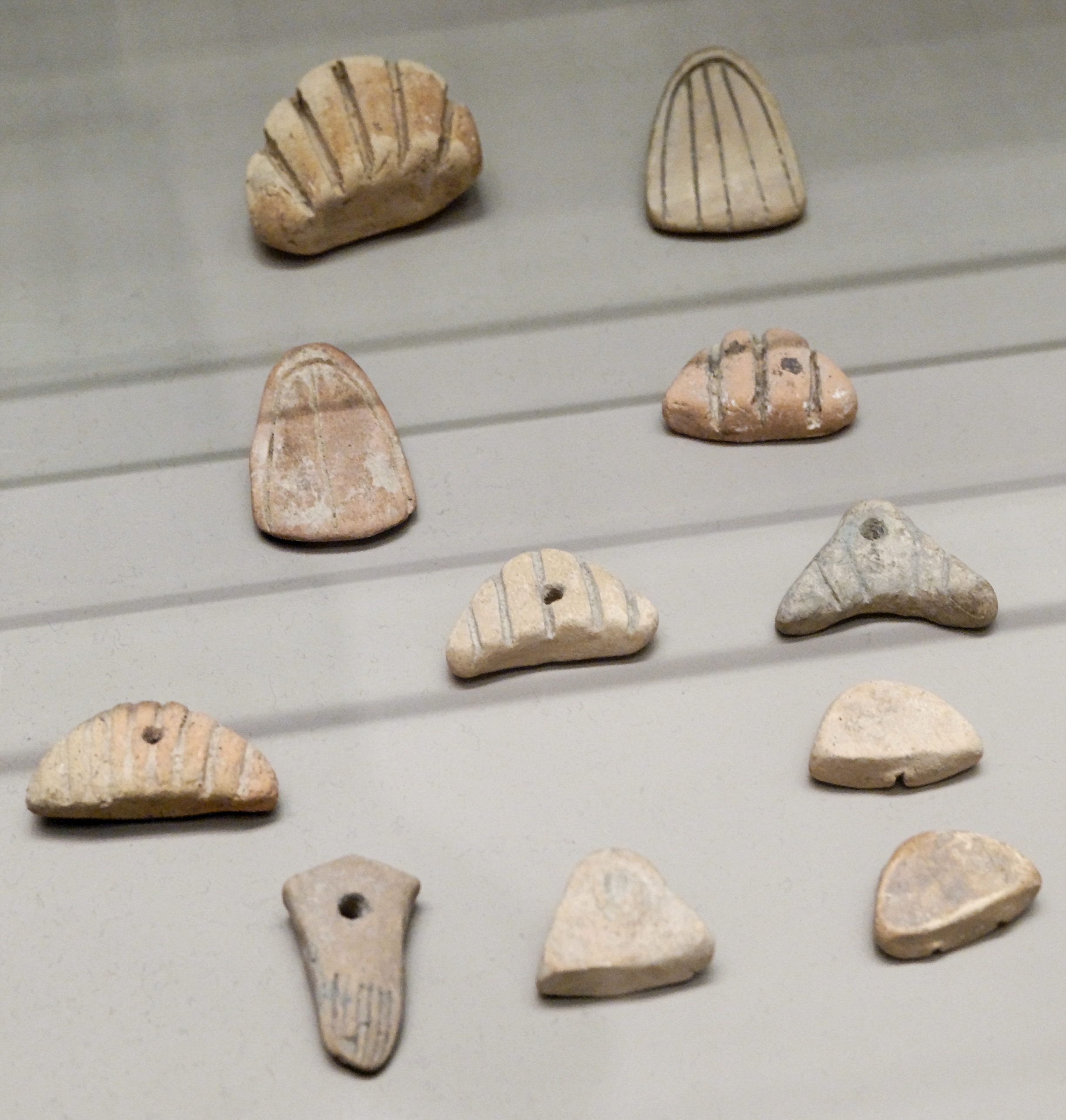
Tepe Sofalin
Ancient mound with Proto-Elamite artifacts
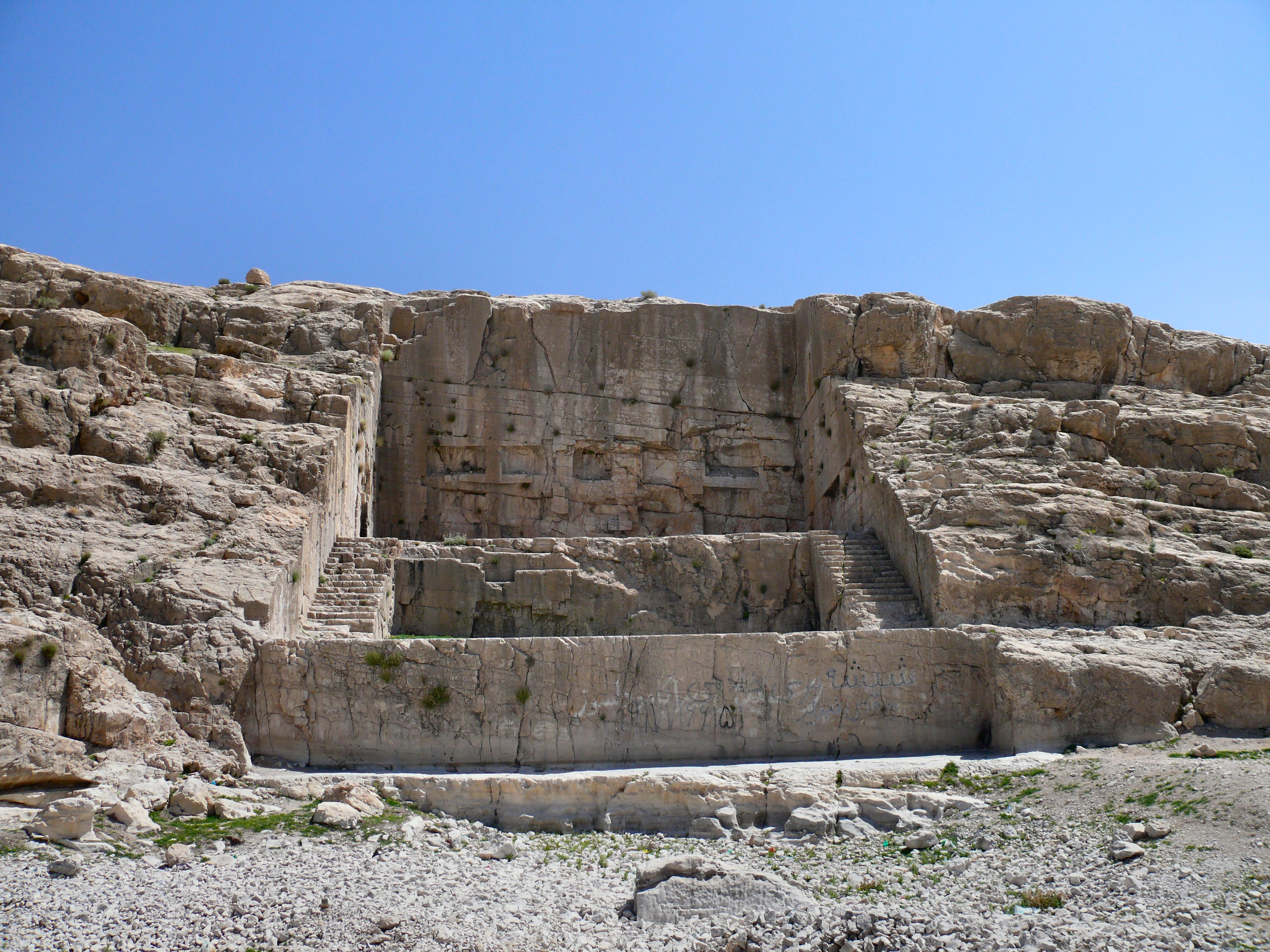
Qadamgah (ancient site)
Achaemenid rock-cut monument with terraces
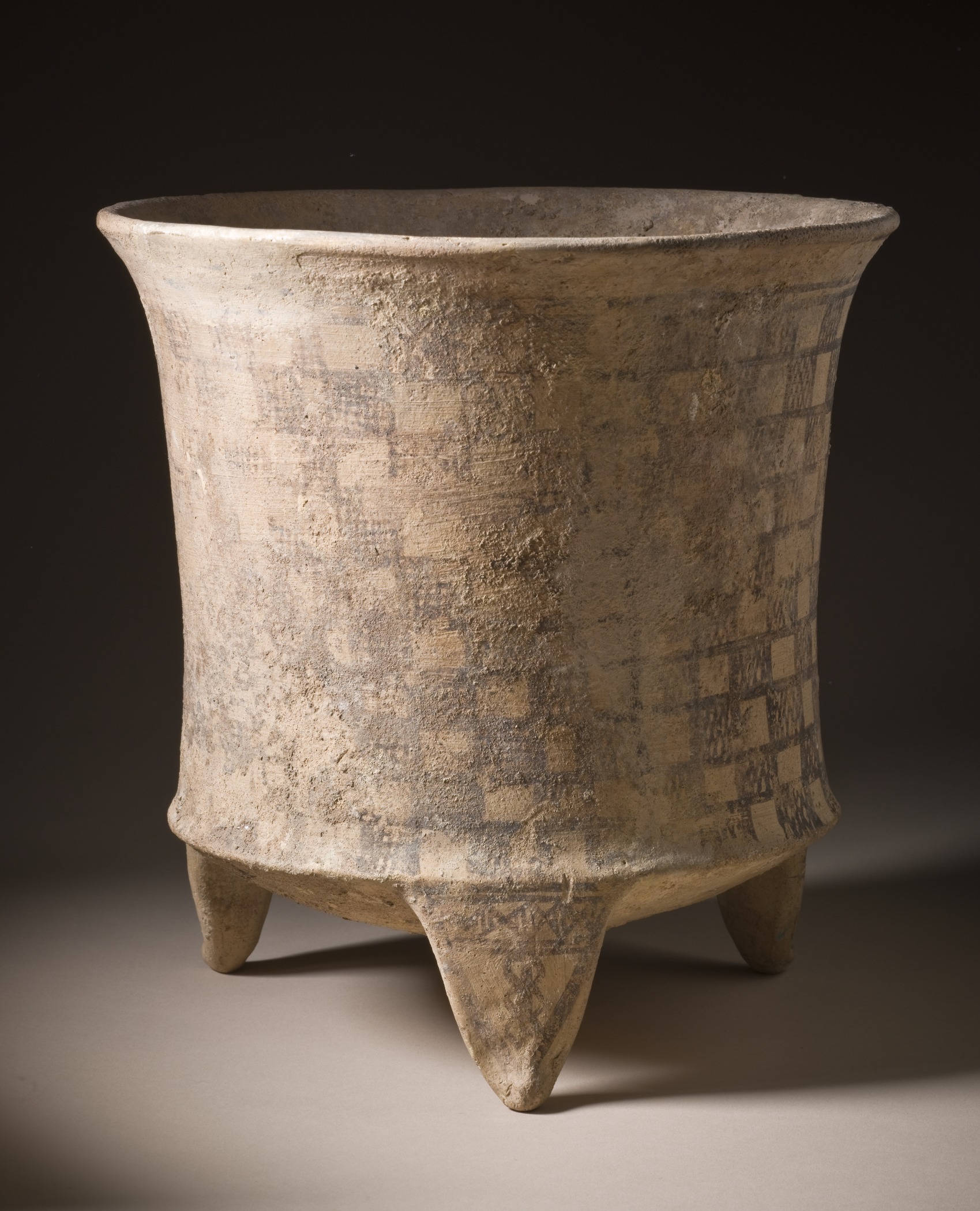
Tepe Giyan
Necropolis with distinctive pottery in Iran.