Explore the Map
Great Wall of Gorgan
37.2604° N, 55.0102° E
About
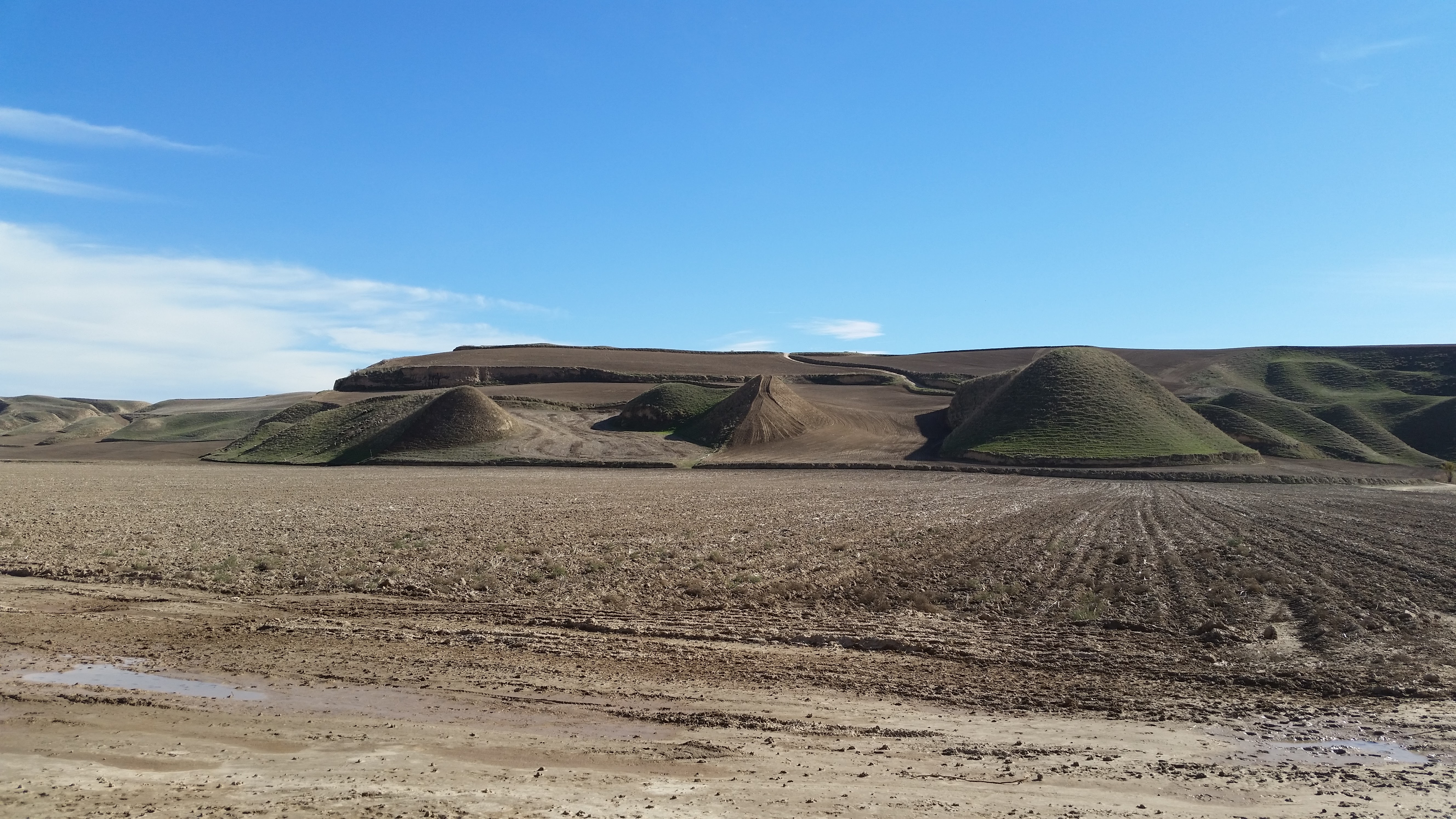
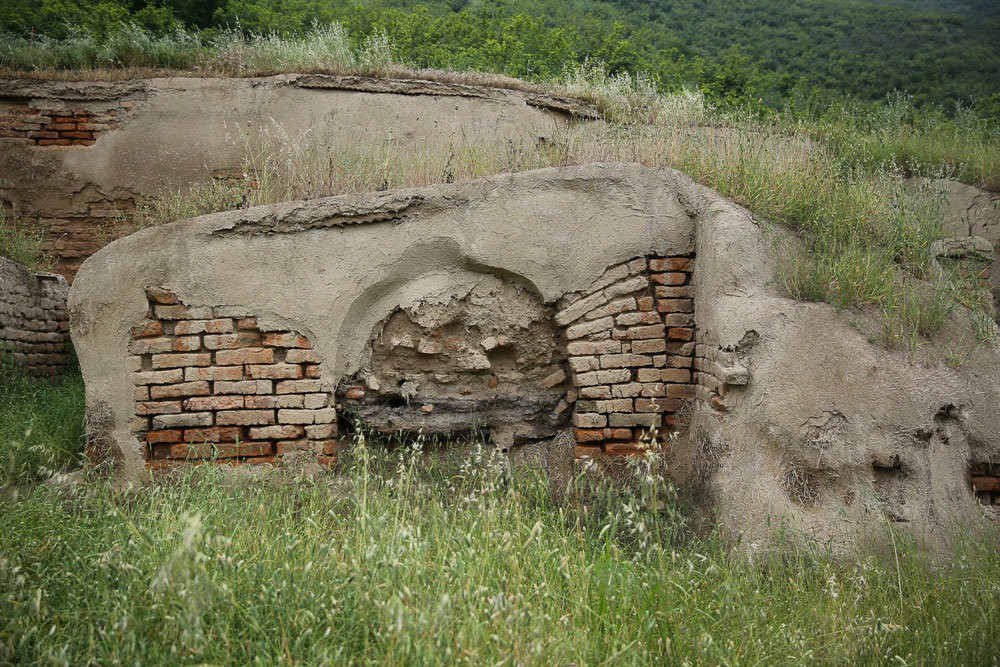
The Great Wall of Gorgan, also known as the 'Red Snake' and the 'Alexander Barrier', is an impressive Sasanian-era defensive structure located in northeastern Iran. Stretching 195 km with a width of 6 to 10 meters, the wall features over 30 fortresses at intervals and a significant ditch for water management. Constructed with materials like fired bricks, mud-brick, and gypsum, the wall represents a sophisticated feat of engineering from the Parthian to Sassanian periods. Its primary purpose was to protect the Sasanian Empire from northern invaders, such as the White Huns. The wall's strategic placement between the Caspian Sea and the northeastern mountains highlights its significance in controlling the nomadic routes and securing the empire's borders.
Gallery
Explore photographs of ancient structures, artifacts, and archaeological excavations
Historical Timeline
Journey through time and discover key events in this site's history
Parthian Empire Construction
3rd century BCE
Sasanian Era Reconstruction
6th century CE
Archaeological Features
Unique architectural and cultural elements found at this historical site
Defensive Structures
Water Management Features
Industrial and Craft Structures
Frequently Asked Questions
Plan Your Visit
Tours, travel arrangements, and practical information

More Sites in Iran
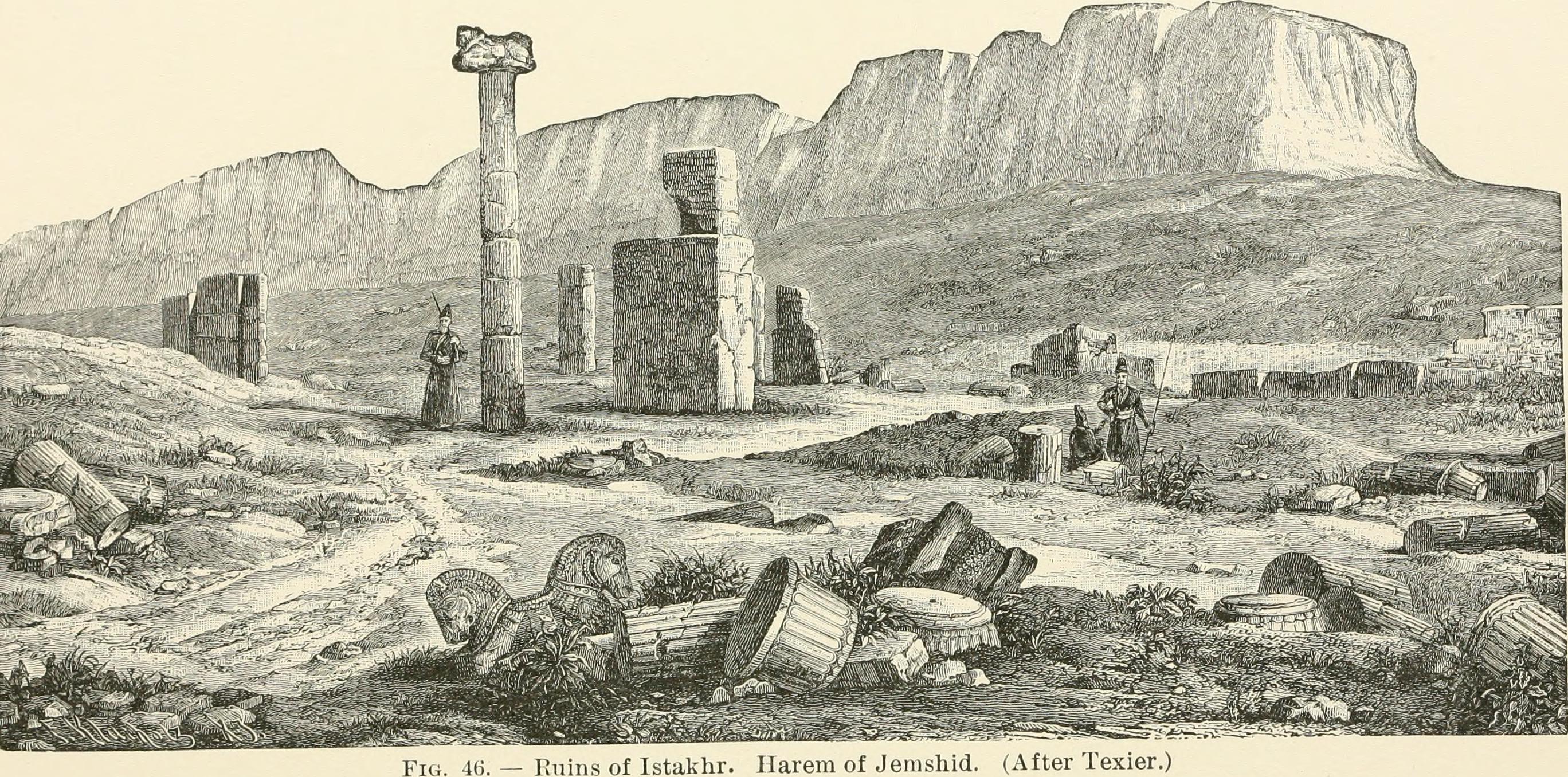
Istakhr
Ancient city with religious and defensive structures.
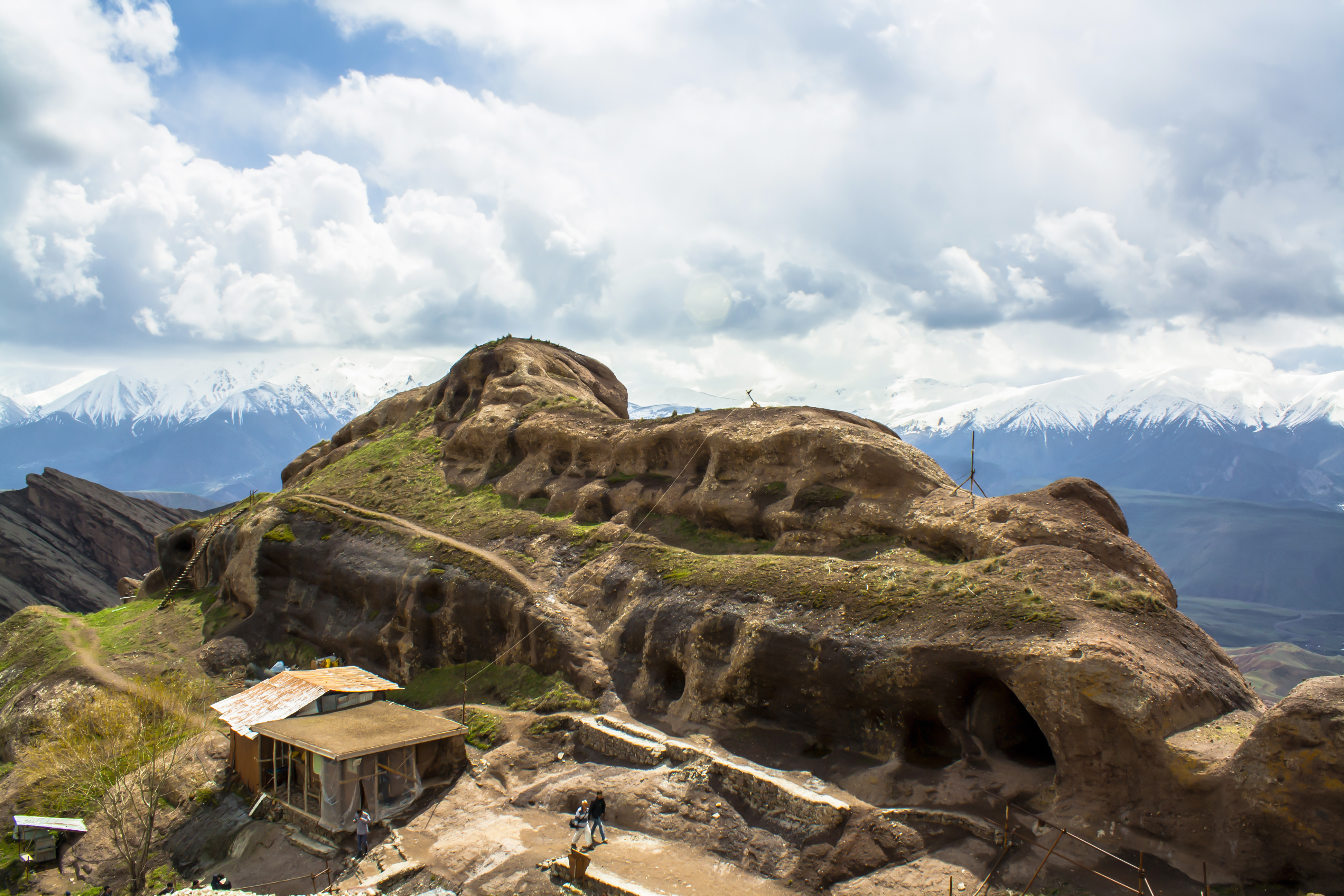
Mount Khajeh
Flat-topped basalt hill with ancient ruins
Tappeh Berdankan
Sasanian site with diverse pottery artifacts.
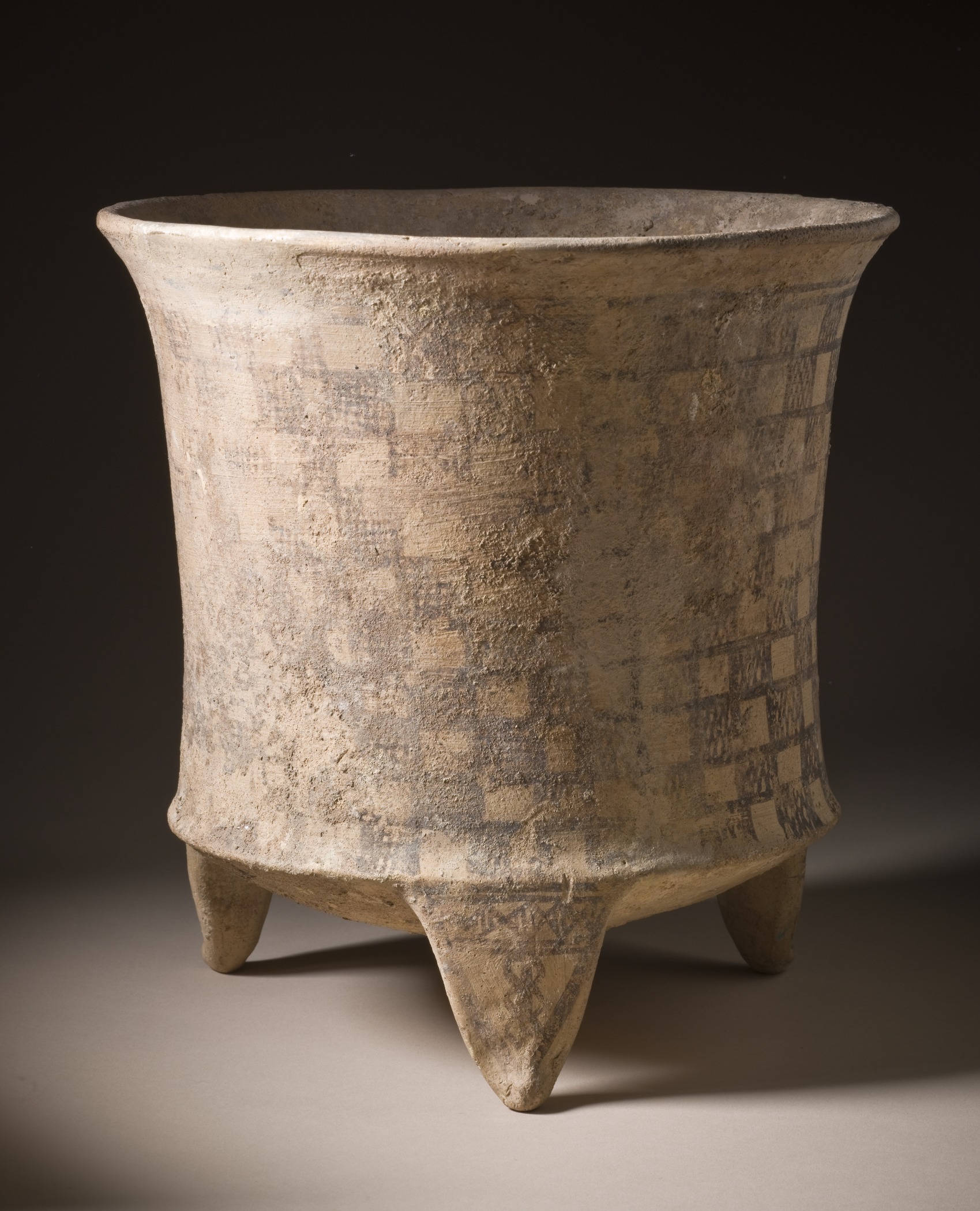
Tepe Giyan
Necropolis with distinctive pottery in Iran.
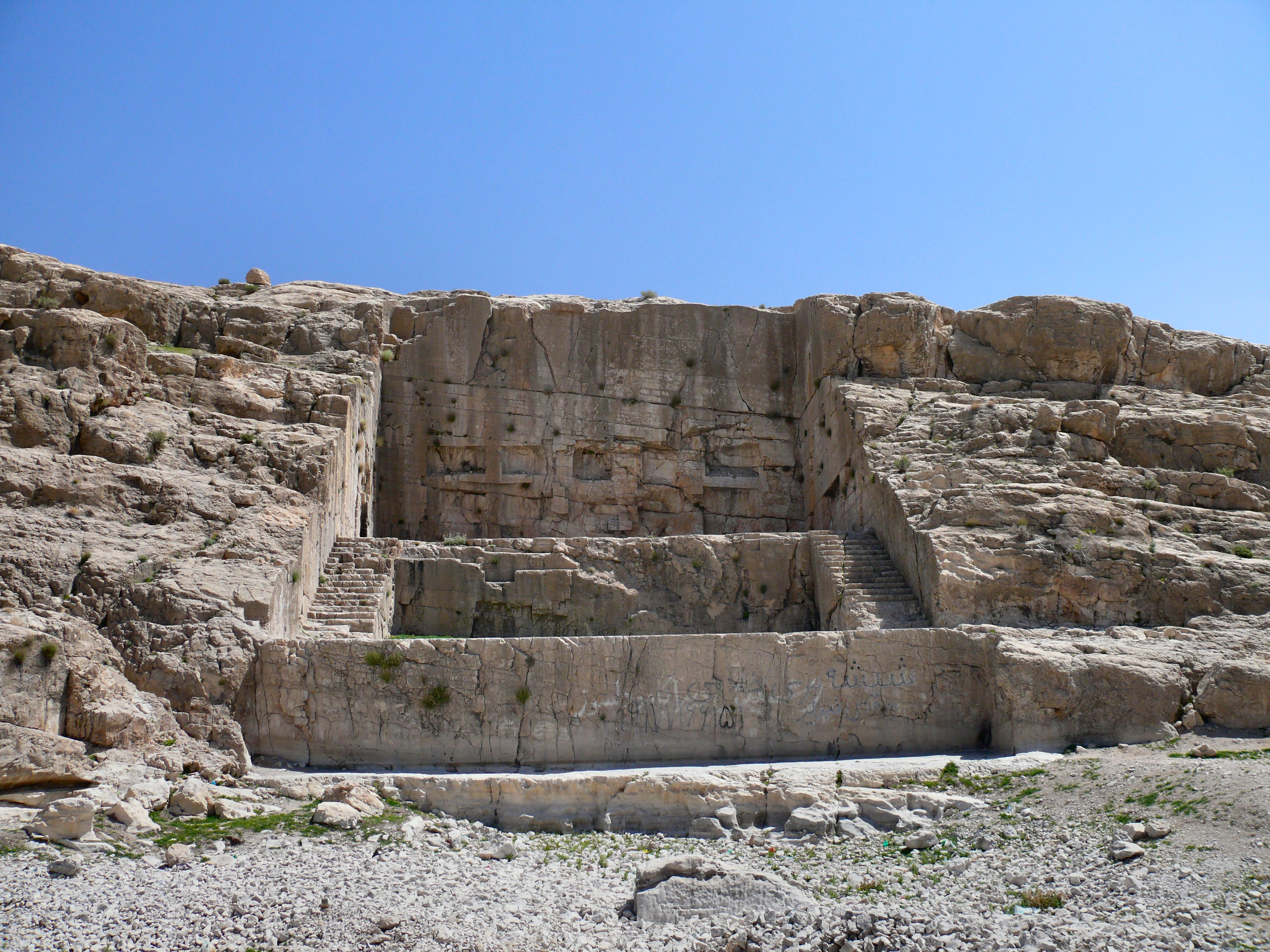
Qadamgah (ancient site)
Achaemenid rock-cut monument with terraces
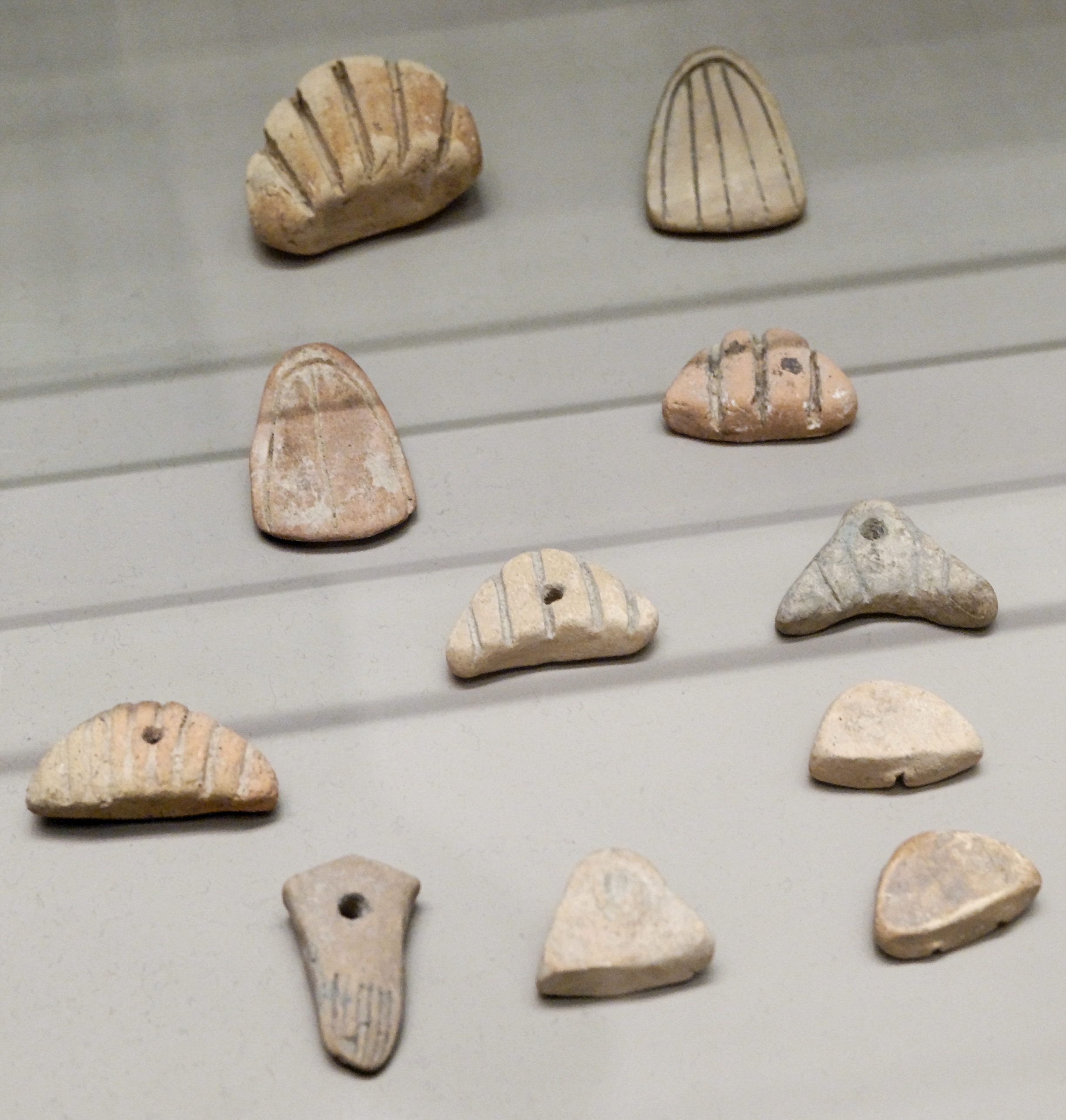
Tepe Sofalin
Ancient mound with Proto-Elamite artifacts