
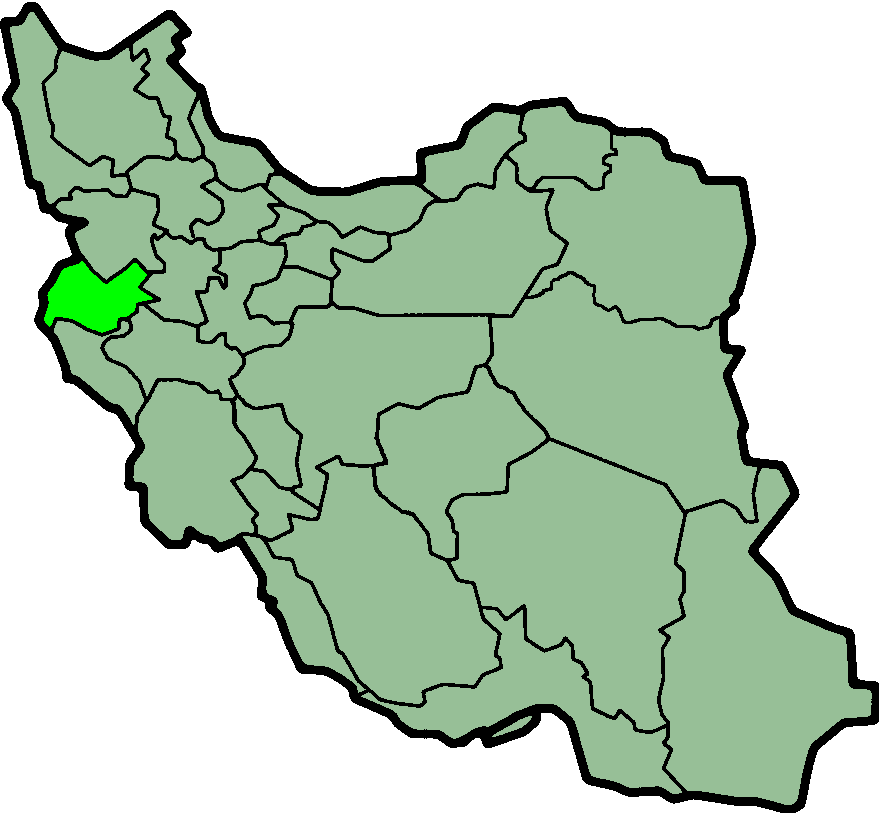
Explore the Map
Malaverd
34.4069° N, 47.0919° E
About
The Malaverd archaeological site, located in the Tang-e Malaverd valley in northern Kermanshah, Iran, is a significant multi-period cave site. Situated at the western end of Mount Meywala, this site features a 170 cm thick sequence of archaeological deposits, indicating a long history of human occupation. The cave was inhabited during the Middle and Upper Paleolithic periods, making it a crucial site for understanding early human activity in the region. It also saw use during the Chalcolithic, Iron Age III, and Parthian periods. Malaverd is notable for being the first Upper Paleolithic site in the Kermanshah region excavated by an Iranian archaeologist and for providing the earliest dated evidence of Upper Paleolithic occupation in the area. This site contributes valuable insights into the cultural and historical developments of ancient Iran.
Gallery
Explore photographs of ancient structures, artifacts, and archaeological excavations
Historical Timeline
Journey through time and discover key events in this site's history
Chalcolithic Use
3500 BCE
Iron Age III Occupation
600 BCE
Parthian Period Use
150 BCE
Middle Paleolithic Occupation
60,000 BCE
Upper Paleolithic Occupation
35,000 BCE
Archaeological Features
Unique architectural and cultural elements found at this historical site
Domestic and Habitation Structures
Frequently Asked Questions
Plan Your Visit
Tours, travel arrangements, and practical information
More Sites in Iran
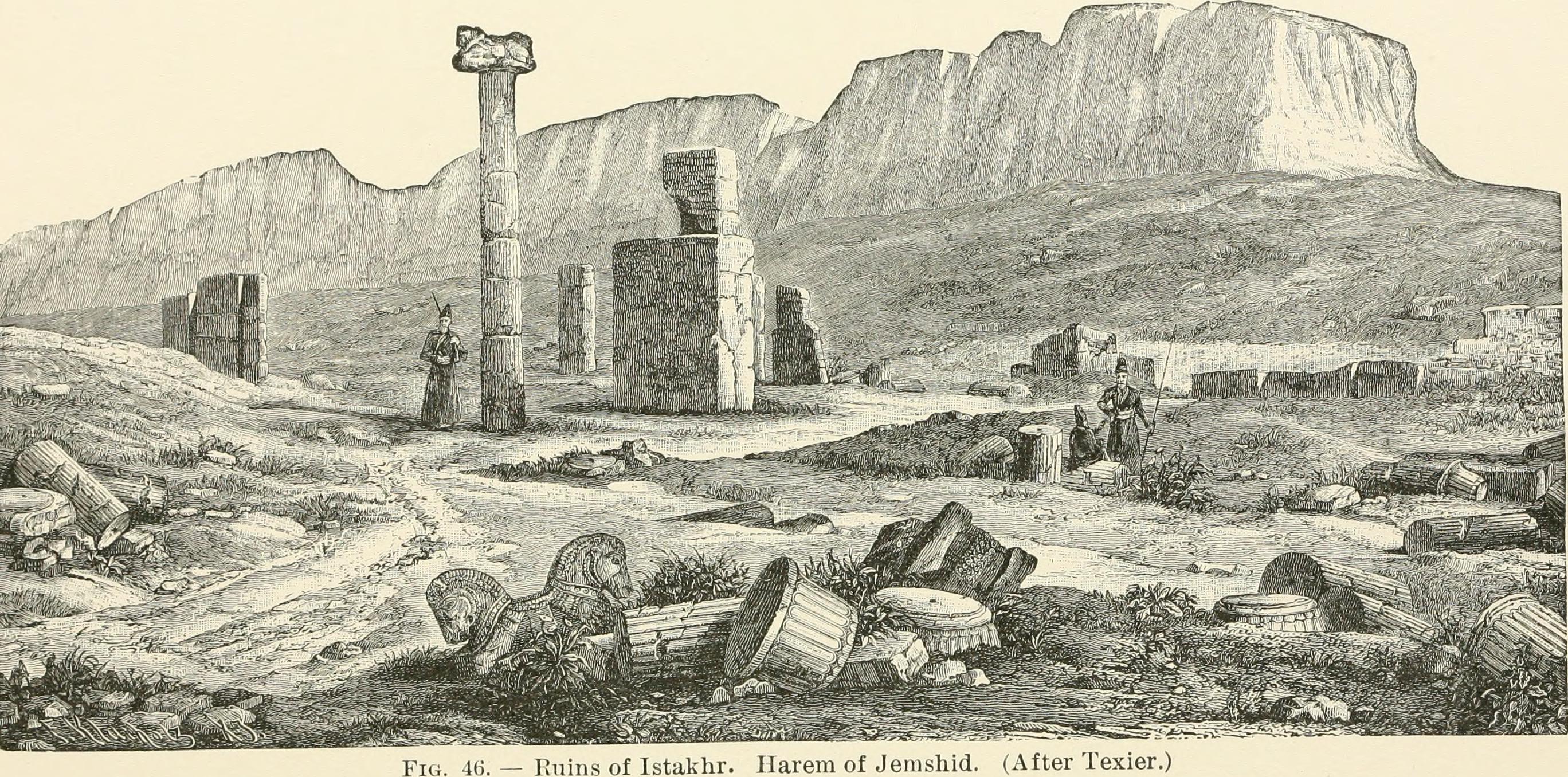
Istakhr
Ancient city with religious and defensive structures.
Tappeh Berdankan
Sasanian site with diverse pottery artifacts.
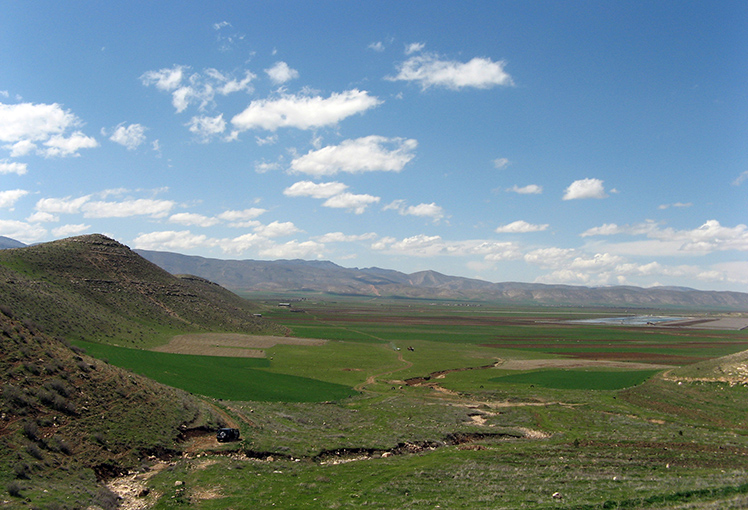
Wezmeh
Pleistocene cave site in western Iran
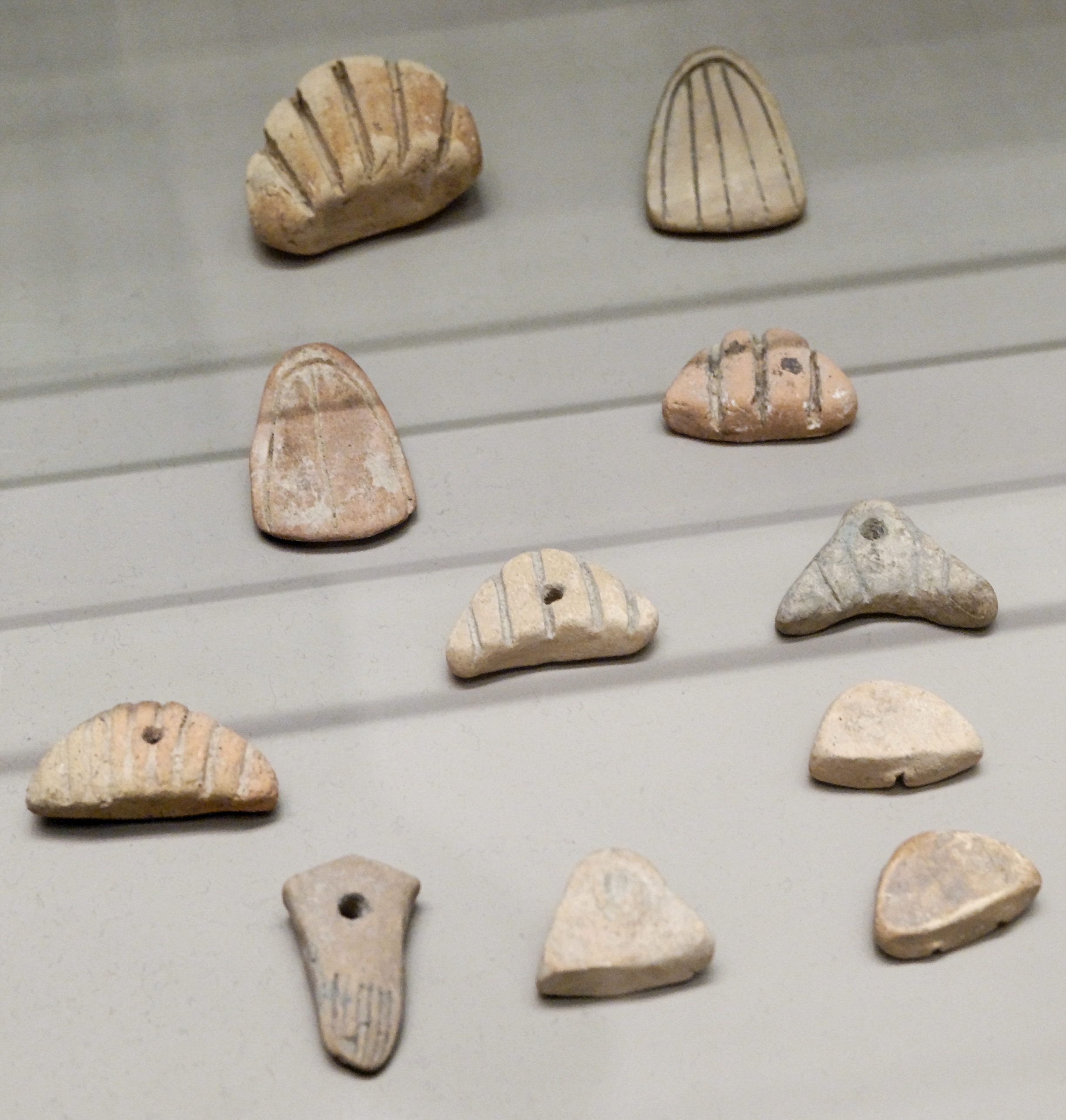
Tepe Sofalin
Ancient mound with Proto-Elamite artifacts
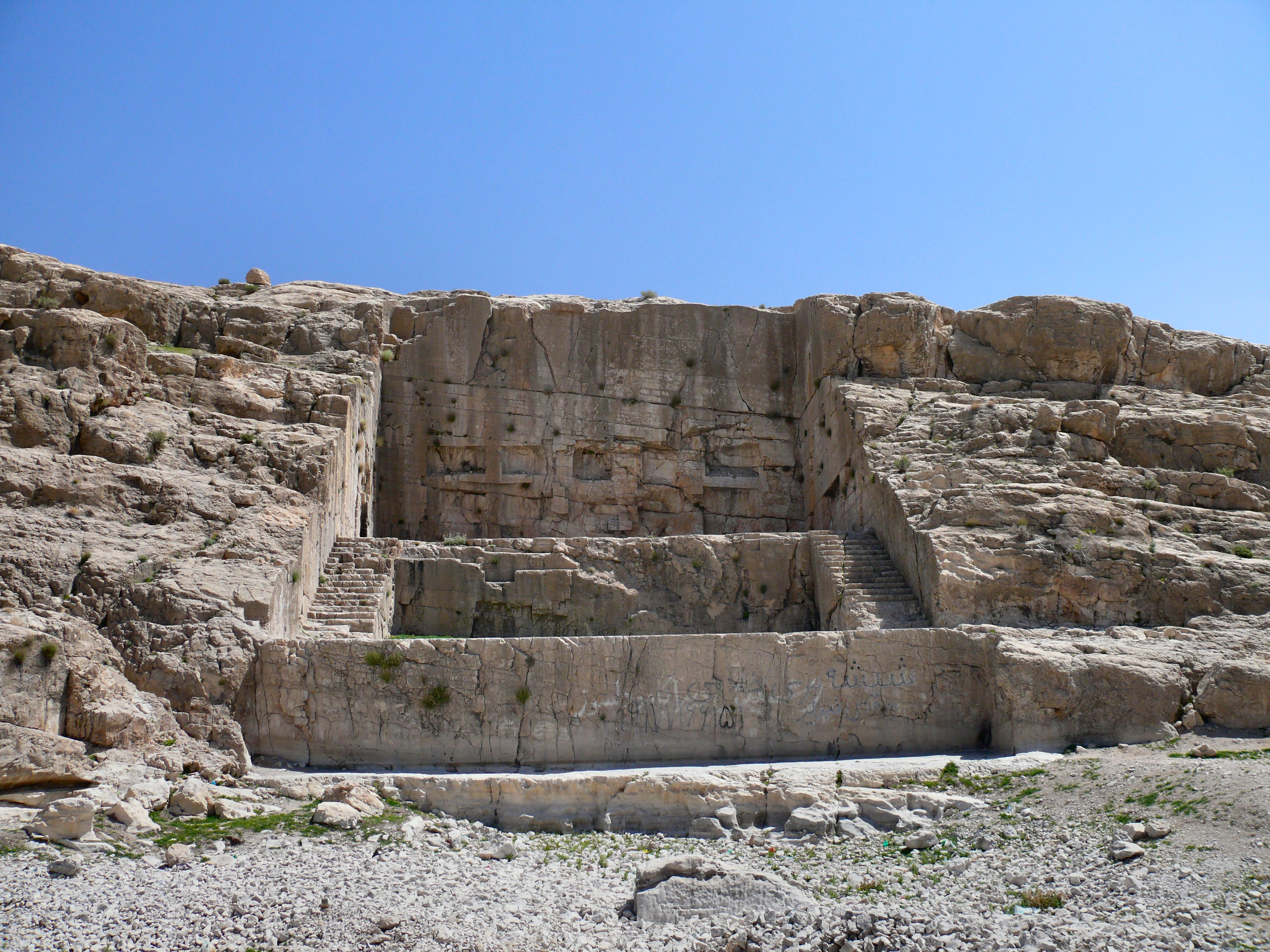
Qadamgah (ancient site)
Achaemenid rock-cut monument with terraces
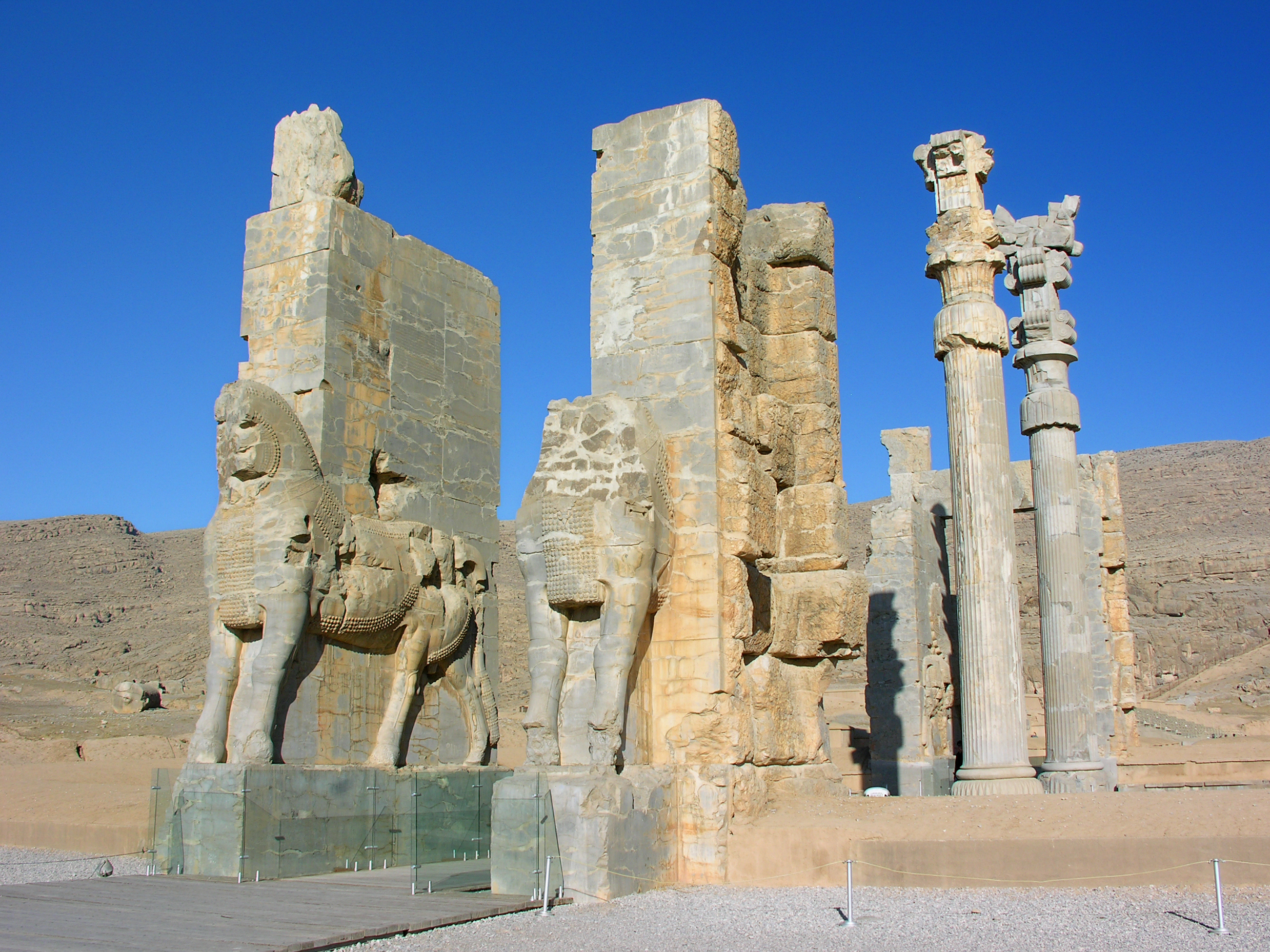
Rahmatabad Mound
Ancient Chalcolithic settlement with industrial features