Explore the Map
Mount Khajeh
30.9391° N, 61.2455° E
About
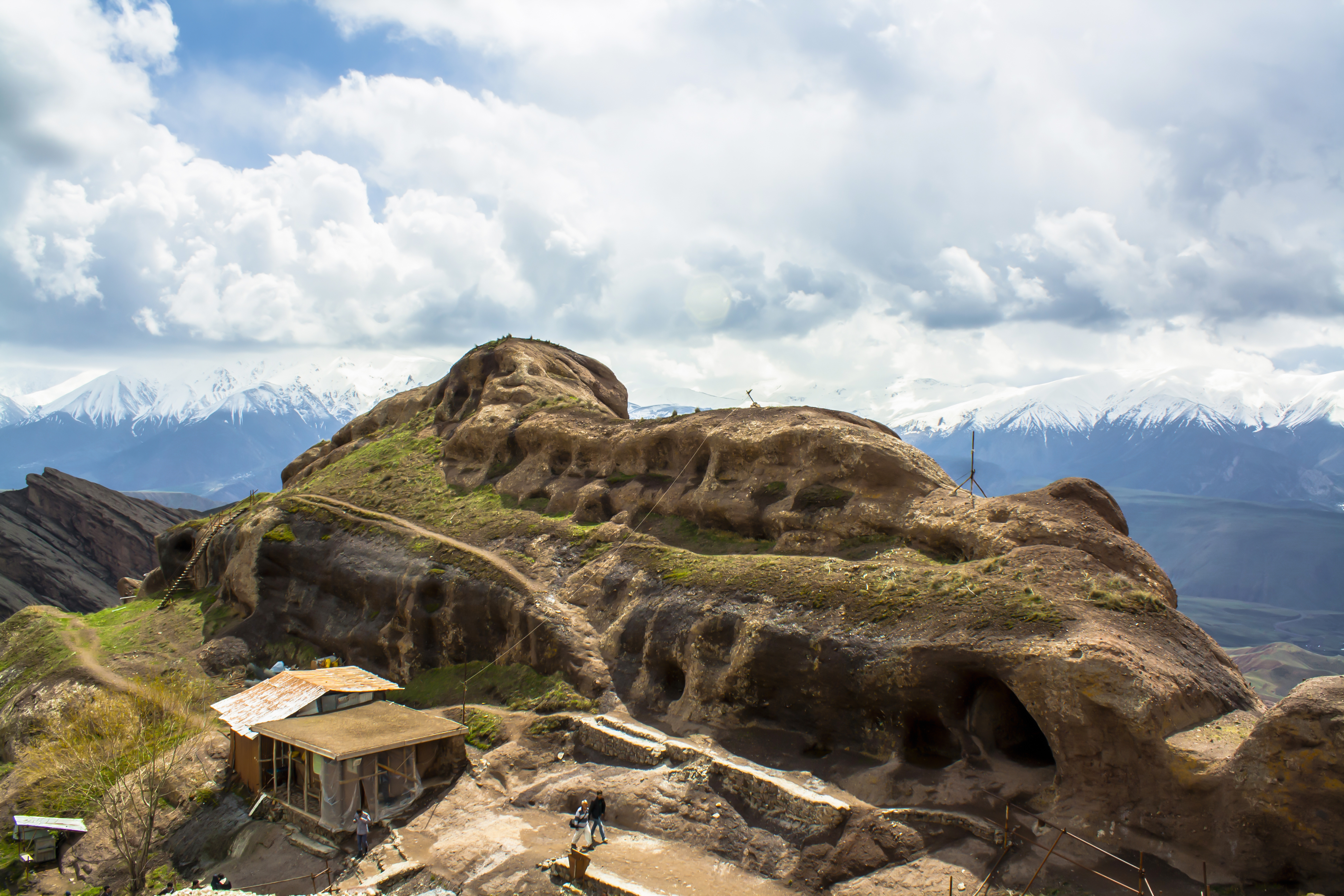
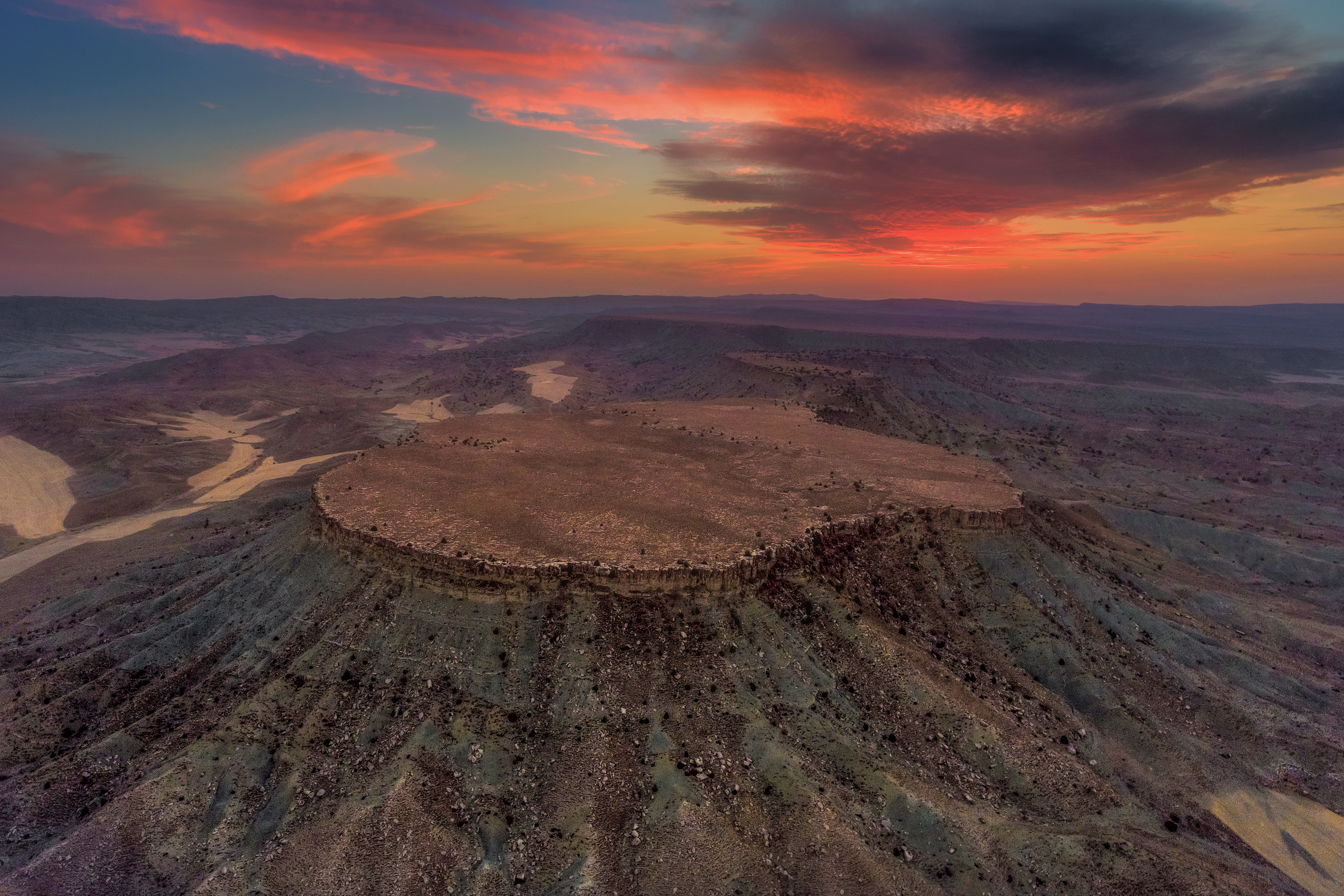
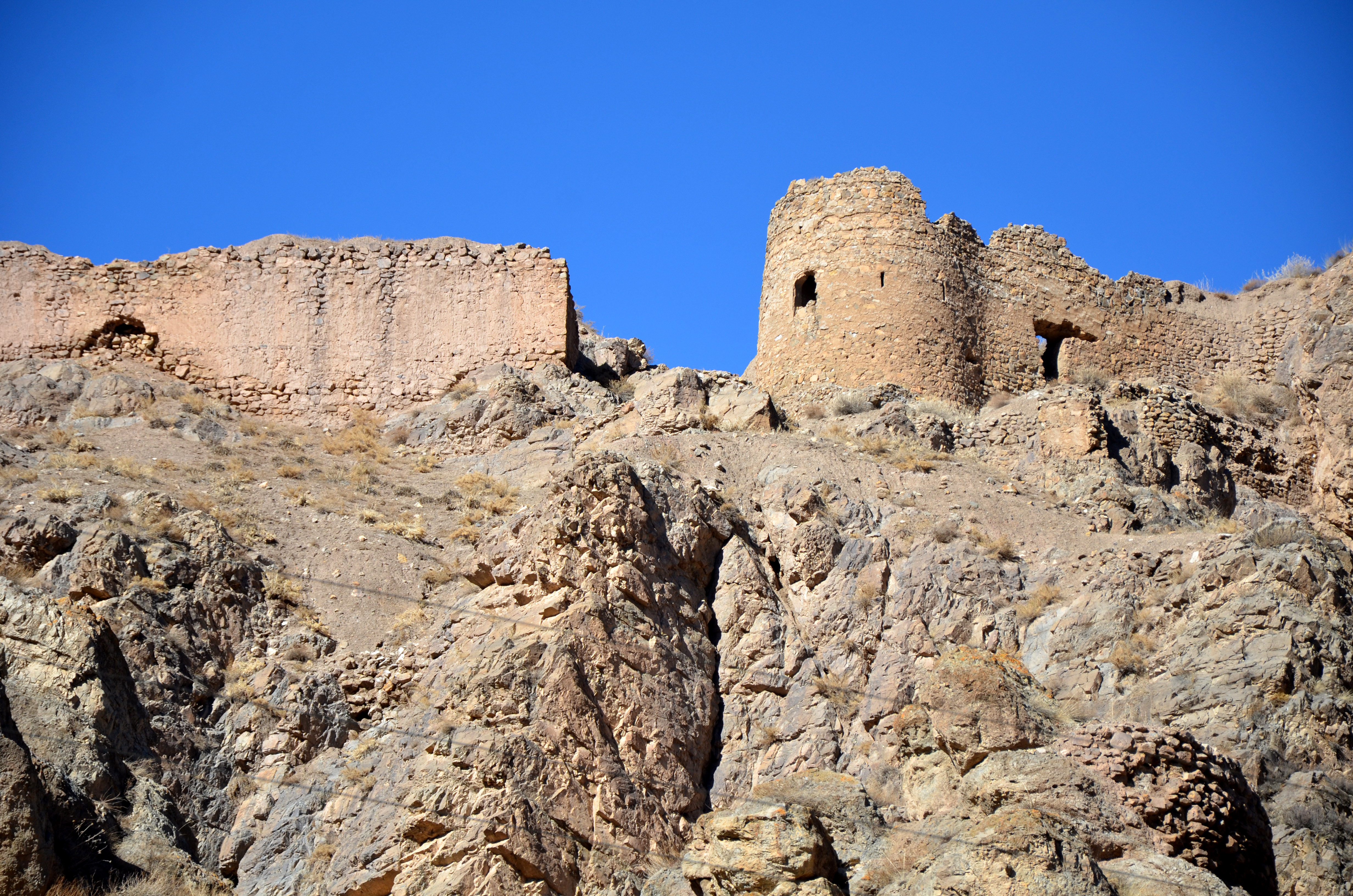
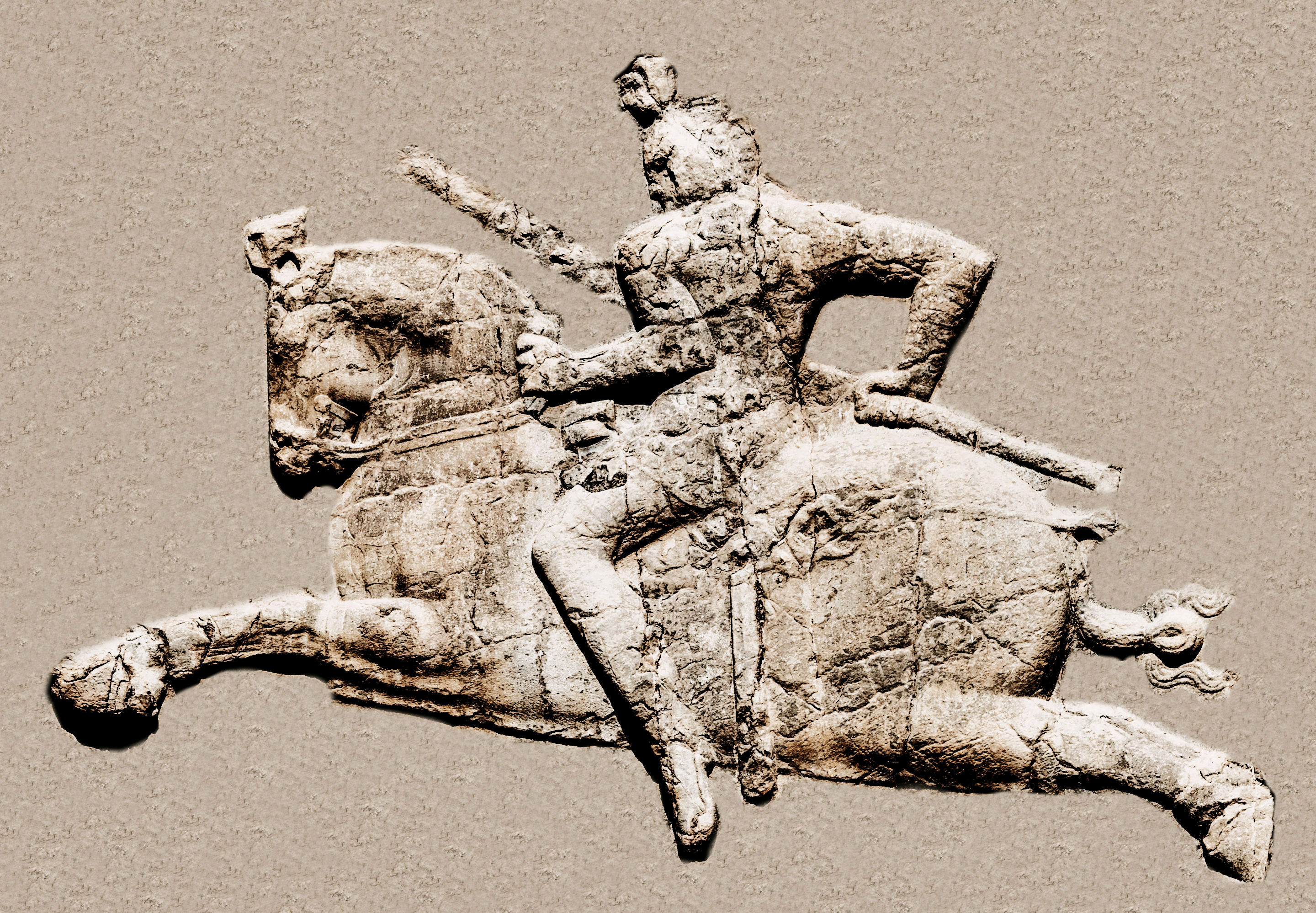
Mount Khwaja, also known as Oshida, is a significant archaeological site located on a flat-topped black basalt hill in Lake Hamun, Iran. This site is notable for its trapezoidal shape and strategic natural height, making it a unique landmark in the region. It features an ancient citadel complex called Ghagha-Shahr, which includes remnants of a fire temple, indicative of pre-Islamic Zoroastrian practices. Originally constructed during the Arsacid period, around the 1st century CE, the site saw further development and use during the Sassanid period. Key features include impressive bas-reliefs depicting riders and horses, attributed to the Sassanid era, and several unrelated buildings of likely Islamic origin. This site holds archaeological significance due to its blend of defensive, religious, and artistic elements from different historical periods.
Gallery
Explore photographs of ancient structures, artifacts, and archaeological excavations
Historical Timeline
Journey through time and discover key events in this site's history
Arsacid period construction
1st century CE
Sassanid period use
224 CE
Archaeological Features
Unique architectural and cultural elements found at this historical site
Defensive Structures
Burial and Funerary Structures
Religious and Ritual Structures
Artistic and Decorative Features
Frequently Asked Questions
Plan Your Visit
Tours, travel arrangements, and practical information
More Sites in Iran
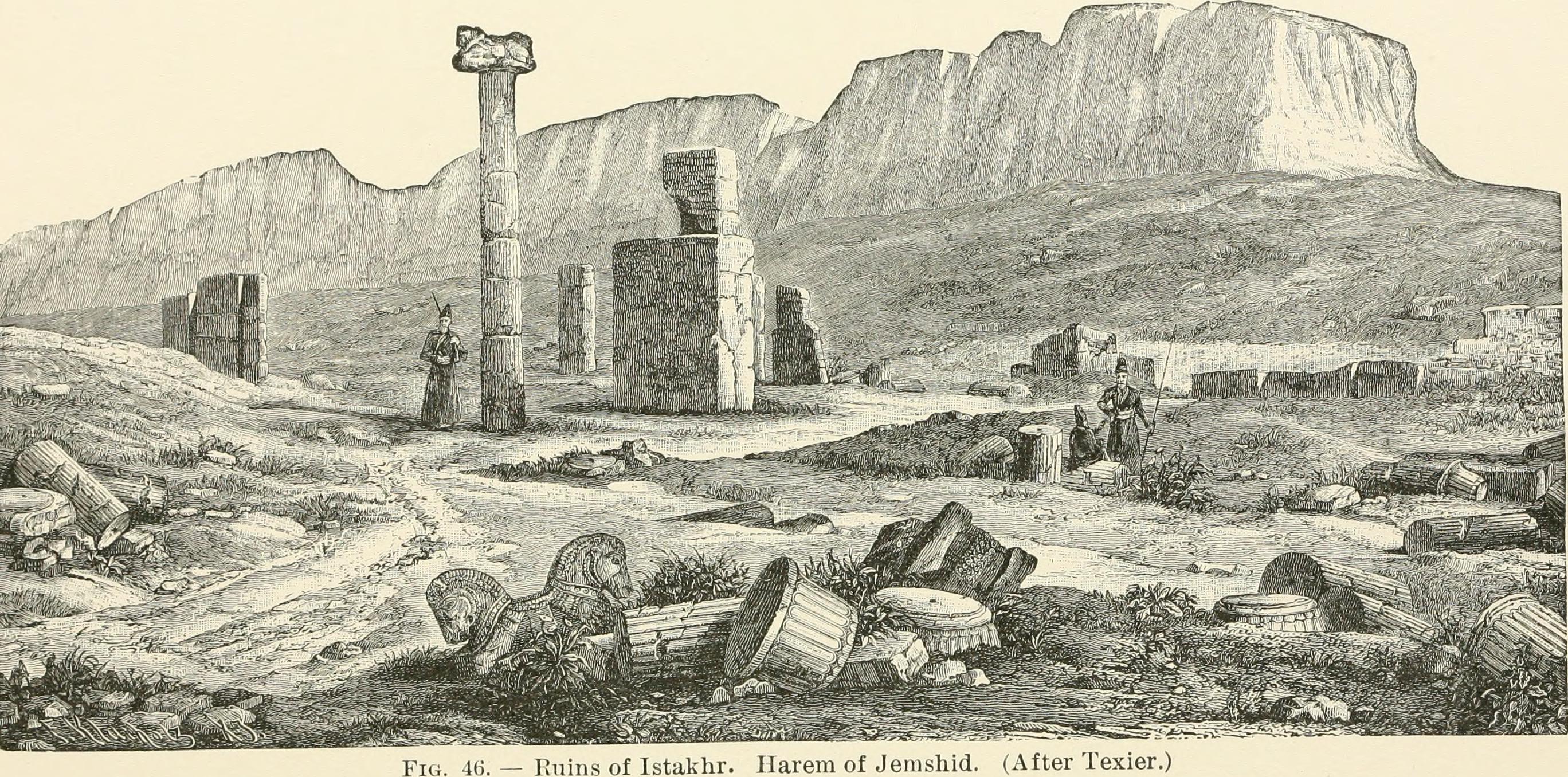
Istakhr
Ancient city with religious and defensive structures.
Tappeh Berdankan
Sasanian site with diverse pottery artifacts.
Naqsh-e Rostam
Rock reliefs and Achaemenid tombs site
Wezmeh
Pleistocene cave site in western Iran
Chia Jani
Neolithic site with obsidian bladelets.
Chogha Bonut
Oldest lowland village in southwestern Iran.