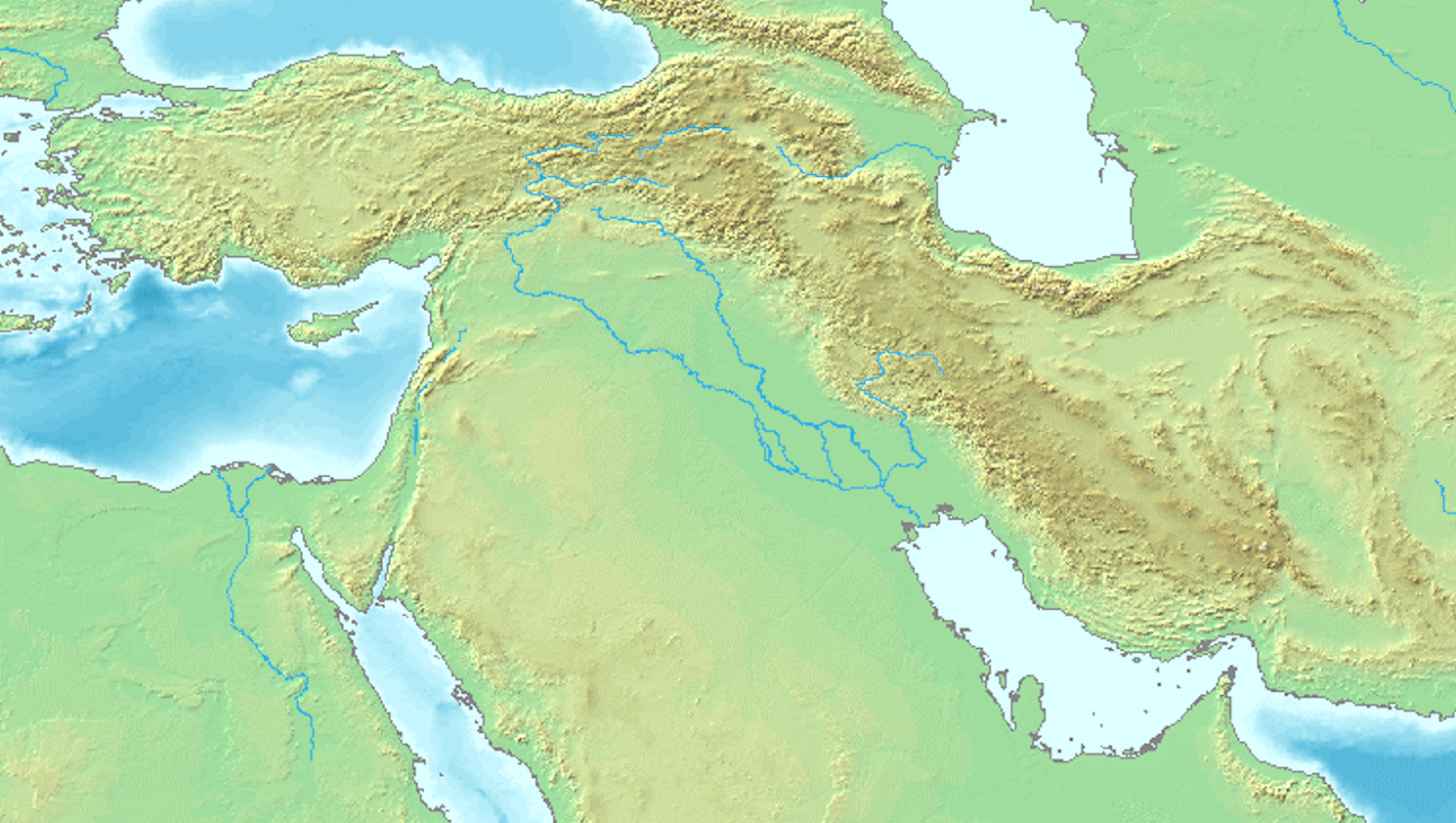
Explore the Map
Teppe Zagheh
35.8233° N, 49.9750° E
About
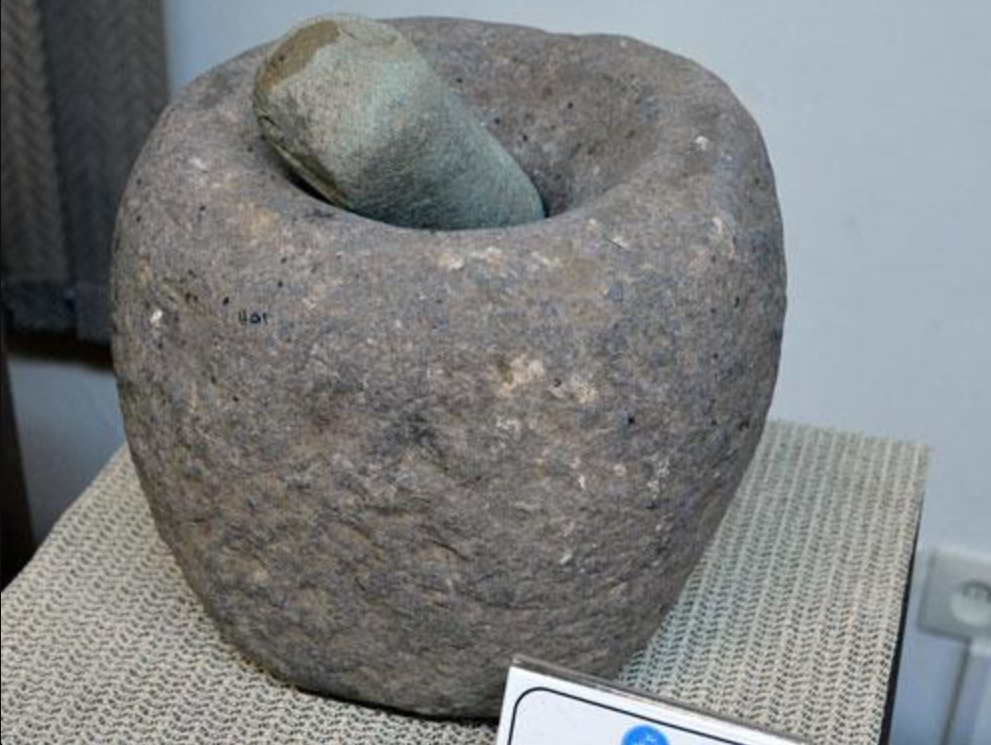
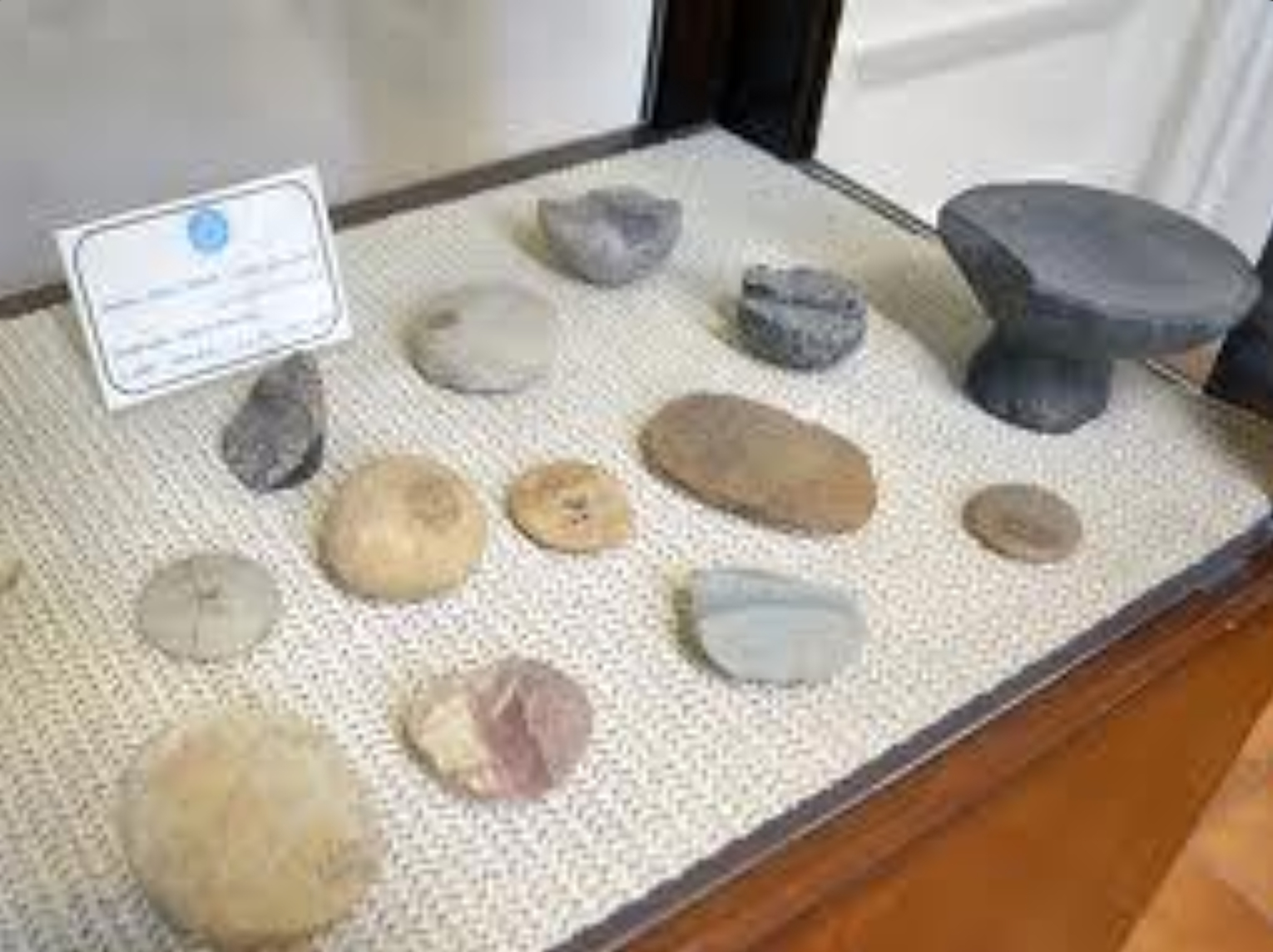
Teppe Zagheh is an archaeological site near Qazvin, Iran, representing an early urban settlement dating back to the Neolithic and Chalcolithic periods. The site was initially settled around 5370 BCE and abandoned by 4240 BCE, with a period of re-occupation between these dates. Notable findings include a shrine with interior decorations, residential dwellings, and graves containing both local and imported goods, reflecting a complex social and economic structure. The discovery of administrative artifacts such as tokens suggests early forms of record-keeping and trade. The artistic and cultural significance of the site is highlighted by painted buildings, possibly serving as special birthing places for women. The faunal remains indicate a diverse subsistence strategy involving domesticated and wild animals.
Gallery
Explore photographs of ancient structures, artifacts, and archaeological excavations
Historical Timeline
Journey through time and discover key events in this site's history
Initial Settlement
5370 BCE
First Abandonment
5070 BCE
Reoccupation
4460 BCE
Final Abandonment
4240 BCE
Archaeological Features
Unique architectural and cultural elements found at this historical site
Public and Civic Structures
Burial and Funerary Structures
Religious and Ritual Structures
Artistic and Decorative Features
Domestic and Habitation Structures
Frequently Asked Questions
Plan Your Visit
Tours, travel arrangements, and practical information
More Sites in Iran
Rahmatabad Mound
Ancient Chalcolithic settlement with industrial features
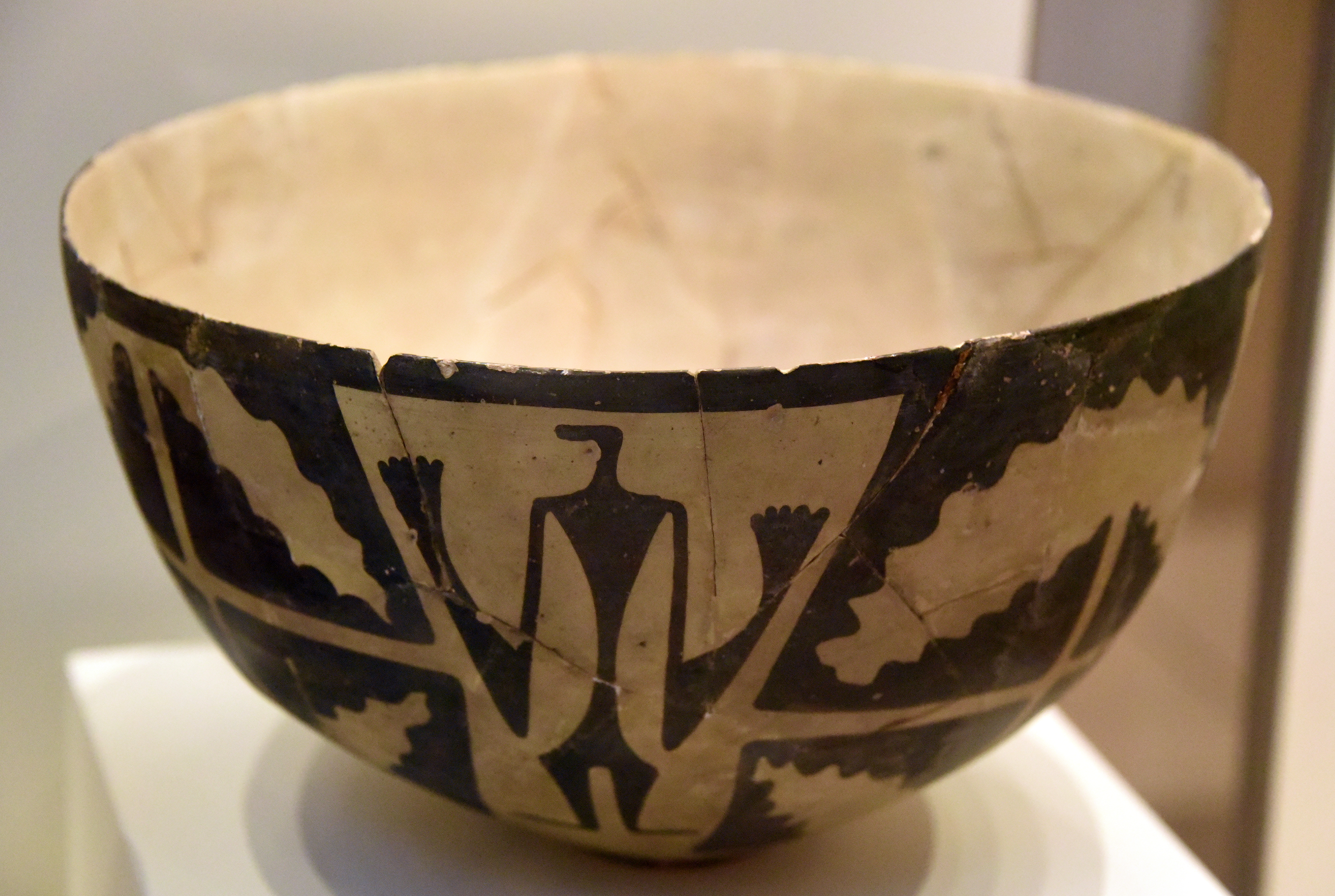
Tall-i Bakun
Prehistoric mounds with rich pottery culture
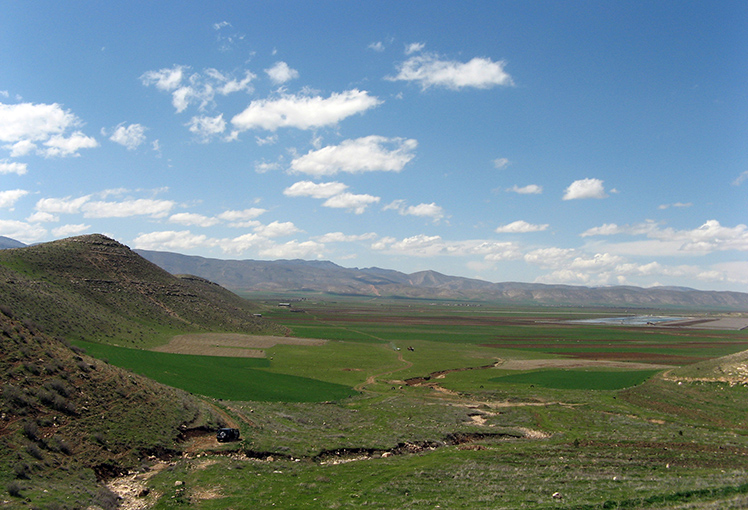
Wezmeh
Pleistocene cave site in western Iran
Chogha Golan
Aceramic Neolithic site with cultural deposits
Chogha Bonut
Oldest lowland village in southwestern Iran.
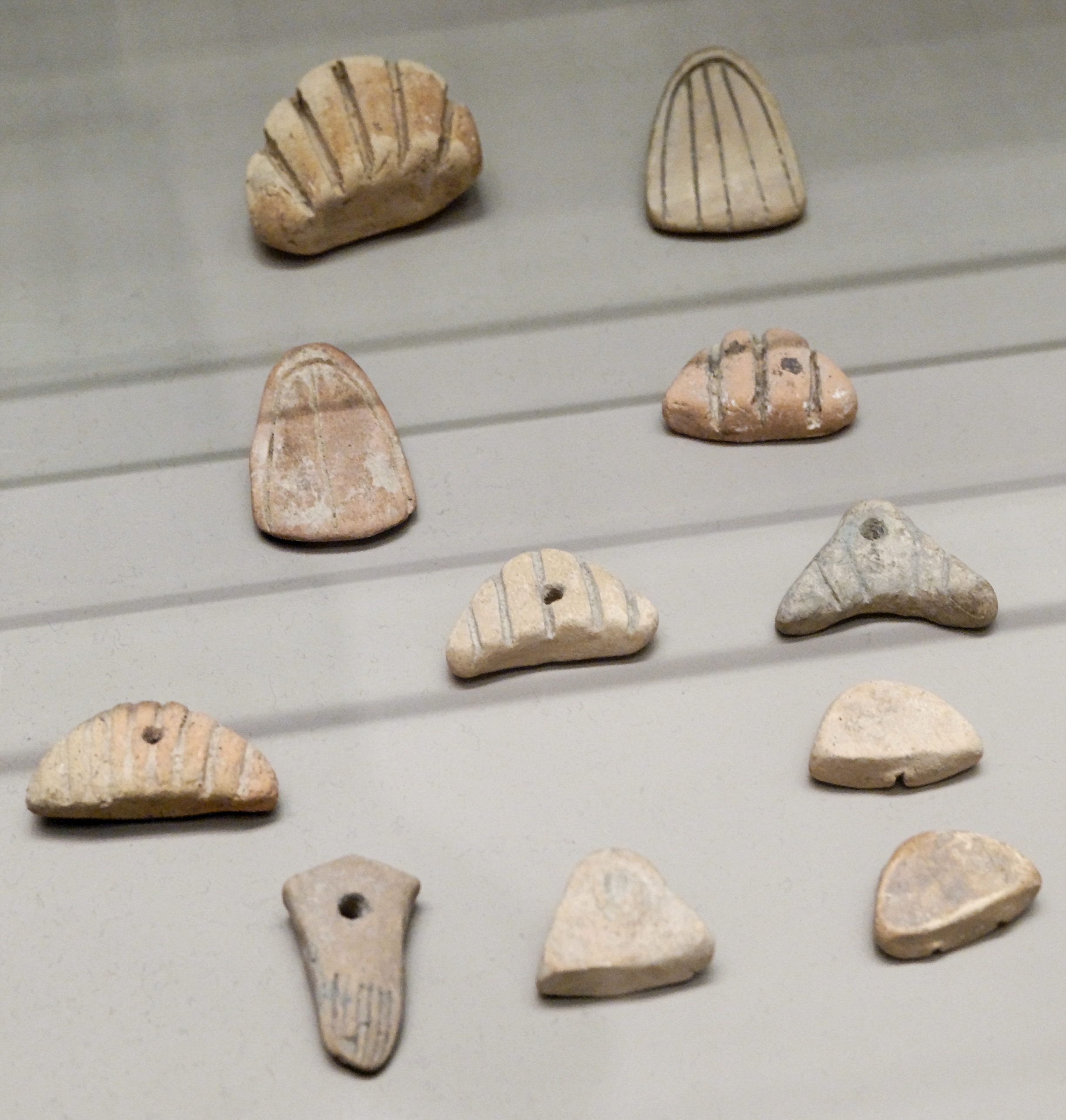
Tepe Sofalin
Ancient mound with Proto-Elamite artifacts