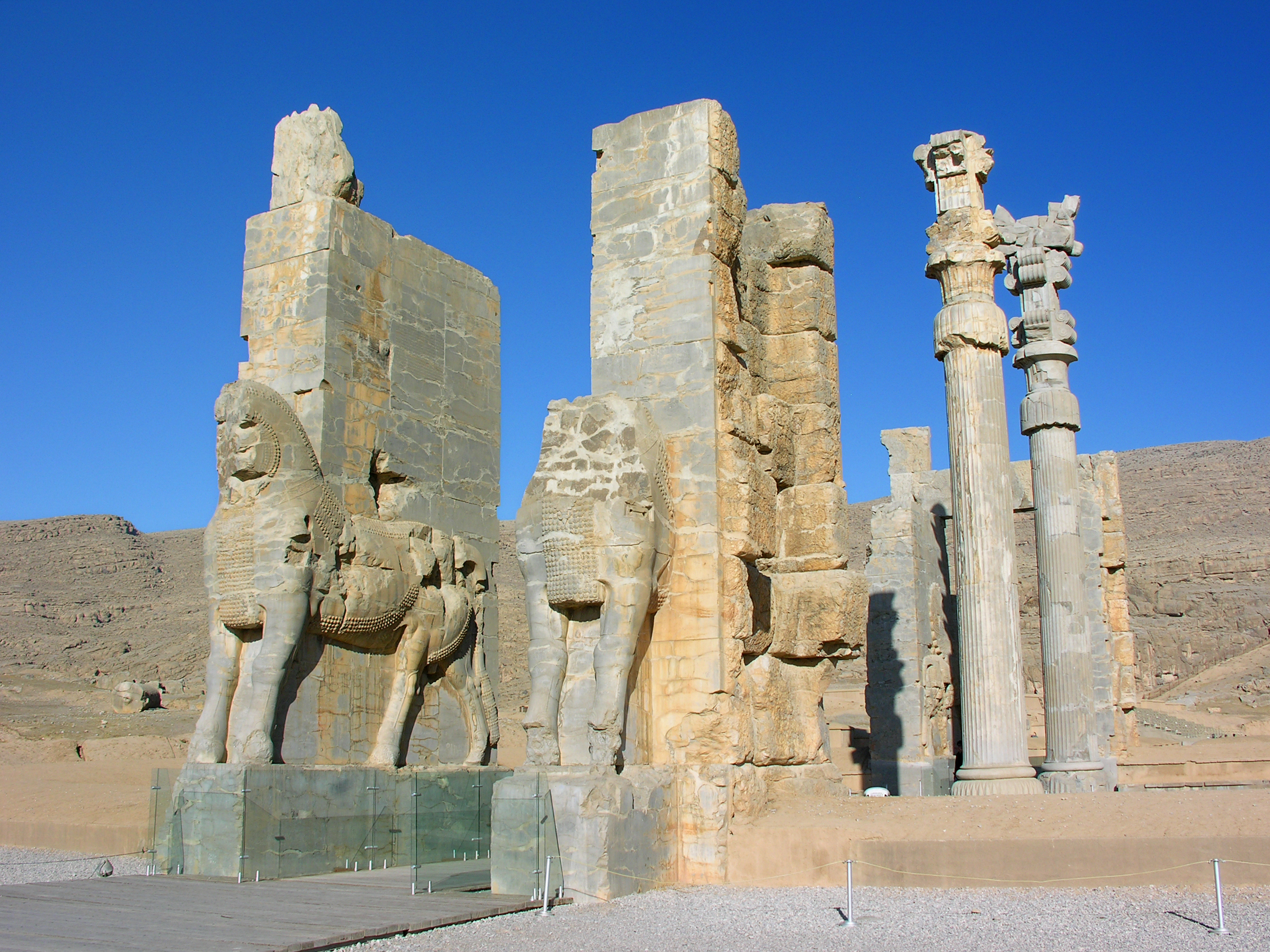
Explore the Map
Rahmatabad Mound
30.2033° N, 53.1790° E
About
The Rahmatabad Mound, also known as Rahmatabad Tepe, is a significant archaeological site located on the Marvdasht plain in Iran. This Chalcolithic-era settlement, dating back to the 5th millennium BCE, is marked by a long sequence of cultural deposits, revealing its historical importance. Archaeological excavations have uncovered a large number of ancient shards, kilns, and industrial sites that provide insights into the technological and economic activities of its inhabitants. The discovery of square-shaped tokens suggests that the region was engaged in economic and commercial exchanges with neighboring areas during the 4th millennium BCE. These findings contribute to understanding the social and economic dynamics of ancient Persian civilizations and their interactions with surrounding regions.
Gallery
Explore photographs of ancient structures, artifacts, and archaeological excavations
Historical Timeline
Journey through time and discover key events in this site's history
Industrial site development
5000 BCE
Economic and commercial activities
4000 BCE
Archaeological Features
Unique architectural and cultural elements found at this historical site
Miscellaneous Features
Industrial and Craft Structures
Domestic and Habitation Structures
Frequently Asked Questions
Plan Your Visit
Tours, travel arrangements, and practical information
More Sites in Iran
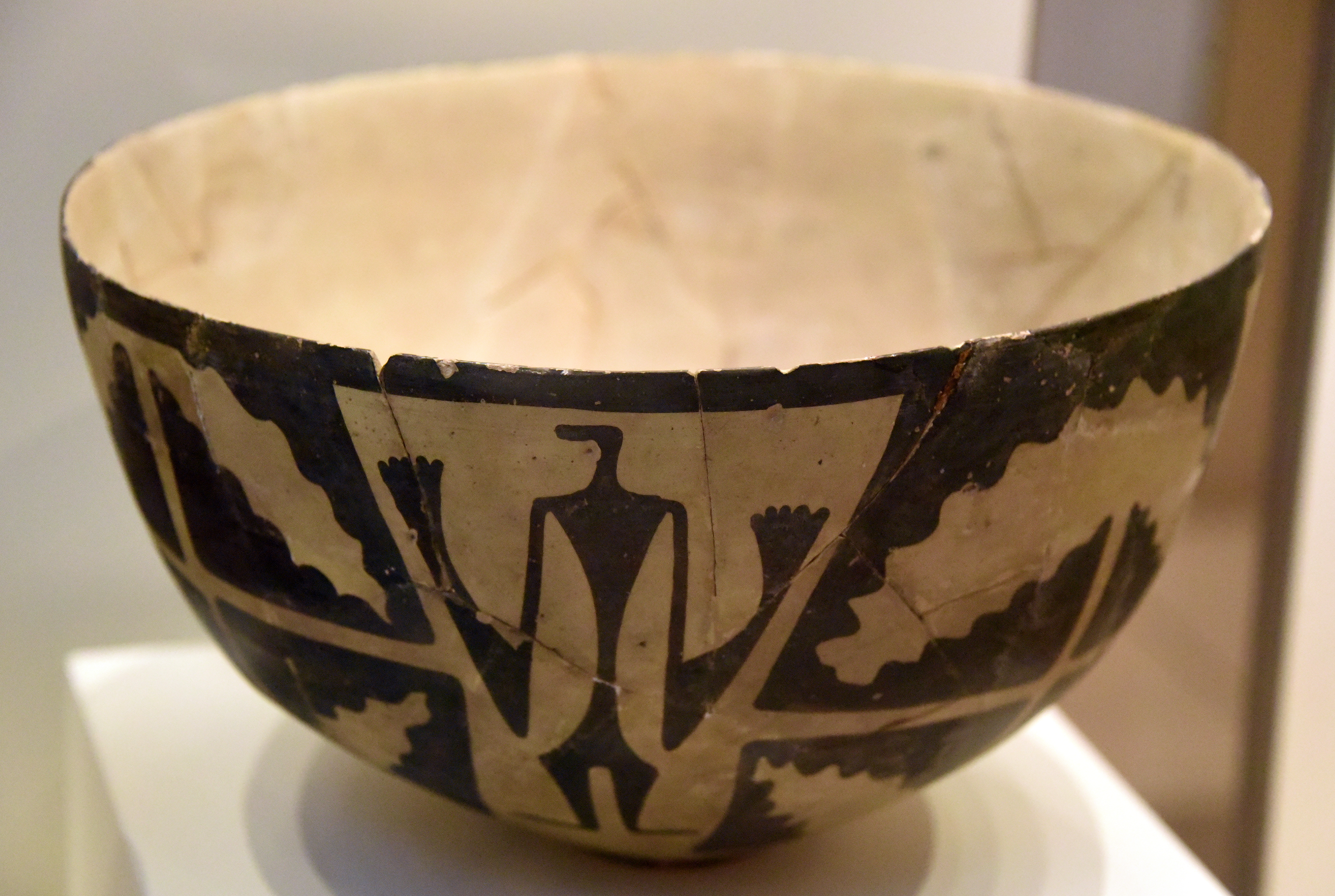
Tall-i Bakun
Prehistoric mounds with rich pottery culture
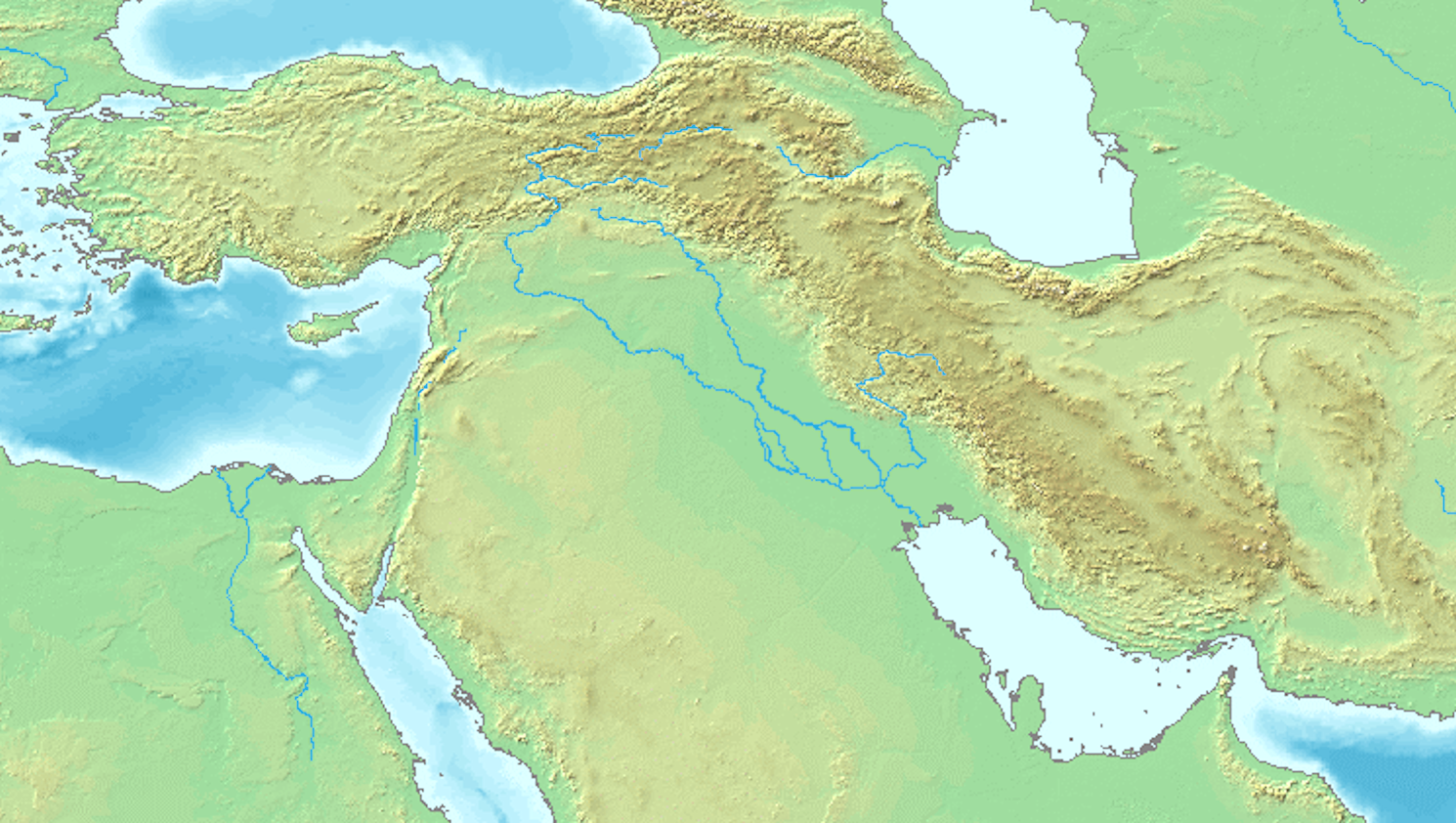
Teppe Zagheh
Early urban settlement with painted buildings.
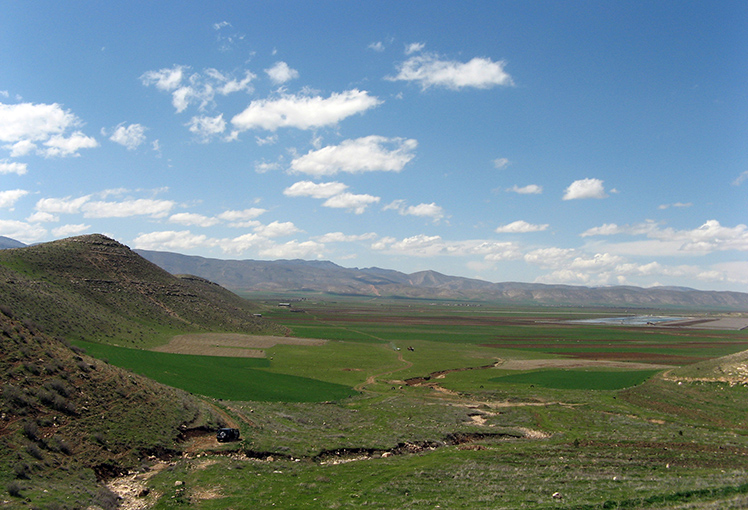
Wezmeh
Pleistocene cave site in western Iran
Tappeh Berdankan
Sasanian site with diverse pottery artifacts.
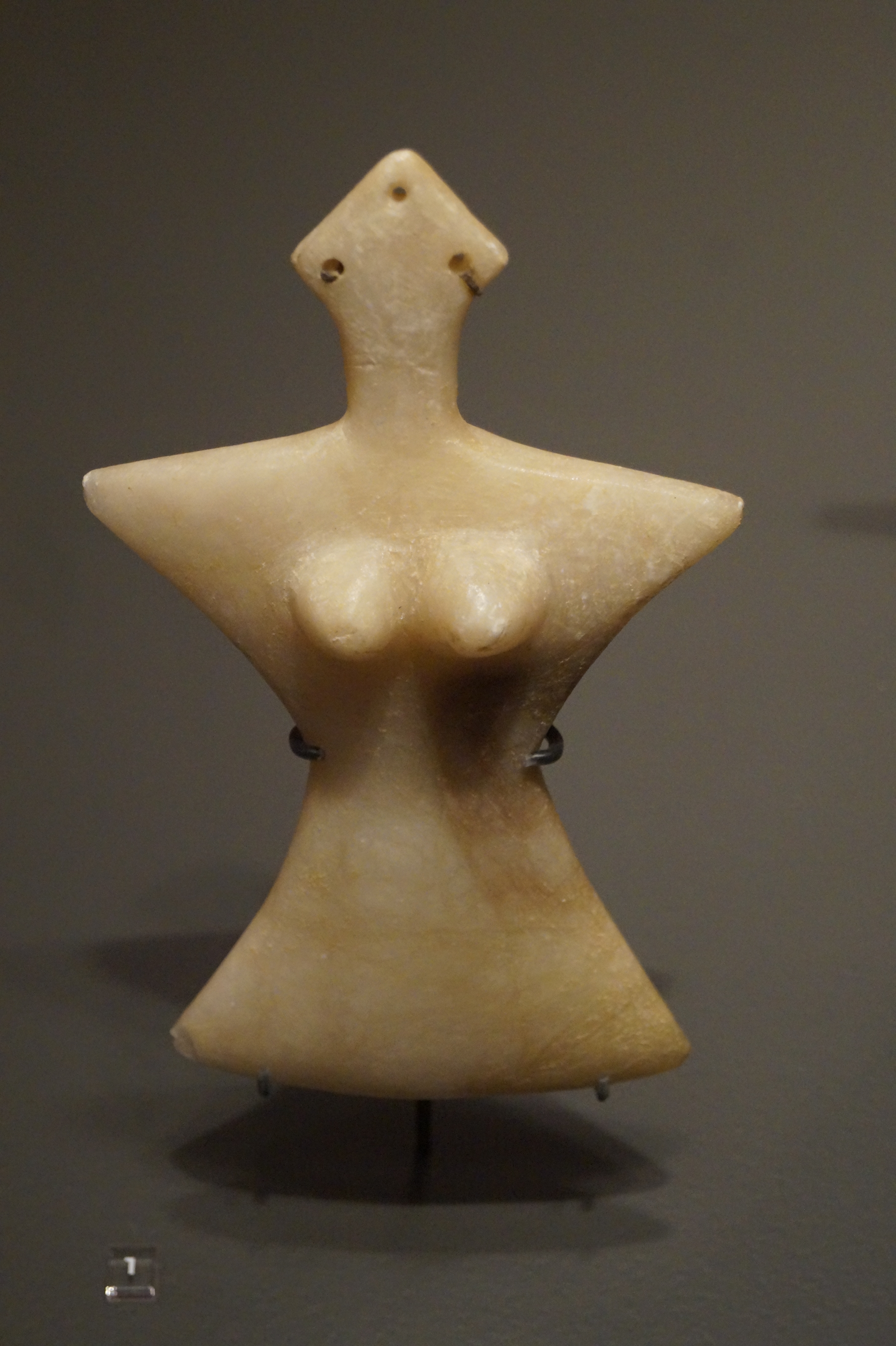
Tepe Hissar
Prehistoric site with rich cultural artifacts
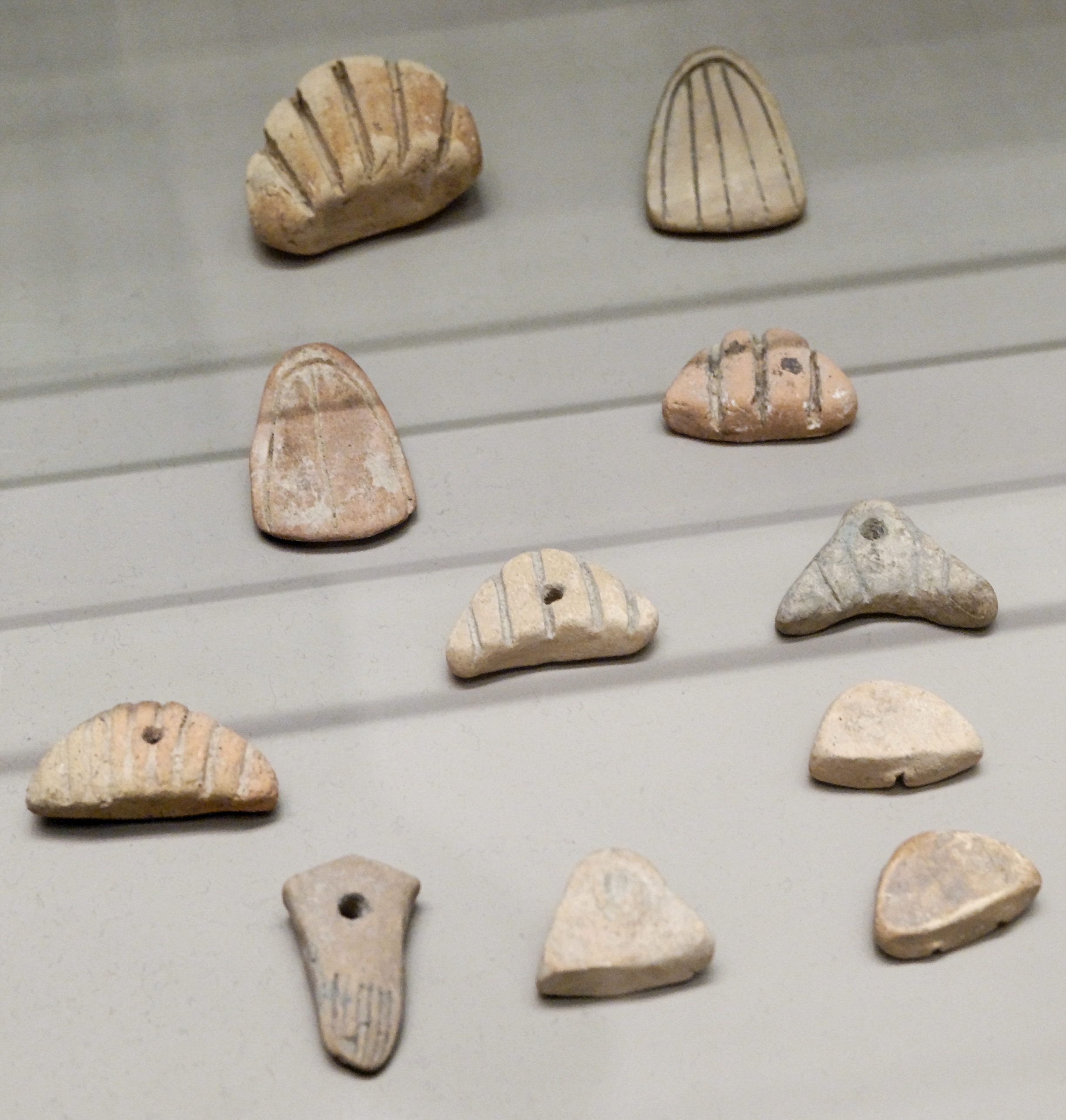
Tepe Sofalin
Ancient mound with Proto-Elamite artifacts