
Explore the Map
Tall-i Bakun
29.9133° N, 52.8867° E
About
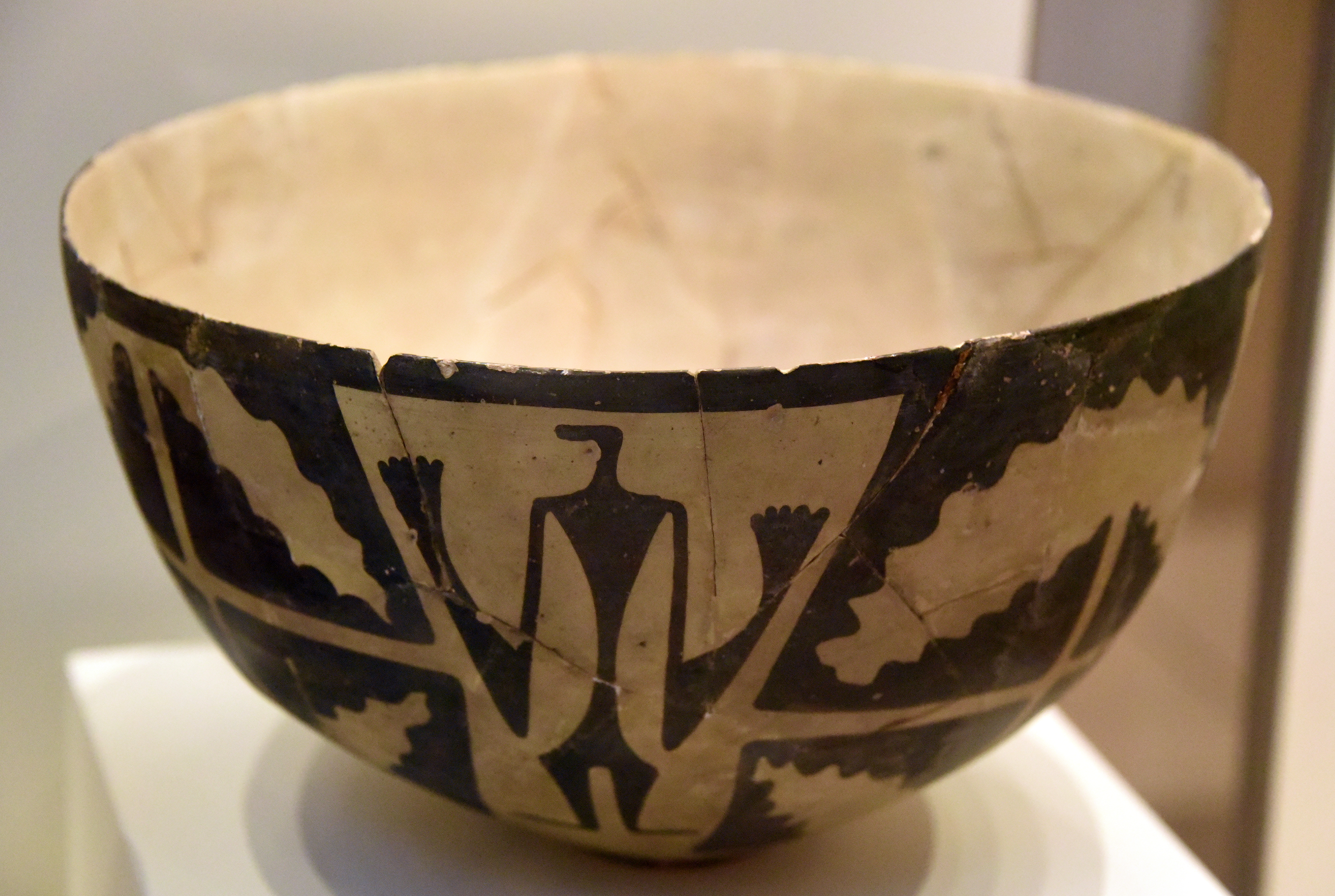
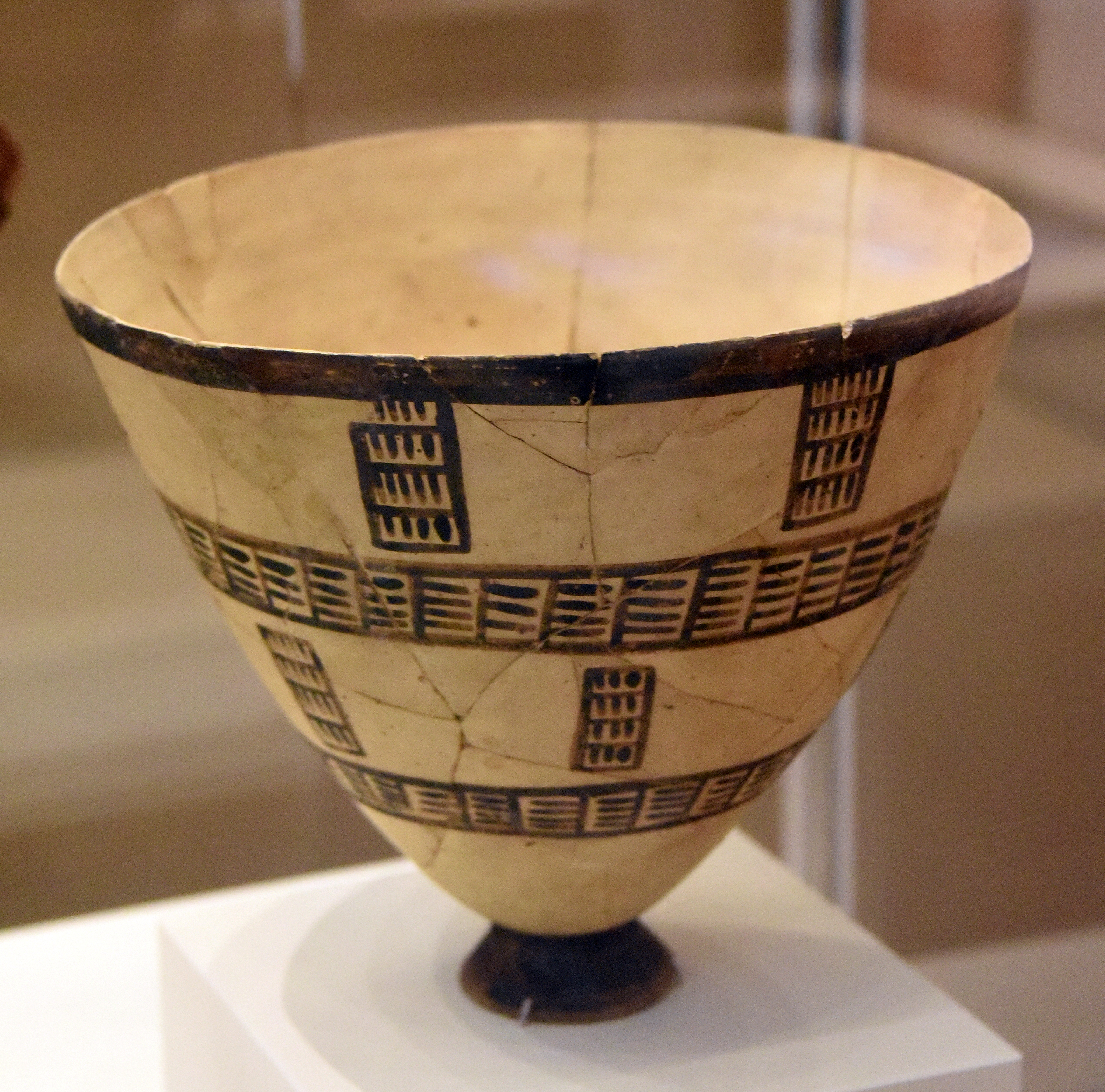
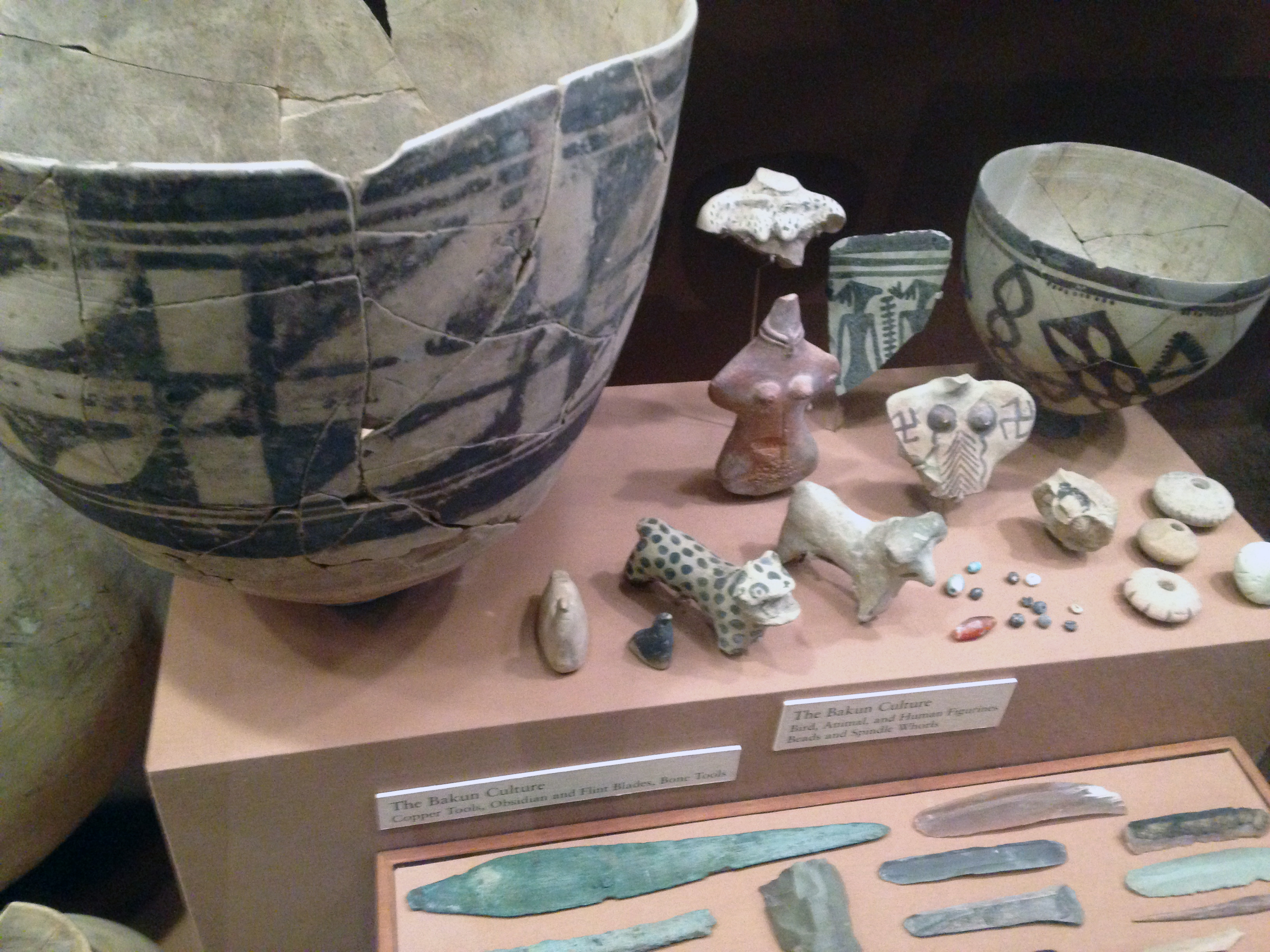
Tall-i Bakun, located in modern-day Fars Province, Iran, is a significant prehistoric archaeological site in the Ancient Near East. The site comprises two mounds, A and B, and was inhabited during the late Neolithic and Chalcolithic periods, specifically between 5500 BCE and 3500 BCE. Tall-i Bakun is renowned for its richly painted pottery, distinctive mural paintings, and the use of kilns, which indicate a sophisticated local industry. The presence of numerous fired clay sealings suggests an organized system of administration and trade. This prehistoric settlement exhibits spatial organization with closely built residential structures and no road systems, reflecting a unique socio-economic organization. The artifacts, including copper, pottery, and stone objects, highlight the site's cultural and economic connections with other regions. Tall-i Bakun offers valuable insights into early settlement patterns, craft specialization, and trade networks in ancient Iran.
Gallery
Explore photographs of ancient structures, artifacts, and archaeological excavations
Historical Timeline
Journey through time and discover key events in this site's history
Bakun Period Settlement
circa 5500 BCE
Tall-i Bakun Phase A
circa 4000-3500 BCE
Lapuid Period
circa 4100-3500 BCE
Archaeological Features
Unique architectural and cultural elements found at this historical site
Storage Structures
Industrial and Craft Structures
Artistic and Decorative Features
Domestic and Habitation Structures
Frequently Asked Questions
Plan Your Visit
Tours, travel arrangements, and practical information
More Sites in Iran
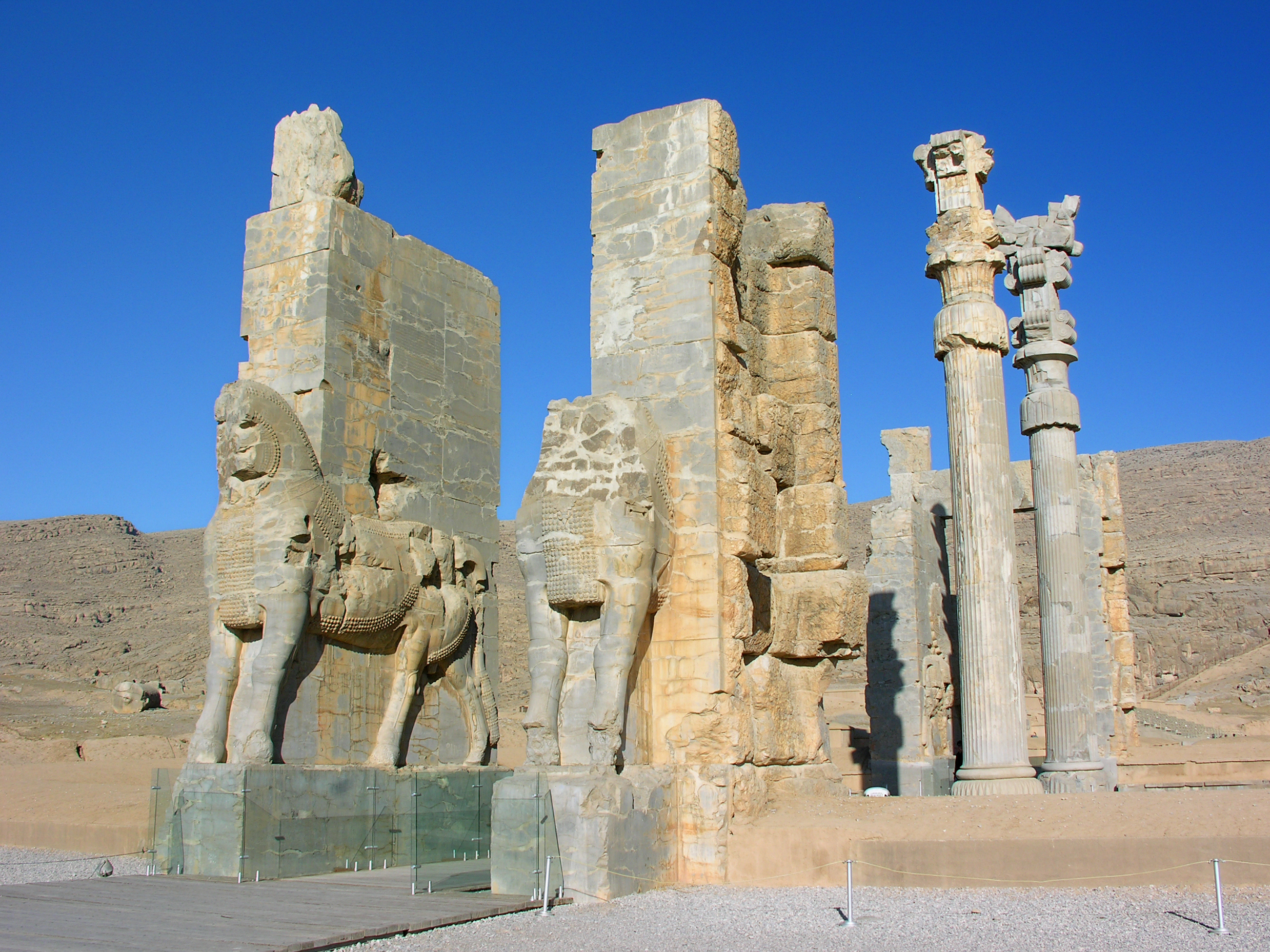
Teppe Zagheh
Early urban settlement with painted buildings.
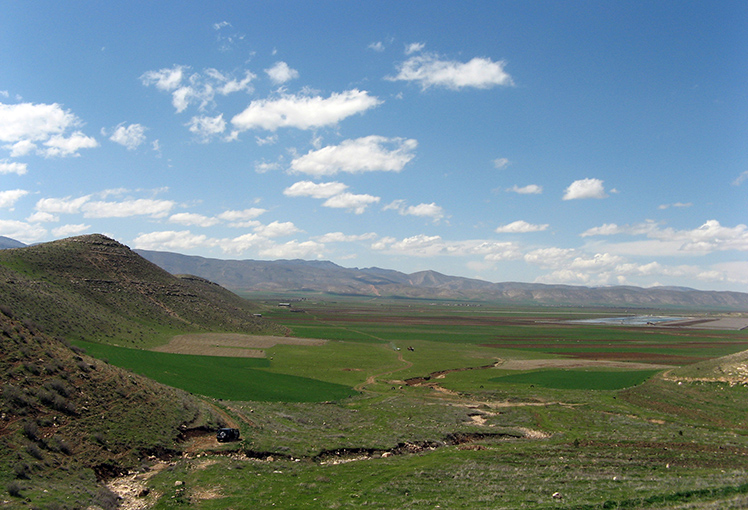
Rahmatabad Mound
Ancient Chalcolithic settlement with industrial features
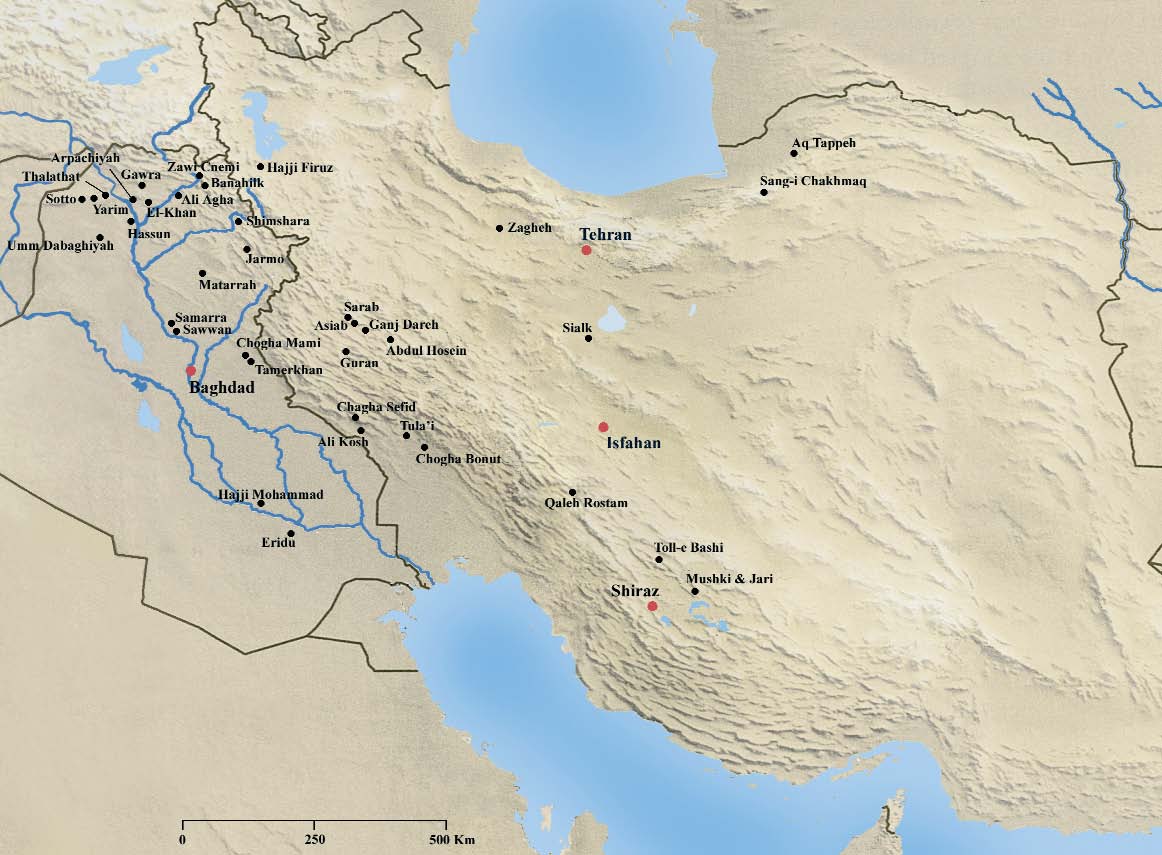
Wezmeh
Pleistocene cave site in western Iran
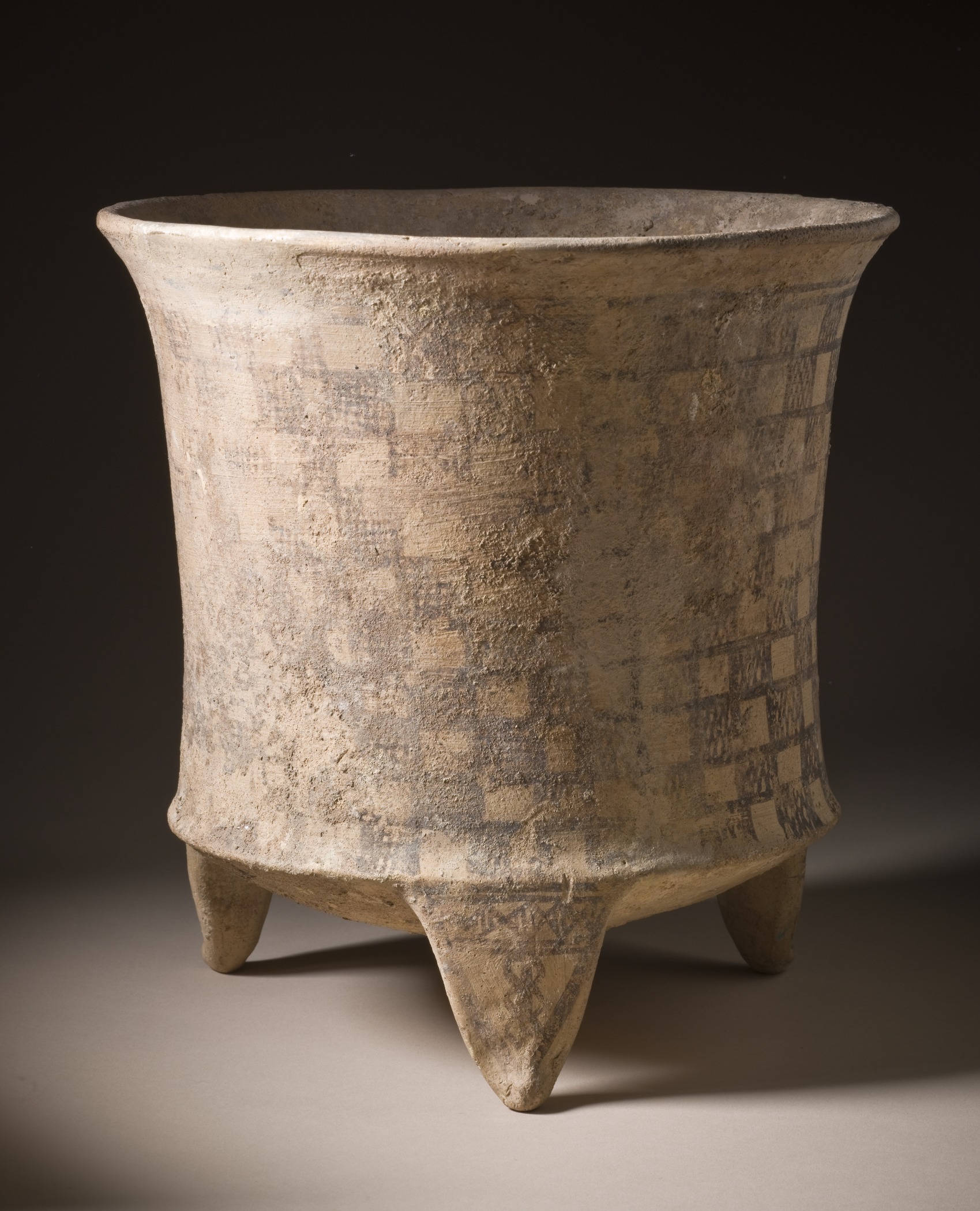
Chia Jani
Neolithic site with obsidian bladelets.
Tepe Giyan
Necropolis with distinctive pottery in Iran.
Chogha Bonut
Oldest lowland village in southwestern Iran.