Explore the Map
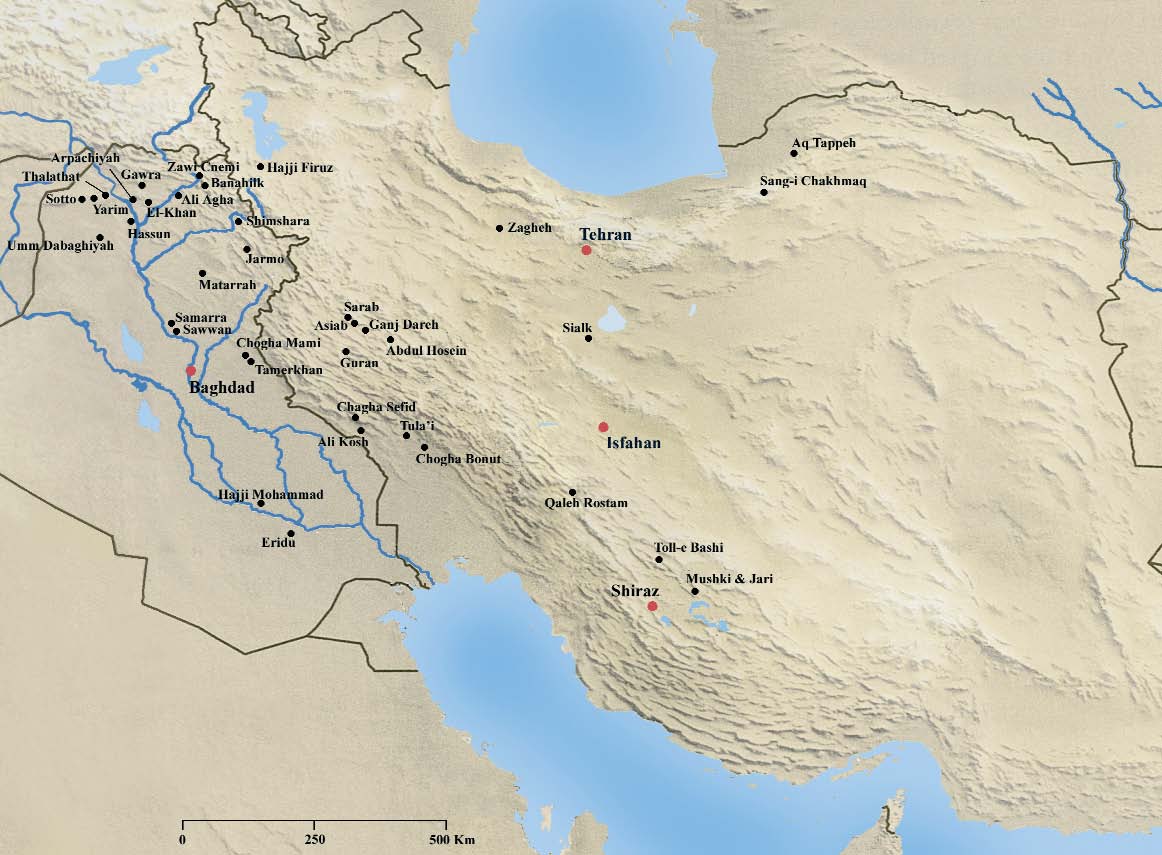
Chogha Bonut
32.2220° N, 48.5050° E
About
Chogha Bonut is an archaeological site in southwestern Iran, notable for being the oldest known lowland village in the region, dating back to 7200 BCE. Located in Khuzistan Province, near Dezful and Chogha Mish, this site offers invaluable insights into early Elam civilization and the preceramic period of Iran. The site covers an area approximately 50 meters in diameter and 5 meters in height. Despite being accidentally discovered during agribusiness developments in 1976, it has been subjected to archaeological investigations, initially by Helene Kantor and later by Abbas Alizadeh. The site is significant for preserving evidence of early village life, including clay tokens indicative of early economic activities. Its archaeological importance is underscored by its rarity as a Neolithic site excavated since the Iranian Revolution.
Historical Timeline
Journey through time and discover key events in this site's history
Settlement of Chogha Bonut
7200 BCE
Archaeological Features
Unique architectural and cultural elements found at this historical site
Domestic and Habitation Structures
Frequently Asked Questions
Plan Your Visit
Tours, travel arrangements, and practical information
More Sites in Iran
Wezmeh
Pleistocene cave site in western Iran
Chia Jani
Neolithic site with obsidian bladelets.
Rahmatabad Mound
Ancient Chalcolithic settlement with industrial features
Chogha Golan
Aceramic Neolithic site with cultural deposits
Tall-i Bakun
Prehistoric mounds with rich pottery culture
Teppe Zagheh
Early urban settlement with painted buildings.