Explore the Map
Tepe Yahya
28.3308° N, 56.8675° E
About
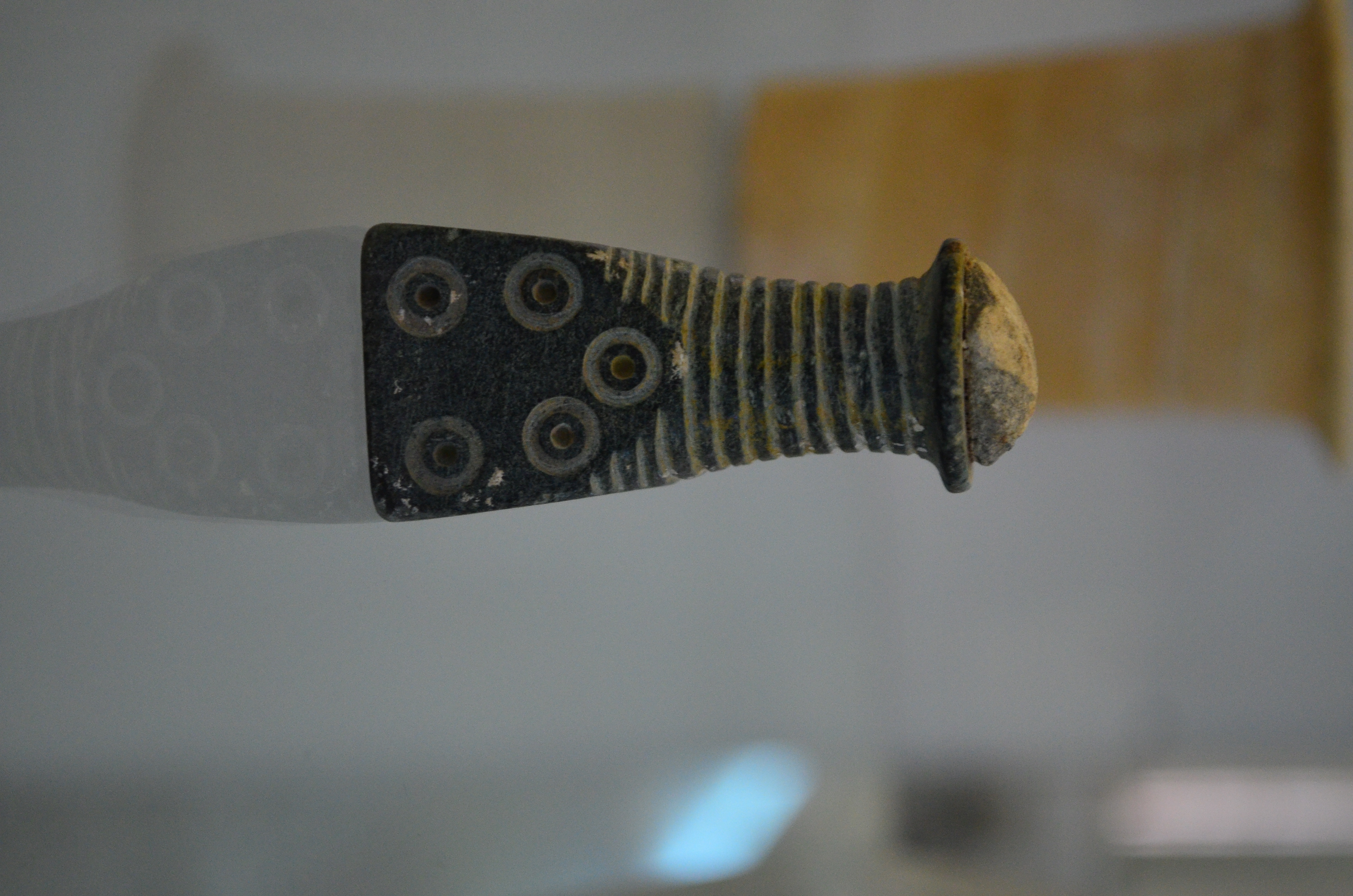
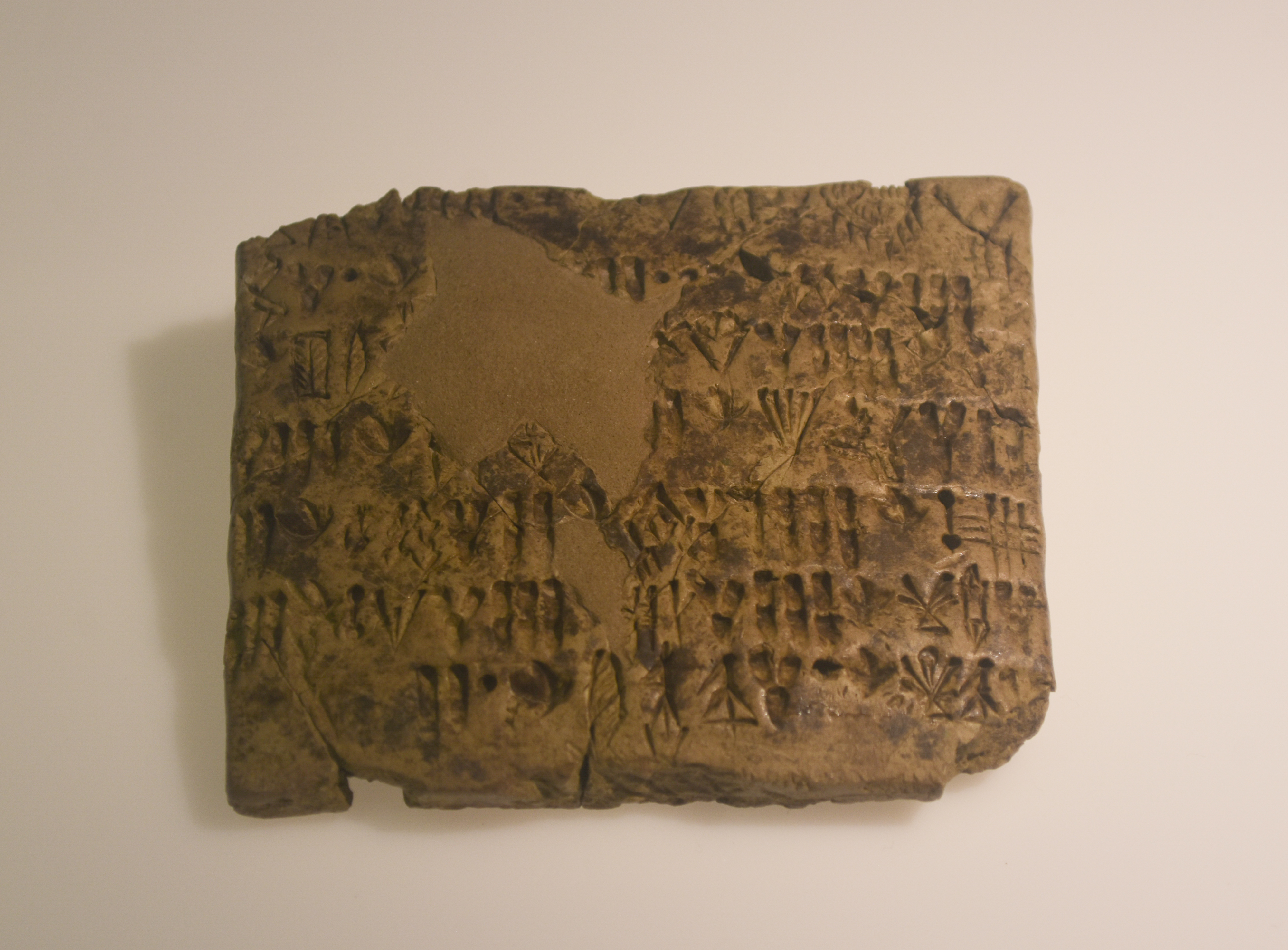
Tepe Yahya, located in Kermān Province, Iran, is a prominent archaeological site showcasing a diverse span of cultural occupations from the 6th millennium BCE to the 4th century BCE. The site features an impressive circular mound with a height of 20 meters and a diameter of 187 meters. Notably, it marks the easternmost reach of the Proto-Elamite culture, evident by a large monumental building constructed in the late 4th millennium BCE. The site was a key production center for chlorite stone ware during the middle of the 2nd millennium BCE, with artifacts distributed widely across ancient Mesopotamia and beyond. The Iron Age brought new developments in the form of platforms from the Achaemenid period. Excavations reveal a rich history of local craftsmanship, including nearly a thousand steatite pieces and early writing practices with Proto-Elamite tablets.
Gallery
Explore photographs of ancient structures, artifacts, and archaeological excavations
Historical Timeline
Journey through time and discover key events in this site's history
Neolithic green soapstone figurine
6000 BCE
Proto-Elamite monumental building
3300 BCE
Chlorite stone ware production center
1500 BCE
Iron Age Achaemenid platforms
400 BCE
Archaeological Features
Unique architectural and cultural elements found at this historical site
Miscellaneous Features
Industrial and Craft Structures
Artistic and Decorative Features
Frequently Asked Questions
Plan Your Visit
Tours, travel arrangements, and practical information
More Sites in Iran
Tepe Giyan
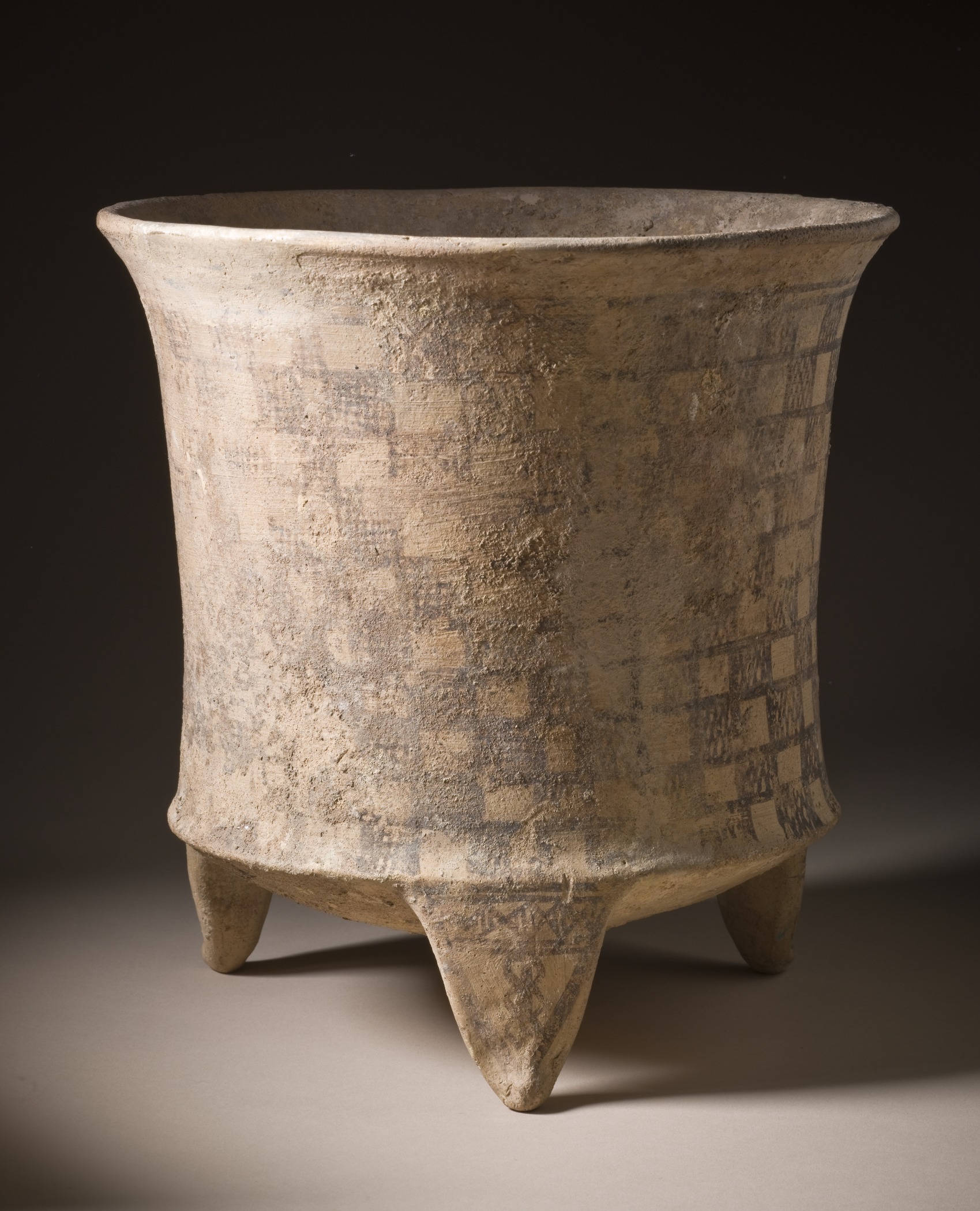
Necropolis with distinctive pottery in Iran.
Tepe Sofalin
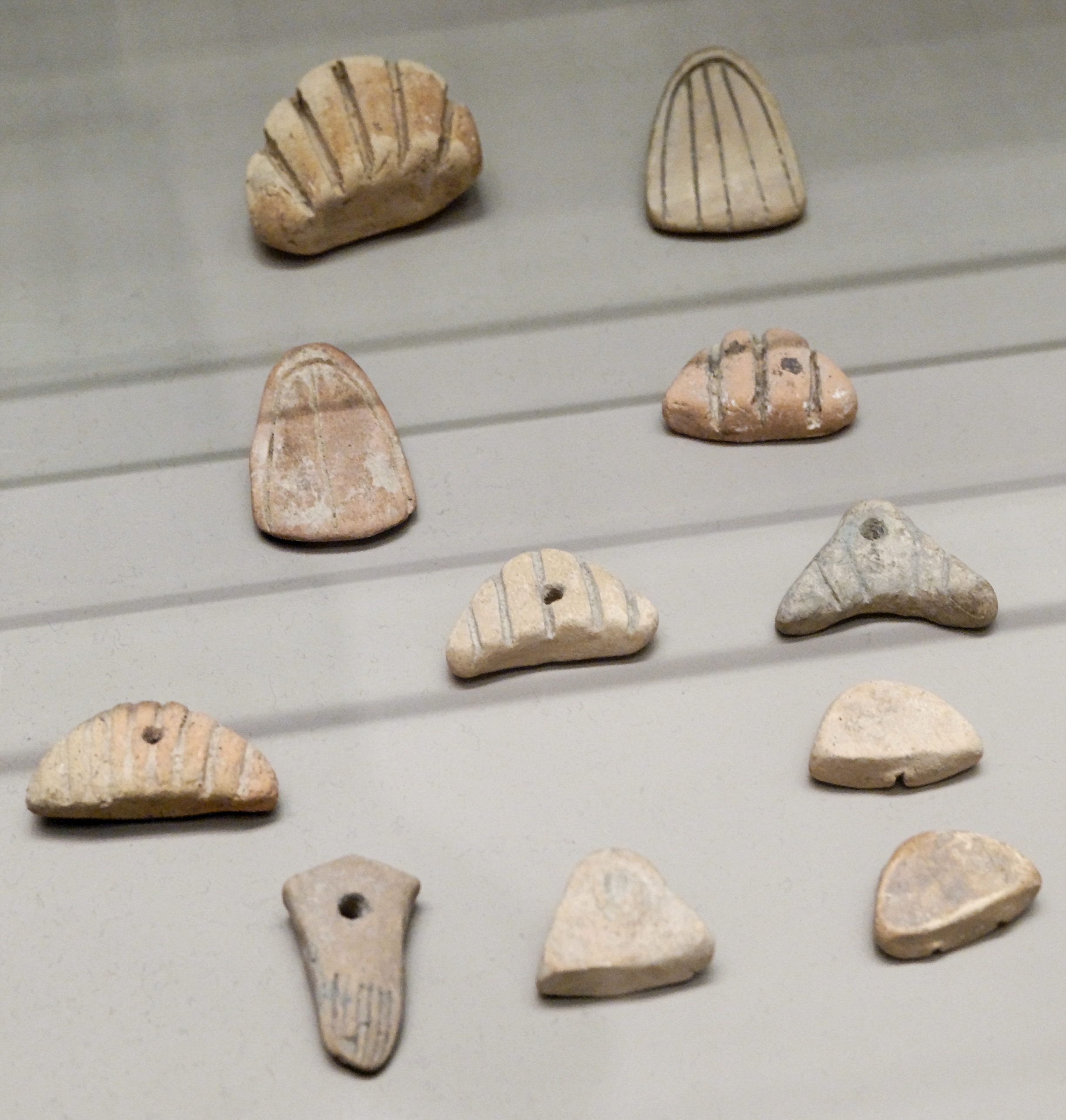
Ancient mound with Proto-Elamite artifacts
Tappeh Berdankan
Sasanian site with diverse pottery artifacts.
Teppe Zagheh
Early urban settlement with painted buildings.
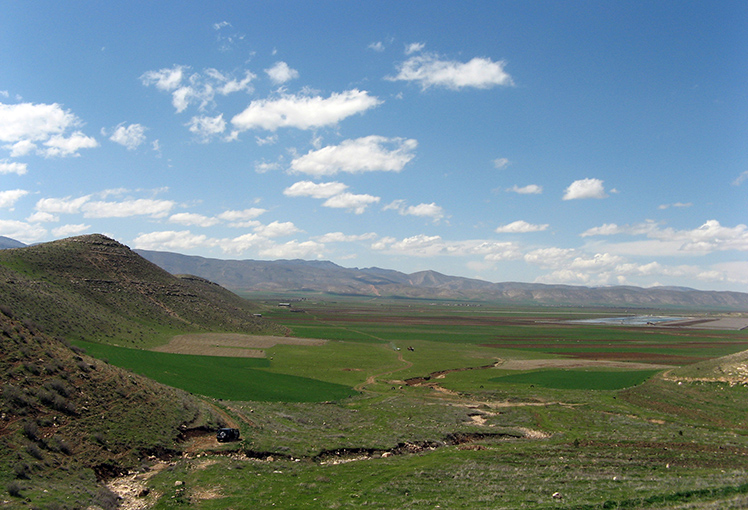
Wezmeh
Pleistocene cave site in western Iran
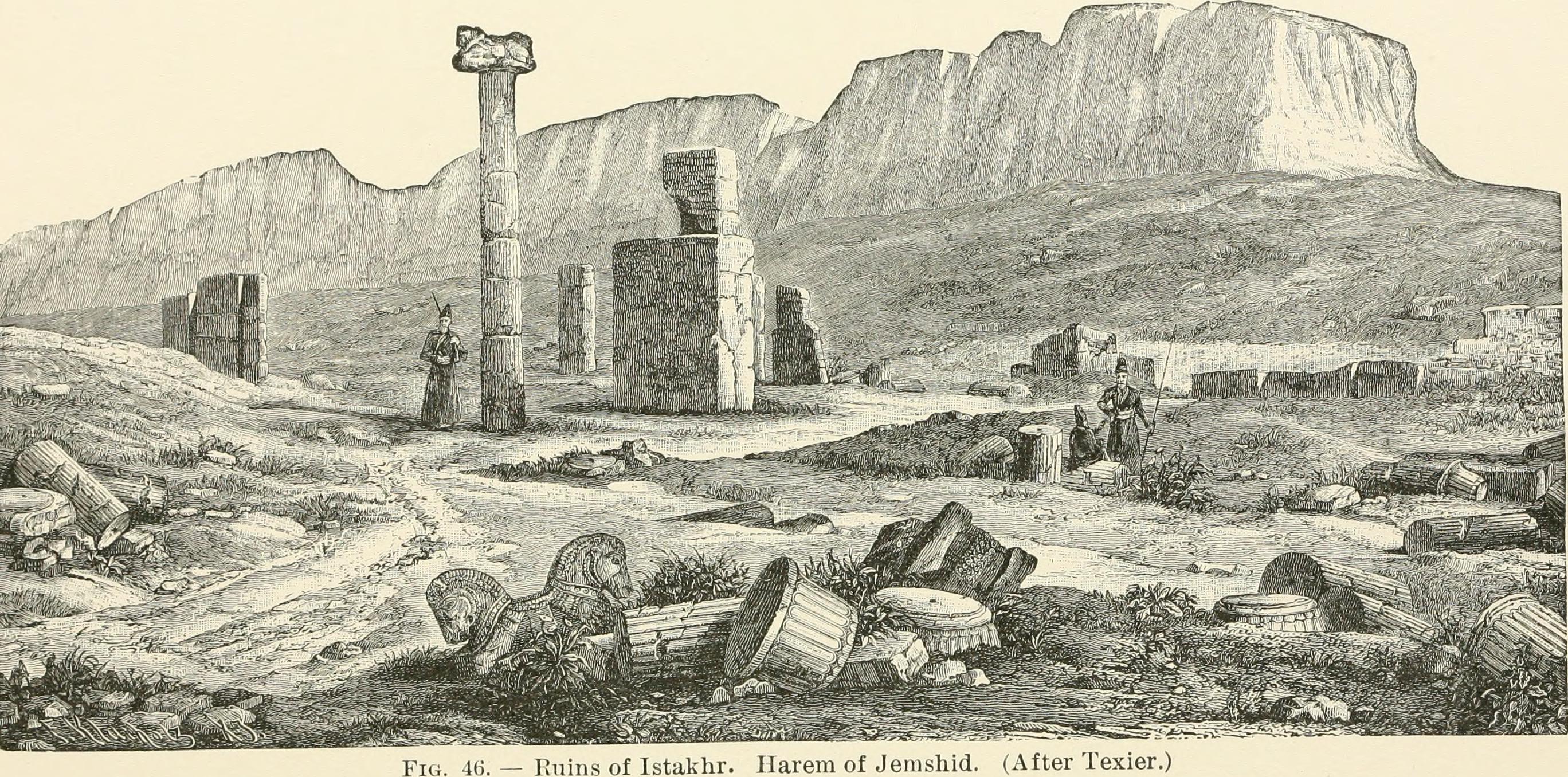
Istakhr
Ancient city with religious and defensive structures.