Explore the Map
Chogha Golan
33.3774° N, 46.2711° E
About
Chogha Golan is an important aceramic Neolithic archaeological site located in the foothills of the Zagros Mountains in Iran. This site, which dates back to around 9800 BCE, is notable for its extensive cultural deposits, including red-painted plaster floors and mudbrick walls. The site features a stratified tell comprising 11 archaeological horizons, revealing a transition from a reliance on wild barley to the early domestication of emmer wheat around 7800 BCE. The site provides crucial insights into early plant management practices, as evidenced by the discovery of over 100,000 charred botanical items, including species from the Poaceae and Fabaceae families. Additionally, human figurines and a rich faunal assemblage further highlight the site's significance in understanding Neolithic life and subsistence strategies in the region.
Historical Timeline
Journey through time and discover key events in this site's history
Wild barley prevalence
9800 BCE
Domesticated emmer wheat appearance
7800 BCE
Archaeological Features
Unique architectural and cultural elements found at this historical site
Artistic and Decorative Features
Domestic and Habitation Structures
Environmental and Natural Features
Frequently Asked Questions
Plan Your Visit
Tours, travel arrangements, and practical information
More Sites in Iran
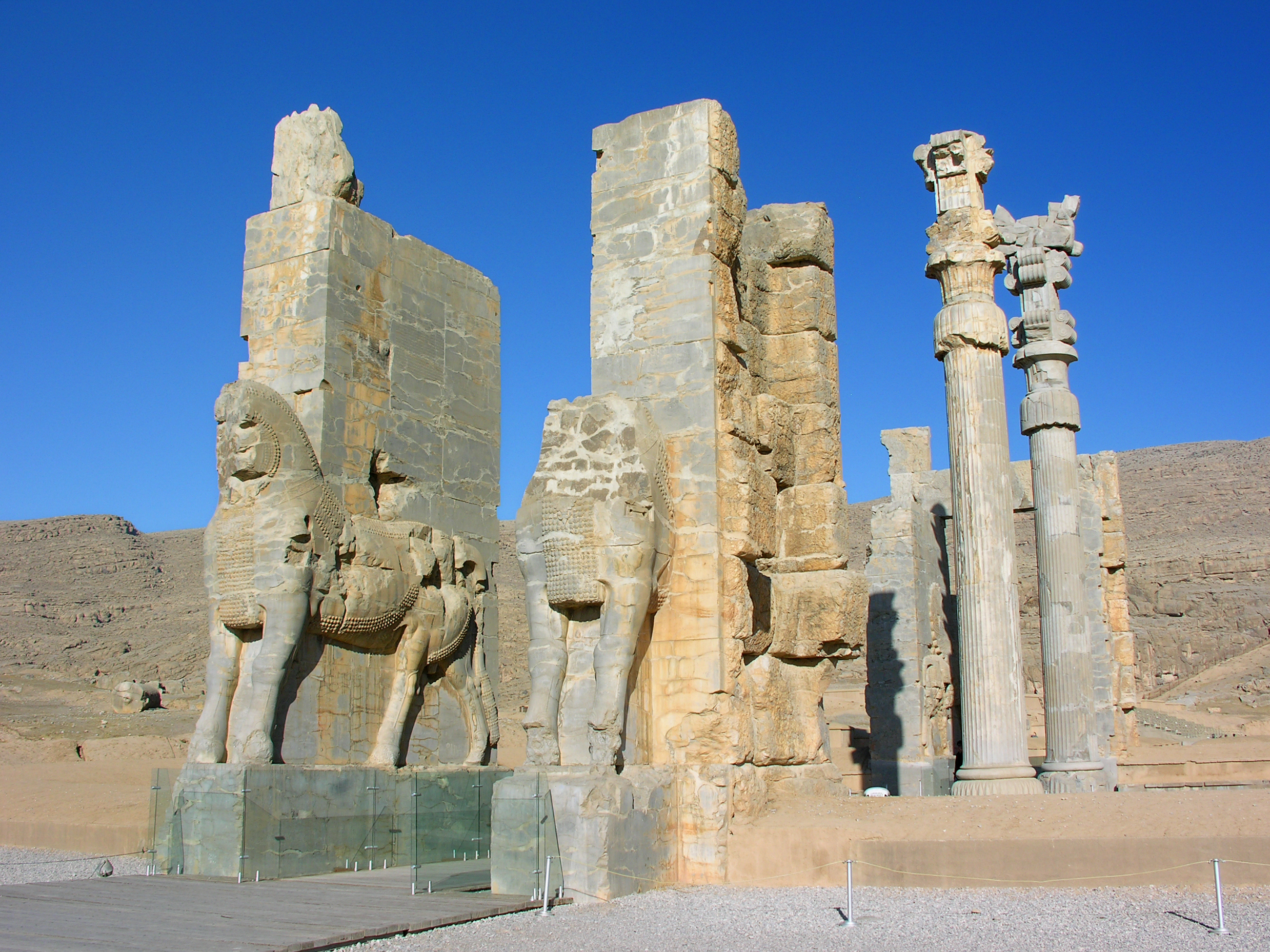
Teppe Zagheh
Early urban settlement with painted buildings.
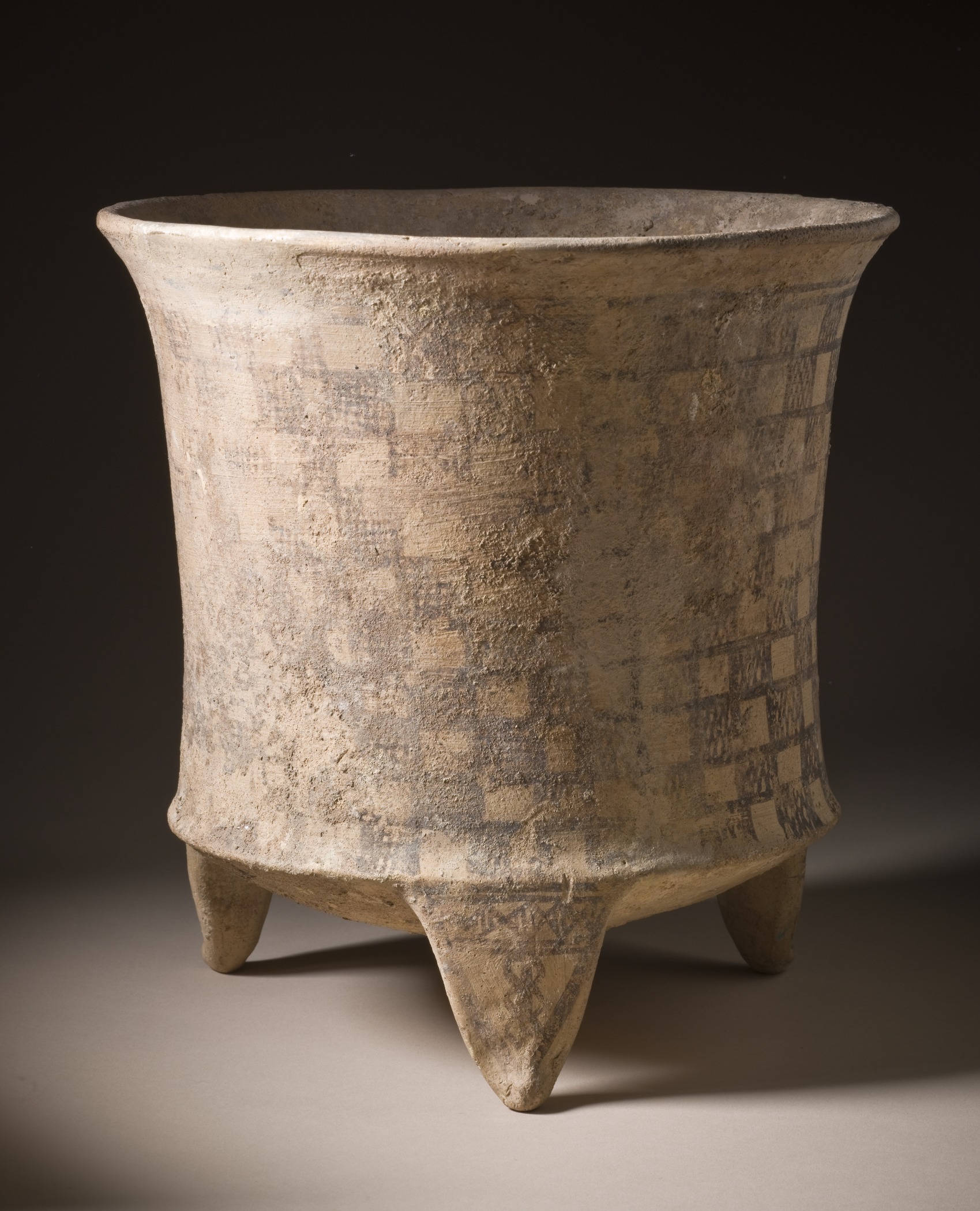
Tepe Giyan
Necropolis with distinctive pottery in Iran.
Rahmatabad Mound
Ancient Chalcolithic settlement with industrial features
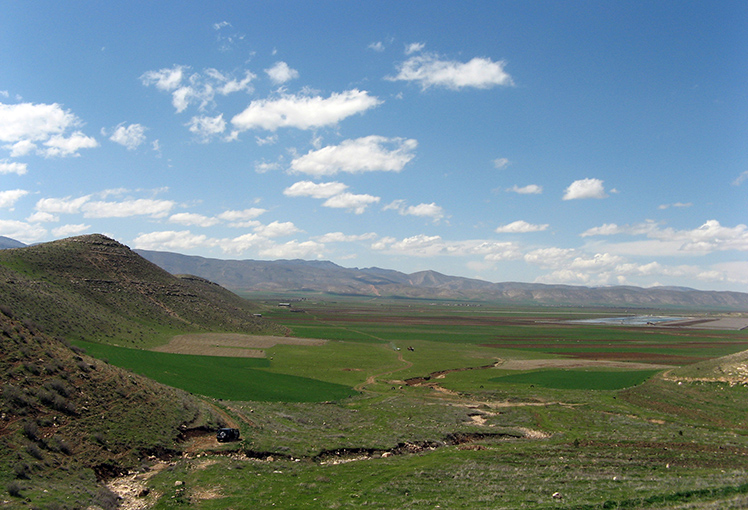
Wezmeh
Pleistocene cave site in western Iran
Chogha Bonut
Oldest lowland village in southwestern Iran.
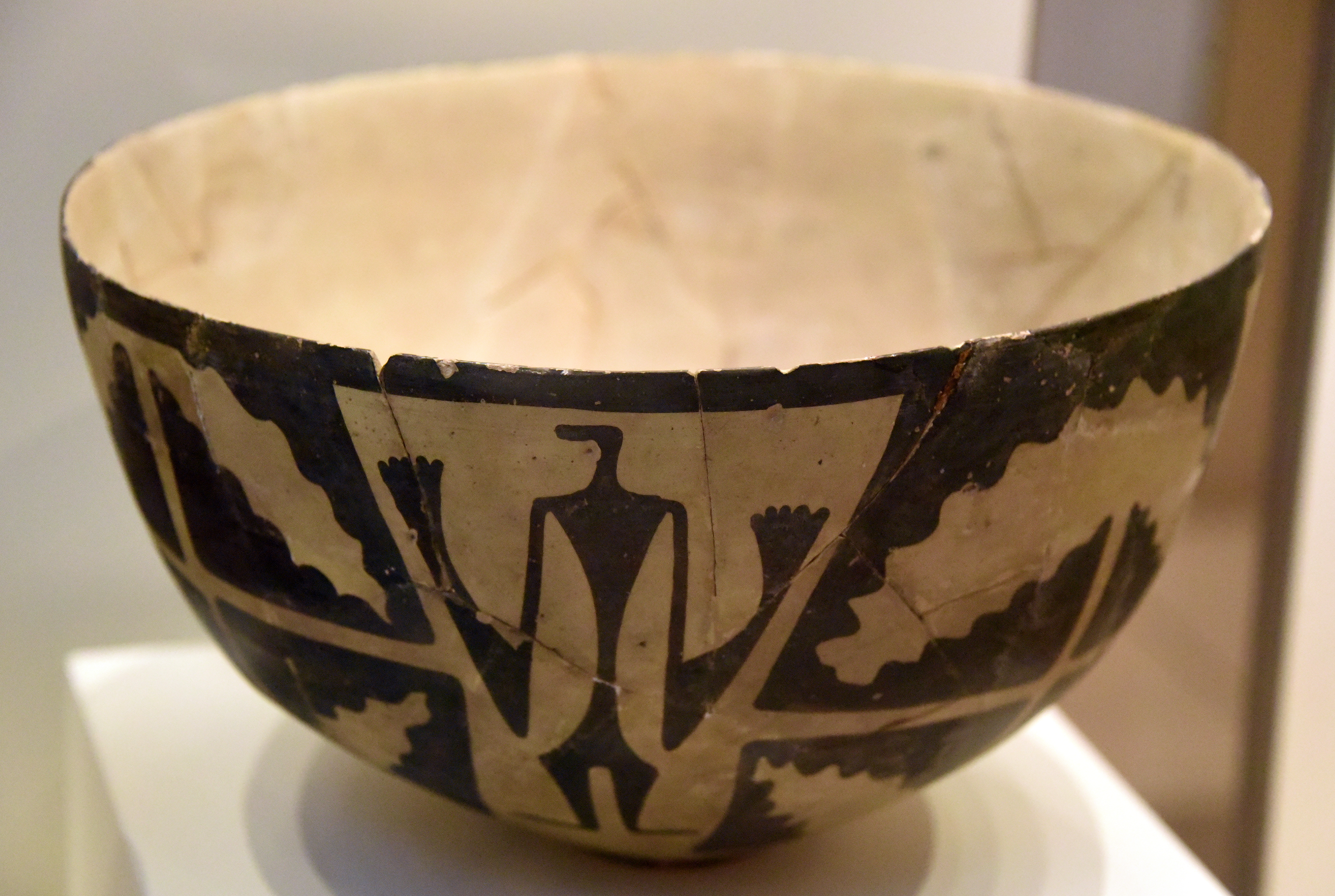
Tall-i Bakun
Prehistoric mounds with rich pottery culture