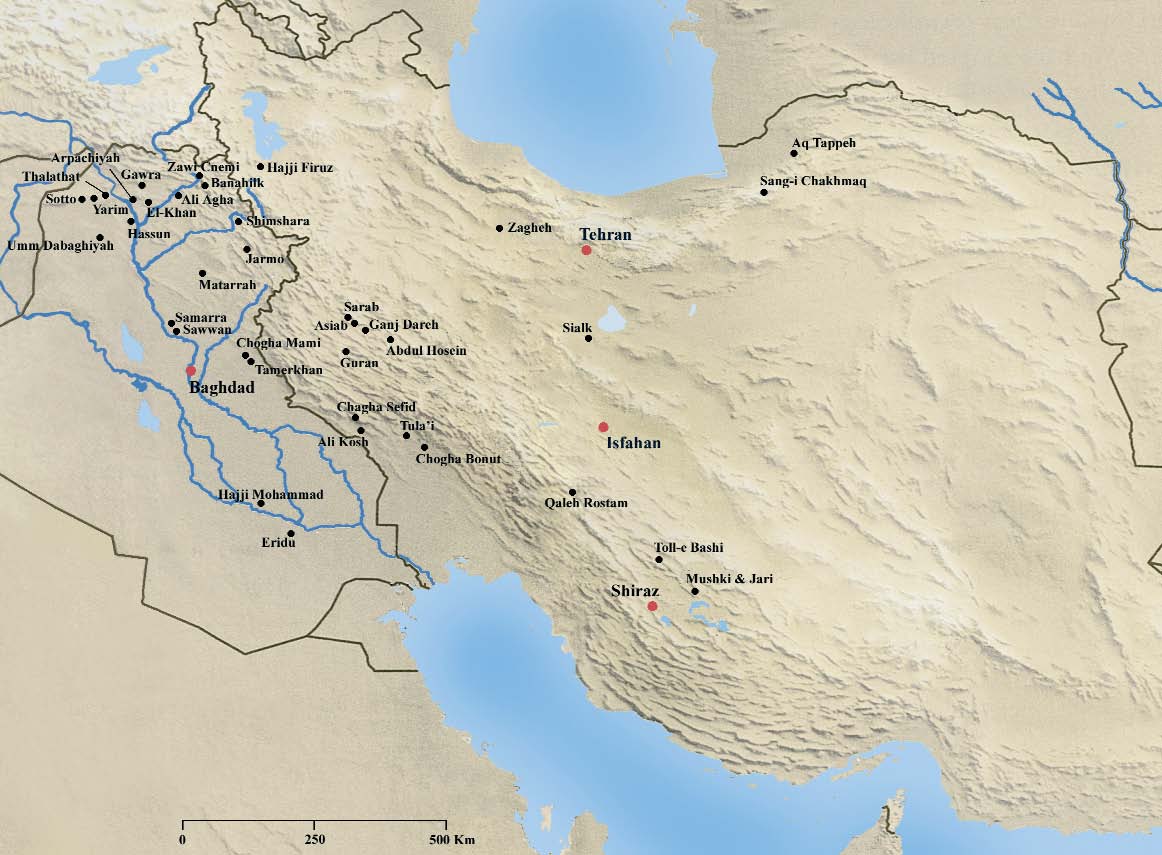
Explore the Map
Geoy Tepe
37.5180° N, 45.1450° E
About
Geoy Tepe, situated approximately 7 kilometers south of Urmia in northwestern Iran, is a significant archaeological site characterized by its 24-meter tall mound, a testament to its long history of human occupation. First identified in the 1930s during an aerial survey led by Erich Schmidt, this site has been excavated extensively, notably by T. Burton Brown in 1948. Geoy Tepe was continuously inhabited from the 4th millennium BCE until 1200 BCE, making it an important location for understanding the early development of human settlements in the region. The site is particularly notable for yielding evidence of the Kura-Araxes culture, one of the earliest known cultures in this part of the world. Its proximity to a natural spring likely contributed to its long-term occupation, offering insights into the adaptive strategies of ancient communities.
Gallery
Explore photographs of ancient structures, artifacts, and archaeological excavations
Historical Timeline
Journey through time and discover key events in this site's history
Continuous occupation
4000 BCE - 1200 BCE
Kura-Araxes culture emergence
4000 BCE - 3000 BCE
Archaeological Features
Unique architectural and cultural elements found at this historical site
Environmental and Natural Features
Frequently Asked Questions
Plan Your Visit
Tours, travel arrangements, and practical information
More Sites in Iran
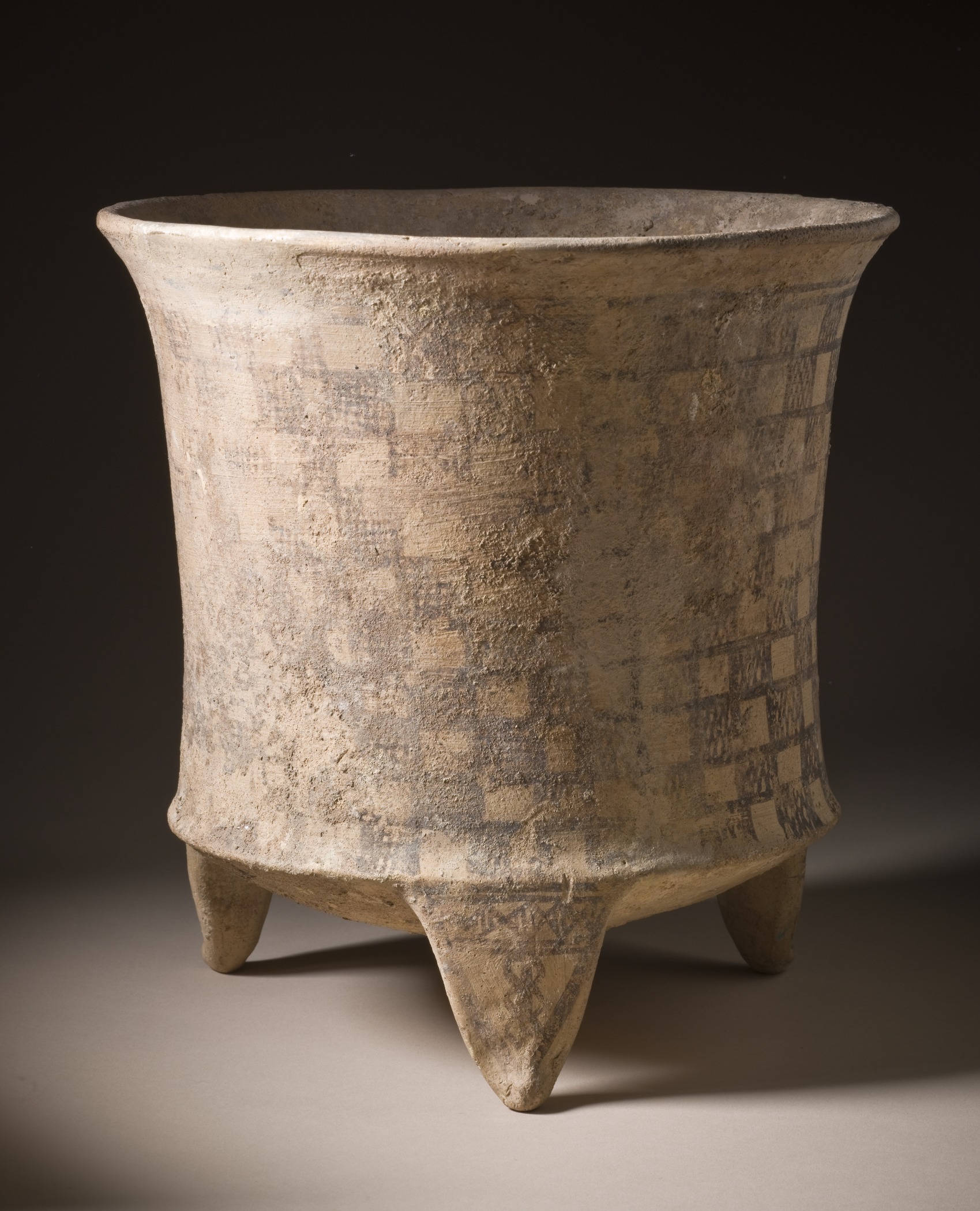
Tepe Giyan
Necropolis with distinctive pottery in Iran.
Chogha Bonut
Oldest lowland village in southwestern Iran.
Chia Jani
Neolithic site with obsidian bladelets.
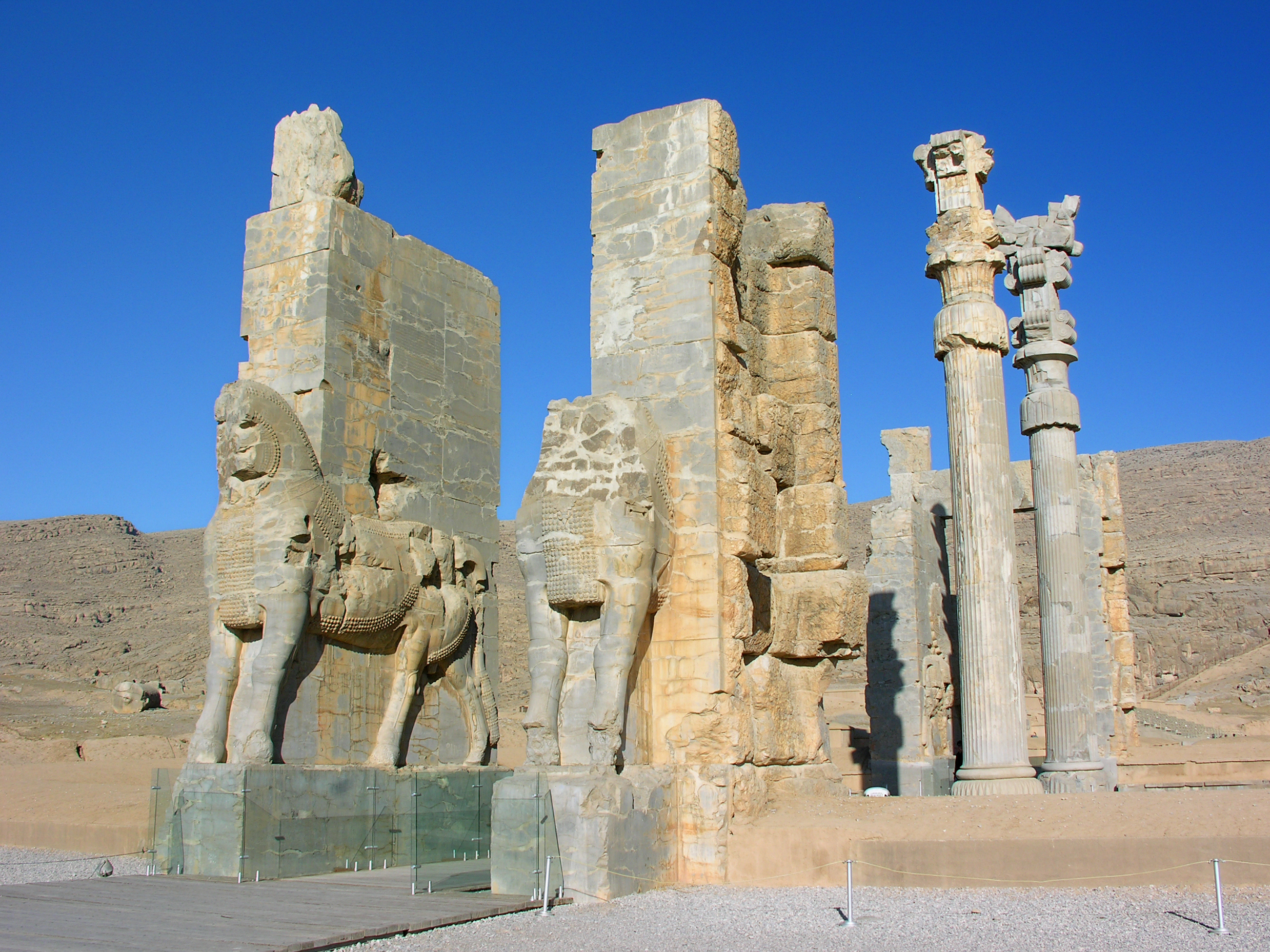
Rahmatabad Mound
Ancient Chalcolithic settlement with industrial features
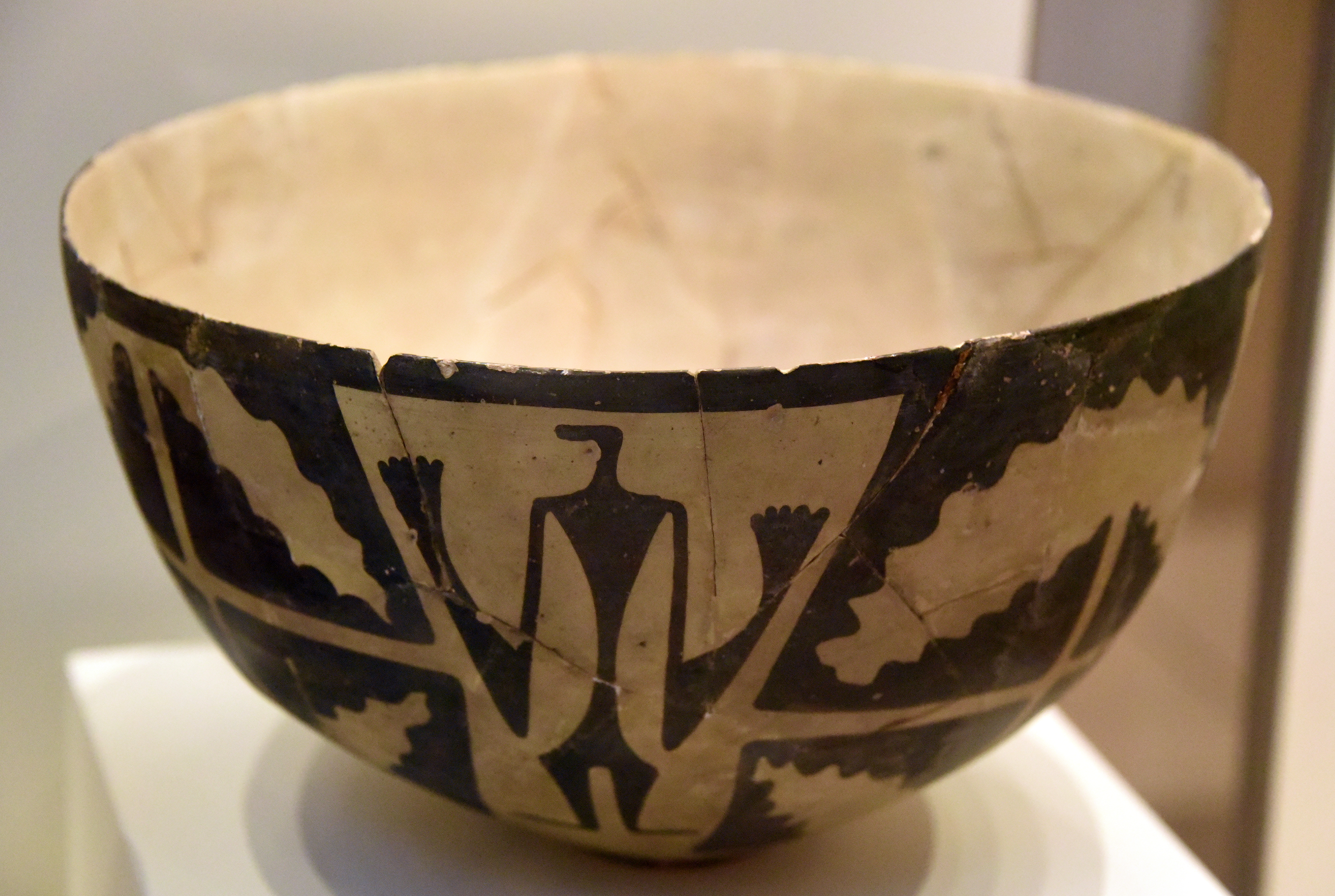
Tall-i Bakun
Prehistoric mounds with rich pottery culture
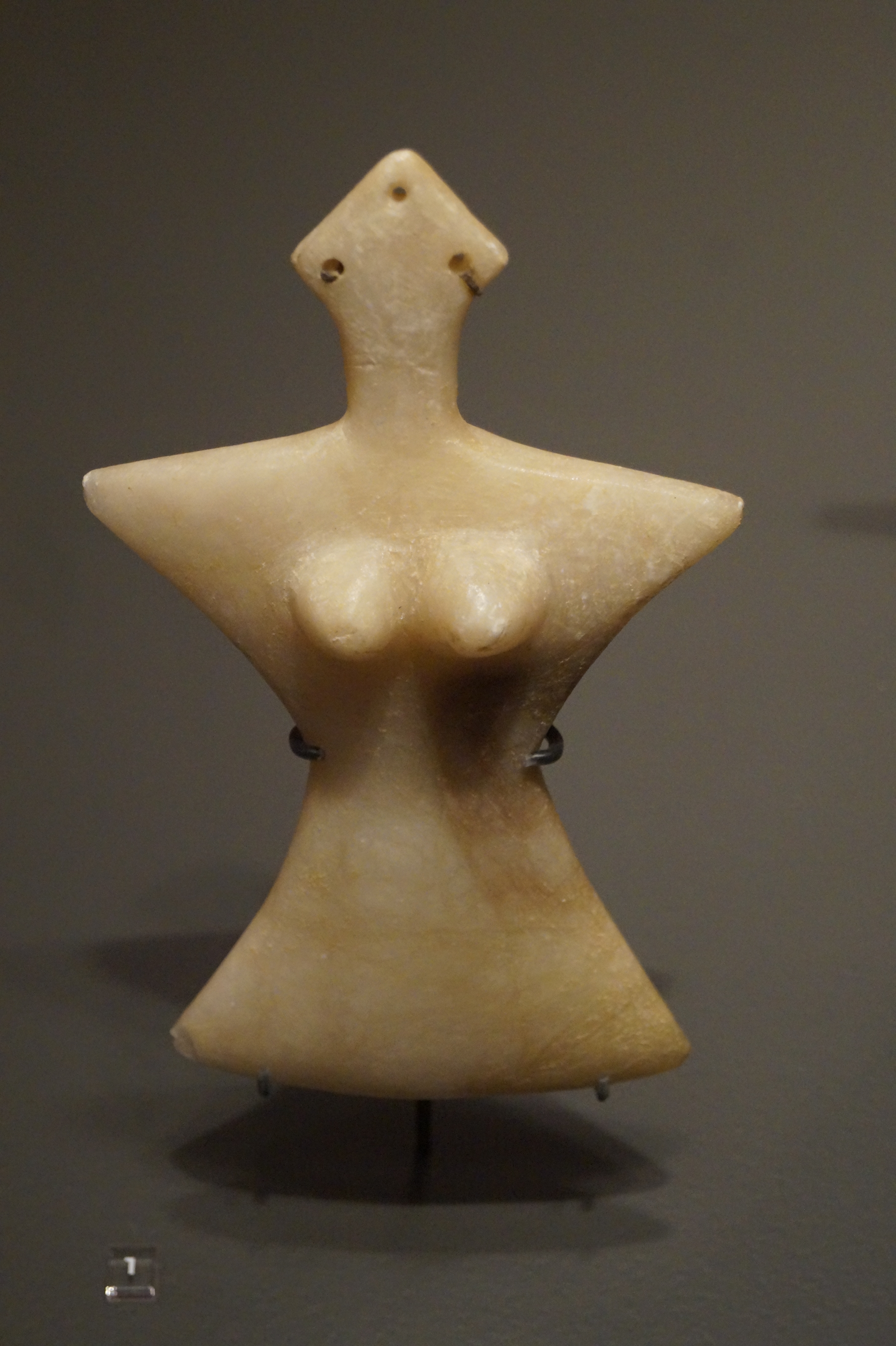
Tepe Hissar
Prehistoric site with rich cultural artifacts