Explore the Map
Naqsh-e Rostam
29.9889° N, 52.8747° E
About
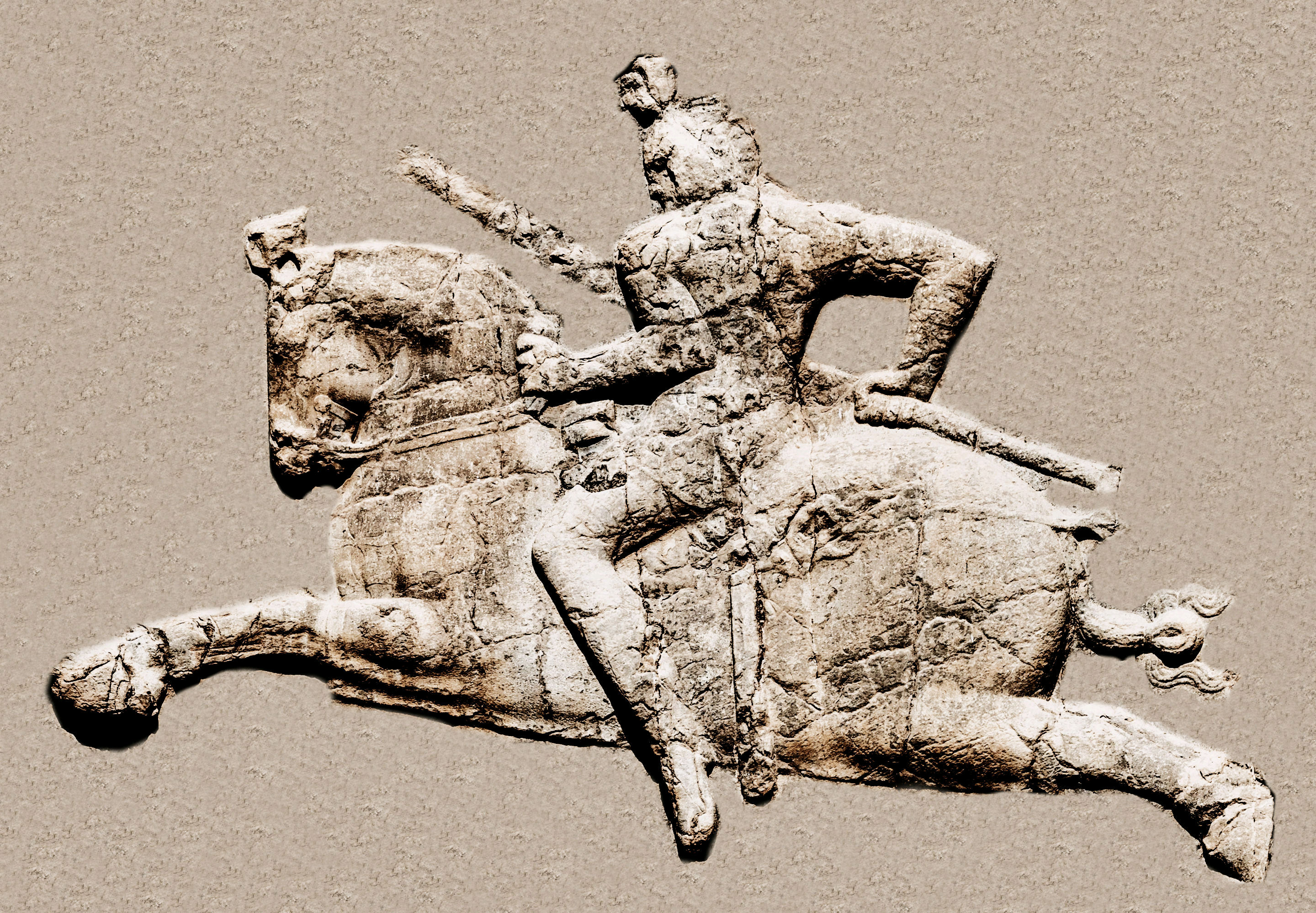
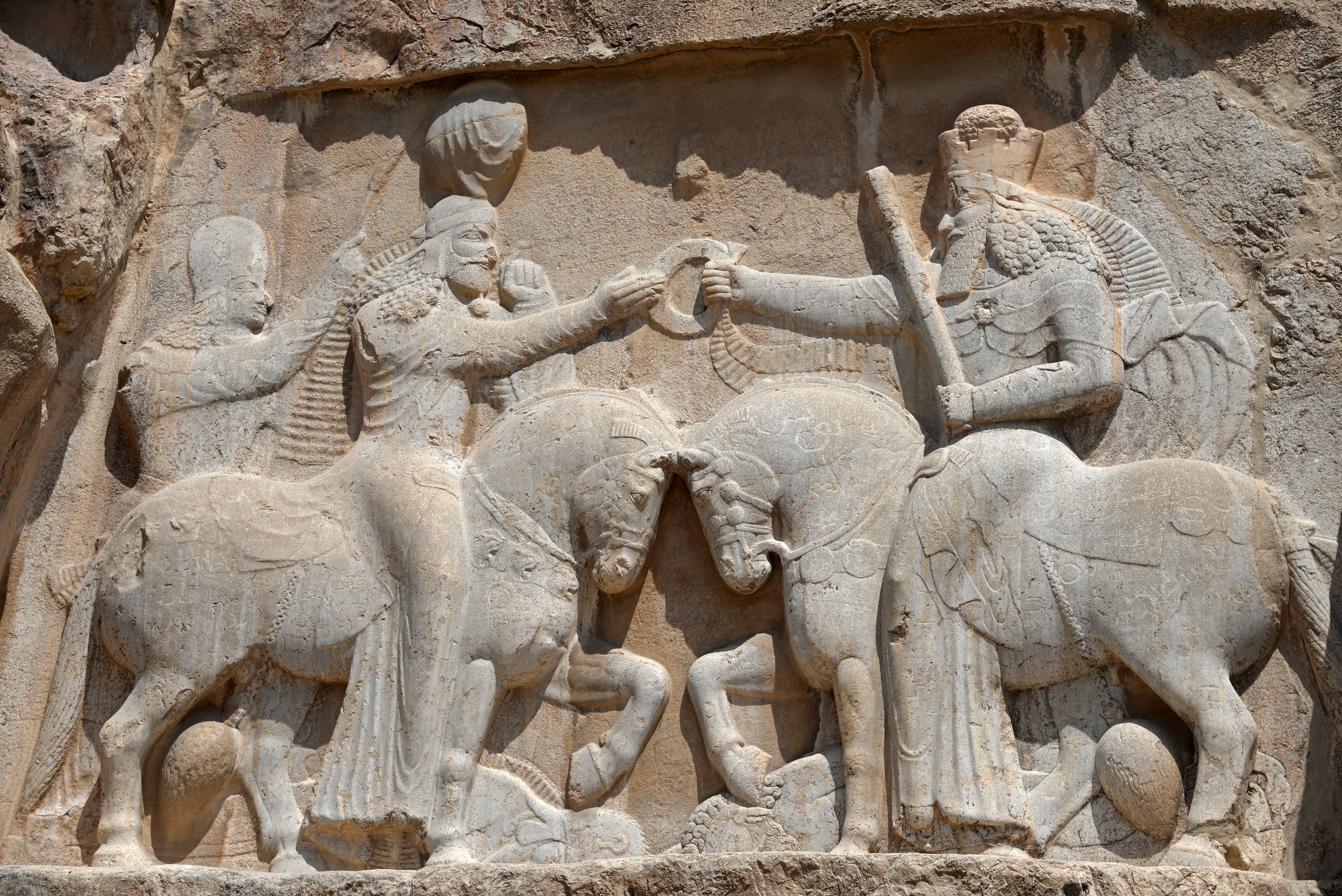
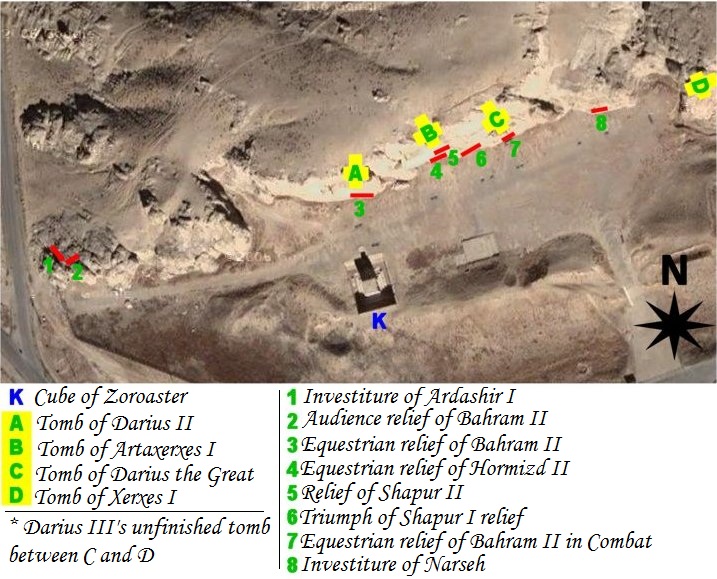
Naqsh-e Rostam is an archaeological site in Fars Province, Iran, known for its impressive rock reliefs and burial tombs. The site features monumental Achaemenid tombs carved high into a cliff face, including that of Darius the Great. These tombs are notable for their distinct architectural decorations and inscriptions depicting the king's divine right to rule. Below these tombs are Sassanian rock reliefs, commemorating royal victories and the empire's connection to its Achaemenid predecessors. The site also hosts some of the earliest known rock reliefs, dating back to the Elamite period. Naqsh-e Rostam provides a unique window into the cultural and political history of ancient Iran, bridging several significant historical periods.
Gallery
Explore photographs of ancient structures, artifacts, and archaeological excavations
Historical Timeline
Journey through time and discover key events in this site's history
Earliest Rock Relief
c. 1000 BCE
Shapur I's Victory Relief
c. 241–272 CE
Other Achaemenid Tombs
c. 486–404 BCE
Tomb of Darius I
c. 522–486 BCE
Archaeological Features
Unique architectural and cultural elements found at this historical site
Burial and Funerary Structures
Religious and Ritual Structures
Artistic and Decorative Features
Frequently Asked Questions
Plan Your Visit
Tours, travel arrangements, and practical information
More Sites in Iran
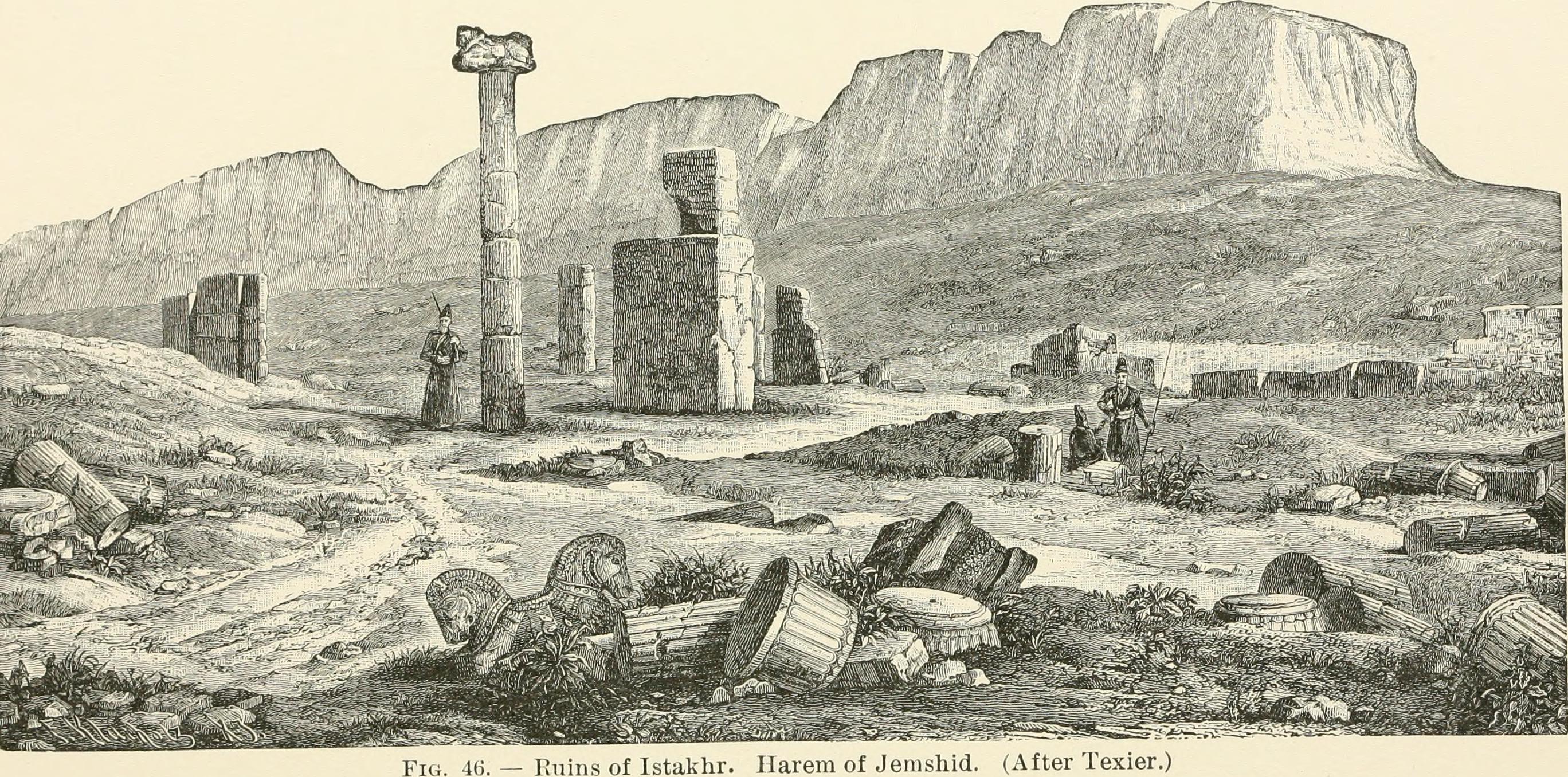
Istakhr
Ancient city with religious and defensive structures.
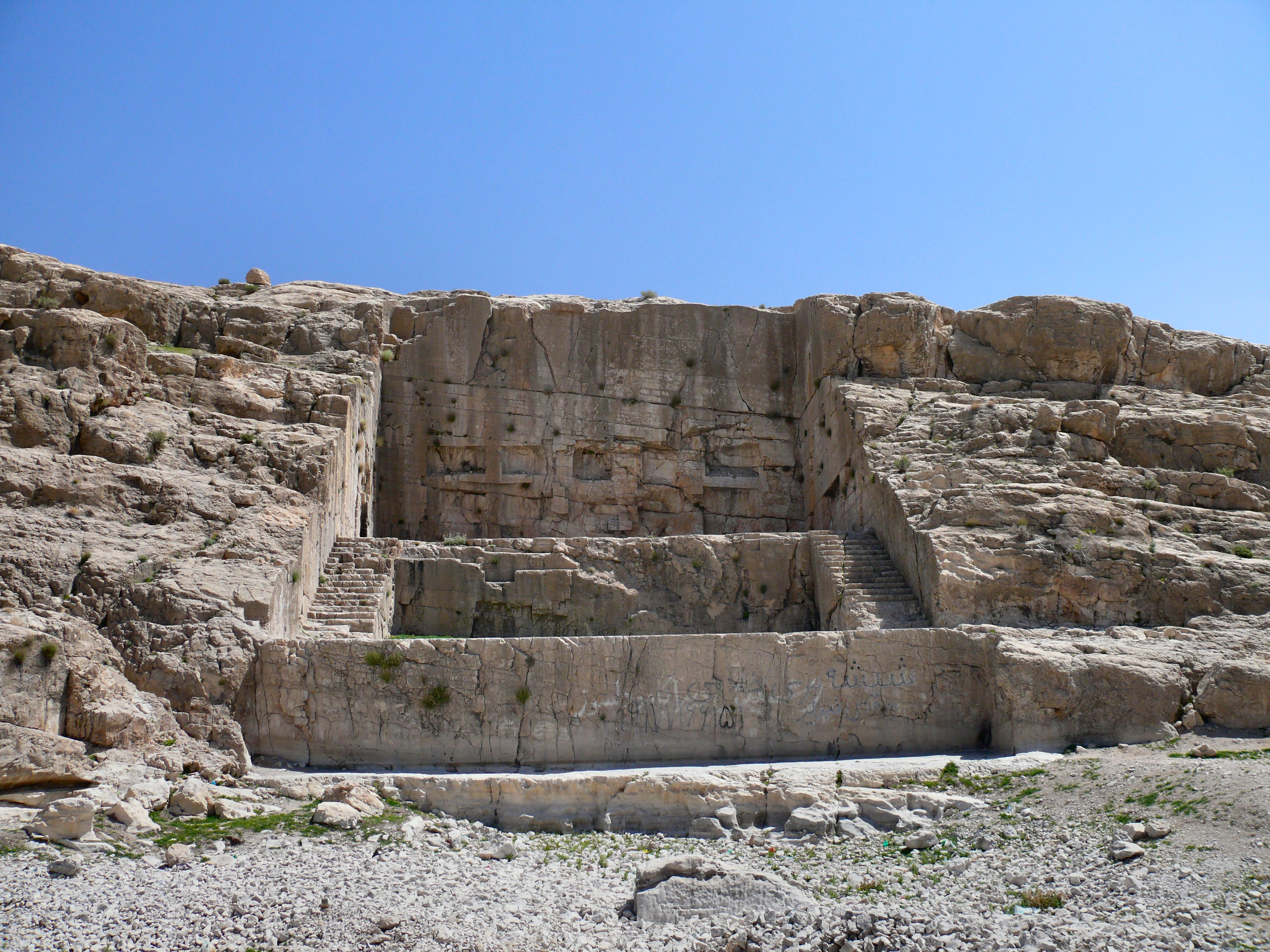
Qadamgah (ancient site)
Achaemenid rock-cut monument with terraces
Tappeh Berdankan
Sasanian site with diverse pottery artifacts.
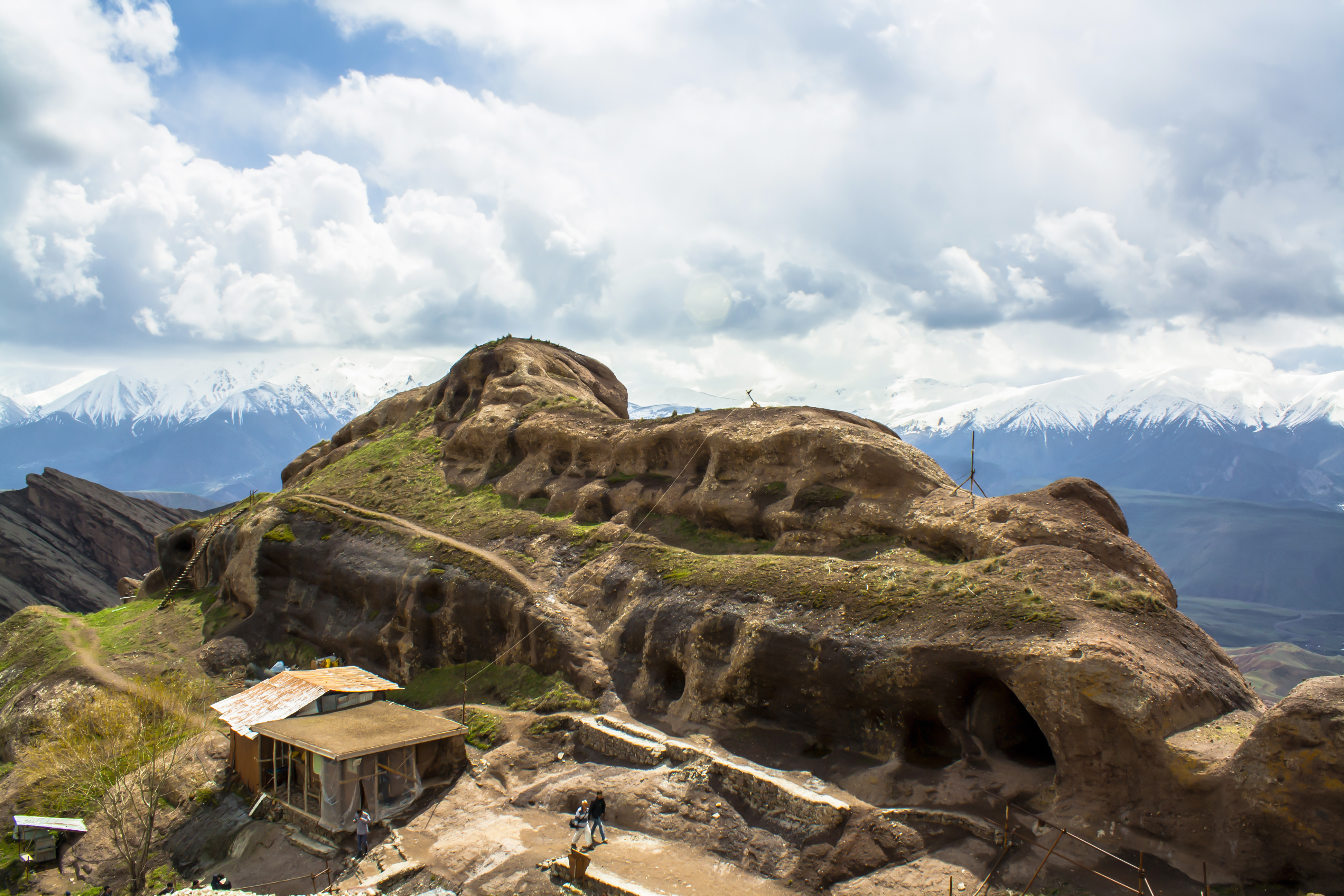
Mount Khajeh
Flat-topped basalt hill with ancient ruins
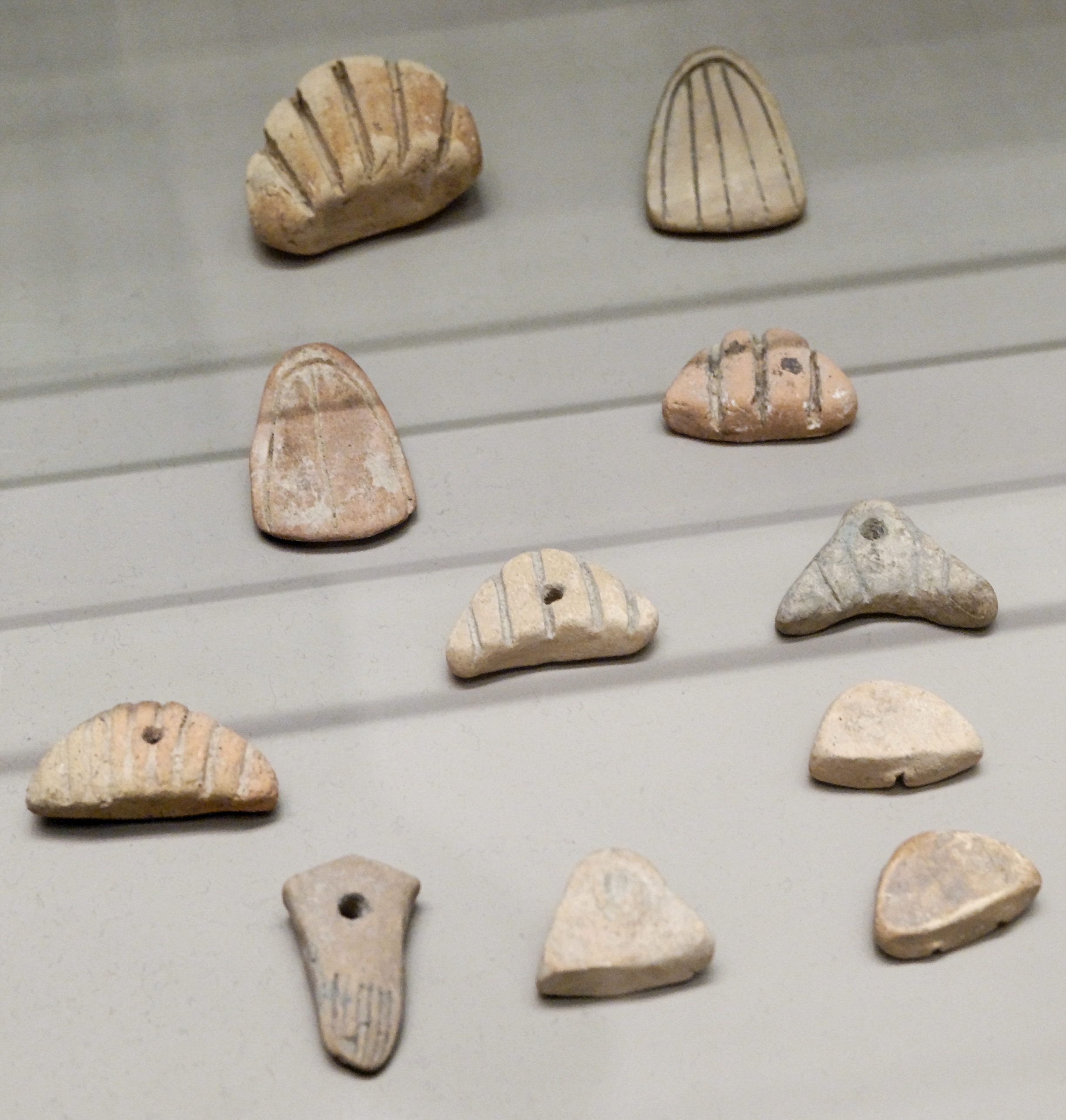
Tepe Sofalin
Ancient mound with Proto-Elamite artifacts
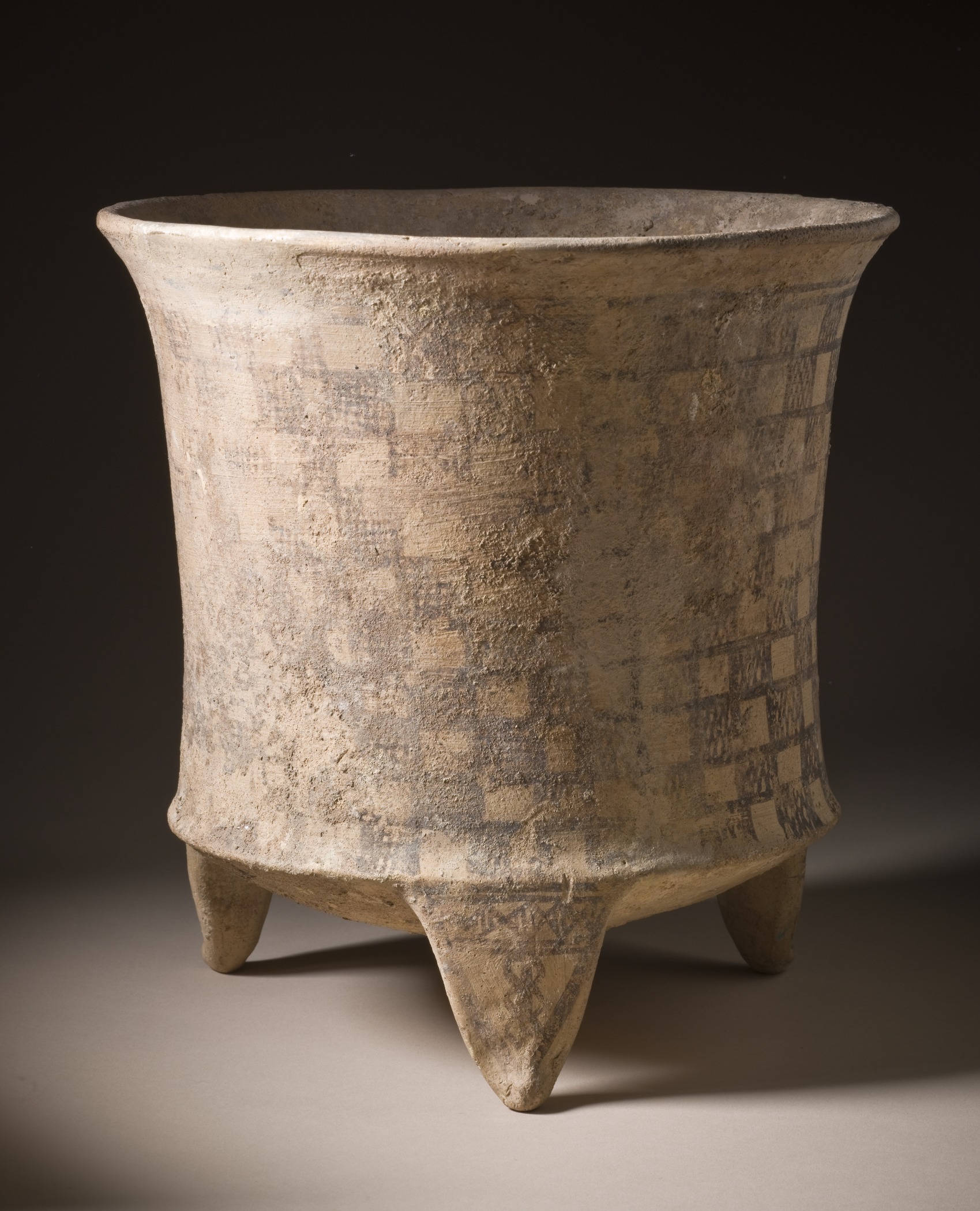
Tepe Giyan
Necropolis with distinctive pottery in Iran.