

Explore the Map
Pasargadae
30.2000° N, 53.1794° E
About
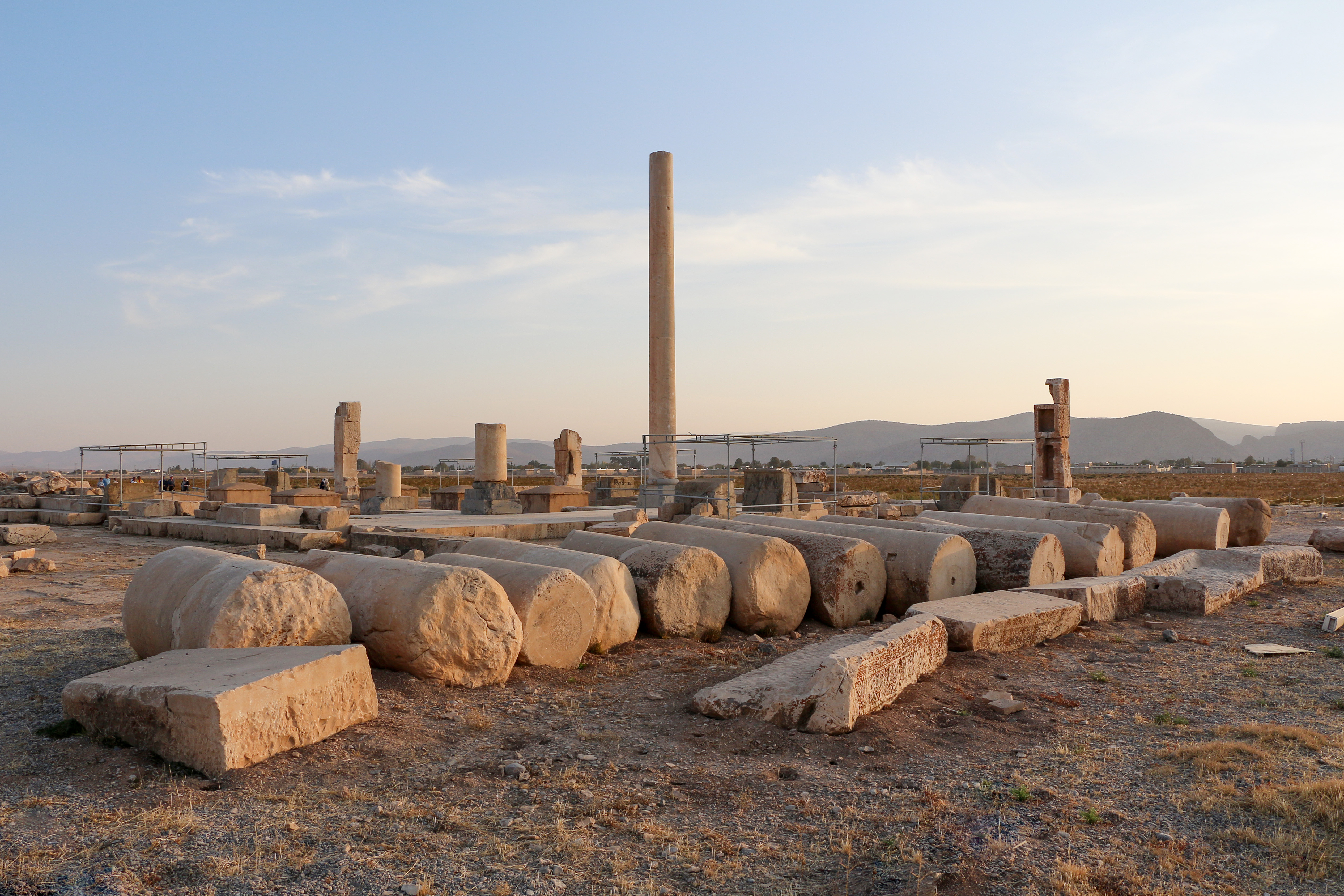
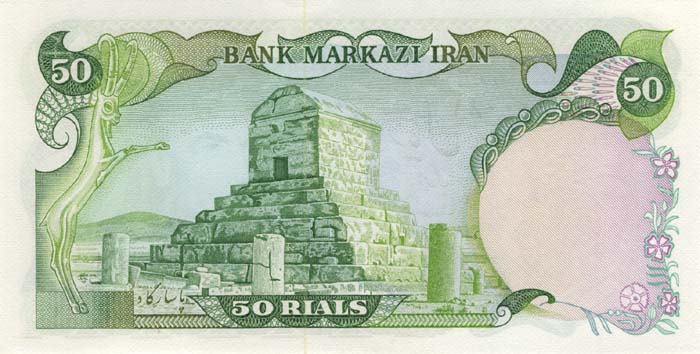
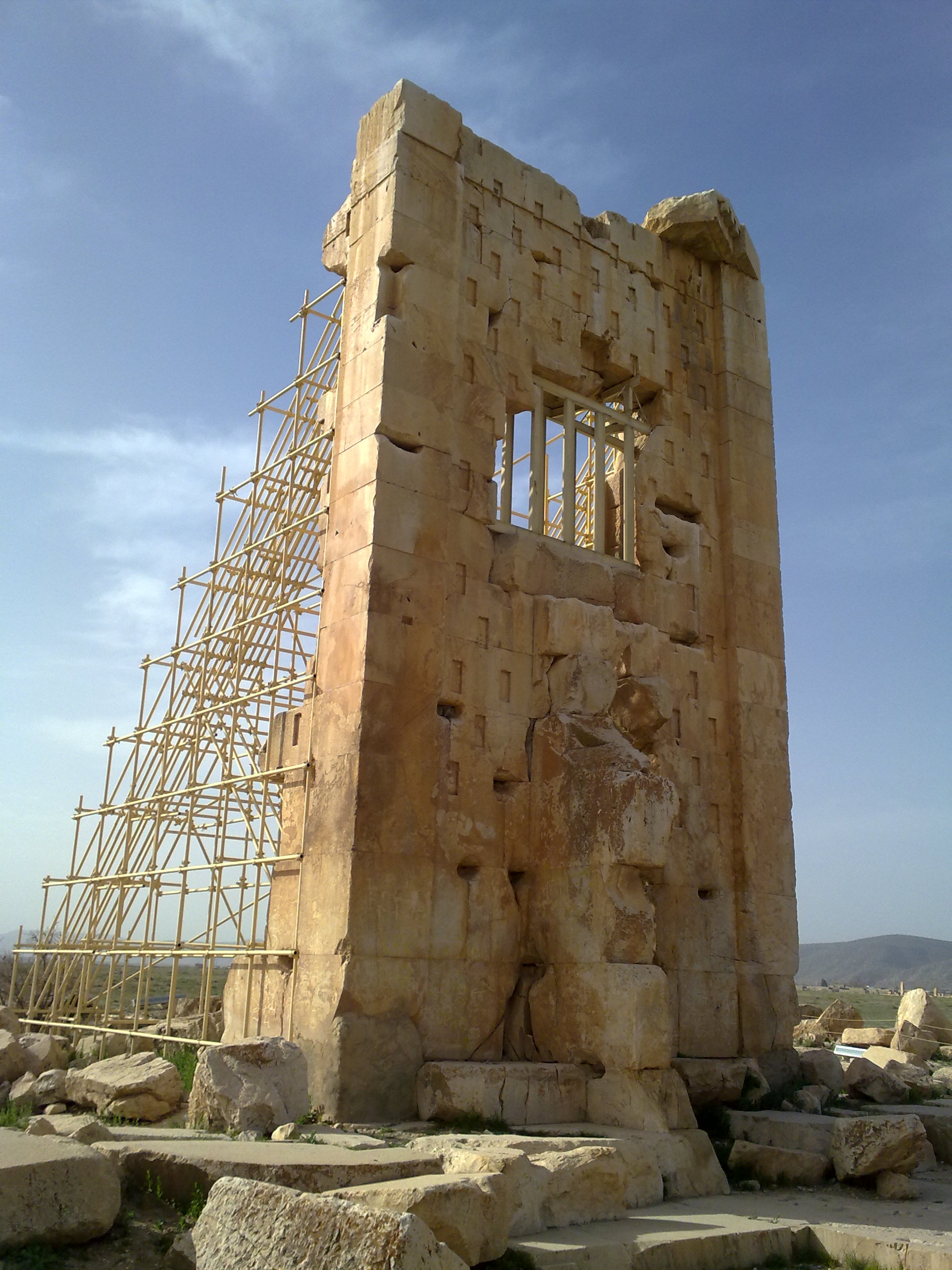
Pasargadae, established in the 6th century BCE as the first capital of the Achaemenid Empire by Cyrus the Great, is an archaeological site of tremendous historical significance. It features a variety of structures, including royal palaces, gardens, and the renowned tomb of Cyrus the Great. The site exemplifies a synthesis of Persian, Elamite, Babylonian, and Assyrian architectural influences, showcasing the empire's reach and cultural integration. The Persian chahar bagh garden design found here marks the earliest known example of such landscaping. Additionally, the site includes defensive structures like the Toll-e Takht fortress and religious edifices reminiscent of ancient ziggurats. Pasargadae's significance is further underscored by its status as a UNESCO World Heritage Site.
Gallery
Explore photographs of ancient structures, artifacts, and archaeological excavations
Historical Timeline
Journey through time and discover key events in this site's history
Achaemenid Capital Relocation
6th century BCE
Foundation of Pasargadae
550 BCE
Cyrus the Great's Tomb
530 BCE
Archaeological Features
Unique architectural and cultural elements found at this historical site
Defensive Structures
Miscellaneous Features
Burial and Funerary Structures
Religious and Ritual Structures
Artistic and Decorative Features
Agricultural and Land Use Features
Domestic and Habitation Structures
Frequently Asked Questions
Plan Your Visit
Tours, travel arrangements, and practical information
More Sites in Iran
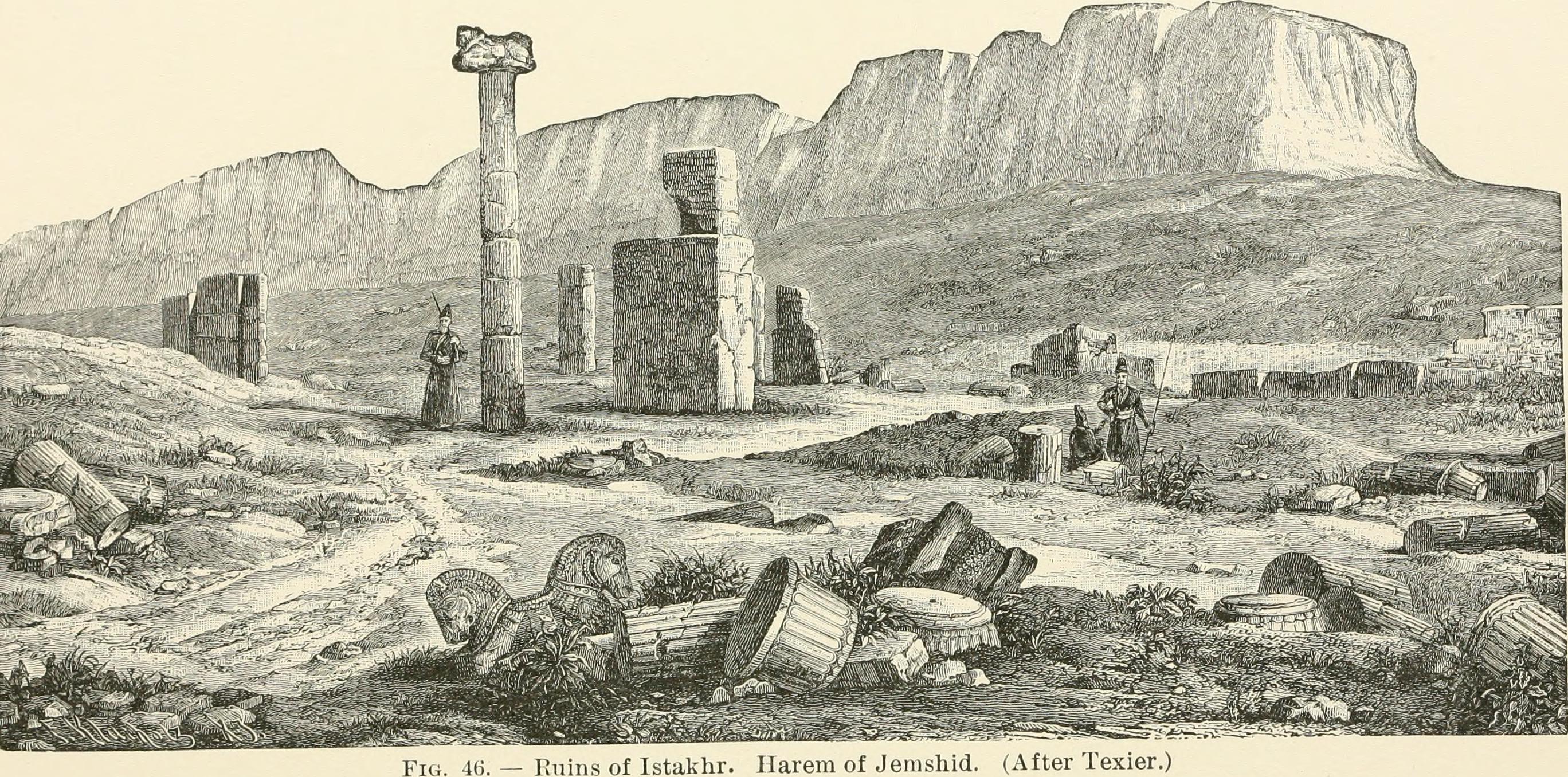
Istakhr
Ancient city with religious and defensive structures.
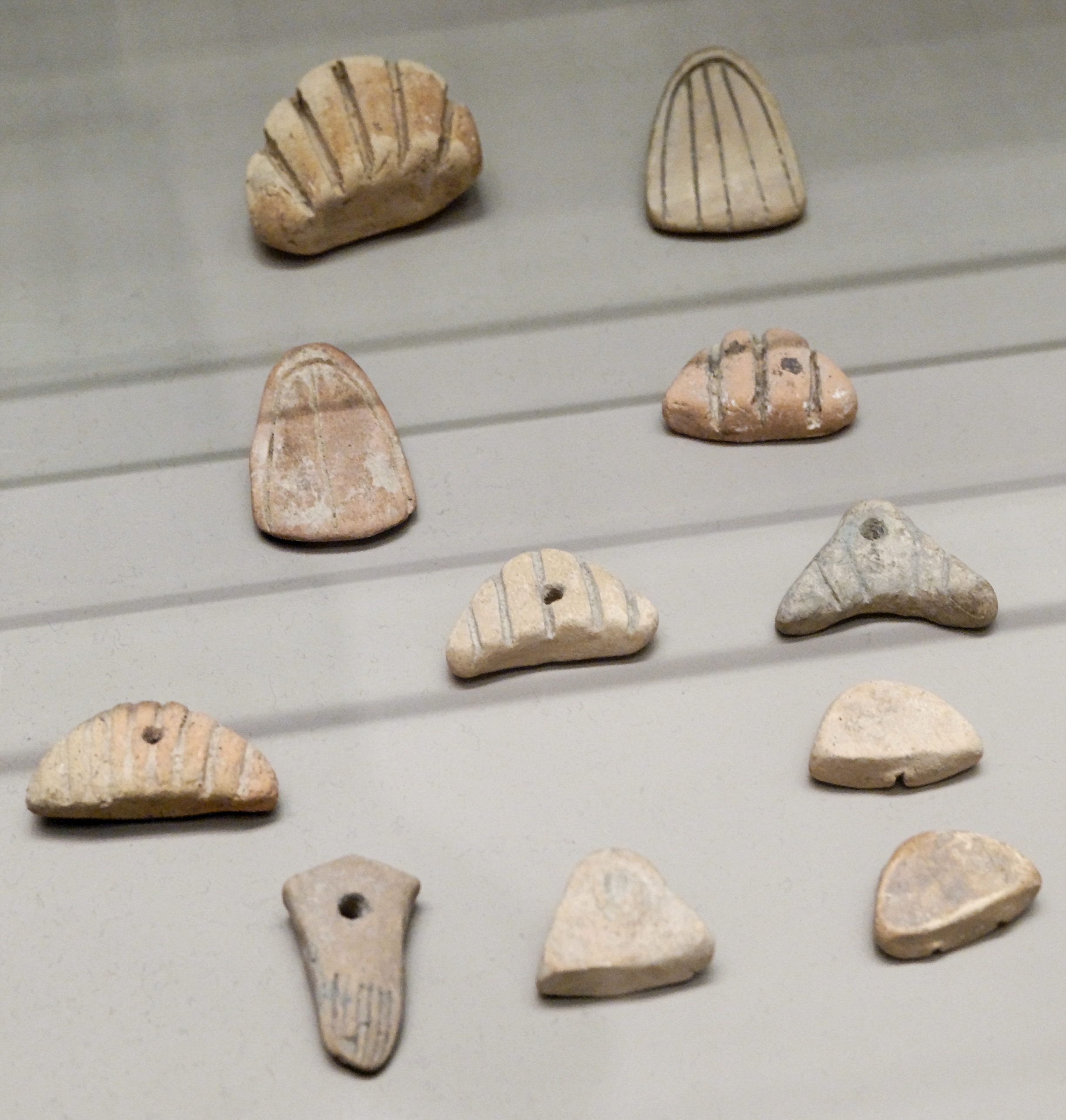
Tepe Sofalin
Ancient mound with Proto-Elamite artifacts
Tappeh Berdankan
Sasanian site with diverse pottery artifacts.
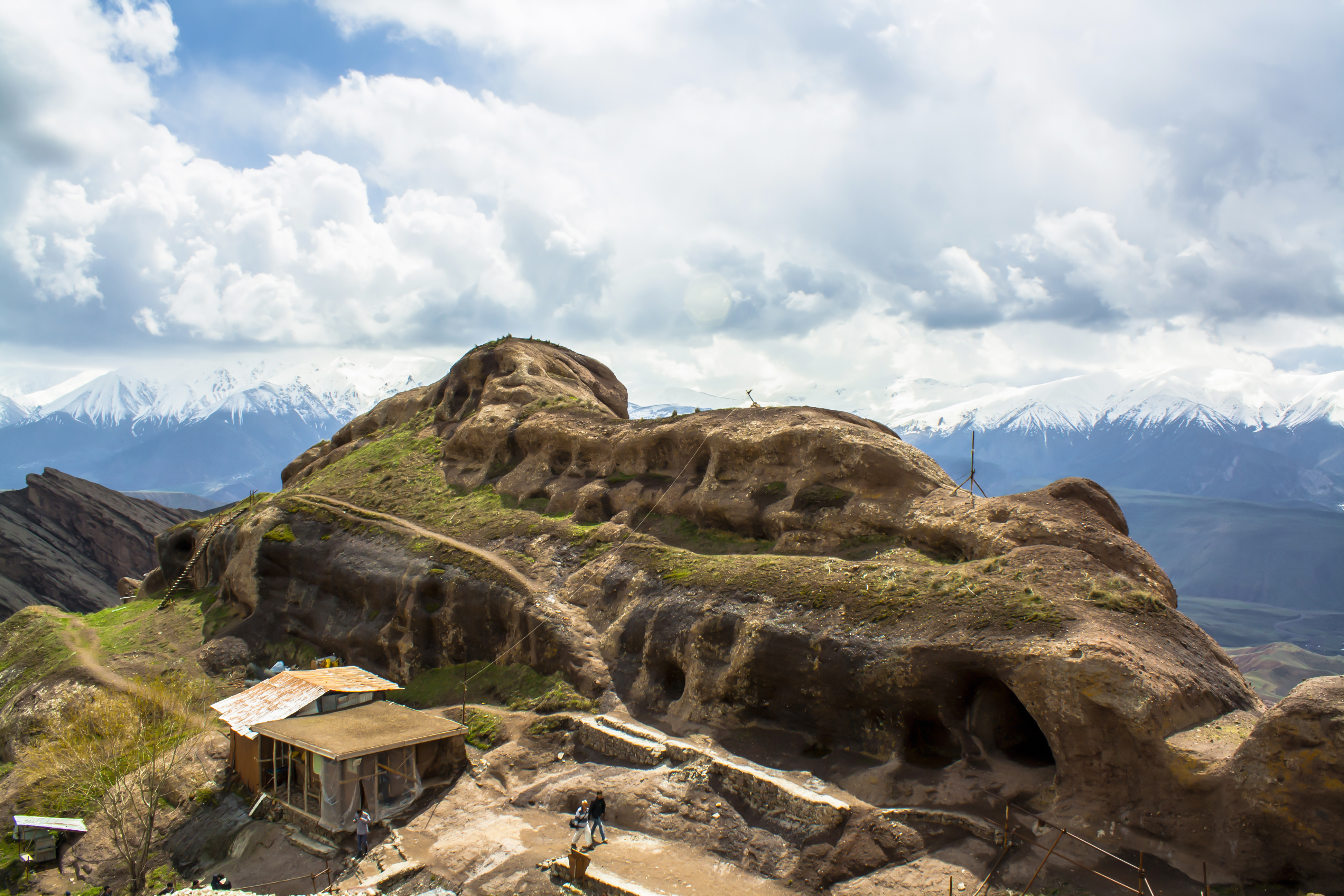
Mount Khajeh
Flat-topped basalt hill with ancient ruins
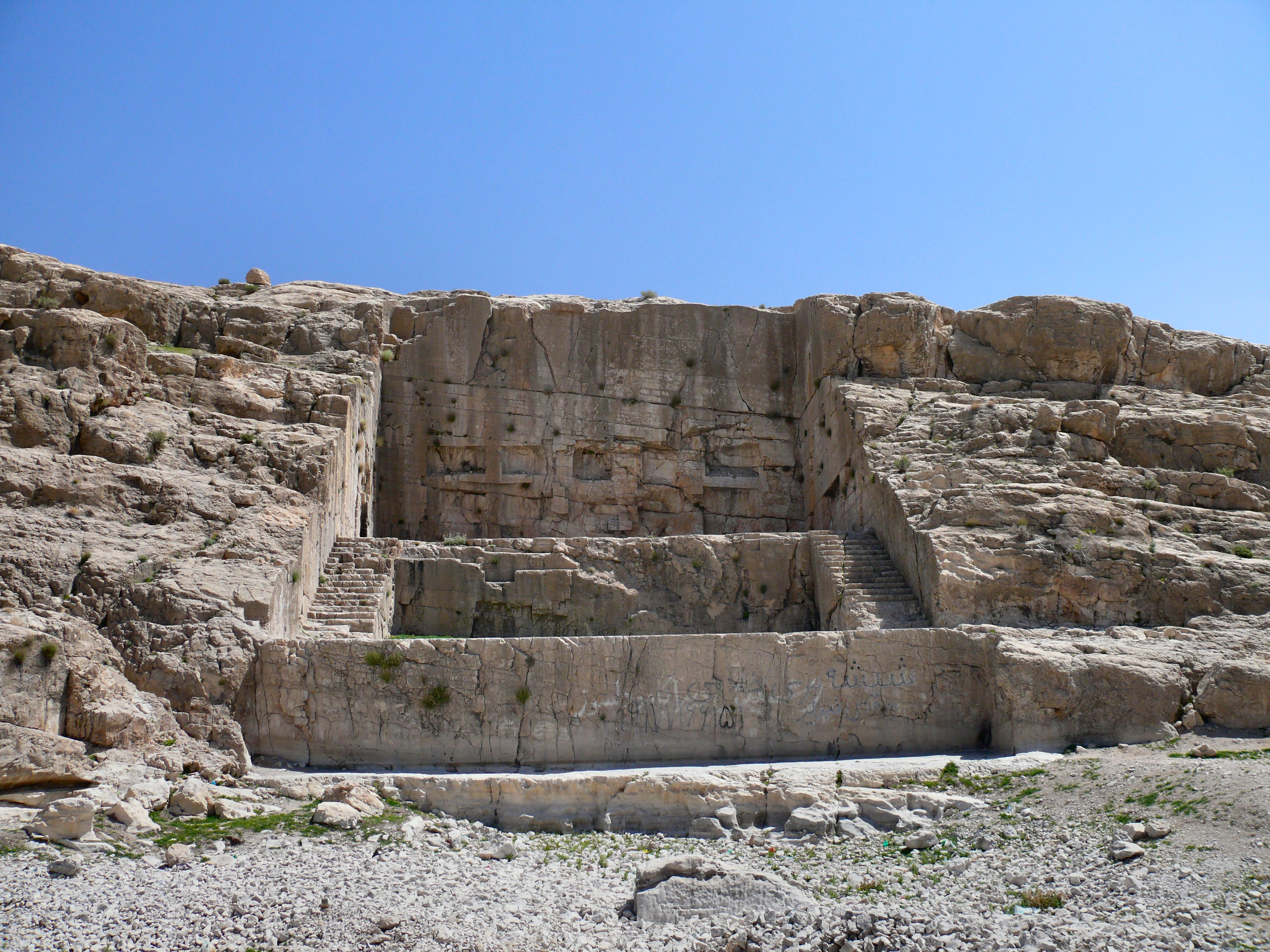
Qadamgah (ancient site)
Achaemenid rock-cut monument with terraces
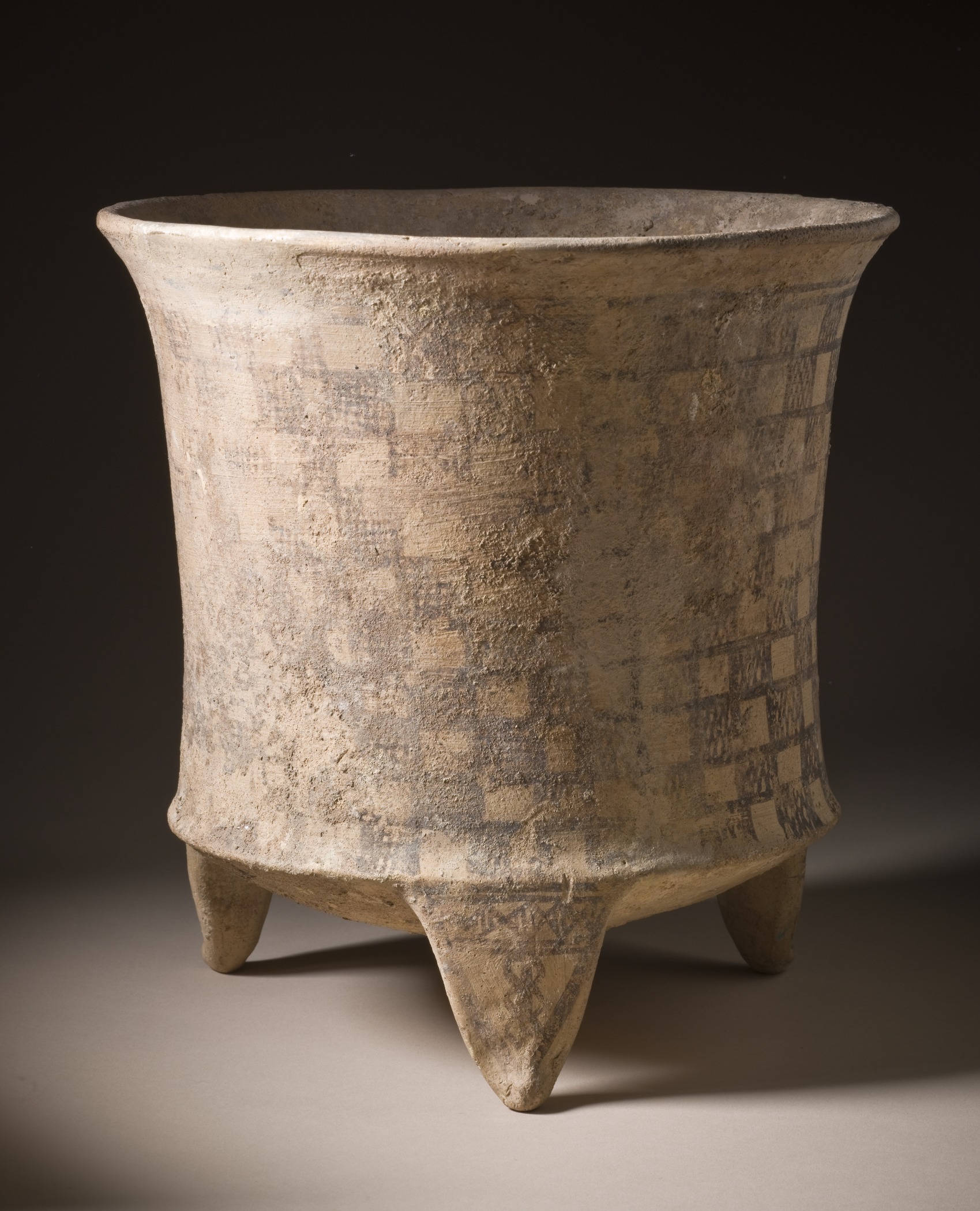
Tepe Giyan
Necropolis with distinctive pottery in Iran.