
Explore the Map
Persepolis
29.9350° N, 52.8900° E
About
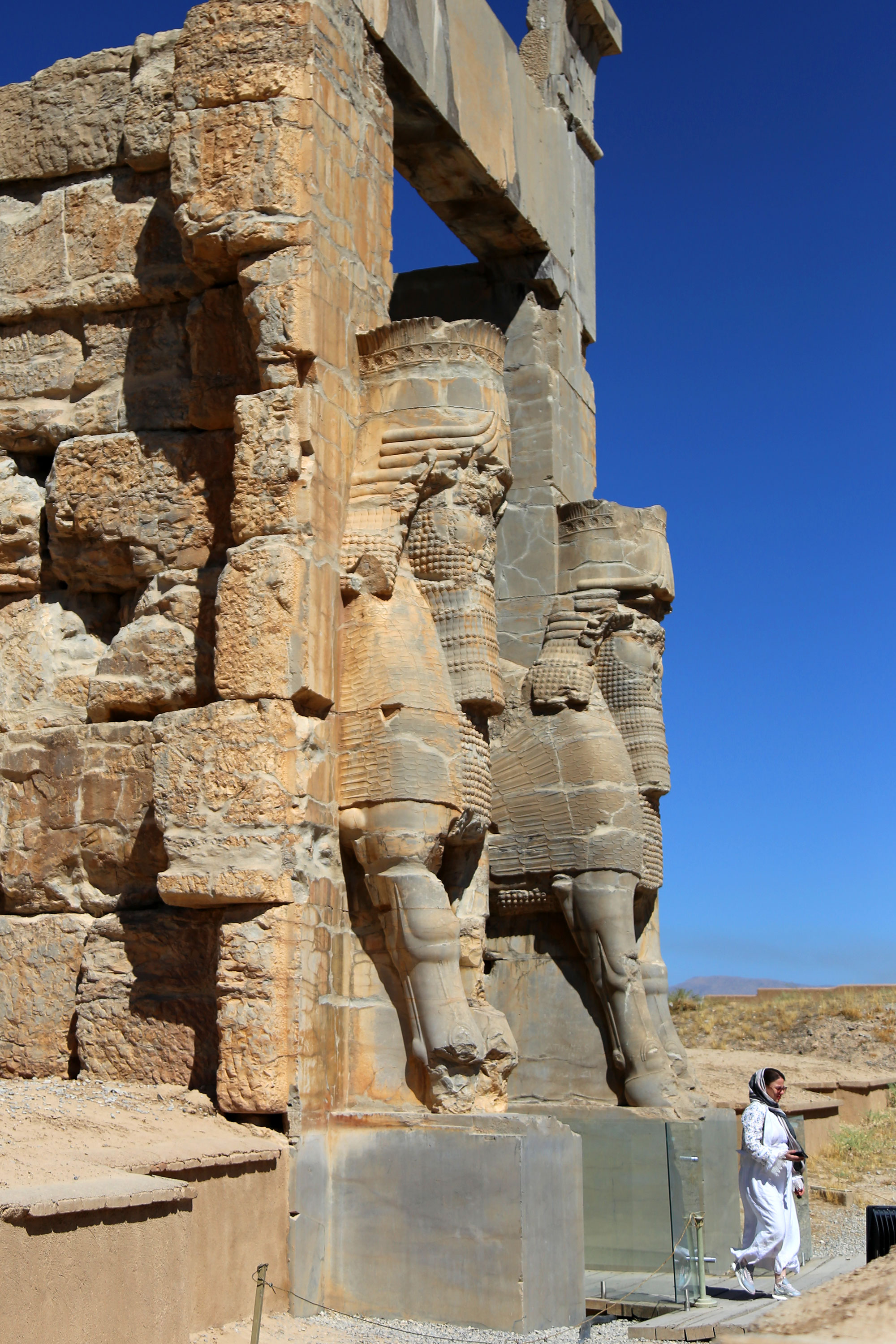
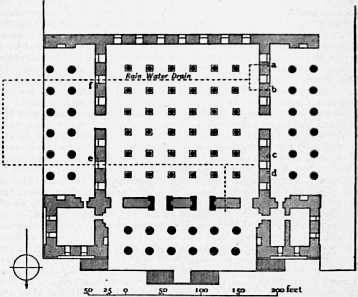
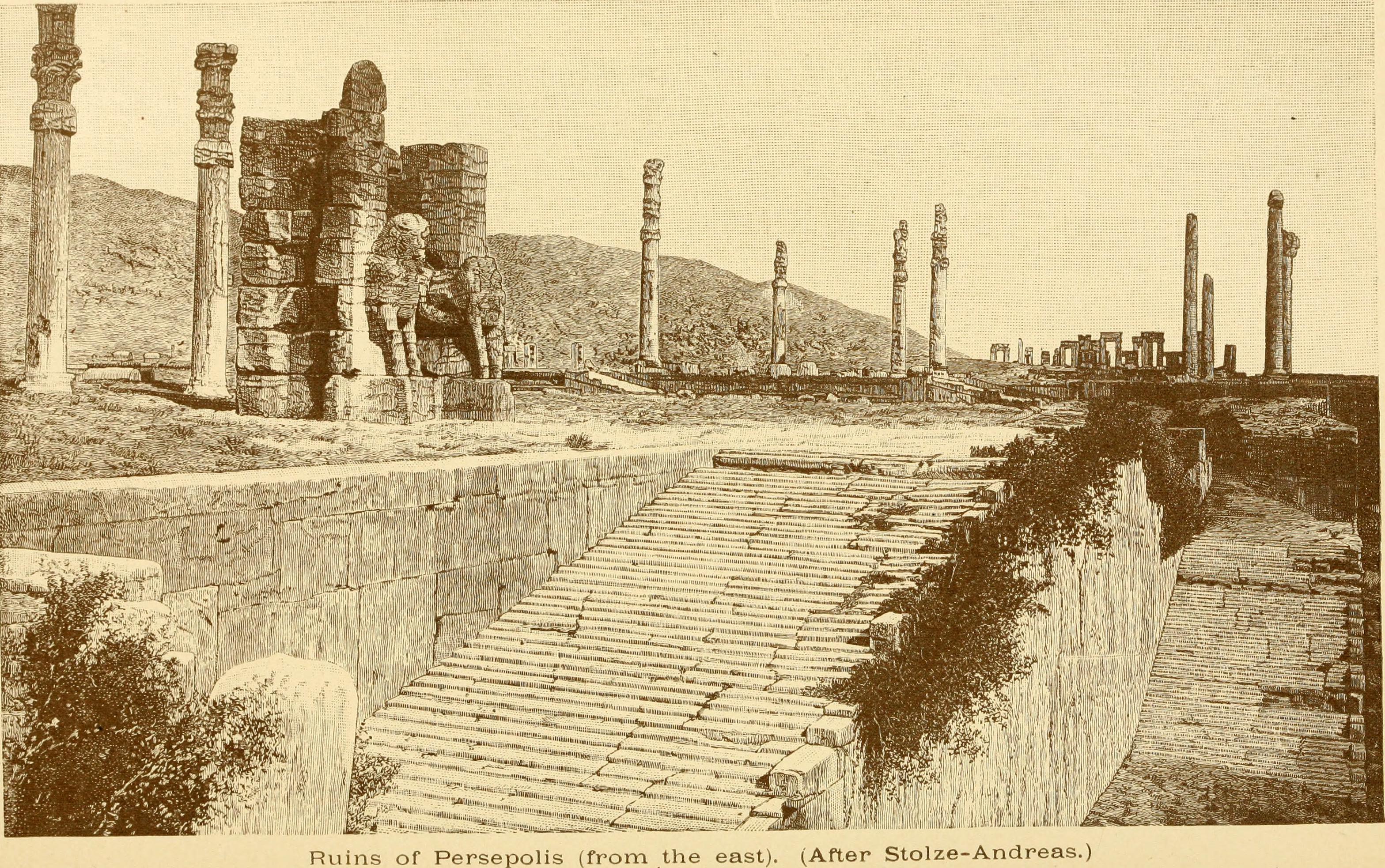
Persepolis, located in modern-day Iran, served as the ceremonial capital of the Achaemenid Empire from around 515 BCE, during the reign of Darius I. This archaeological site is renowned for its grandiose palatial complex, featuring intricate reliefs and inscriptions that exemplify Achaemenid architecture. Built on a raised terrace, the site includes significant structures such as the Apadana Palace, the Gate of All Nations, and the Hall of a Hundred Columns. Persepolis was a focal point for ceremonial events, including the Persian New Year, Nowruz. The site was partially destroyed by fire in 330 BCE following its capture by Alexander the Great. Today, Persepolis is a UNESCO World Heritage Site, offering invaluable insights into the art, architecture, and imperial grandeur of the Achaemenid Empire.
Gallery
Explore photographs of ancient structures, artifacts, and archaeological excavations
Historical Timeline
Journey through time and discover key events in this site's history
Construction by Darius I
515 BCE
Alexander the Great's Conquest
330 BCE
Sasanian Inscription
311 CE
Archaeological Features
Unique architectural and cultural elements found at this historical site
Defensive Structures
Burial and Funerary Structures
Artistic and Decorative Features
Domestic and Habitation Structures
Frequently Asked Questions
Plan Your Visit
Tours, travel arrangements, and practical information
More Sites in Iran
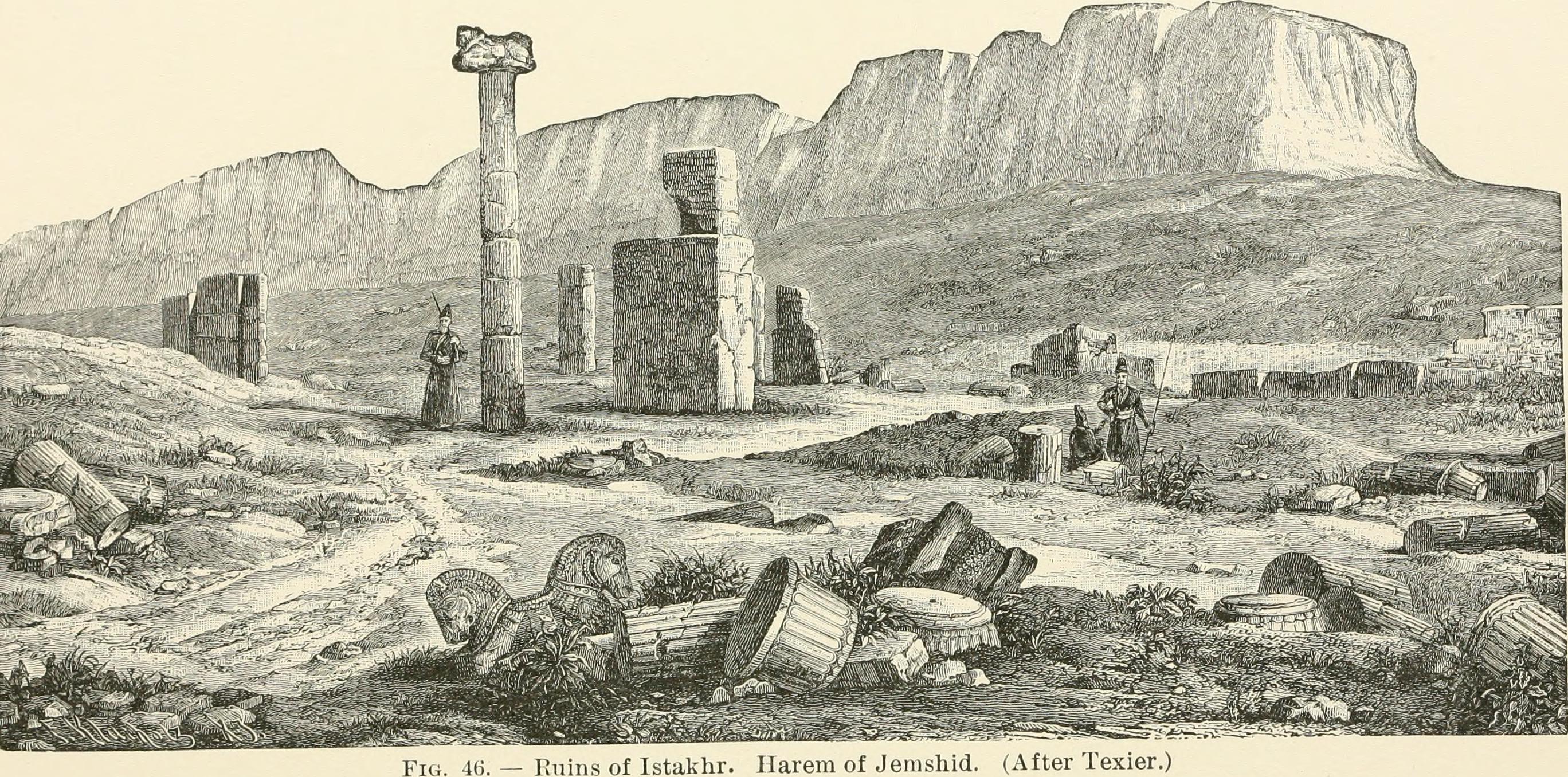
Istakhr
Ancient city with religious and defensive structures.
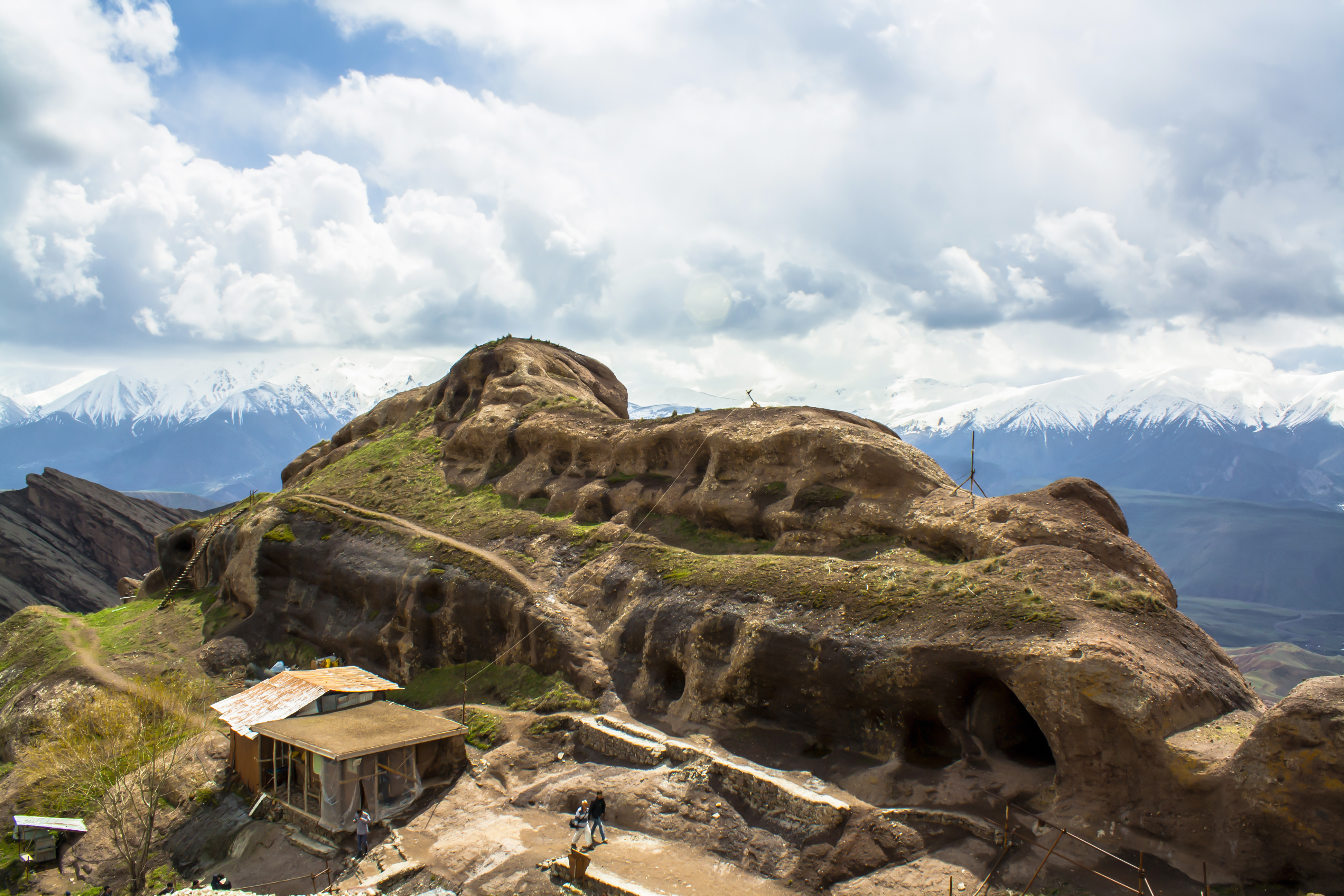
Mount Khajeh
Flat-topped basalt hill with ancient ruins
Tappeh Berdankan
Sasanian site with diverse pottery artifacts.
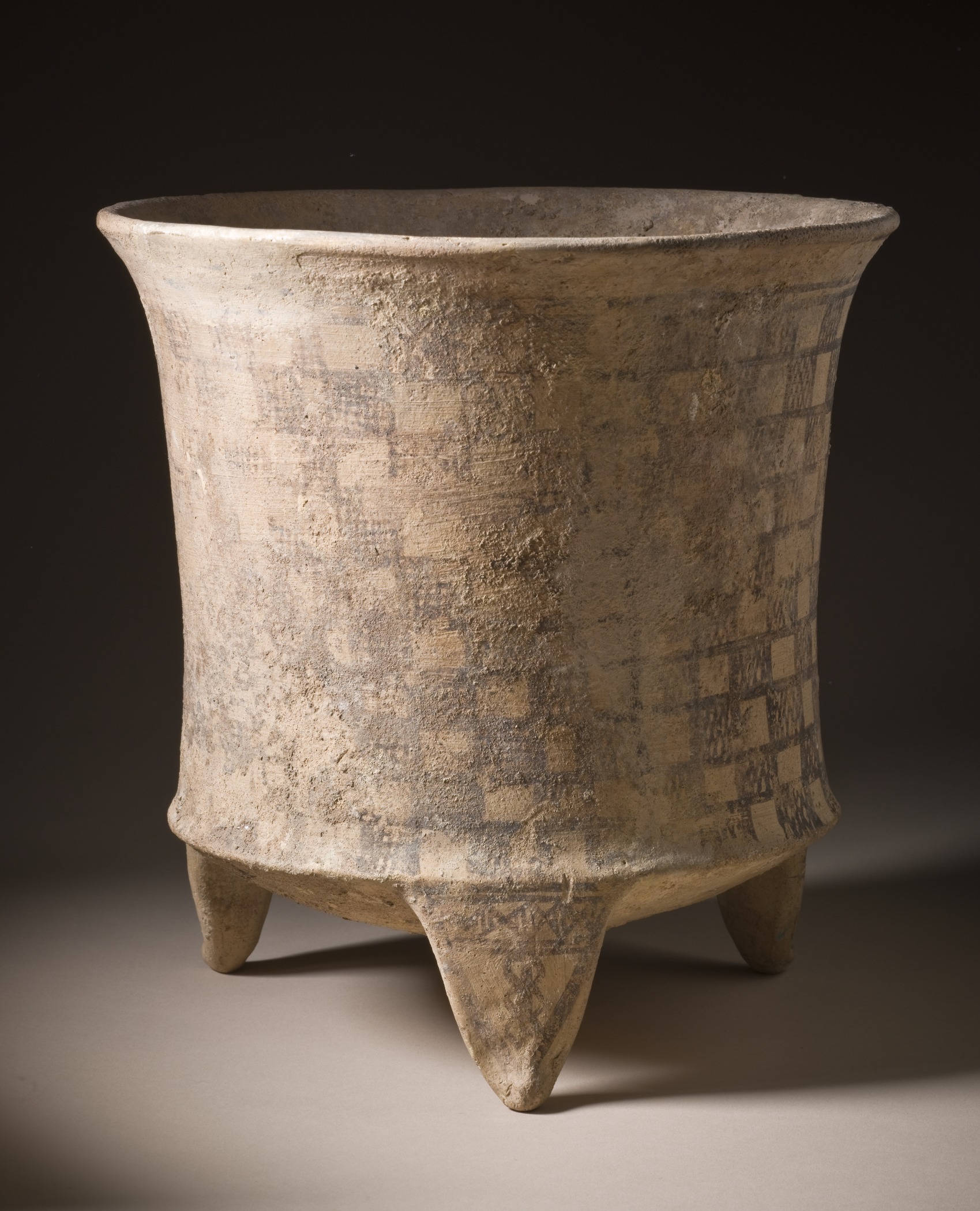
Tepe Giyan
Necropolis with distinctive pottery in Iran.
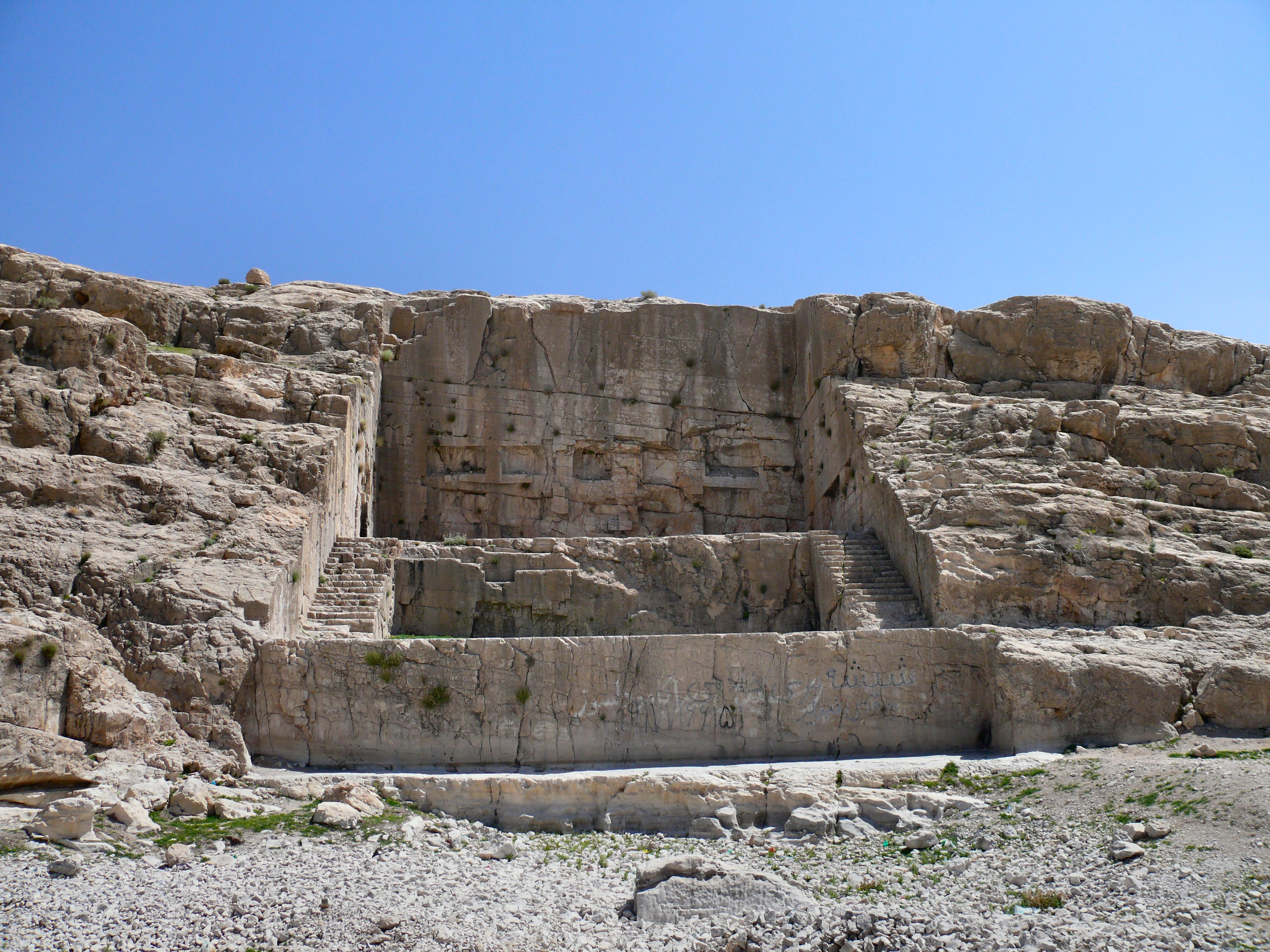
Qadamgah (ancient site)
Achaemenid rock-cut monument with terraces
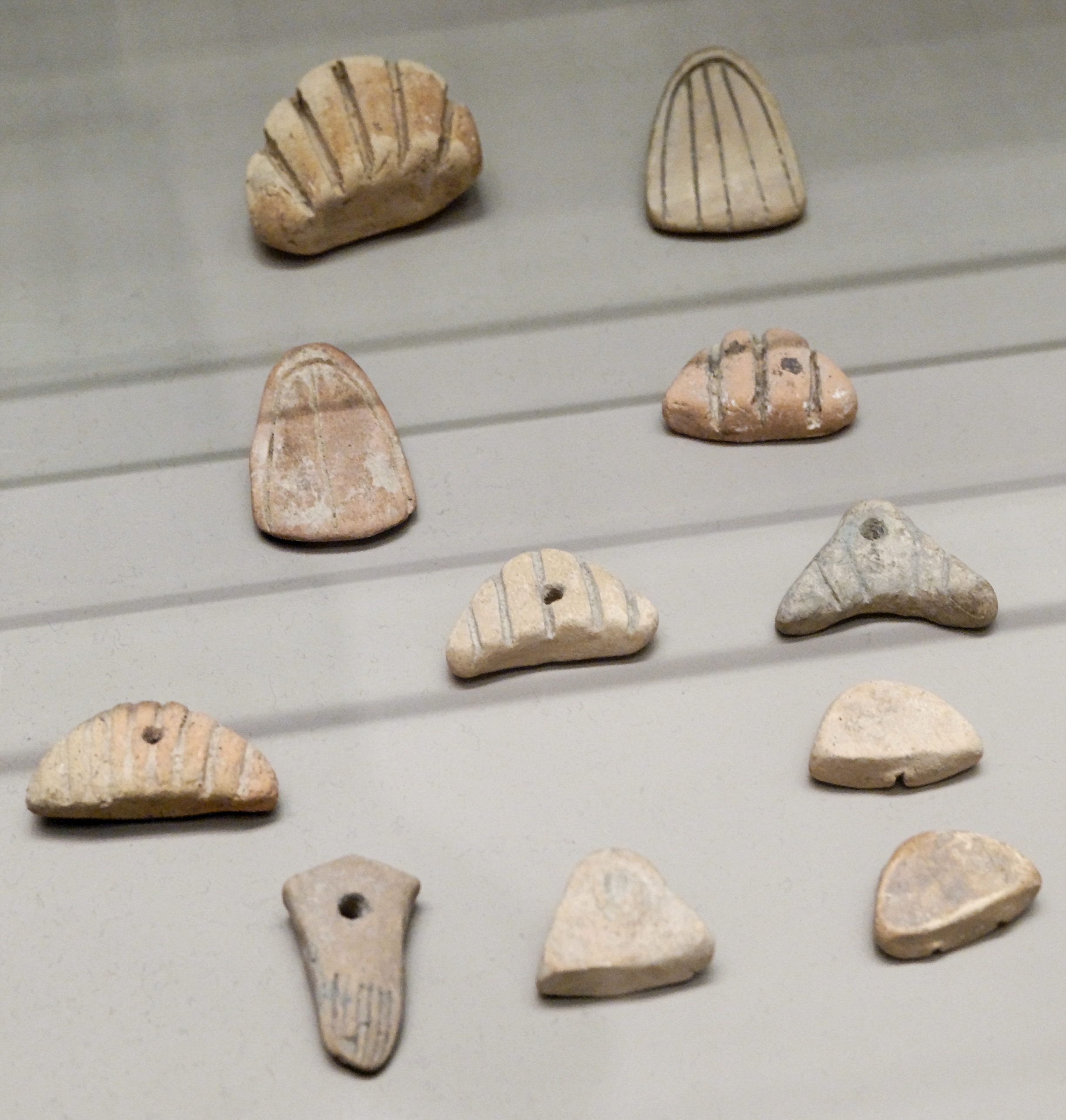
Tepe Sofalin
Ancient mound with Proto-Elamite artifacts