Explore the Map
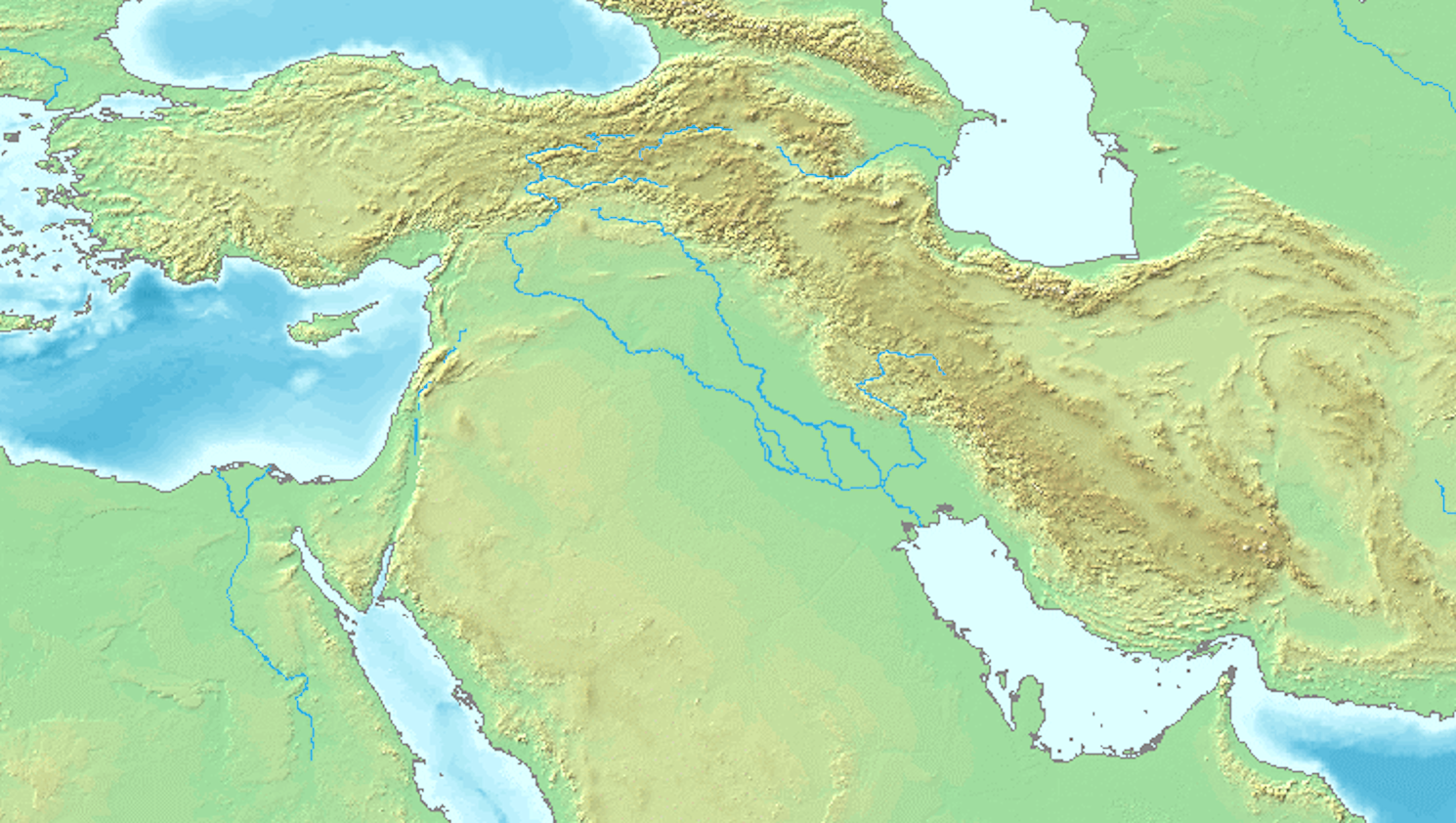
Eshkaft-e Salman
31.8186° N, 49.8497° E
About
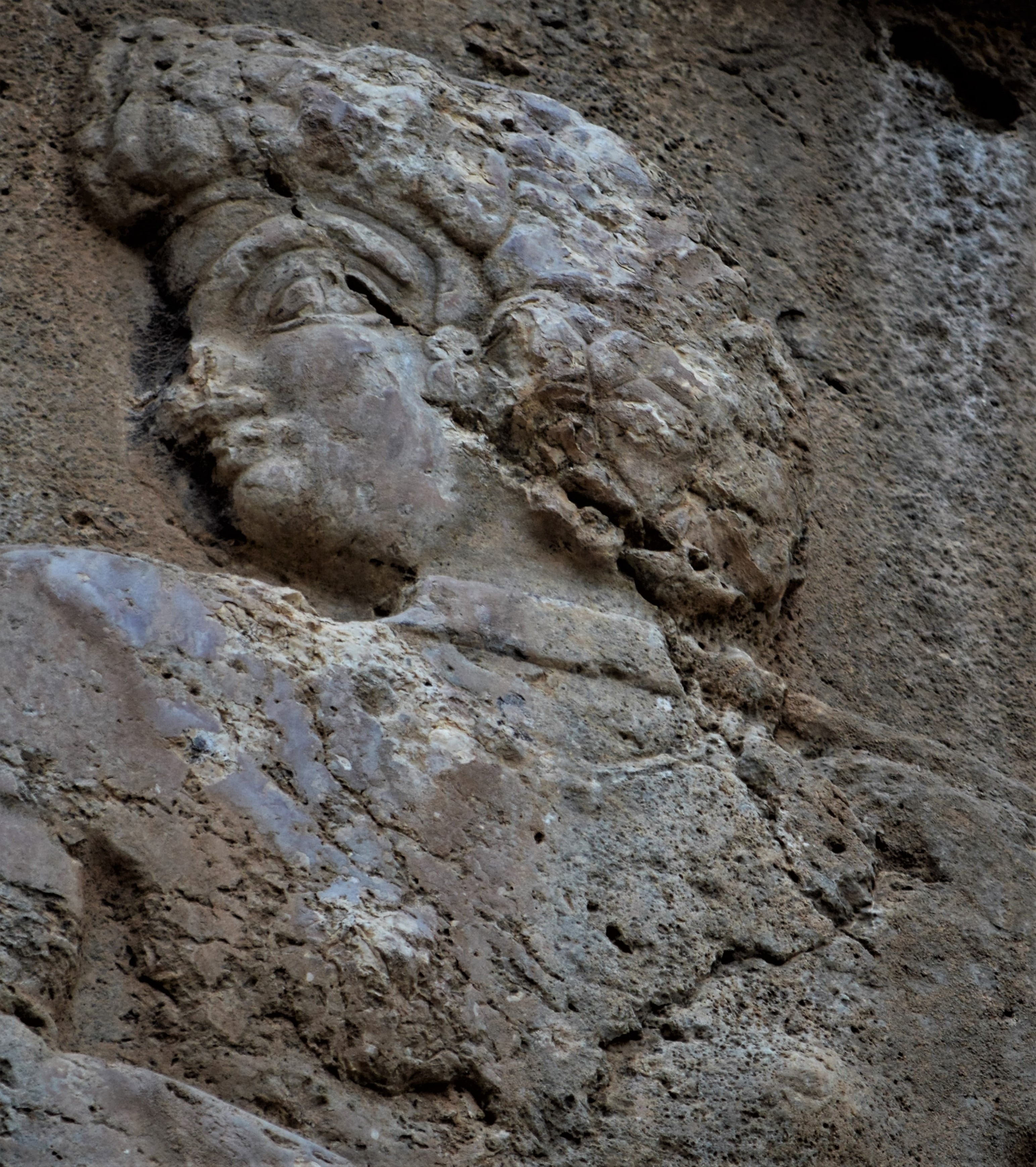
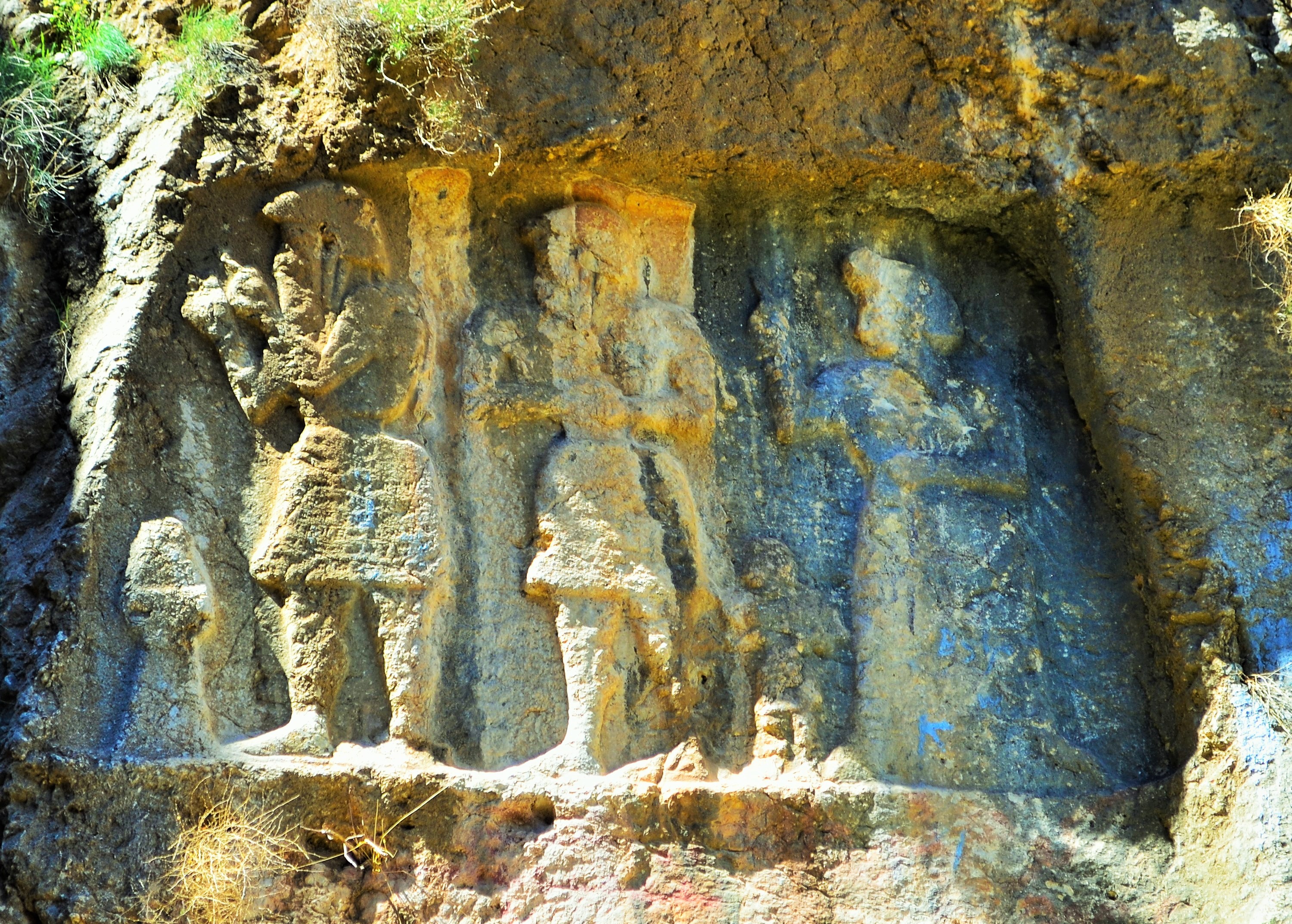
Eshkaft-e Salman, located near Izeh in the Khuzestan province of Iran, is an archaeological site featuring a series of ancient rock reliefs and inscriptions within a natural cave. The site's notable reliefs, carved during the Late Bronze Age and Early to Middle Iron Age, depict royal figures and are believed to have been associated with cultic activities of the Shutrukid dynasty. The most prominent reliefs, Shekaft-e Salman I and II, showcase detailed portraits of royal families, while later additions and inscriptions by Hanni of Ayapir reflect ongoing cultural and religious significance. The site's artistic style shares similarities with artifacts from Susa, highlighting a regional cultural interconnection and the enduring legacy of Elamite artistic traditions.
Gallery
Explore photographs of ancient structures, artifacts, and archaeological excavations
Historical Timeline
Journey through time and discover key events in this site's history
Shekaft-e Salman II carving
12th century BCE
Shekaft-e Salman I original carving
12th century BCE
Inscription by Hanni on SSI
7th-6th century BCE
Shekaft-e Salman III carving
11th-7th century BCE
Additions to Shekaft-e Salman I
11th-7th centuries BCE
Shekaft-e Salman IV carving
12th-11th century BCE
Archaeological Features
Unique architectural and cultural elements found at this historical site
Artistic and Decorative Features
Domestic and Habitation Structures
Frequently Asked Questions
Plan Your Visit
Tours, travel arrangements, and practical information
More Sites in Iran
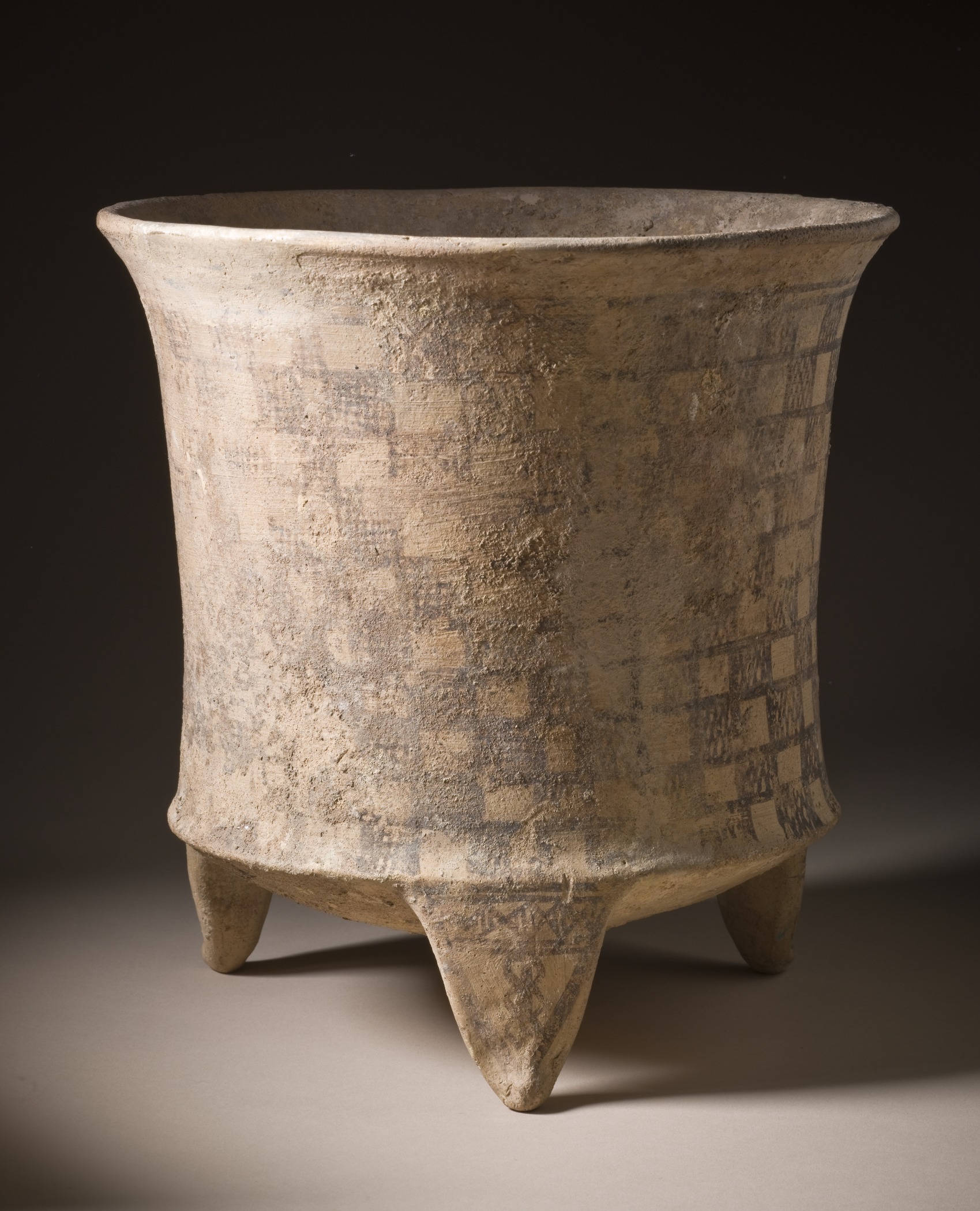
Tepe Giyan
Necropolis with distinctive pottery in Iran.
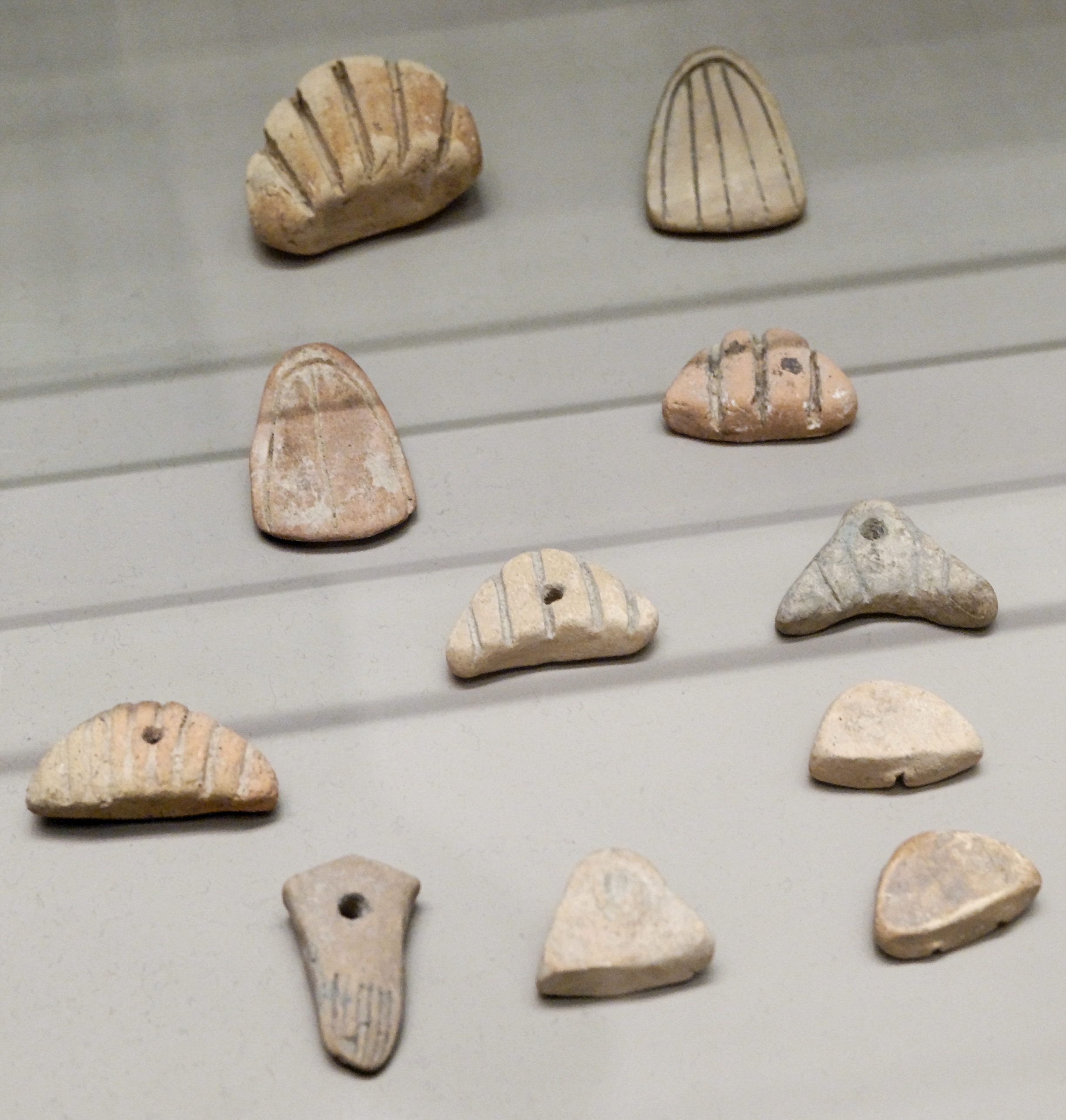
Tepe Sofalin
Ancient mound with Proto-Elamite artifacts
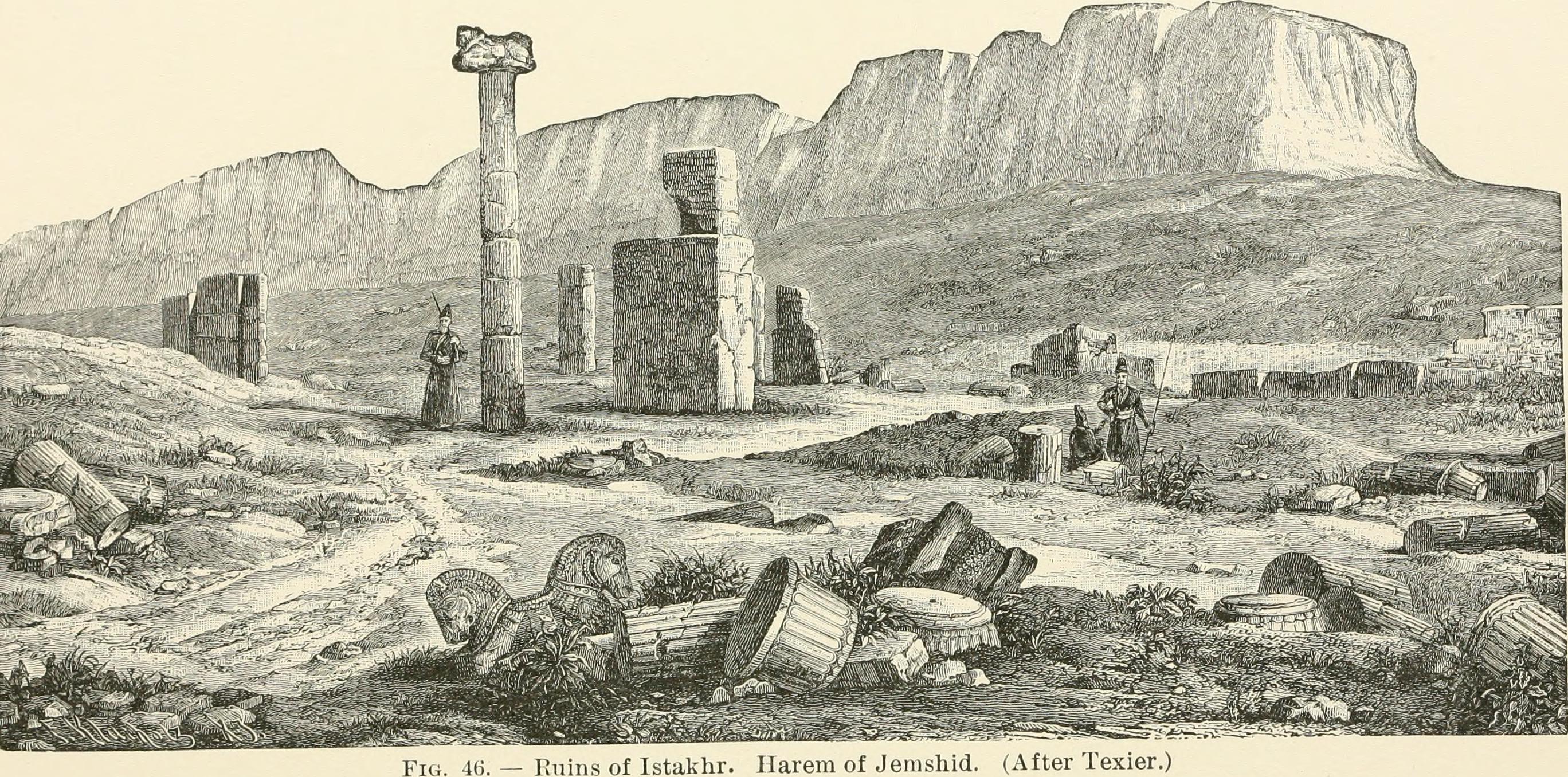
Istakhr
Ancient city with religious and defensive structures.
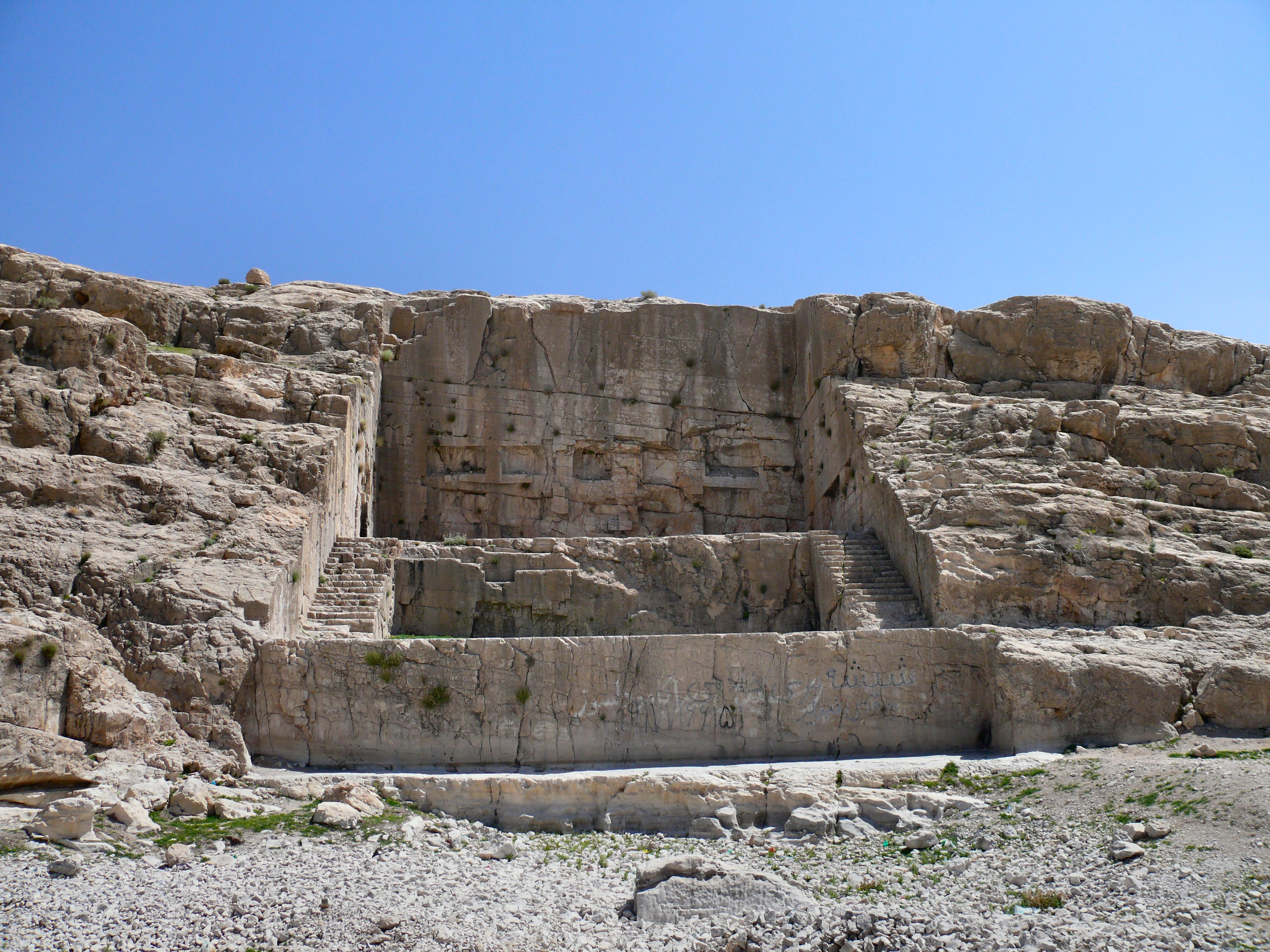
Qadamgah (ancient site)
Achaemenid rock-cut monument with terraces
Tappeh Berdankan
Sasanian site with diverse pottery artifacts.
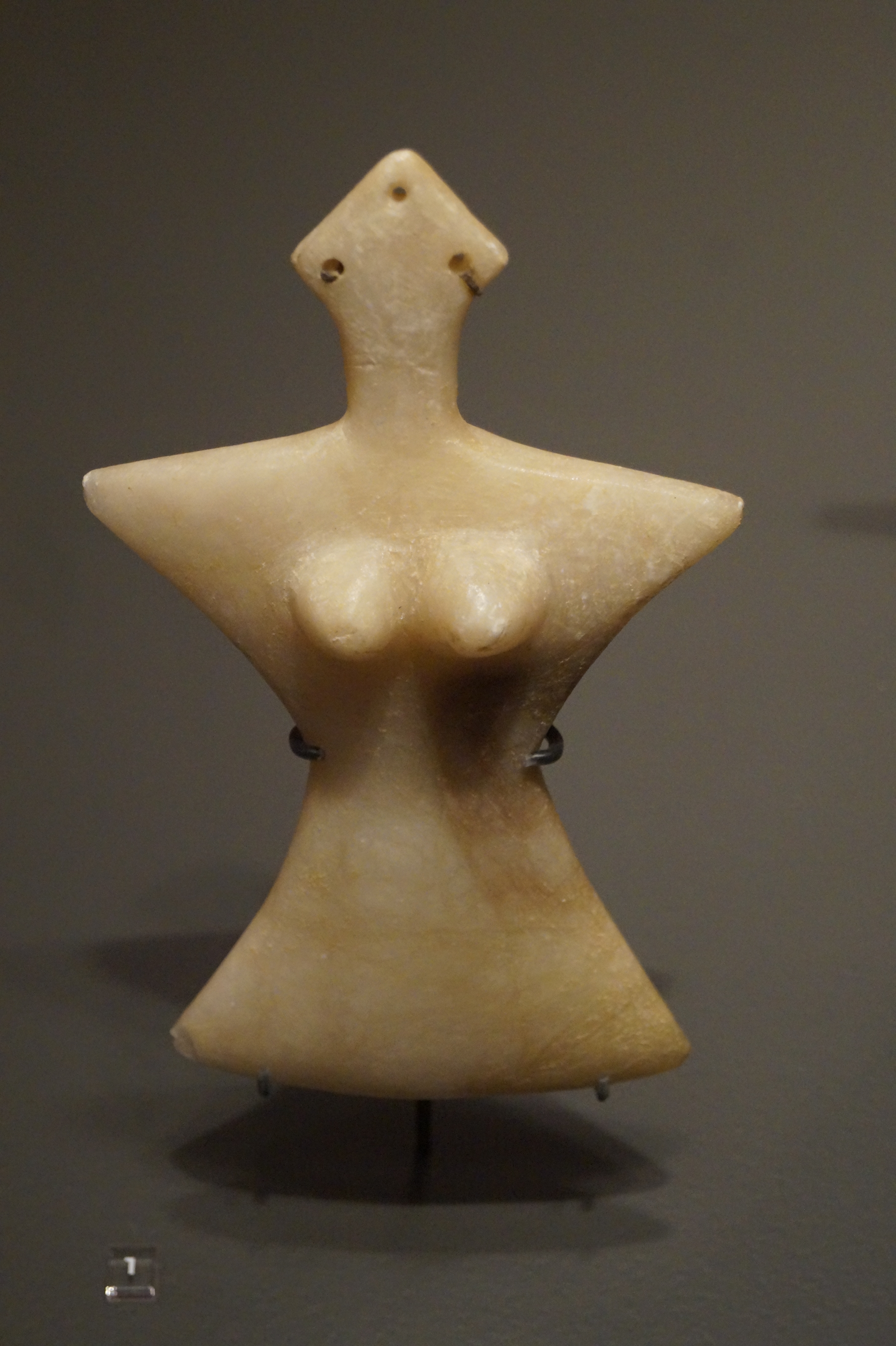
Tepe Hissar
Prehistoric site with rich cultural artifacts