Explore the Map
Tang-e Sarvak
31.0103° N, 50.1722° E
About
Tang-e Sarvak, located in Khuzestan Province, southwestern Iran, is an archaeological site dating back to the Parthian era. The site is primarily known for its four panels that feature 2nd-century Aramaic inscriptions, which bear a resemblance to Mandaic letters. These inscriptions provide insight into the linguistic and cultural exchanges that occurred during this period. The presence of such inscriptions highlights the artistic and communicative practices of the Parthians. Given its historical context and the nature of the inscriptions, Tang-e Sarvak serves as an important piece of the puzzle in understanding the cultural dynamics of the Parthian Empire, which was a significant political and cultural force in ancient Iran.
Historical Timeline
Journey through time and discover key events in this site's history
2nd-century Inscriptions
2nd century CE
Archaeological Features
Unique architectural and cultural elements found at this historical site
Artistic and Decorative Features
Frequently Asked Questions
Plan Your Visit
Tours, travel arrangements, and practical information
Recommended Tours

More Sites in Iran
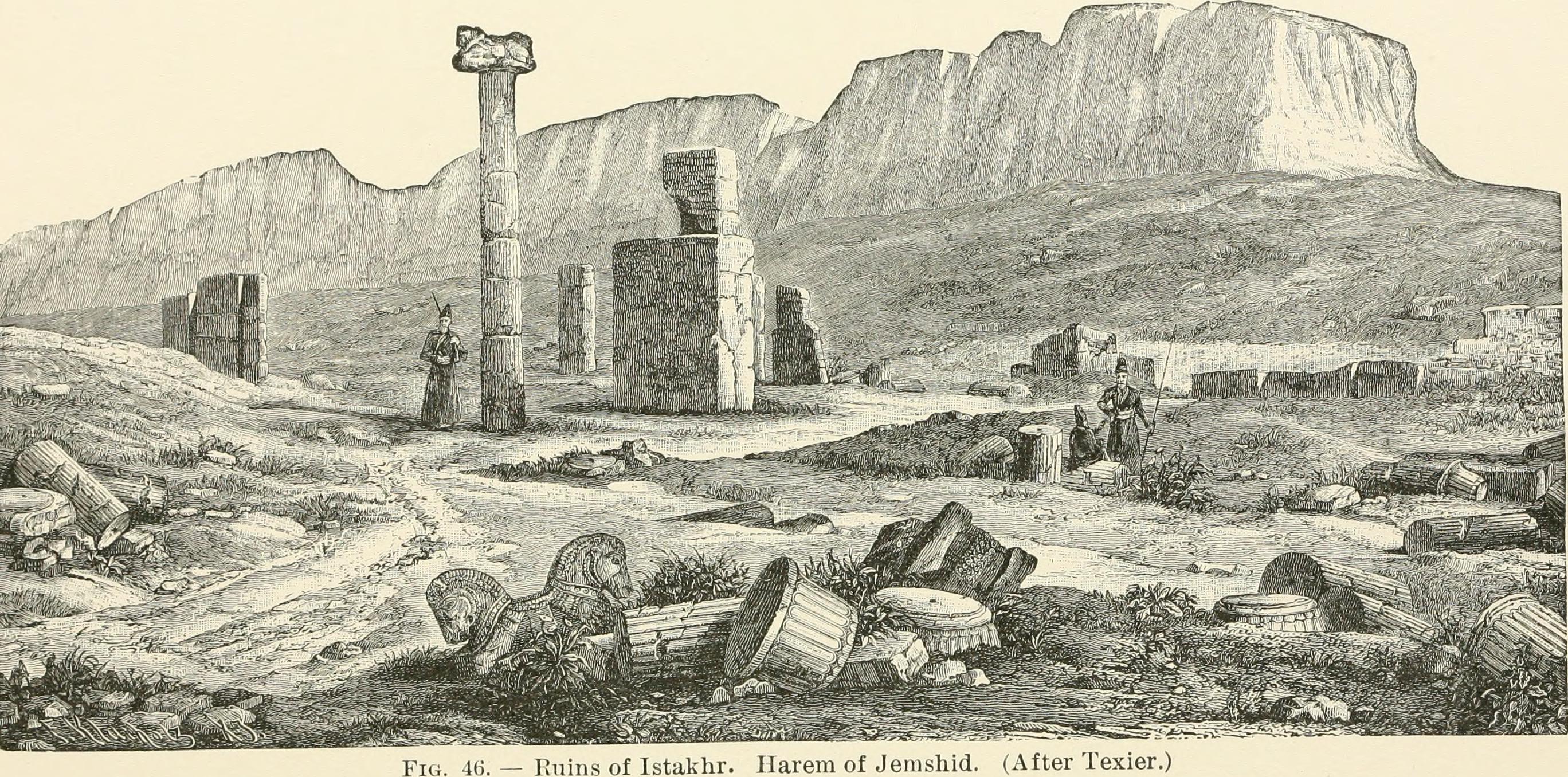
Istakhr
Ancient city with religious and defensive structures.
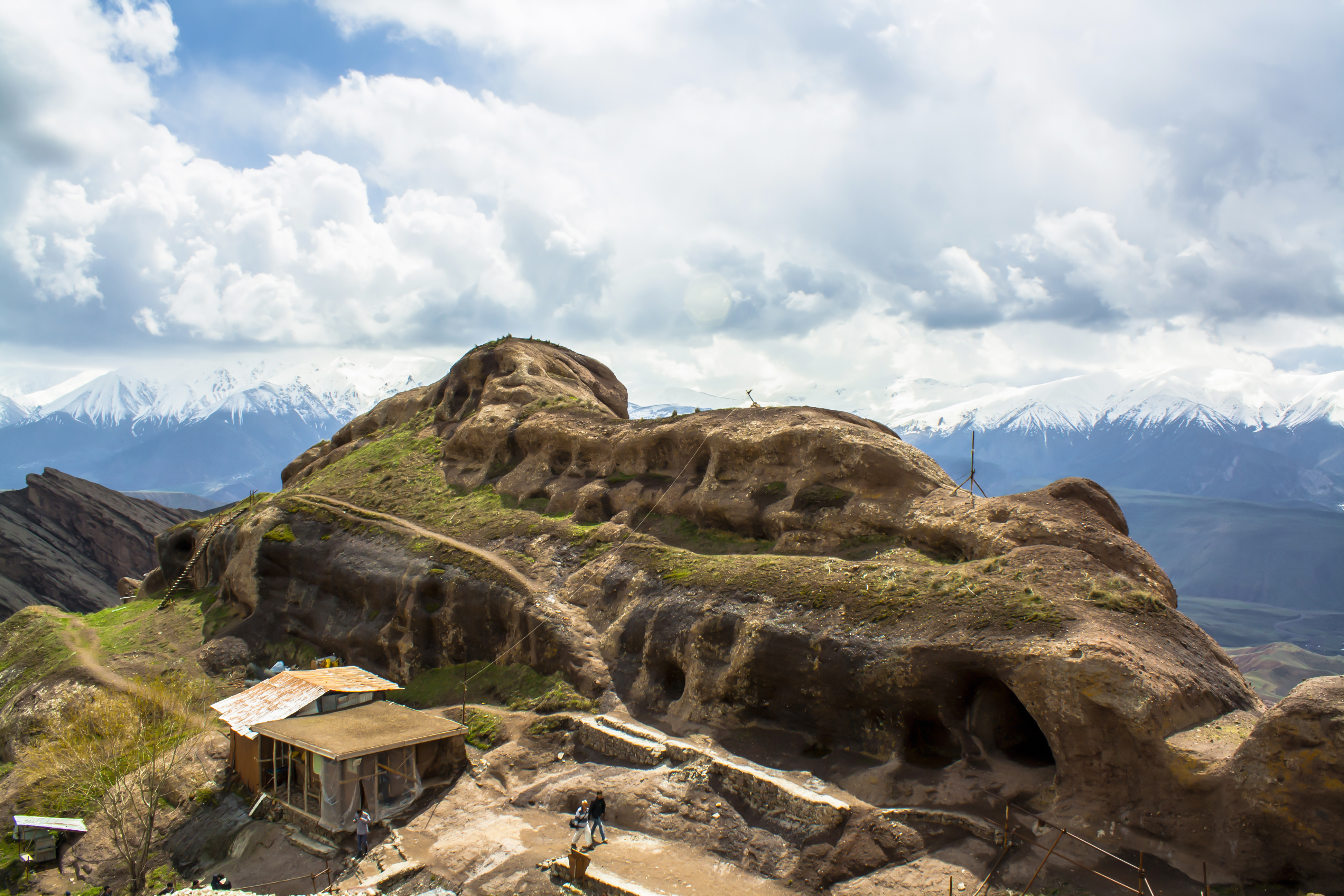
Mount Khajeh
Flat-topped basalt hill with ancient ruins
Tappeh Berdankan
Sasanian site with diverse pottery artifacts.
Chogha Bonut
Oldest lowland village in southwestern Iran.
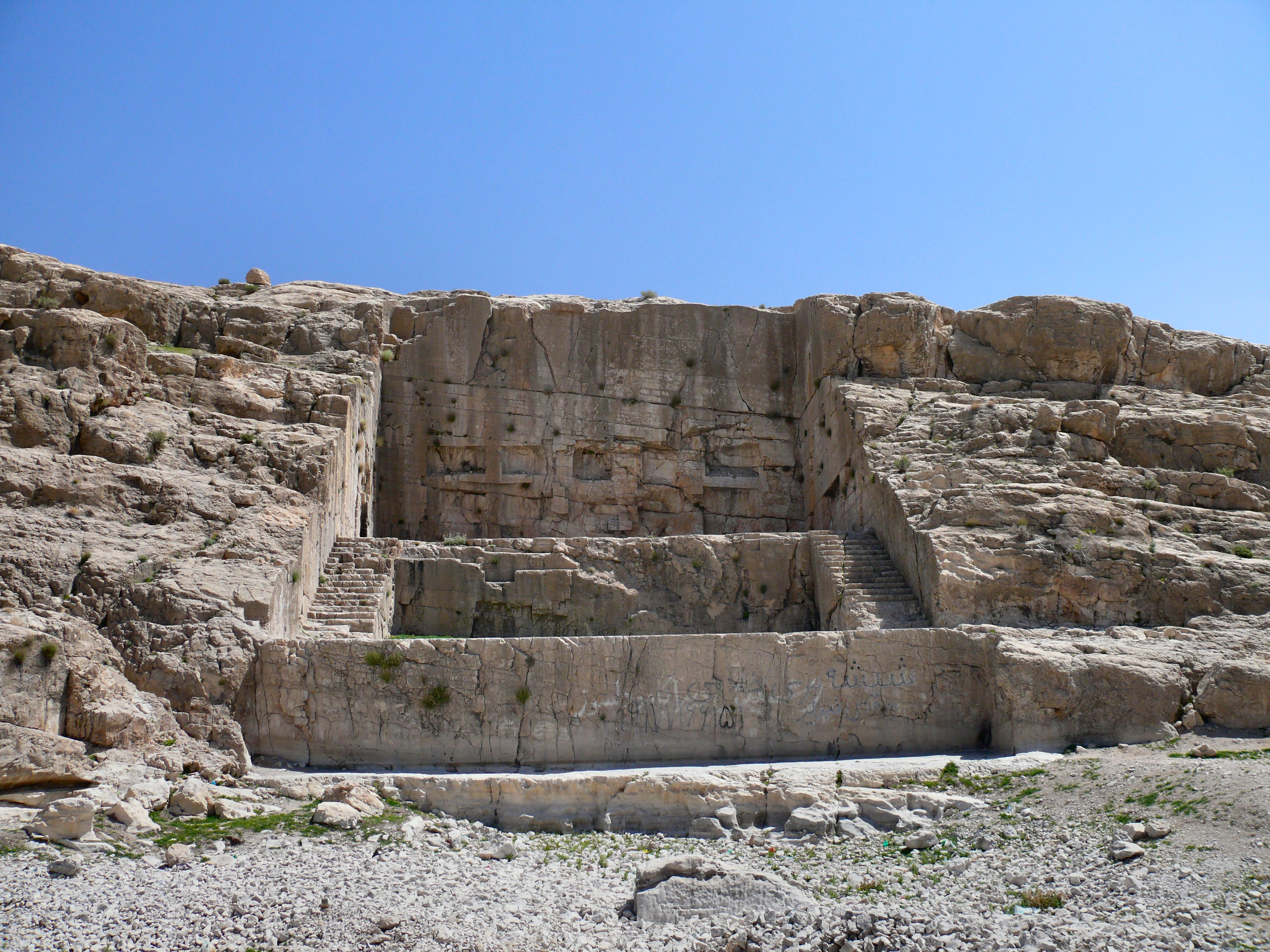
Qadamgah (ancient site)
Achaemenid rock-cut monument with terraces
Qaleh Kurd
Prehistoric cave site with human activity evidence