Explore the Map
Ahura Mazda and Ardashir I
29.9886° N, 52.8719° E
About
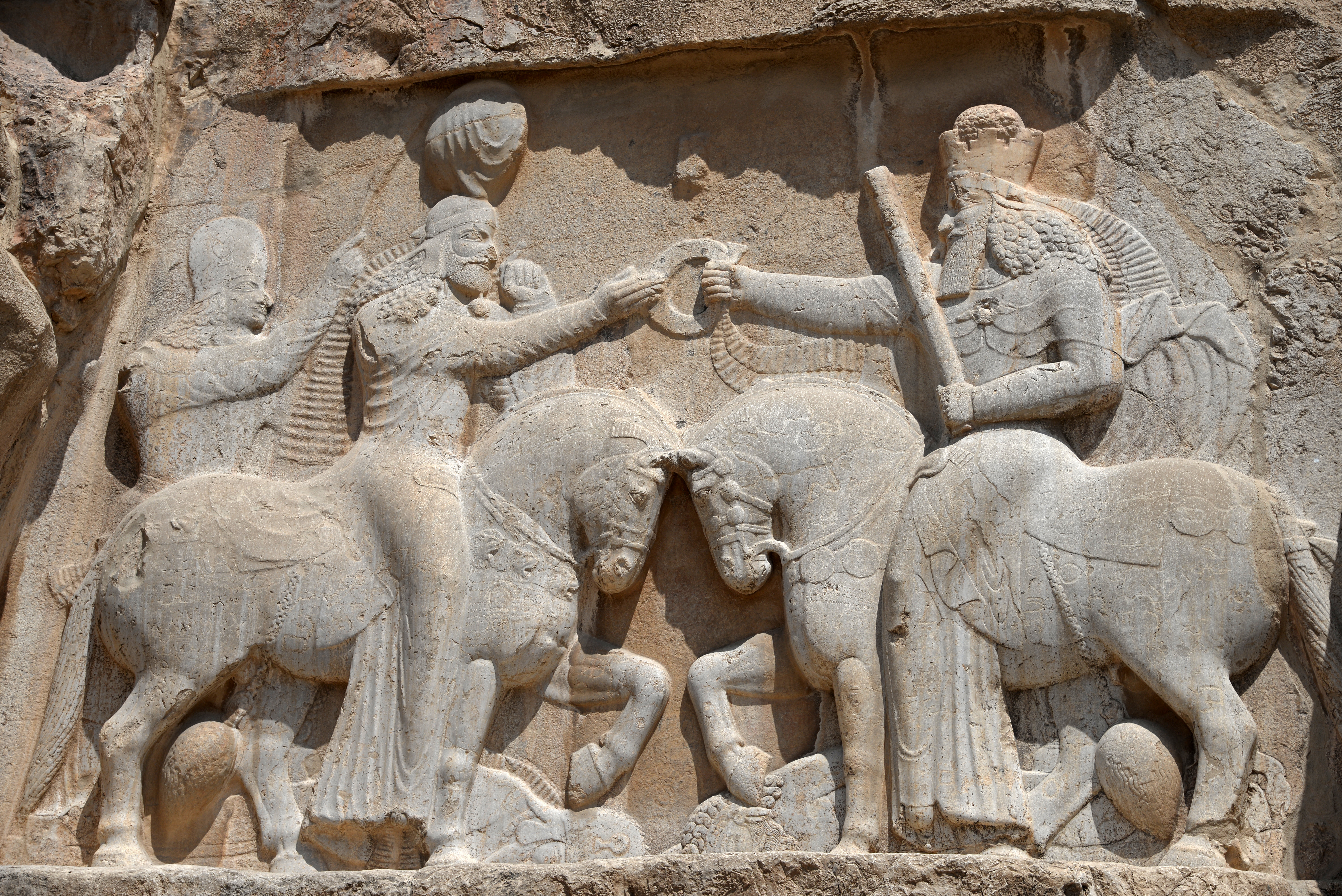
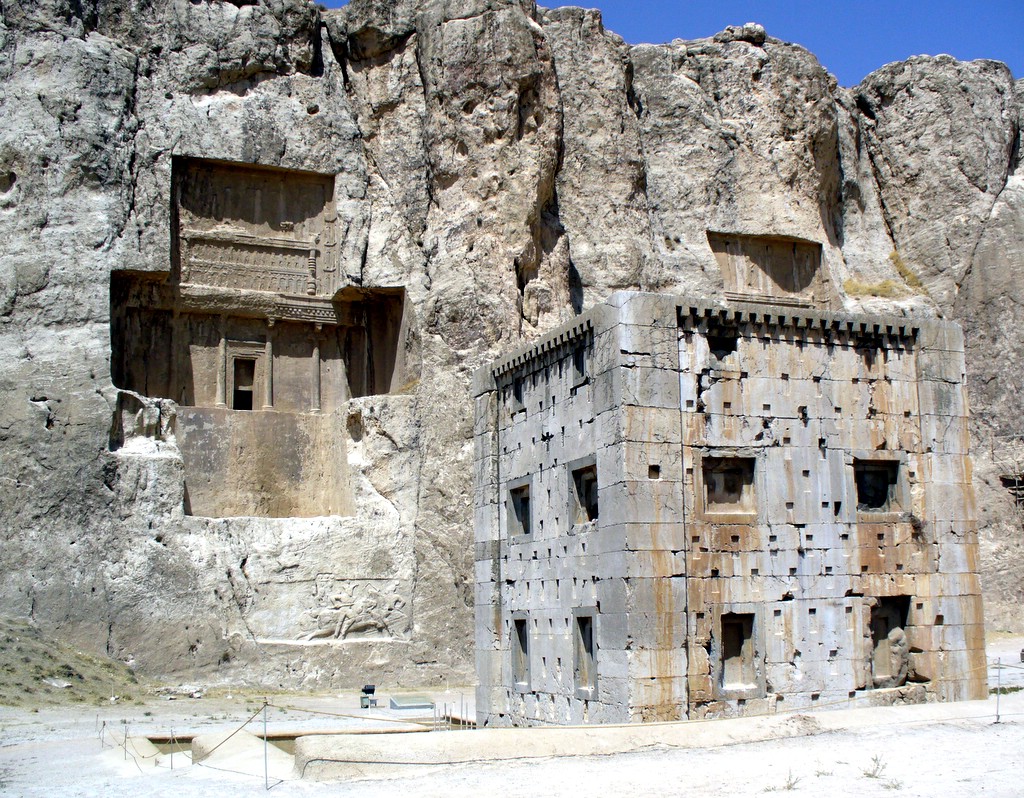
The Ahura Mazda and Ardashir I rock relief is a significant archaeological site located at Naqsh-e Rostam, Sasanian Persia. Carved around 235 CE, it is one of the oldest Sasanian rock reliefs, capturing the coronation ceremony of Ardashir I. This relief, measuring 6.65 meters in width and 2.40 meters in height, depicts Ardashir I and the god Ahura Mazda on horseback, symbolizing the divine endorsement of Ardashir's rule as Shahanshah of Ērānshahr. The scene includes other notable figures such as the high priest Kartir and the defeated Artabanus V, the last Parthian king. Inscriptions in Middle Persian, Parthian, and Greek further emphasize the relief's historical and cultural significance by highlighting its Sasanian origins. The relief's excellent preservation allows for a deep understanding of Sasanian art and royal iconography.
Gallery
Explore photographs of ancient structures, artifacts, and archaeological excavations
Historical Timeline
Journey through time and discover key events in this site's history
Coronation of Ardashir I
235 CE
Archaeological Features
Unique architectural and cultural elements found at this historical site
Artistic and Decorative Features
Frequently Asked Questions
Plan Your Visit
Tours, travel arrangements, and practical information
More Sites in Iran
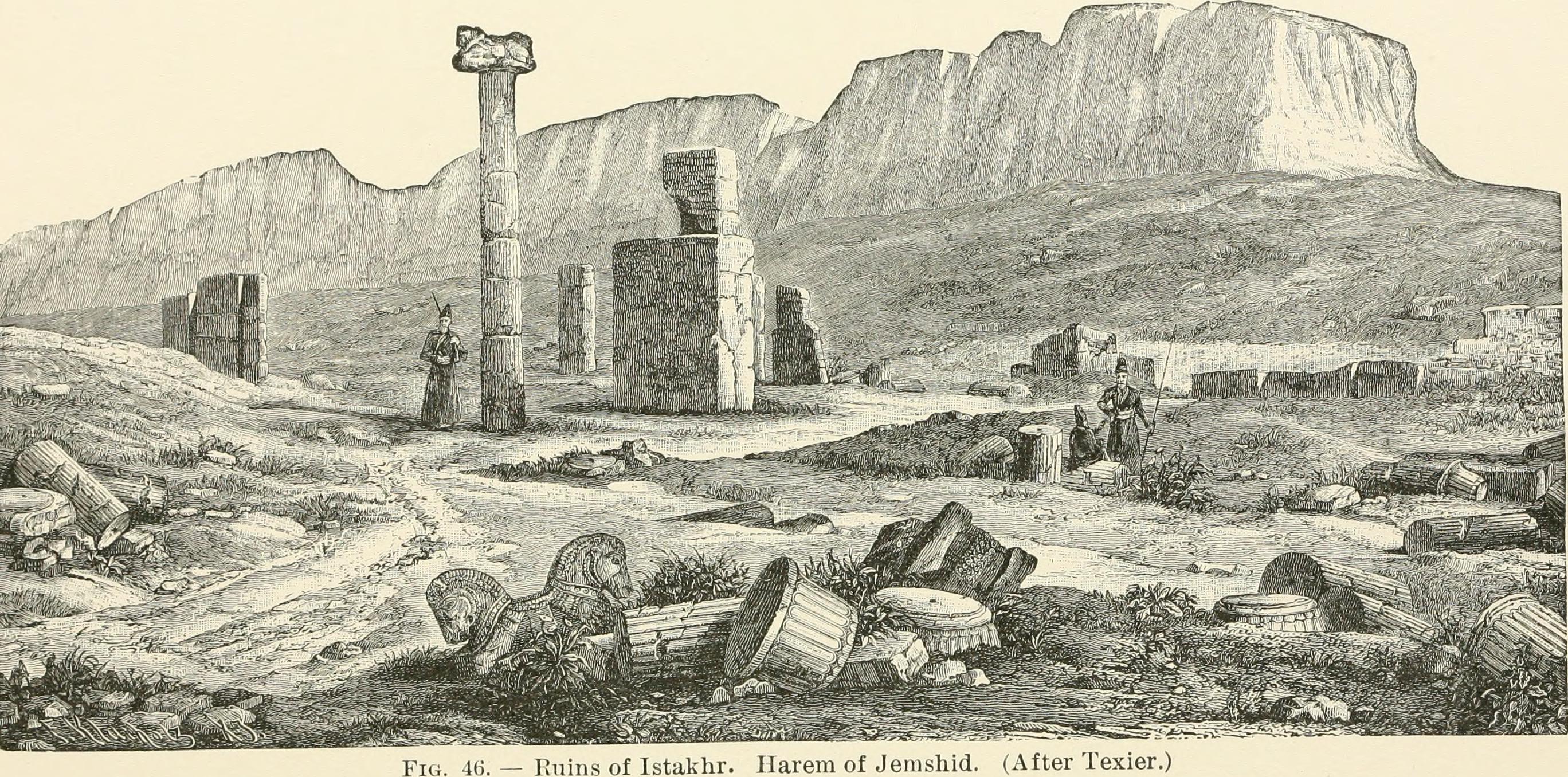
Istakhr
Ancient city with religious and defensive structures.
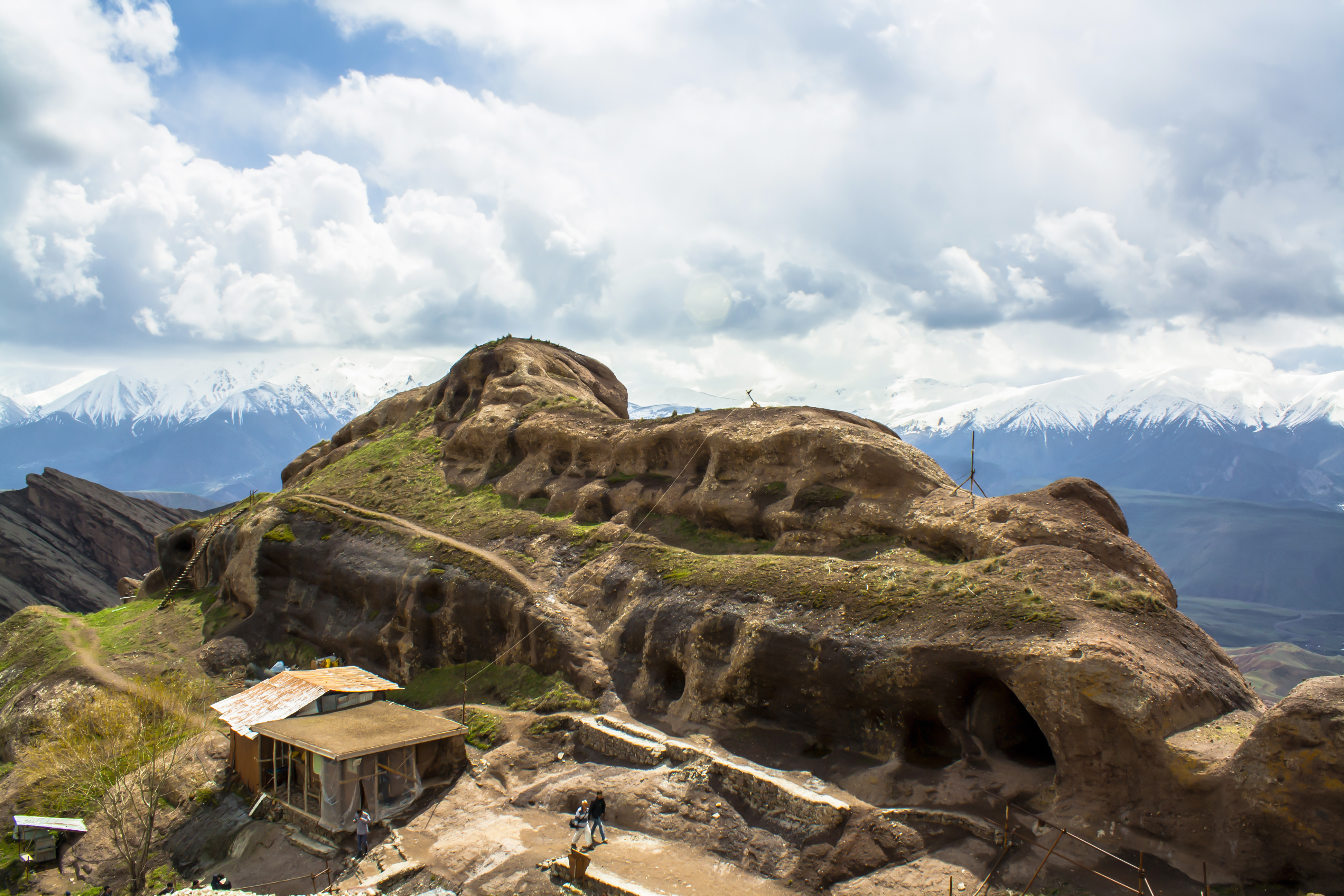
Mount Khajeh
Flat-topped basalt hill with ancient ruins
Qaleh Kurd
Prehistoric cave site with human activity evidence
Rahmatabad Mound
Ancient Chalcolithic settlement with industrial features
Teppe Zagheh
Early urban settlement with painted buildings.
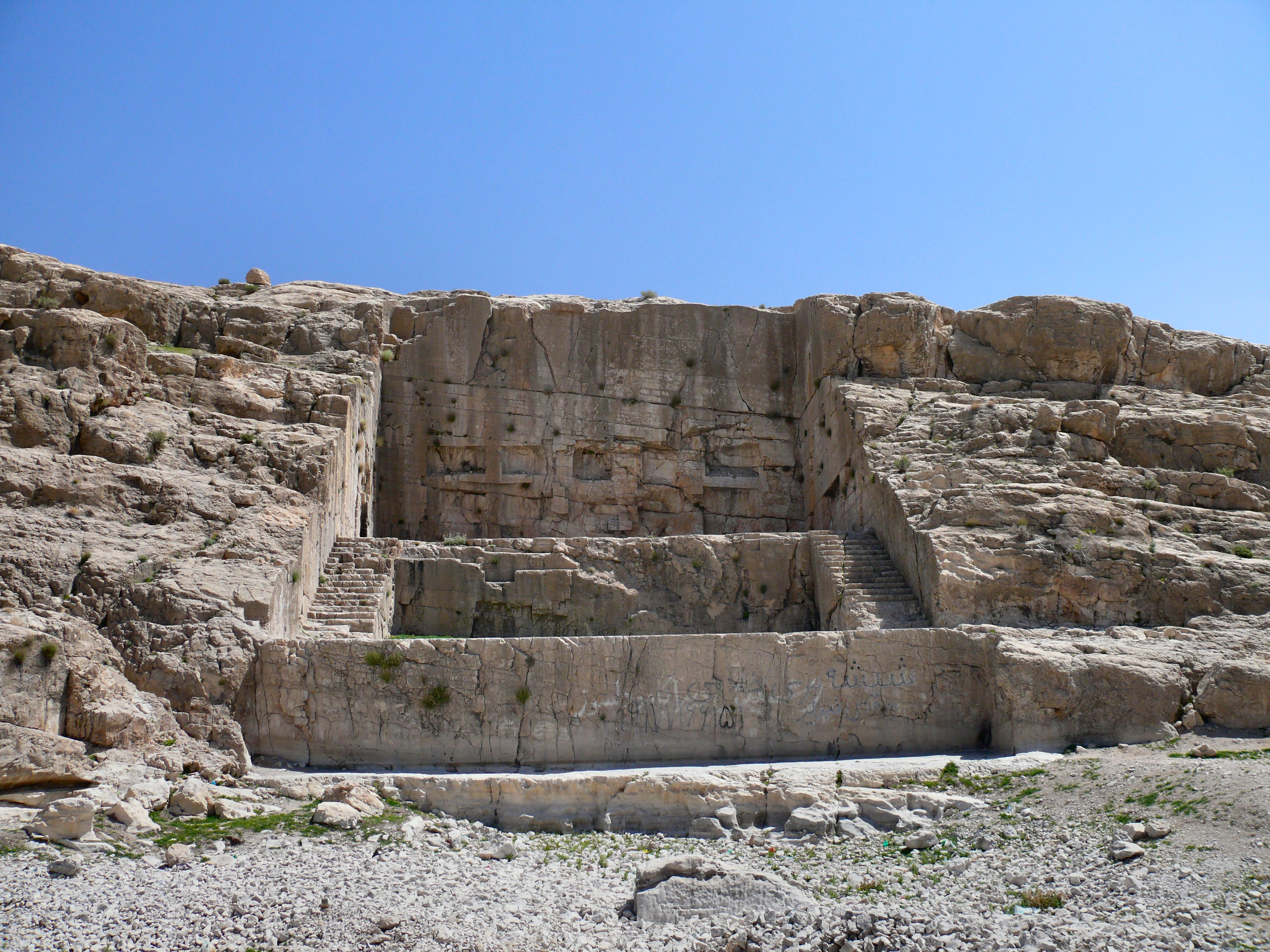
Qadamgah (ancient site)
Achaemenid rock-cut monument with terraces