Explore the Map
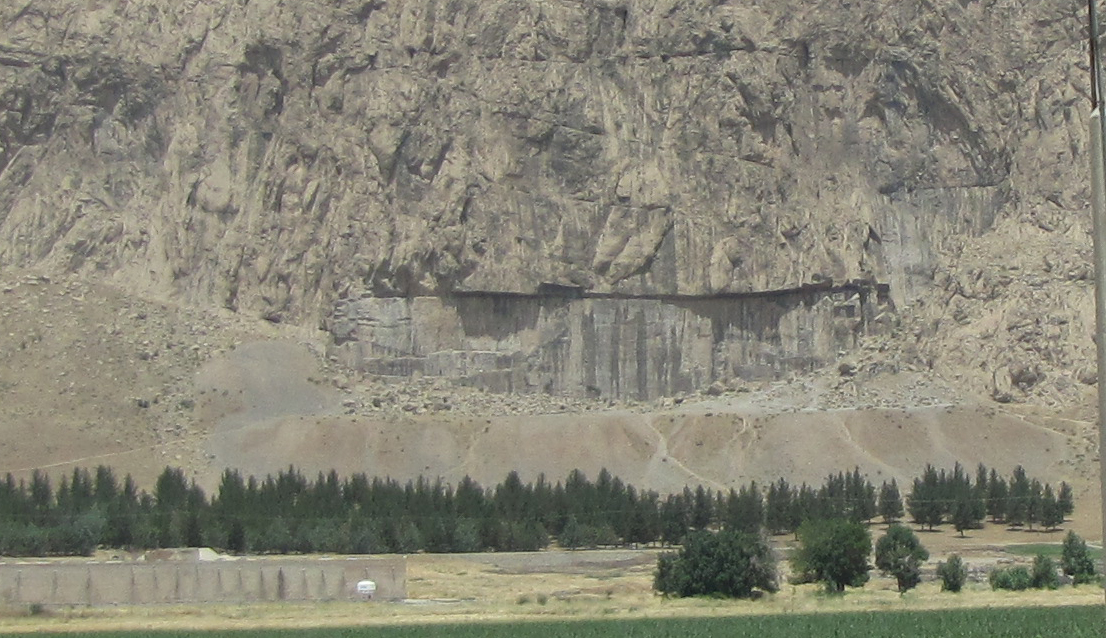
Mount Behistun
34.3898° N, 47.4273° E
About
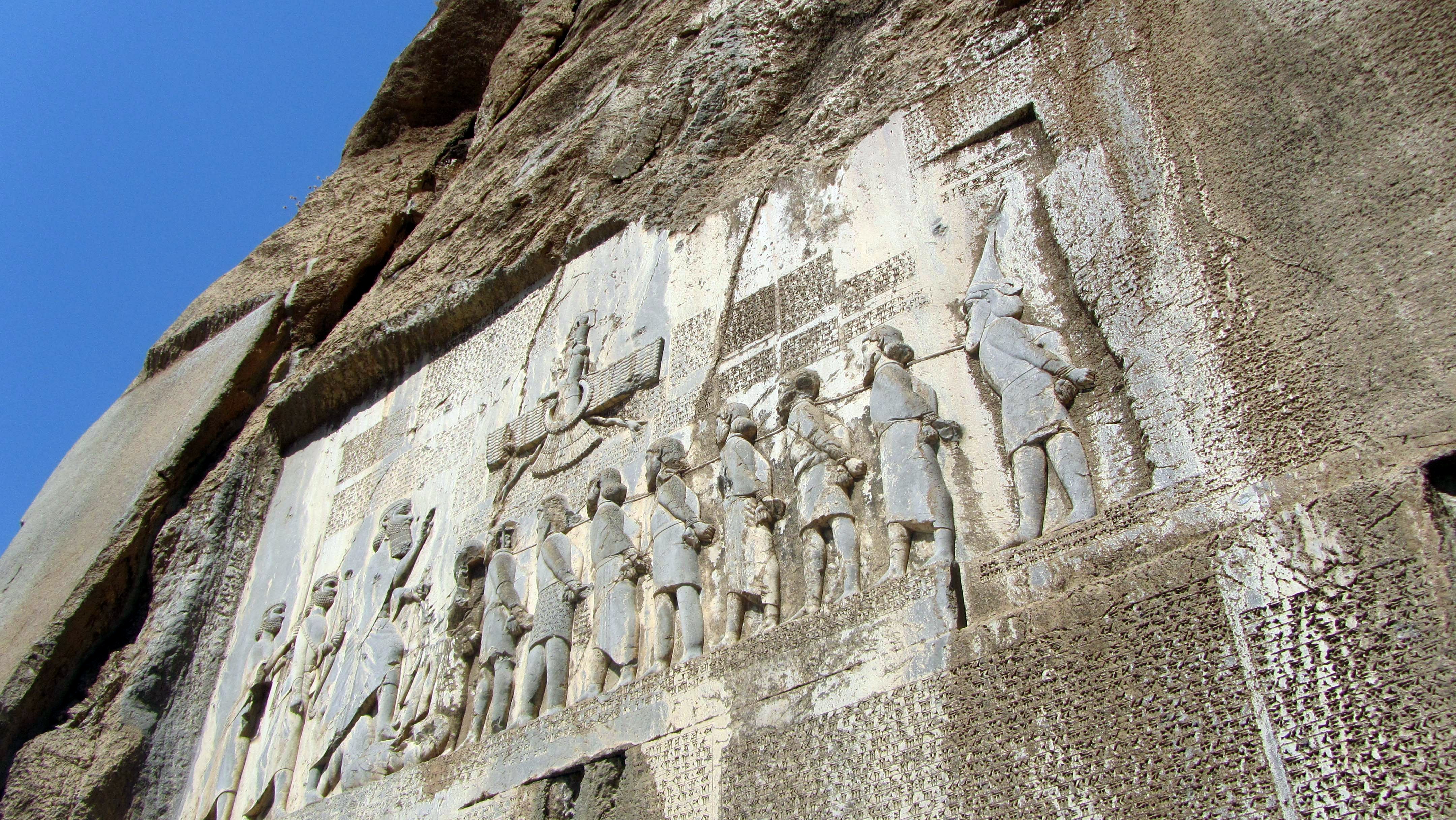
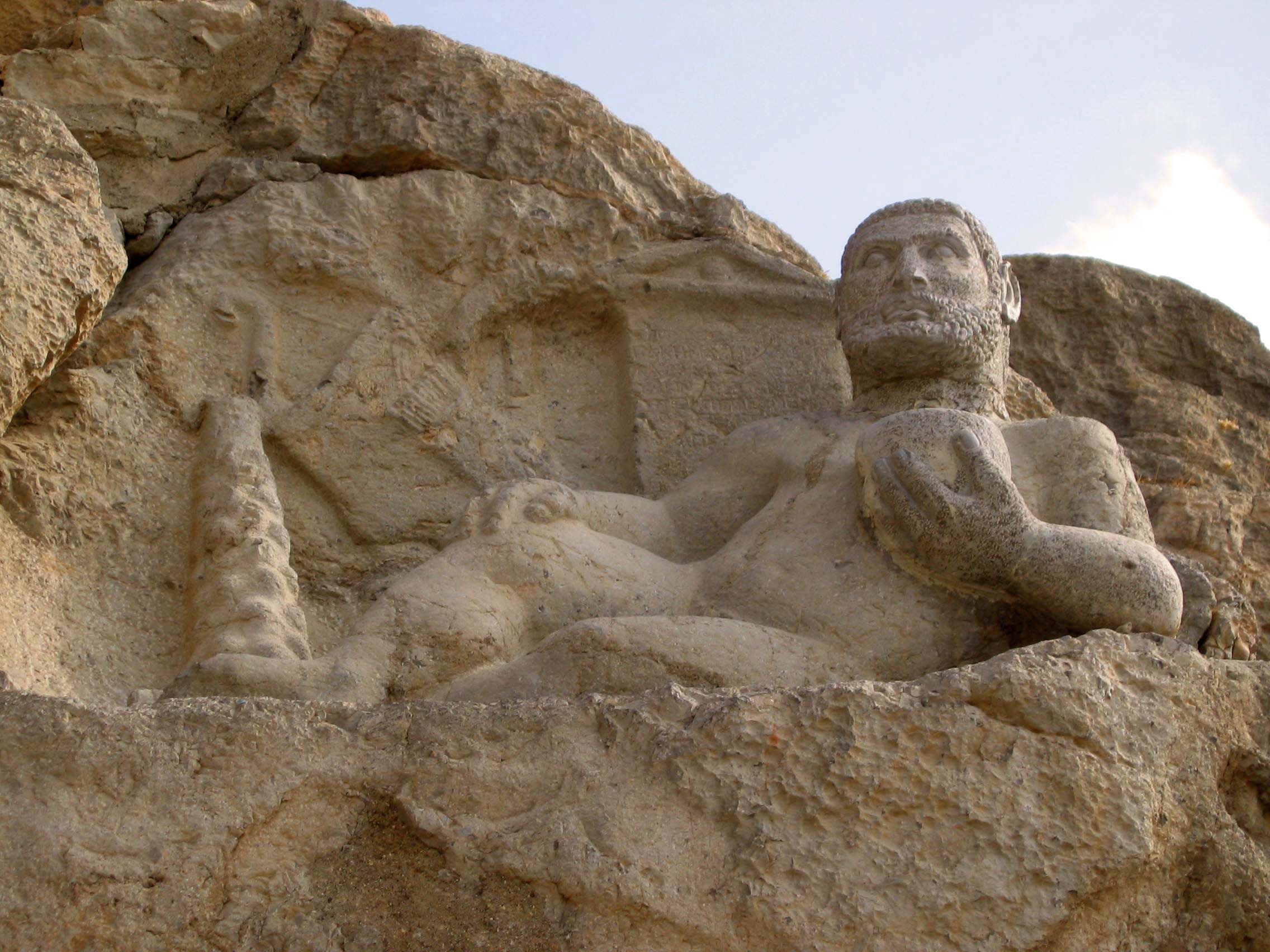
Mount Behistun, located in Kermanshah Province, Iran, is an archaeological site of great historical significance due to the Behistun Inscription. This monumental inscription, carved during the reign of Darius I in the 6th century BCE, is a multilingual narrative that provides insights into the Persian Empire's history and administration. The inscription was crafted on a flat rock face of the mountain and is an extraordinary example of ancient Persian epigraphy. It serves as a critical source for understanding the languages and script of the time, being inscribed in three different languages. The site is also embedded in local cultural tradition through Persian legends. As a testament to the artistic and communicative achievements of the Achaemenid Empire, Mount Behistun stands as a crucial archaeological and historical landmark.
Gallery
Explore photographs of ancient structures, artifacts, and archaeological excavations
Historical Timeline
Journey through time and discover key events in this site's history
Darius I Inscription
c. 500 BCE
Archaeological Features
Unique architectural and cultural elements found at this historical site
Artistic and Decorative Features
Frequently Asked Questions
Plan Your Visit
Tours, travel arrangements, and practical information
More Sites in Iran
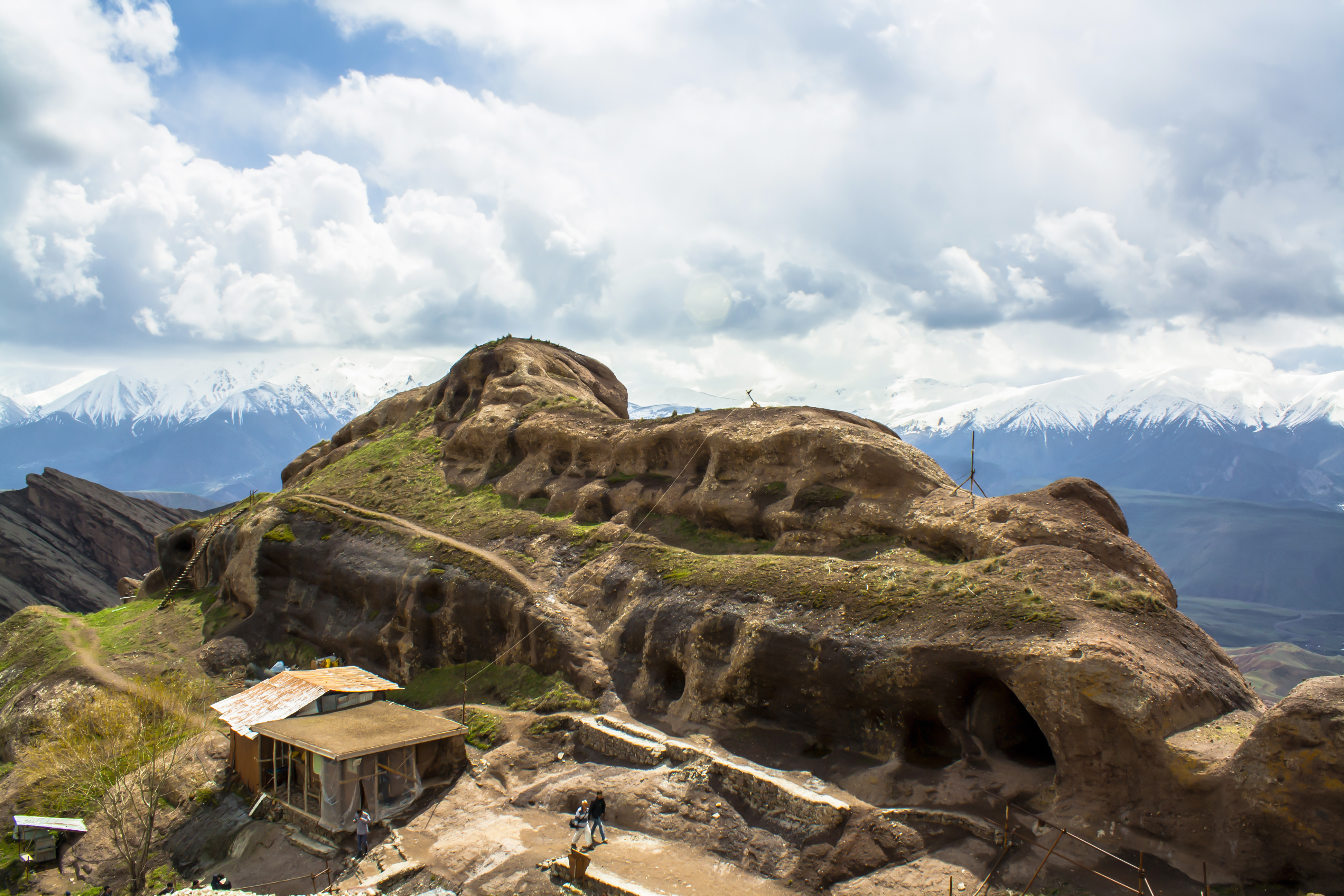
Mount Khajeh
Flat-topped basalt hill with ancient ruins
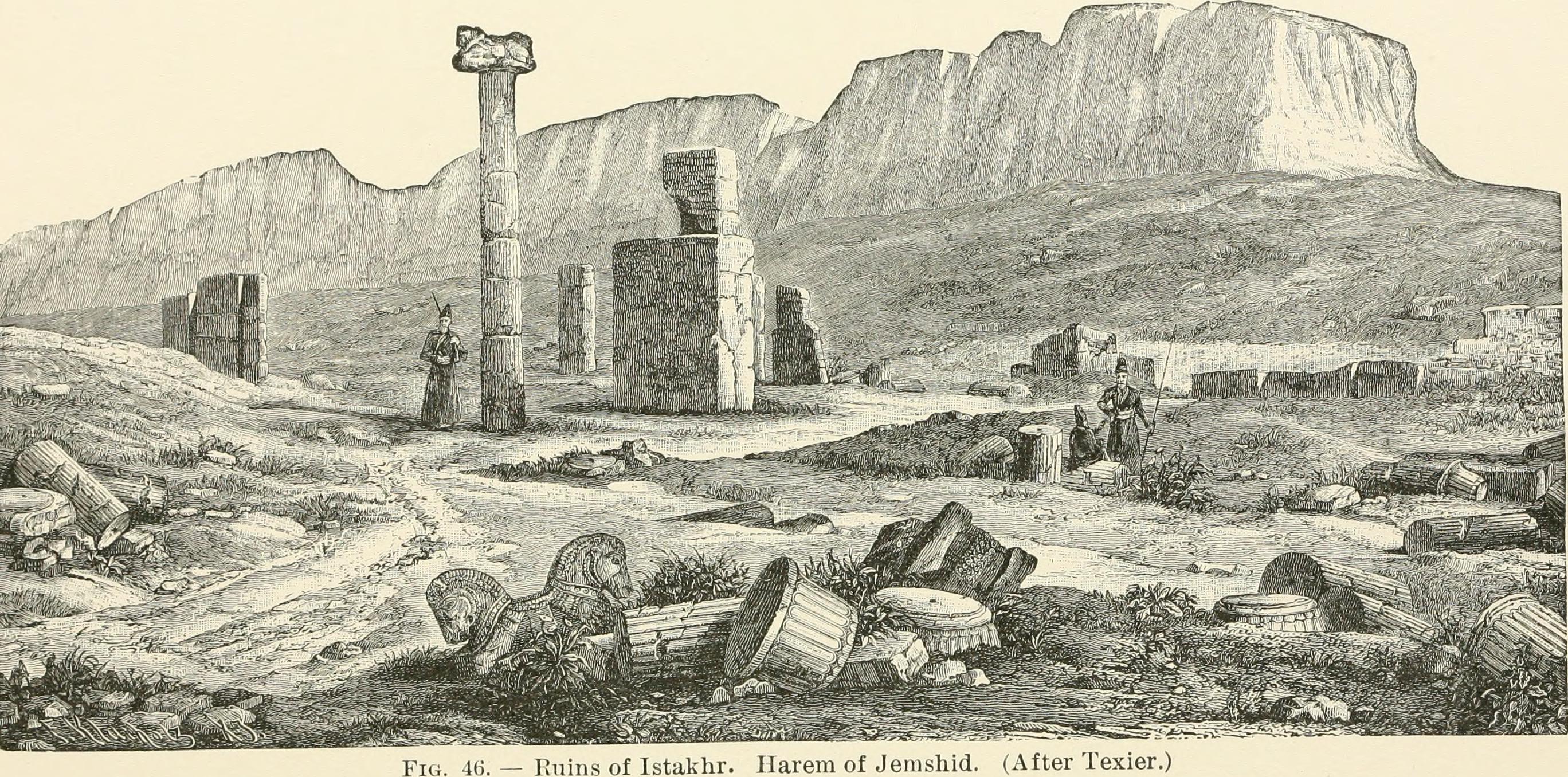
Istakhr
Ancient city with religious and defensive structures.
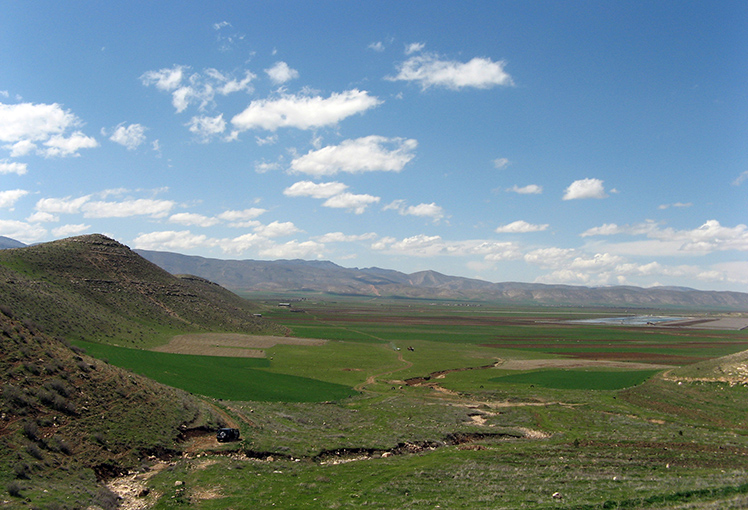
Wezmeh
Pleistocene cave site in western Iran
Chogha Bonut
Oldest lowland village in southwestern Iran.
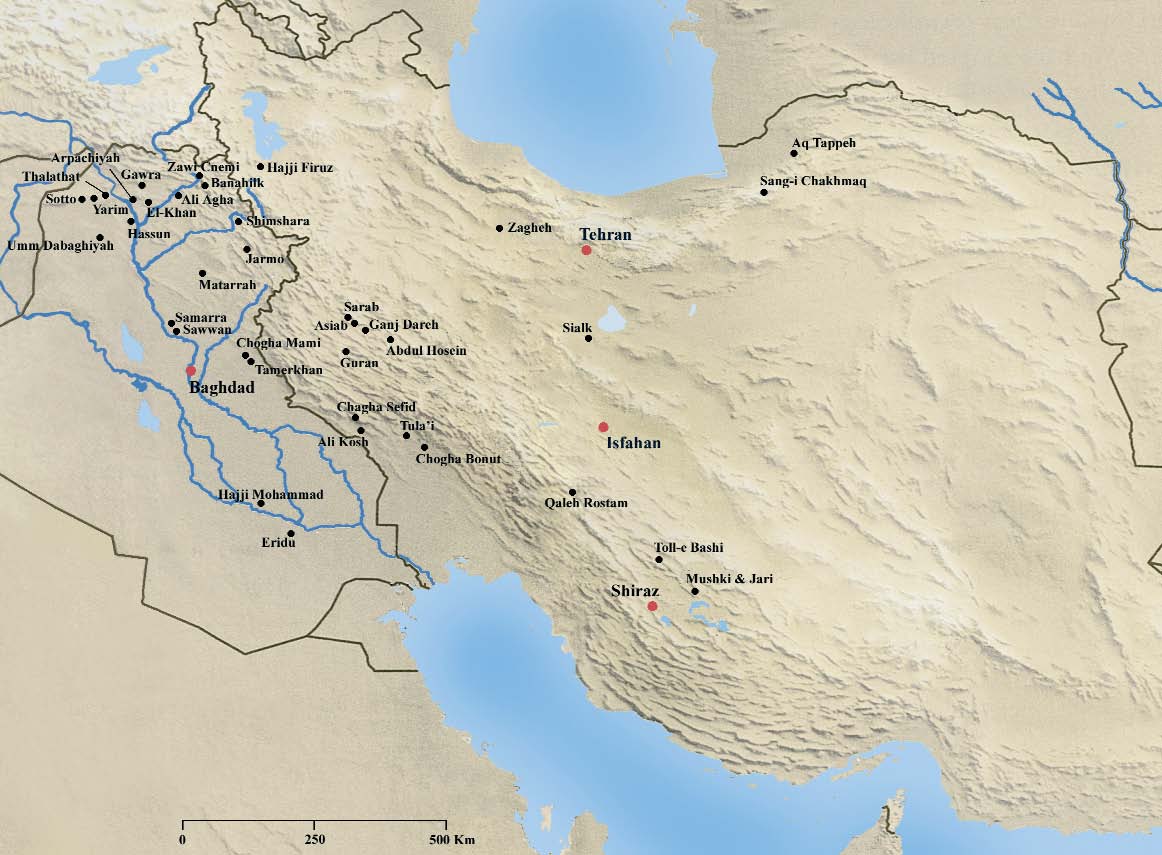
Chia Jani
Neolithic site with obsidian bladelets.
Qaleh Kurd
Prehistoric cave site with human activity evidence