
Explore the Map
Naqsh-e Rajab
29.9665° N, 52.8870° E
About
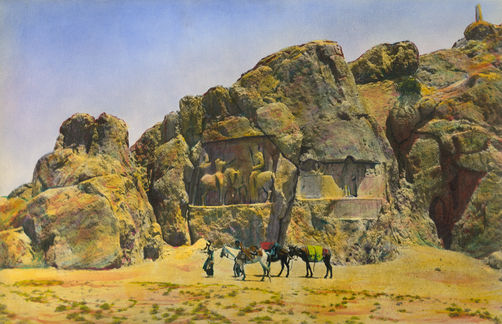
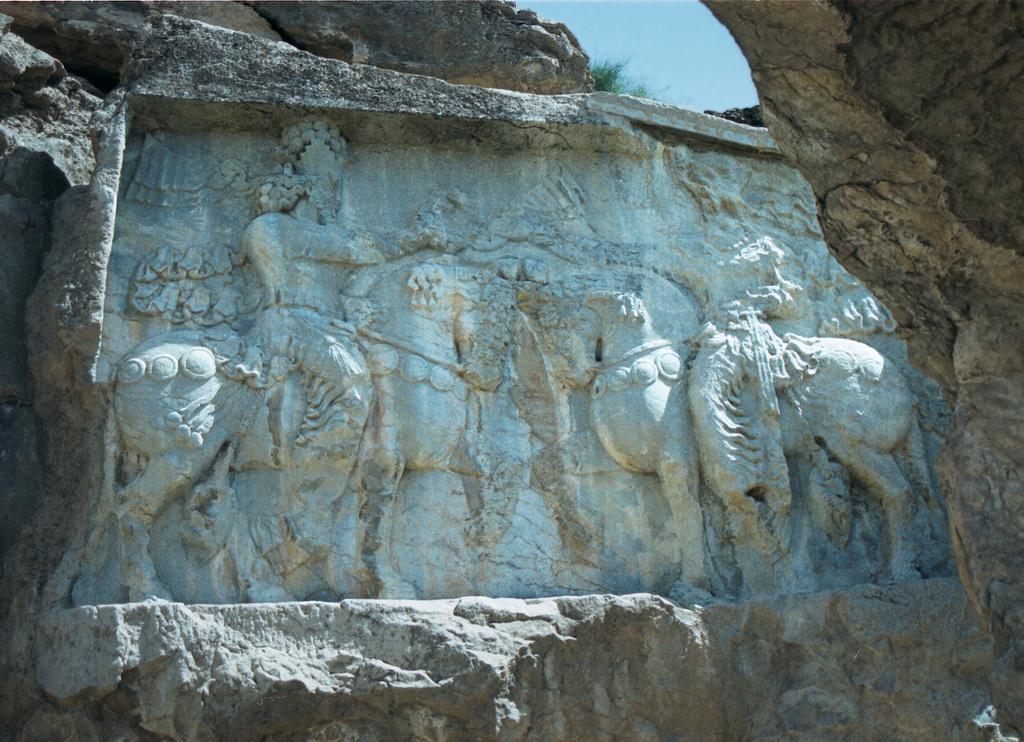
Naqsh-e Rajab, located in Fars province, Iran, is an archaeological site known for its limestone rockface inscriptions and rock-cut bas-reliefs. These artistic features date back to the early Sasanid Empire, around the 3rd century CE. Situated just 5 km north of Persepolis and close to Naqsh-e Rostam, Naqsh-e Rajab forms part of the Marvdasht cultural complex. The site is significant for its exquisite bas-reliefs, which provide valuable insights into Sasanid art and culture. The bas-reliefs likely served to commemorate important figures and events, reflective of the Sasanid Empire's influence and power. The site's proximity to other ancient landmarks enhances its archaeological importance, offering a glimpse into the rich tapestry of Iranian history during the Classical Period.
Gallery
Explore photographs of ancient structures, artifacts, and archaeological excavations
Historical Timeline
Journey through time and discover key events in this site's history
Early Sasanid Empire Bas-reliefs
200 CE - 300 CE
Archaeological Features
Unique architectural and cultural elements found at this historical site
Artistic and Decorative Features
Frequently Asked Questions
Plan Your Visit
Tours, travel arrangements, and practical information
More Sites in Iran
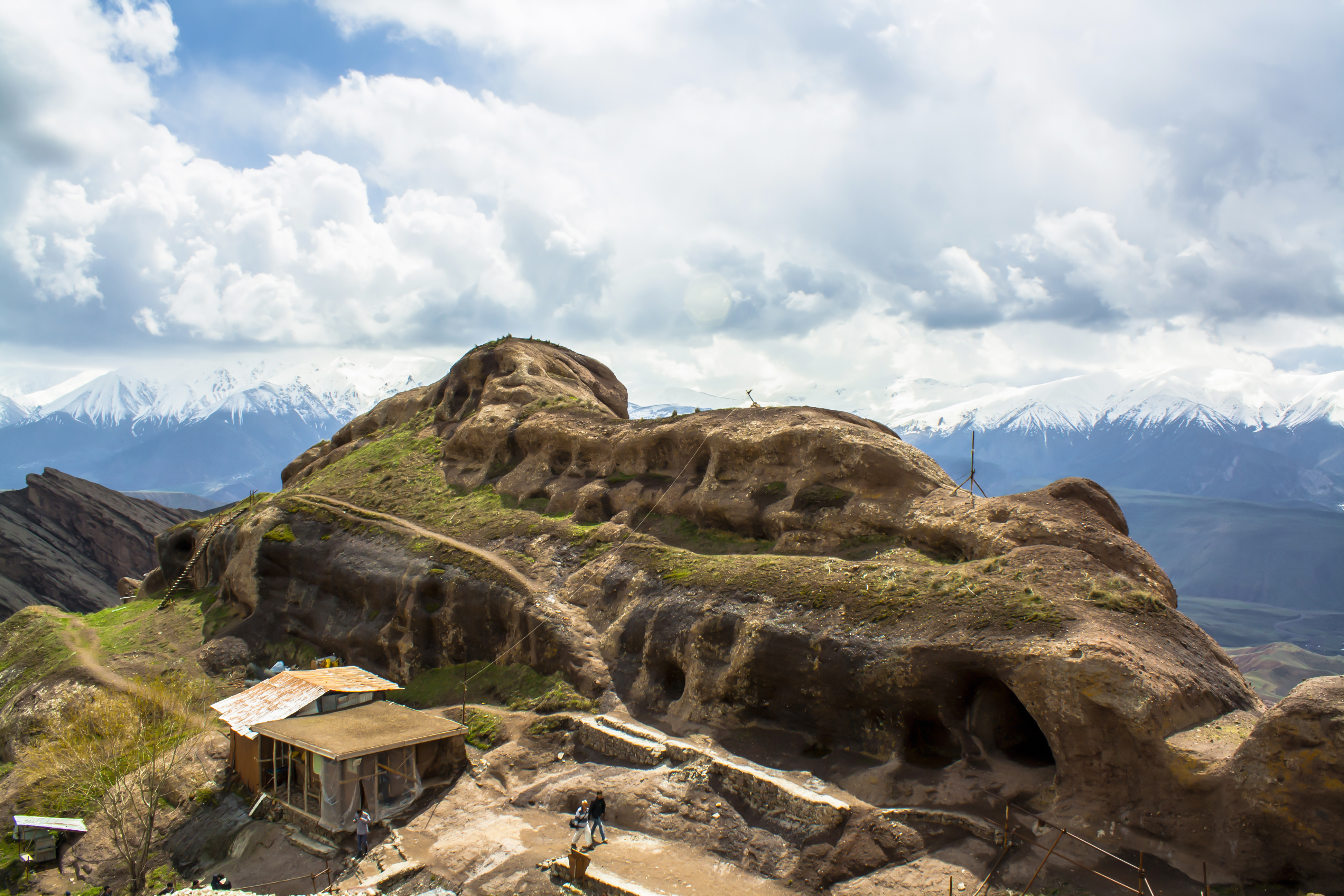
Mount Khajeh
Flat-topped basalt hill with ancient ruins
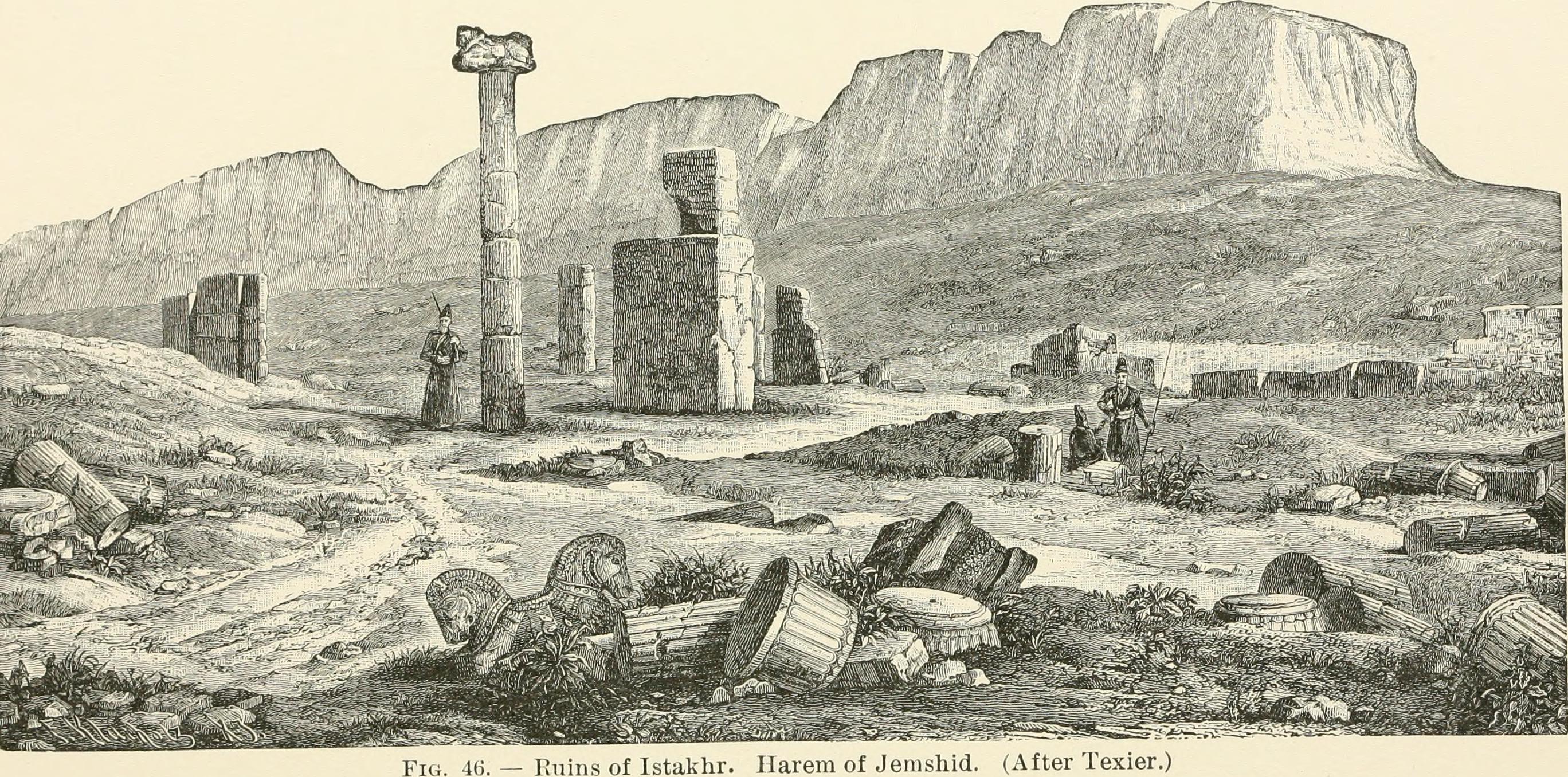
Istakhr
Ancient city with religious and defensive structures.
Tappeh Berdankan
Sasanian site with diverse pottery artifacts.
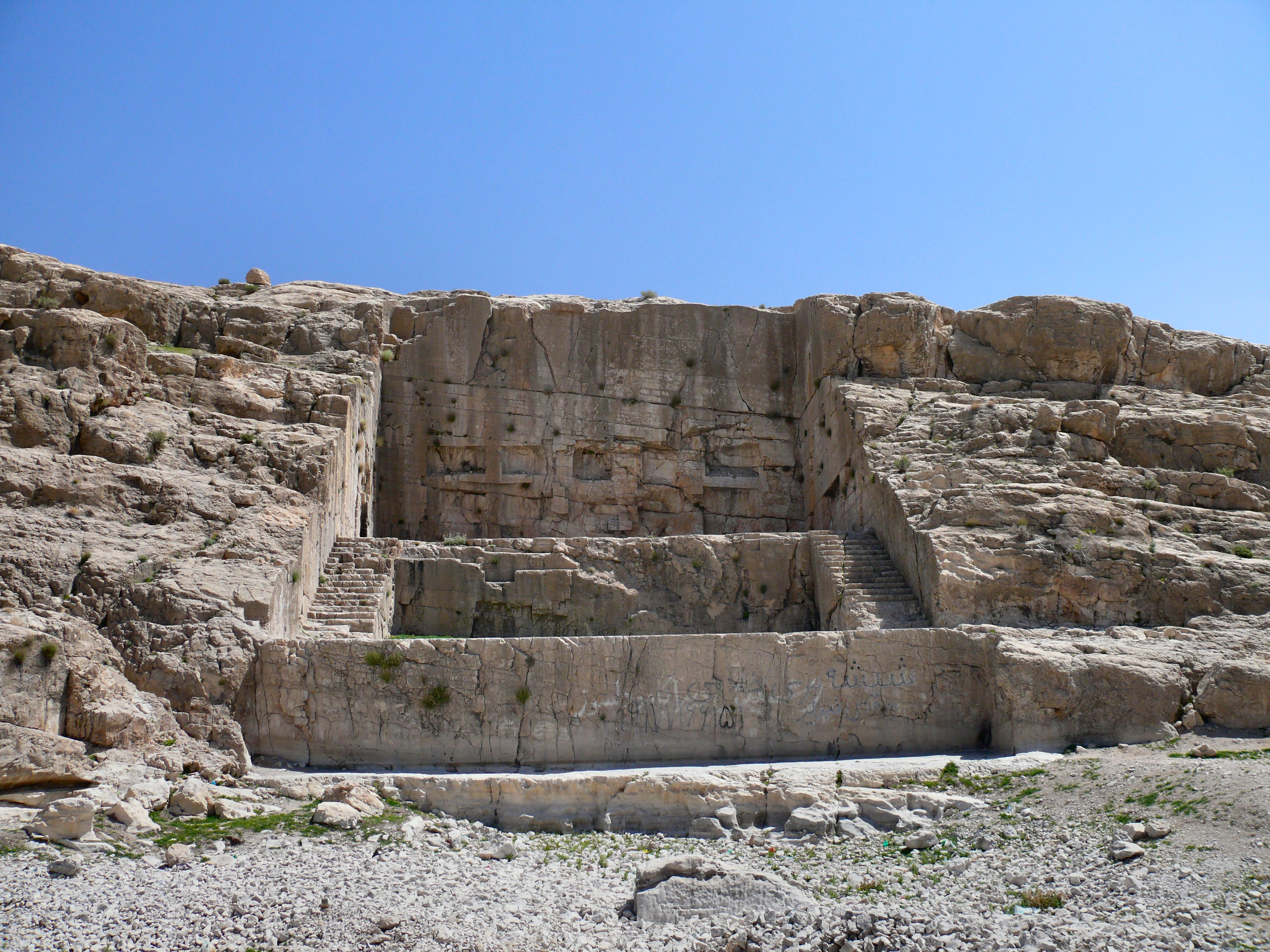
Qadamgah (ancient site)
Achaemenid rock-cut monument with terraces
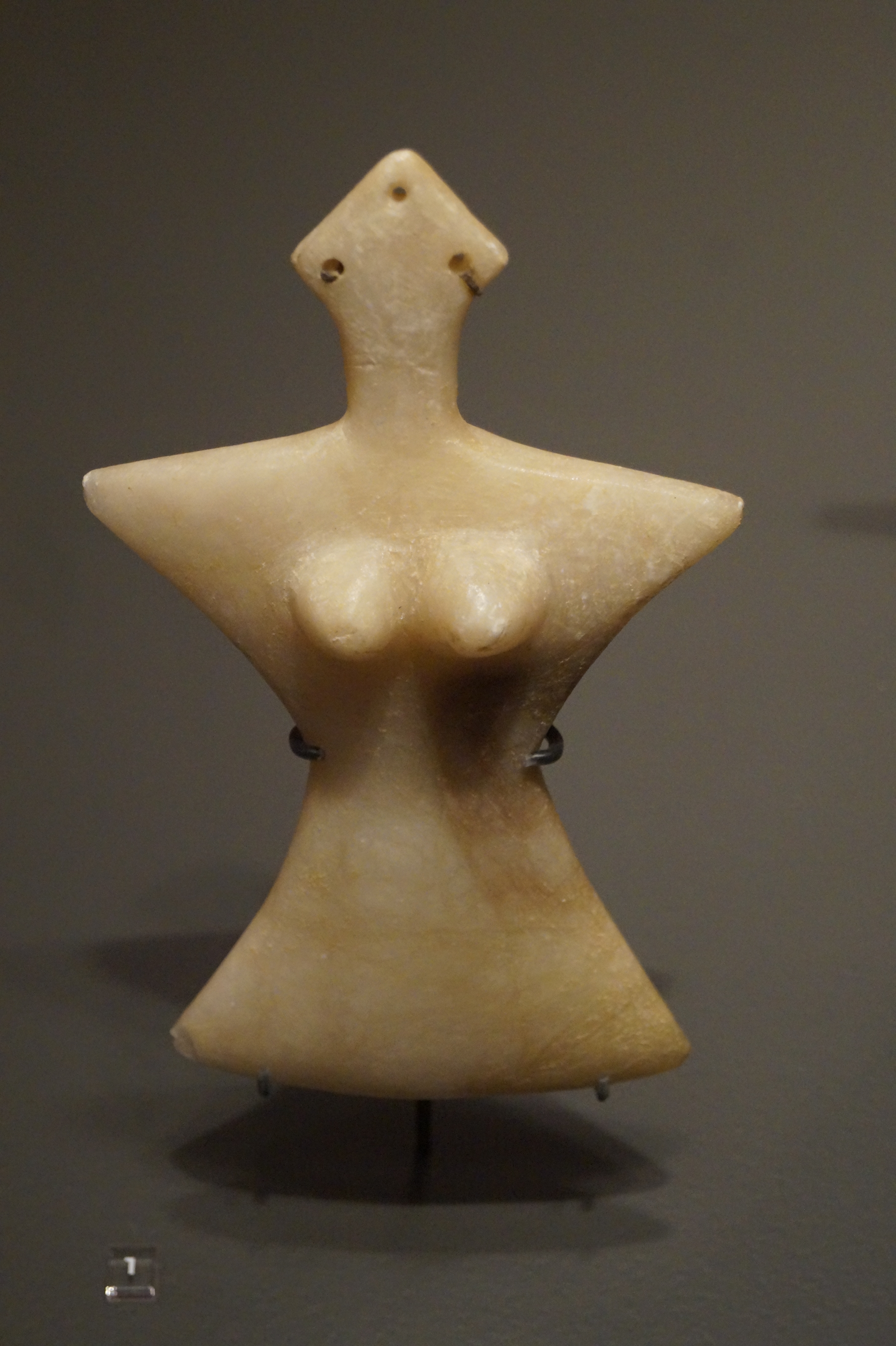
Tepe Hissar
Prehistoric site with rich cultural artifacts
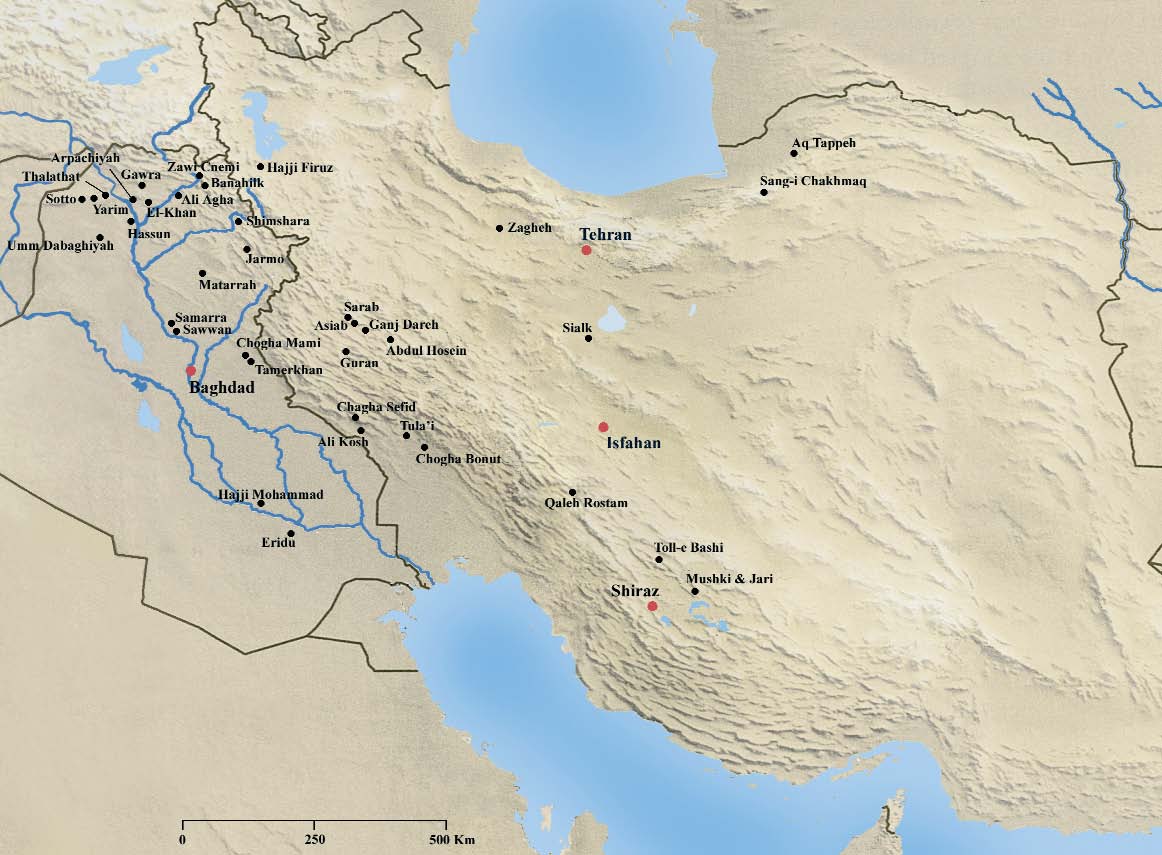
Chia Jani
Neolithic site with obsidian bladelets.