Explore the Map
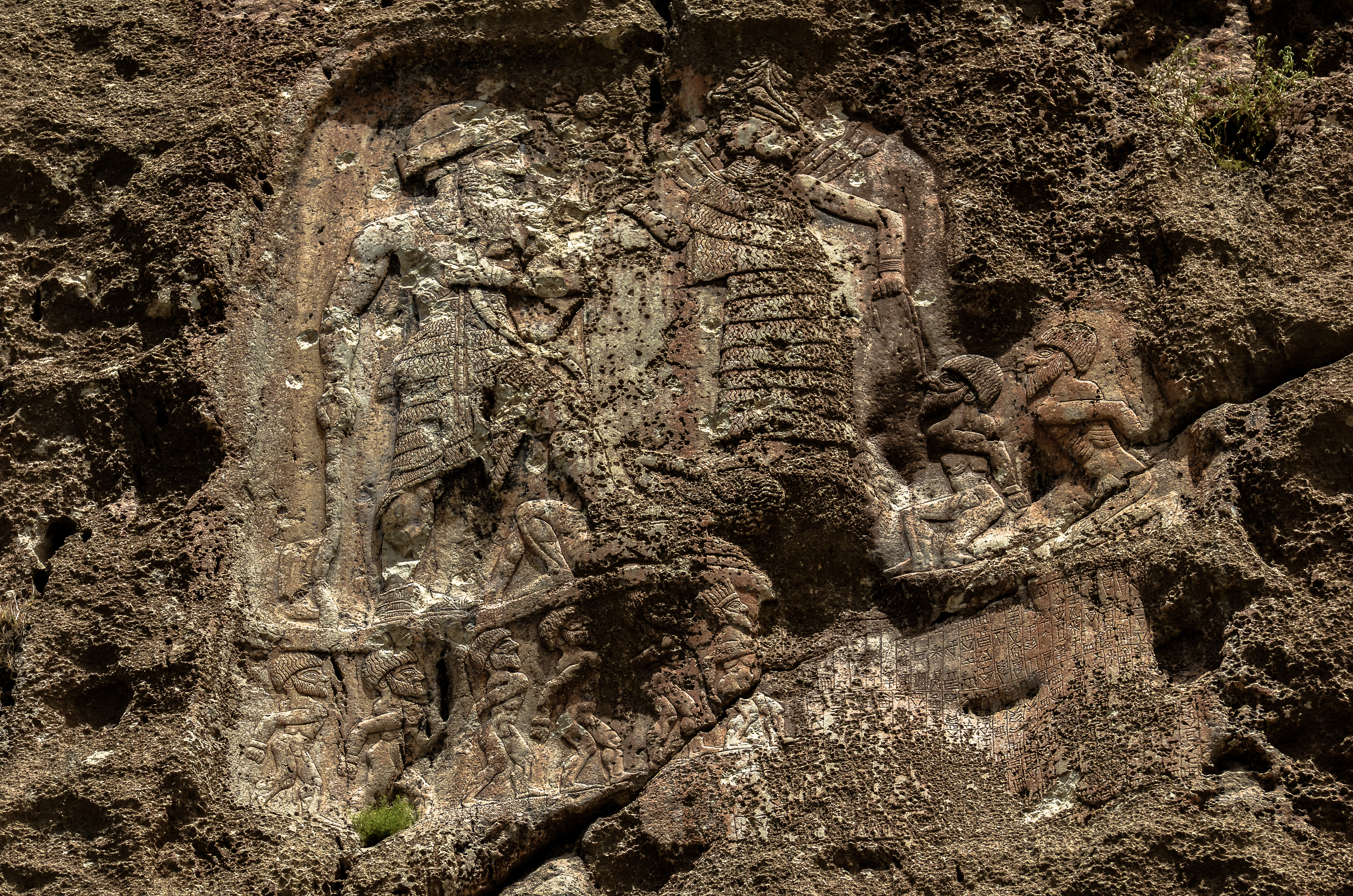
Anubanini rock relief
34.4633° N, 45.8683° E
About
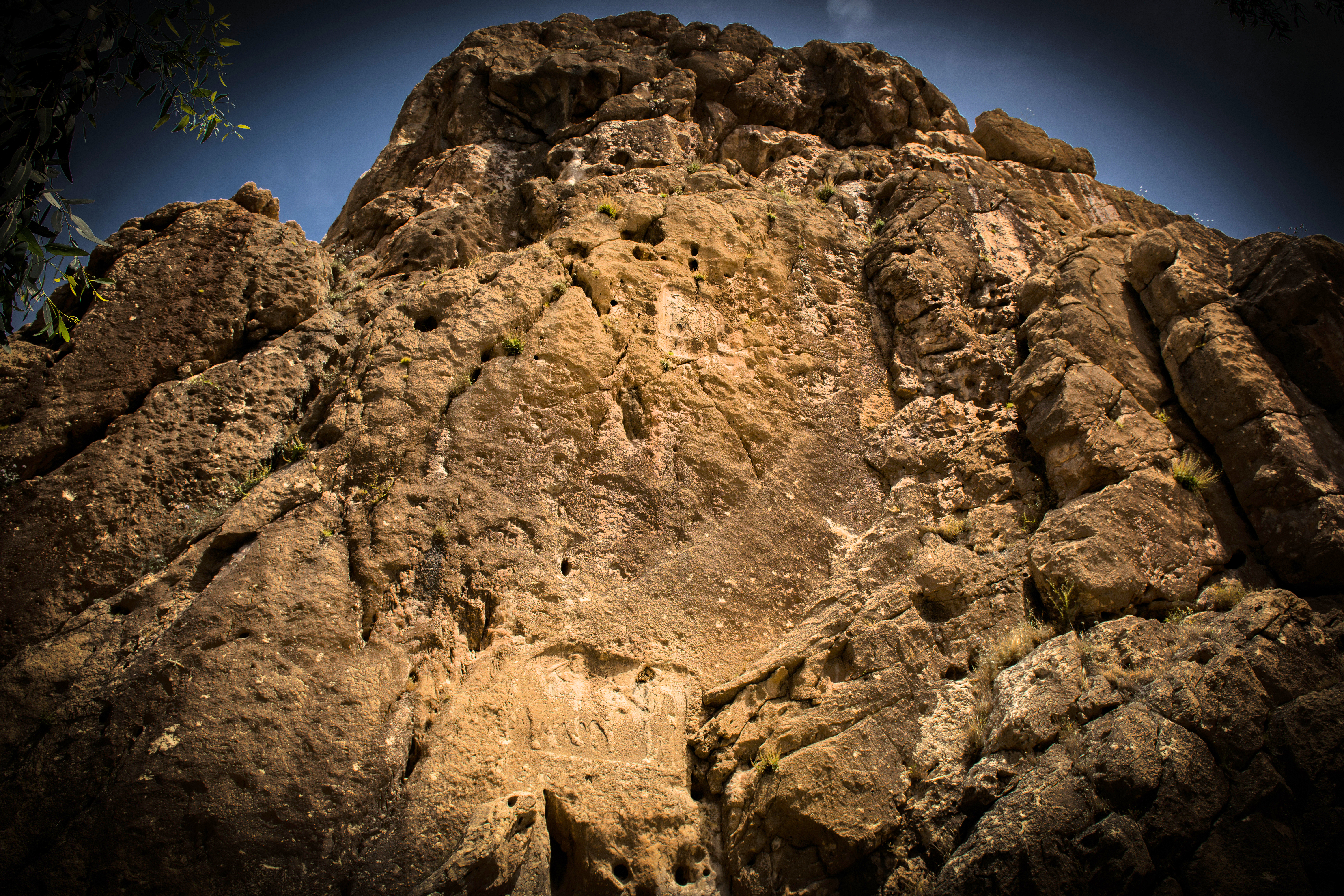
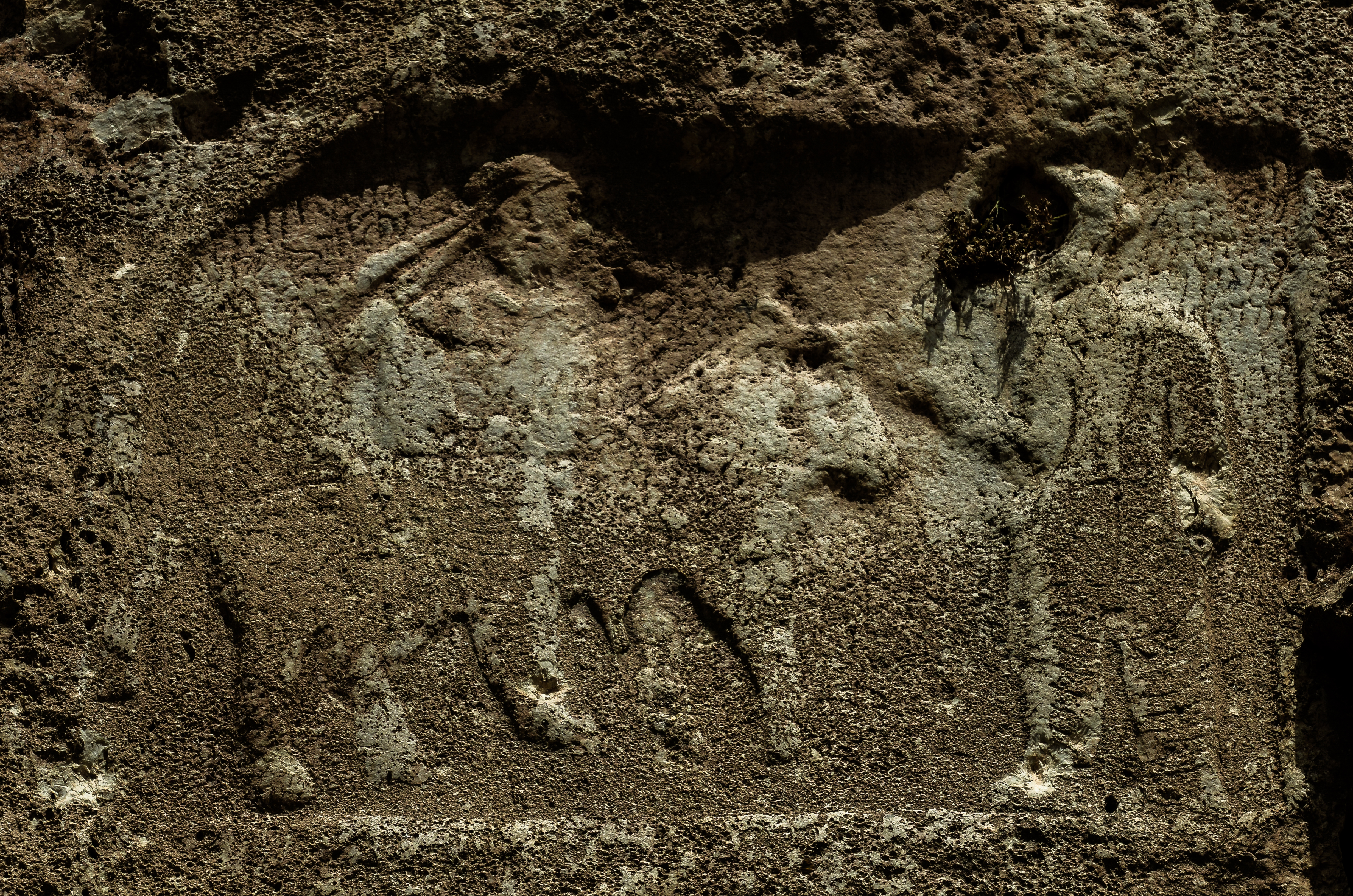
The Anubanini rock relief, located in Kermanshah Province, Iran, is an emblematic artifact of the Early to Middle Bronze Age, around 2300 BCE, associated with the Lullubi culture. The relief features King Anubanini of the Lullubi standing triumphantly over a captive, with eight additional captives depicted alongside him. The presence of a goddess akin to Ishtar, identified by her distinctive headdress, highlights the influence of Mesopotamian culture on the Lullubi. The relief bears an Akkadian inscription, asserting Anubanini's might and invoking divine protection over the monument. This site, situated near Sar-e Pol-e Zahab, also includes later Parthian additions, notably a relief of king Gotarzes II, further emphasizing its long-standing historical and cultural significance. The Anubanini relief is a vital piece for understanding the early development of rock reliefs in Iran, predating famous works like the Behistun Inscription.
Gallery
Explore photographs of ancient structures, artifacts, and archaeological excavations
Historical Timeline
Journey through time and discover key events in this site's history
Creation of Anubanini Relief
circa 2300 BCE
Parthian Relief Addition
39 CE - 51 CE
Archaeological Features
Unique architectural and cultural elements found at this historical site
Artistic and Decorative Features
Frequently Asked Questions
Plan Your Visit
Tours, travel arrangements, and practical information
More Sites in Iran
Tepe Hissar
Prehistoric site with rich cultural artifacts
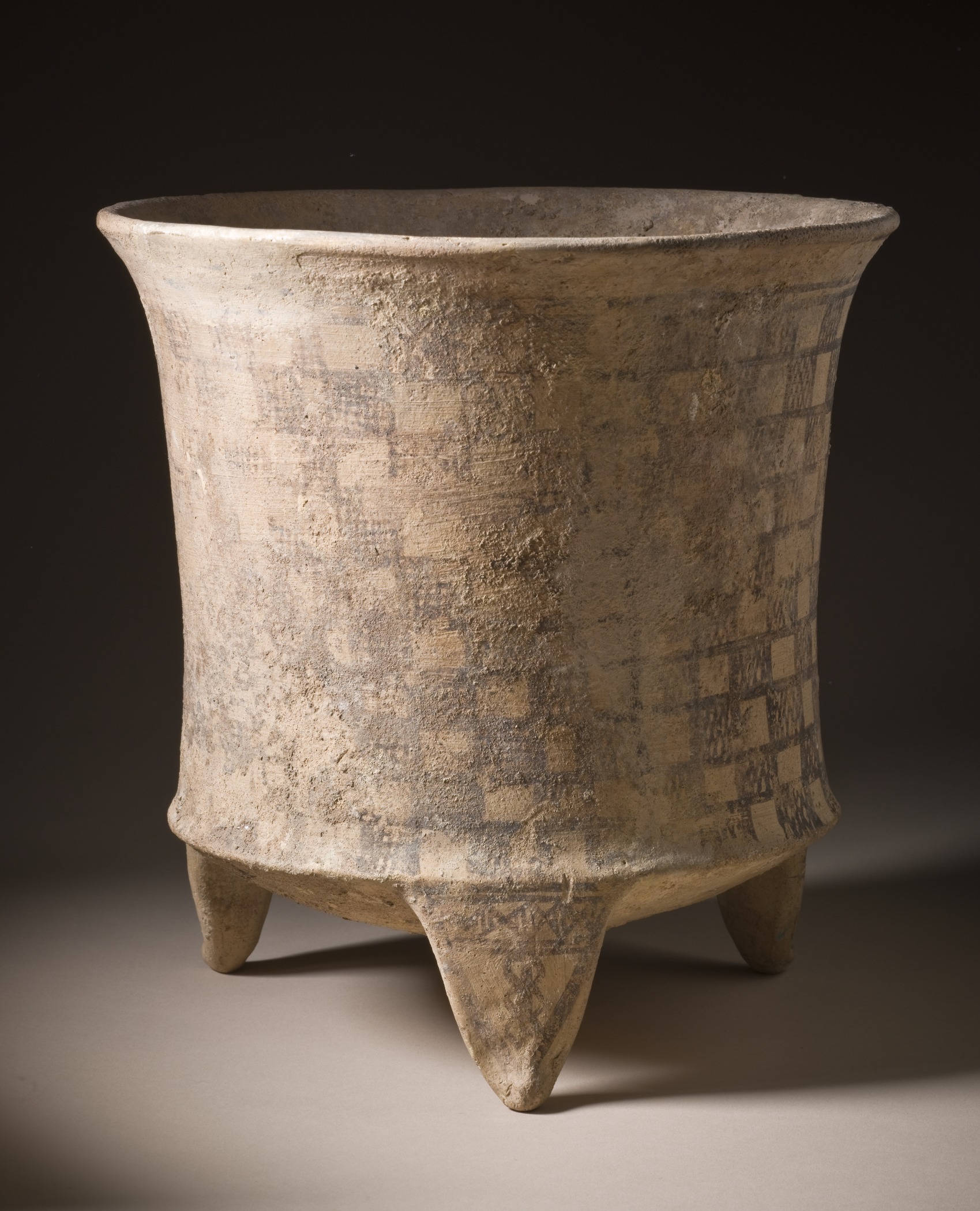
Tepe Giyan
Necropolis with distinctive pottery in Iran.
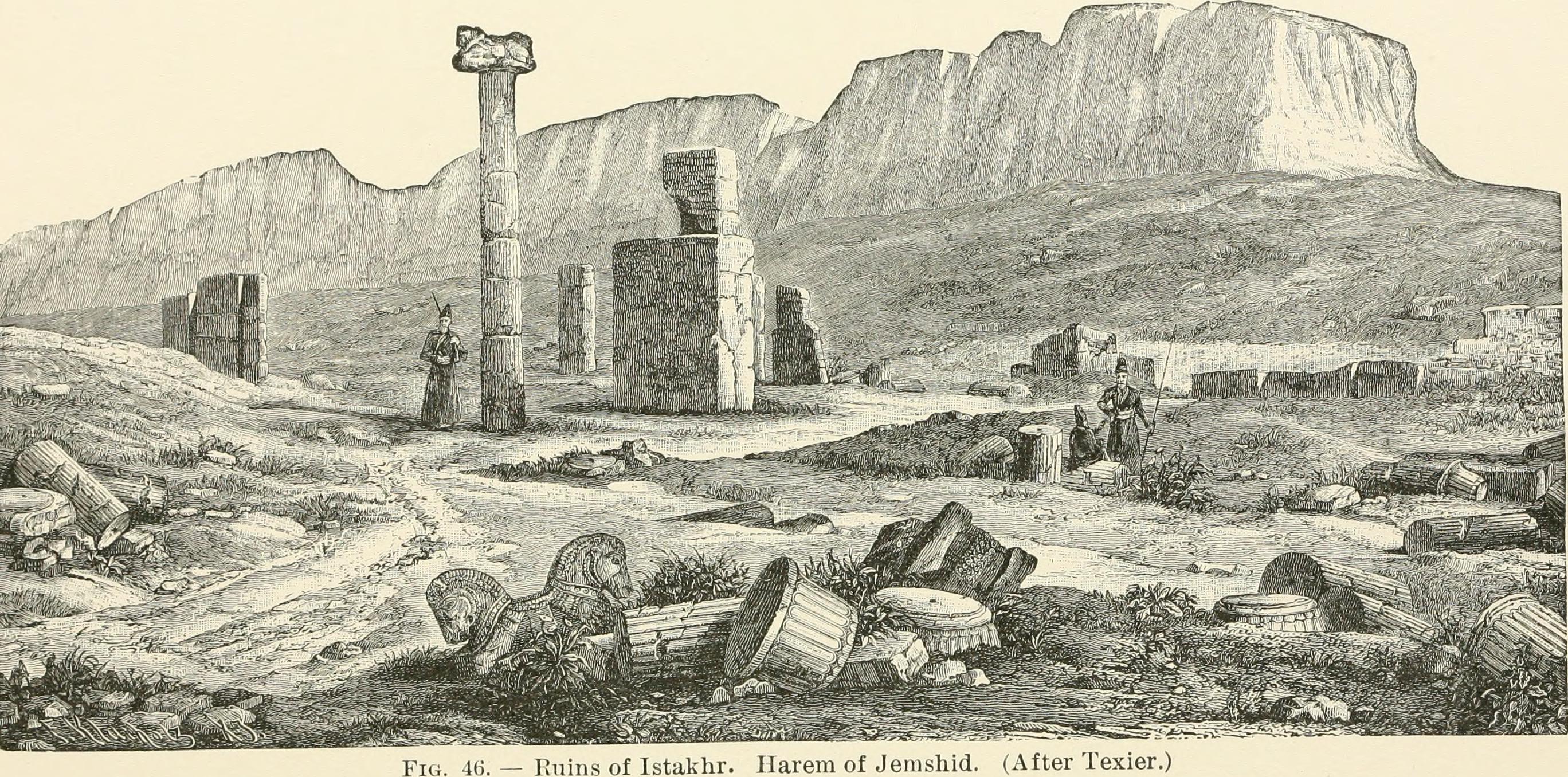
Istakhr
Ancient city with religious and defensive structures.
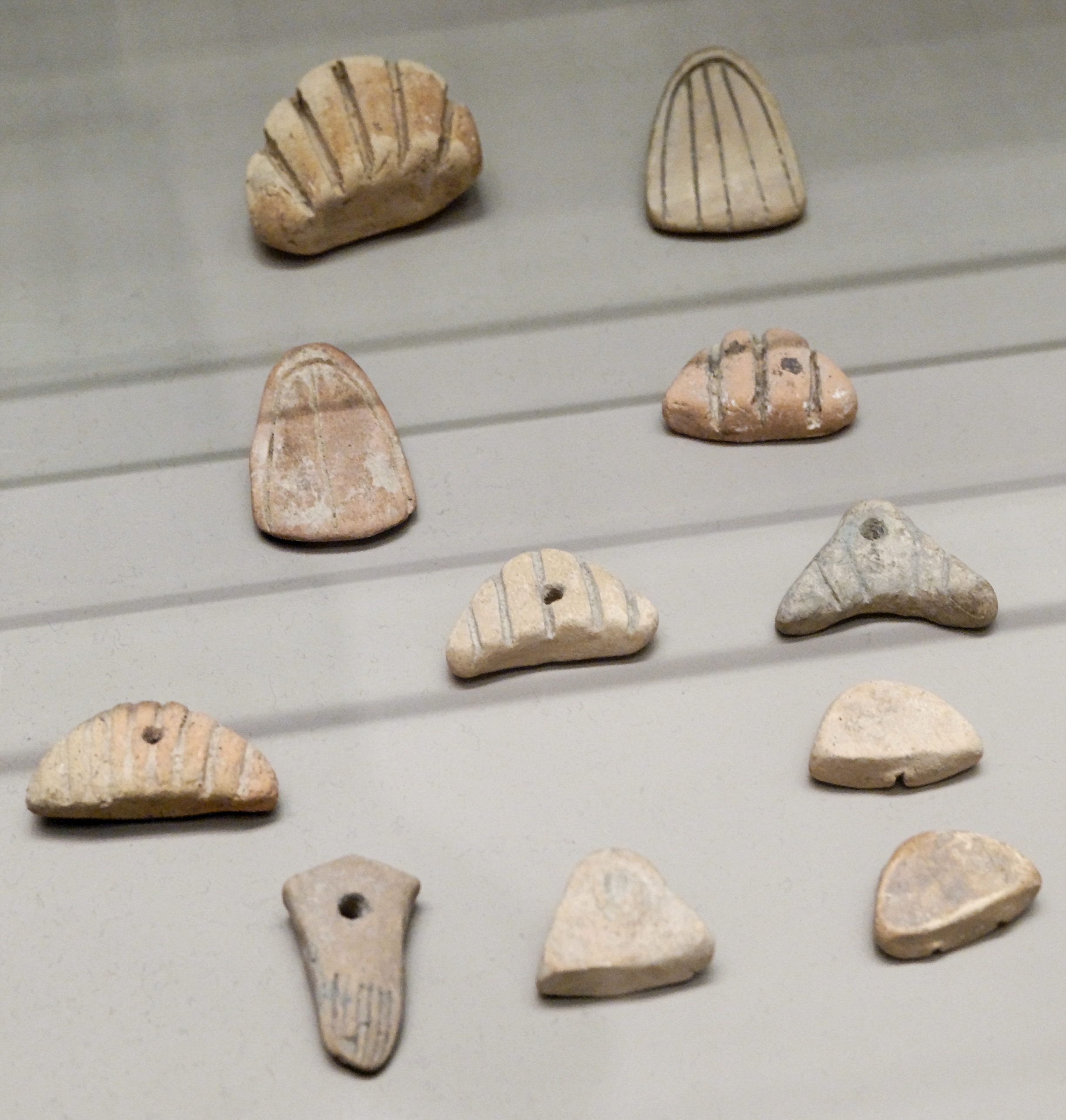
Tepe Sofalin
Ancient mound with Proto-Elamite artifacts
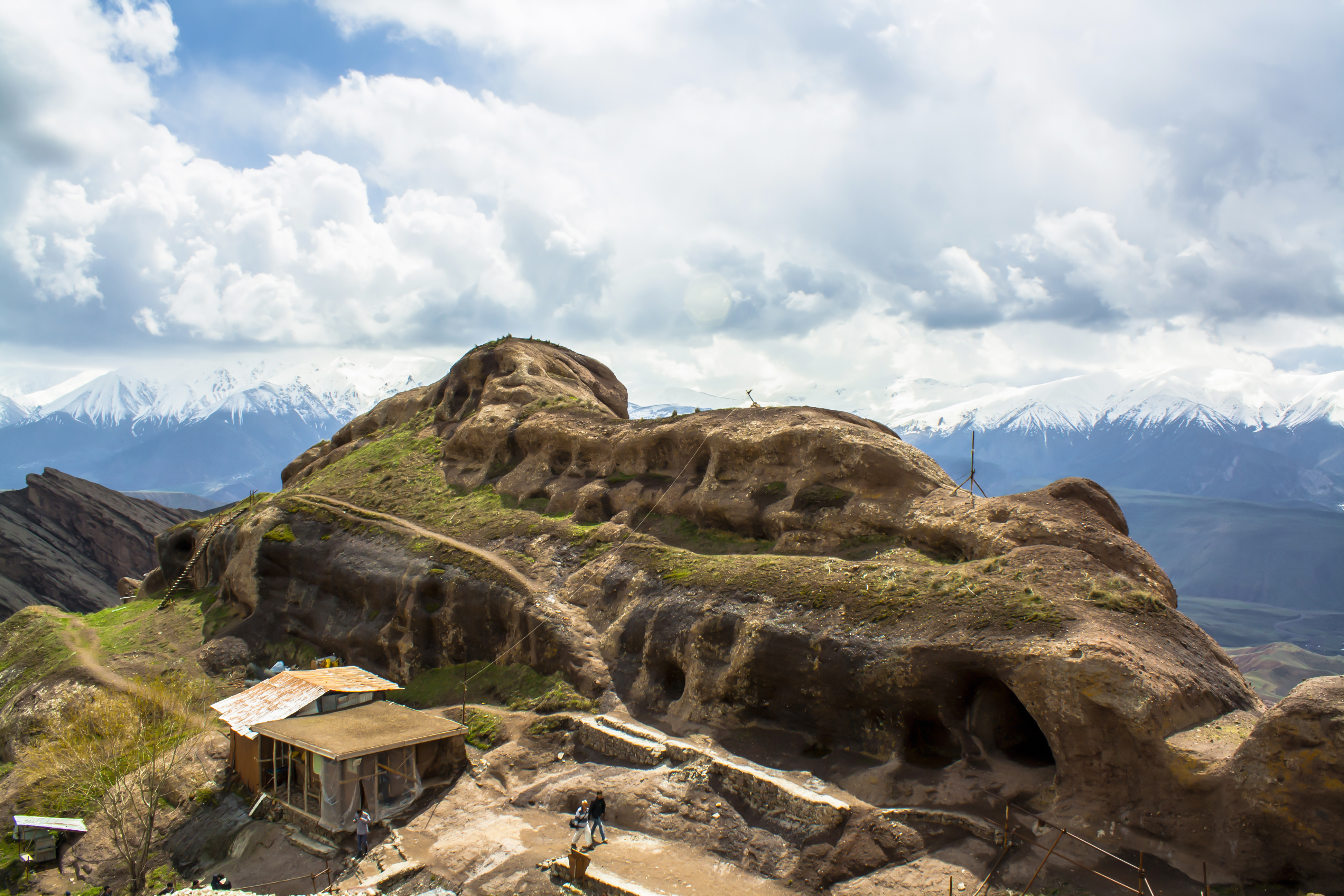
Mount Khajeh
Flat-topped basalt hill with ancient ruins
Chia Jani
Neolithic site with obsidian bladelets.