Explore the Map
Ali-Sadr Cave
35.3016° N, 48.3039° E
About
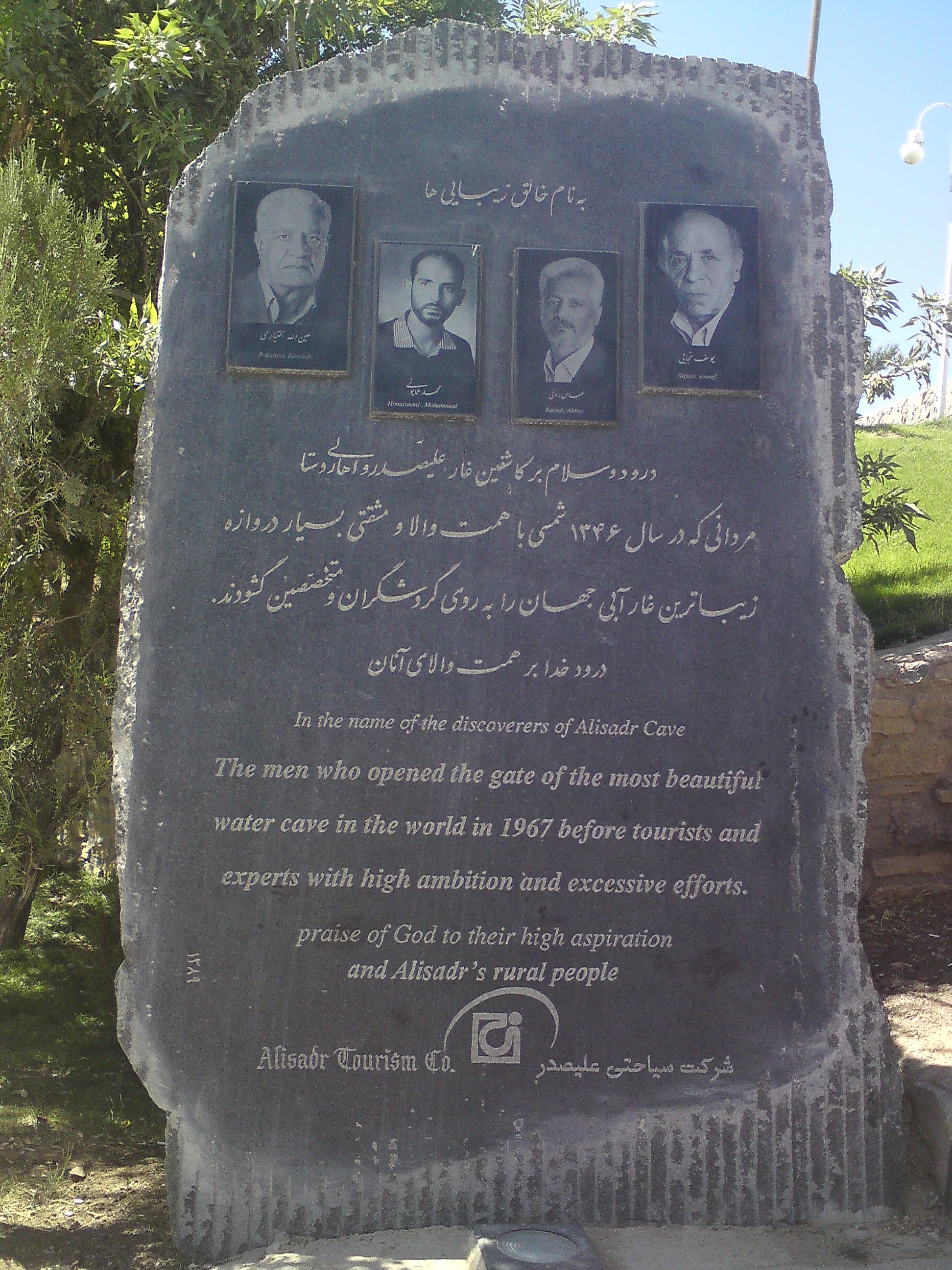
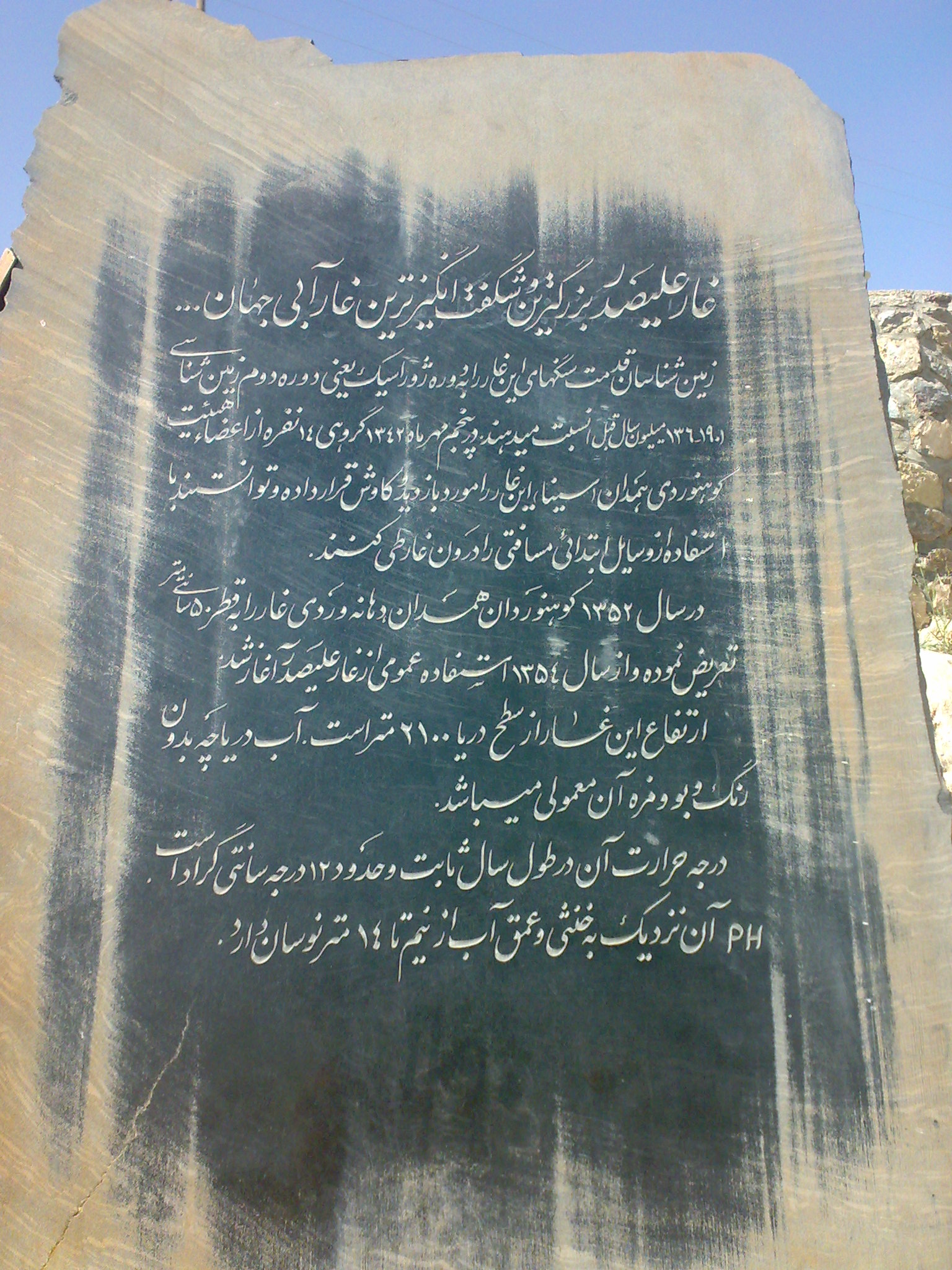
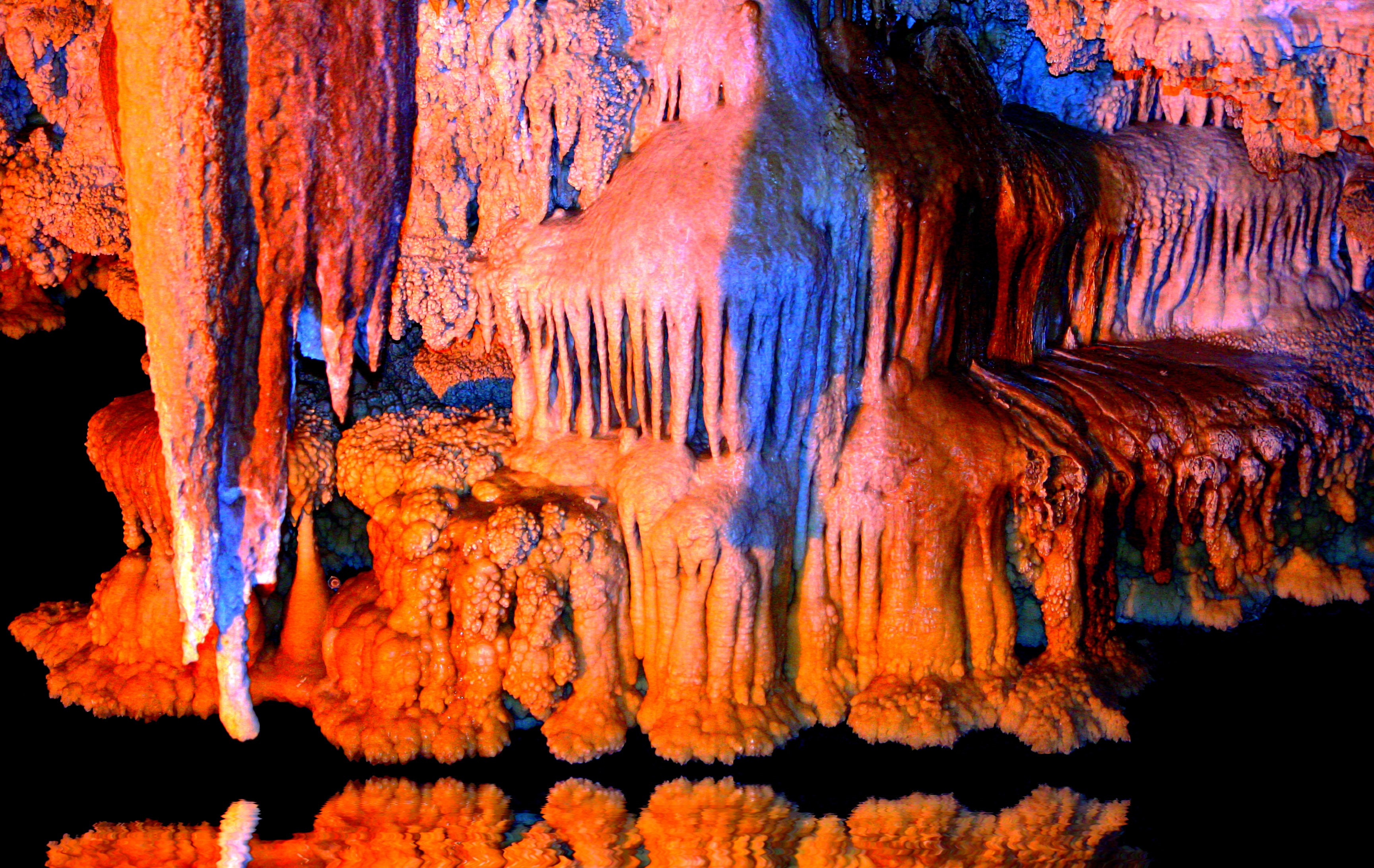
The Ali-Sadr Cave, located in western Iran, is a significant archaeological site due to its vast network of water-filled passages and chambers that have been used by humans for thousands of years. The cave features intricate cave paintings, including depictions of animals, hunting scenes, and weapons, which suggest its use during the Mesolithic period as a dwelling or a place of cultural significance. Additionally, inscriptions at the cave's entrance link it to the era of Darius I, indicating its historical importance during the early Classical Period. The site offers valuable insights into the artistic expression and habitation practices of ancient peoples, making it a key location for understanding human history in the region.
Gallery
Explore photographs of ancient structures, artifacts, and archaeological excavations
Historical Timeline
Journey through time and discover key events in this site's history
Darius I era knowledge
521 BCE
Mesolithic habitation
12,000 years ago
Archaeological Features
Unique architectural and cultural elements found at this historical site
Artistic and Decorative Features
Domestic and Habitation Structures
Frequently Asked Questions
Plan Your Visit
Tours, travel arrangements, and practical information
More Sites in Iran
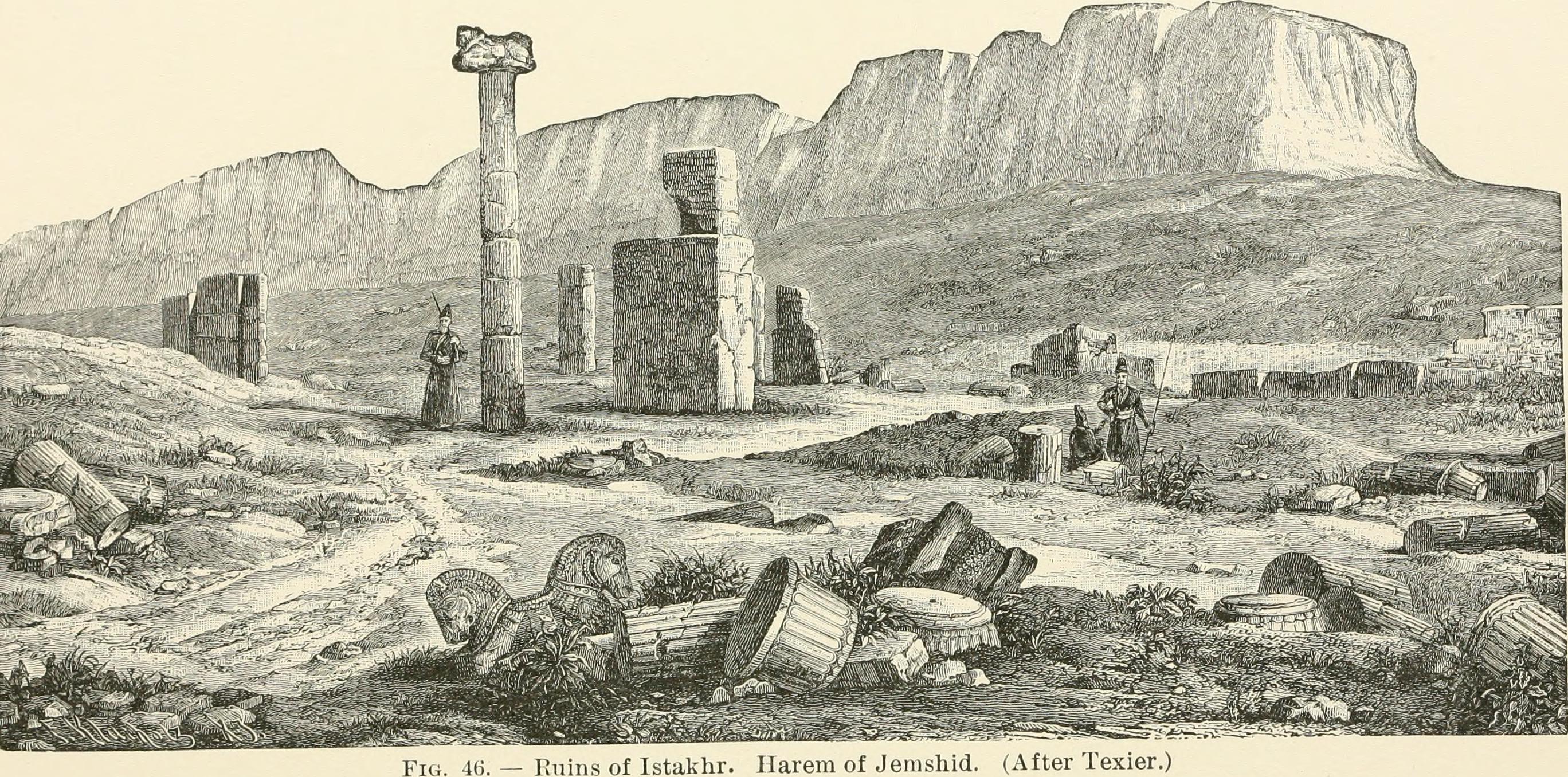
Istakhr
Ancient city with religious and defensive structures.
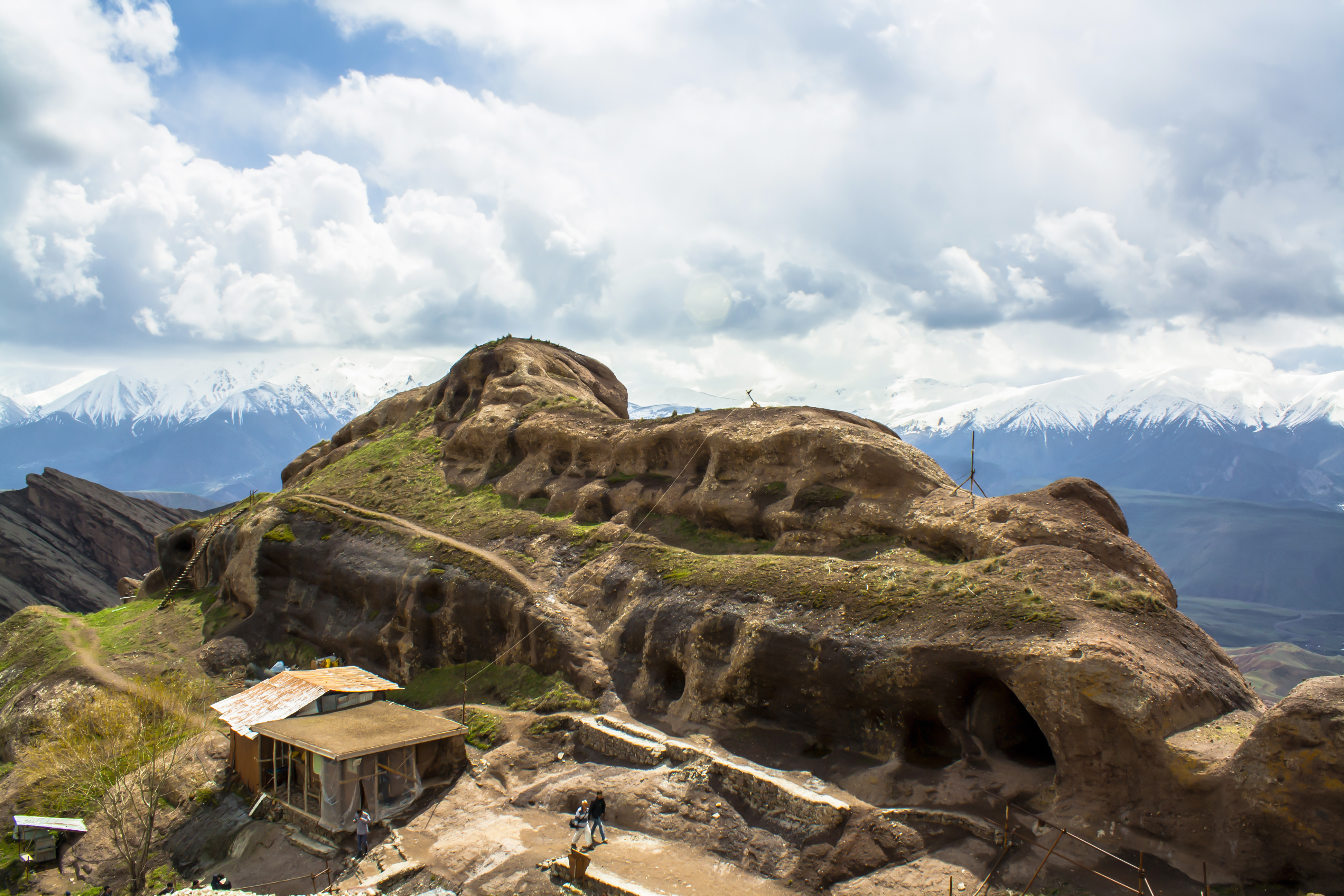
Mount Khajeh
Flat-topped basalt hill with ancient ruins
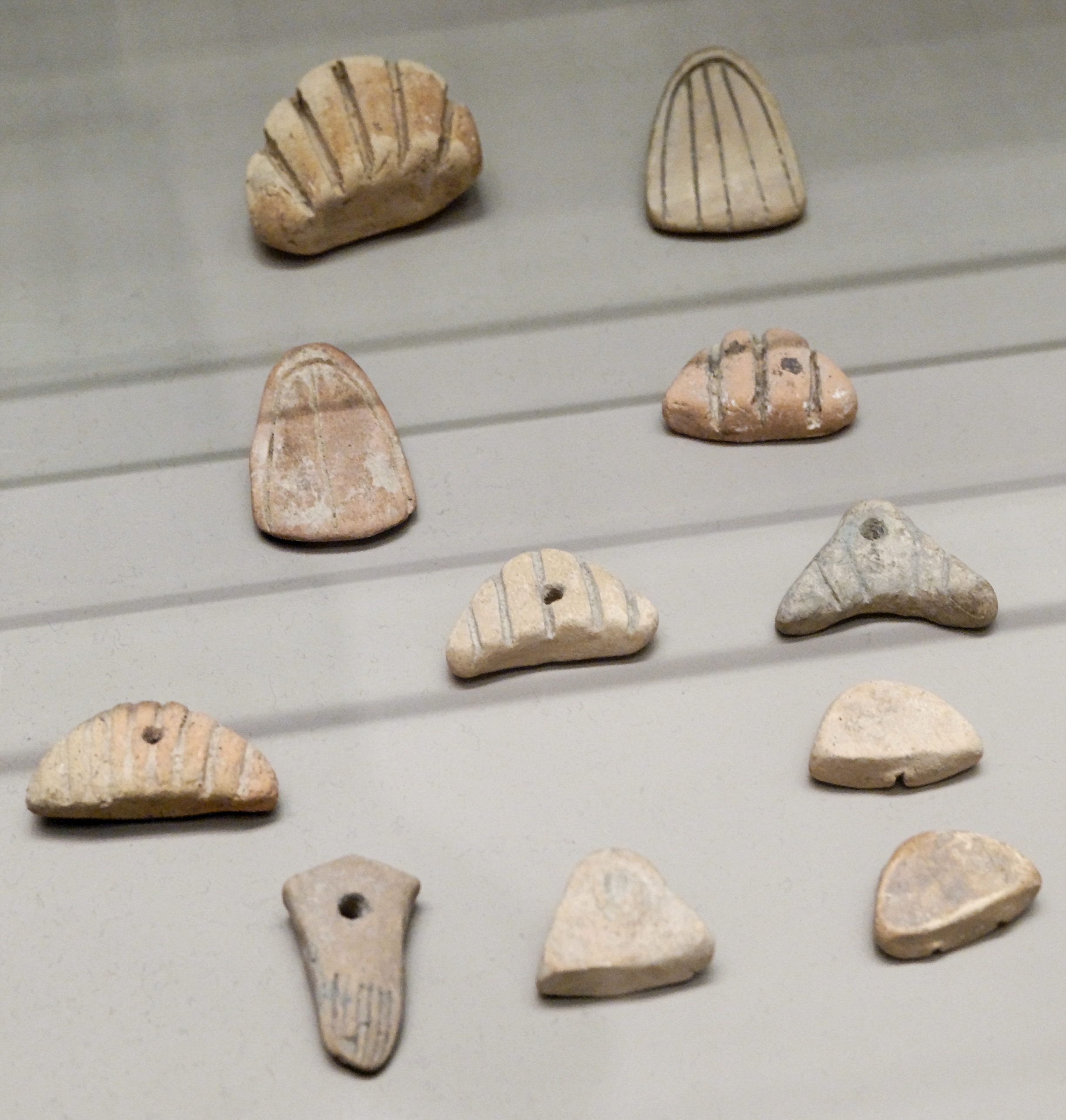
Tepe Sofalin
Ancient mound with Proto-Elamite artifacts
Tappeh Berdankan
Sasanian site with diverse pottery artifacts.
Chogha Golan
Aceramic Neolithic site with cultural deposits
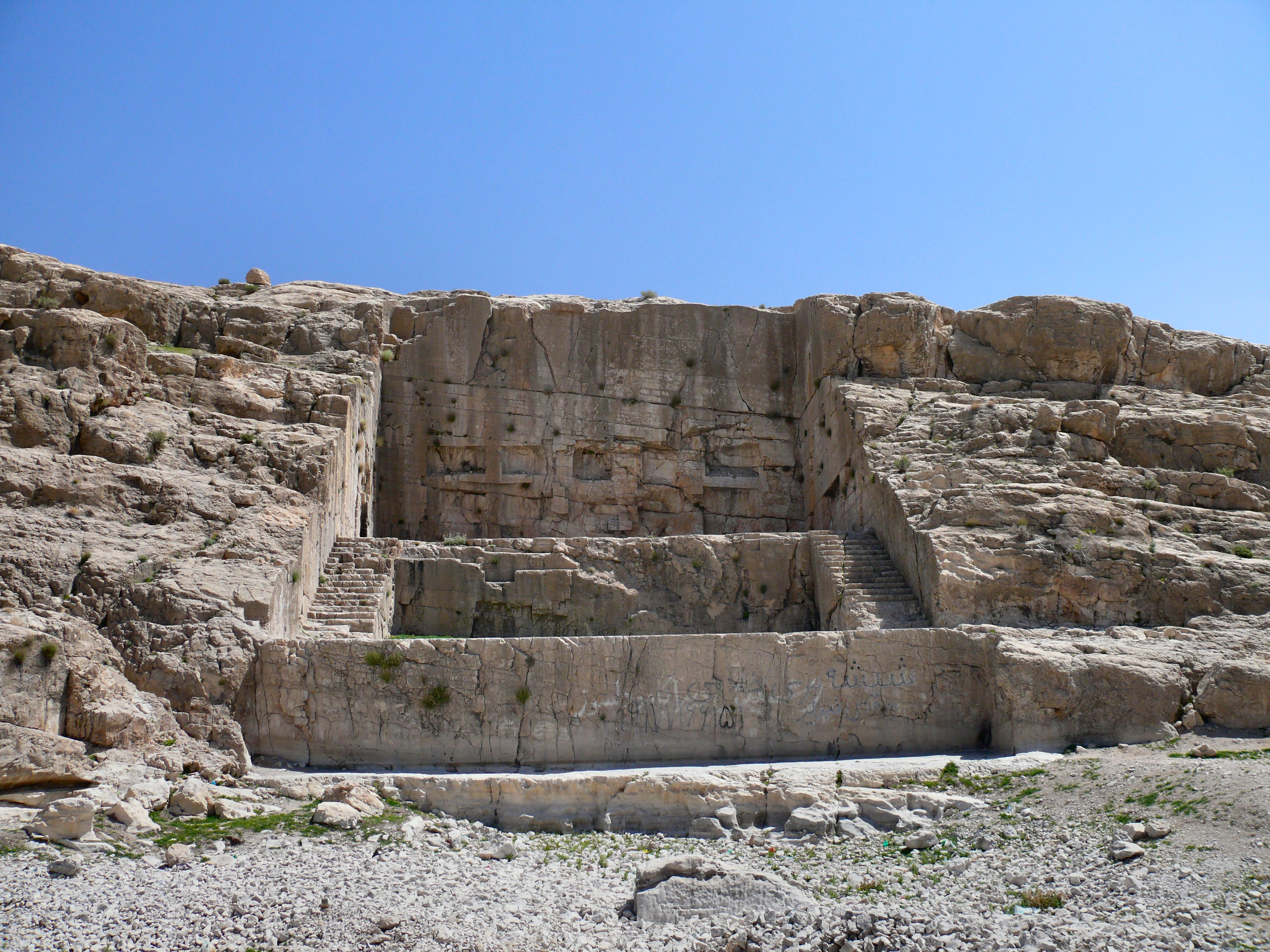
Qadamgah (ancient site)
Achaemenid rock-cut monument with terraces