Explore the Map
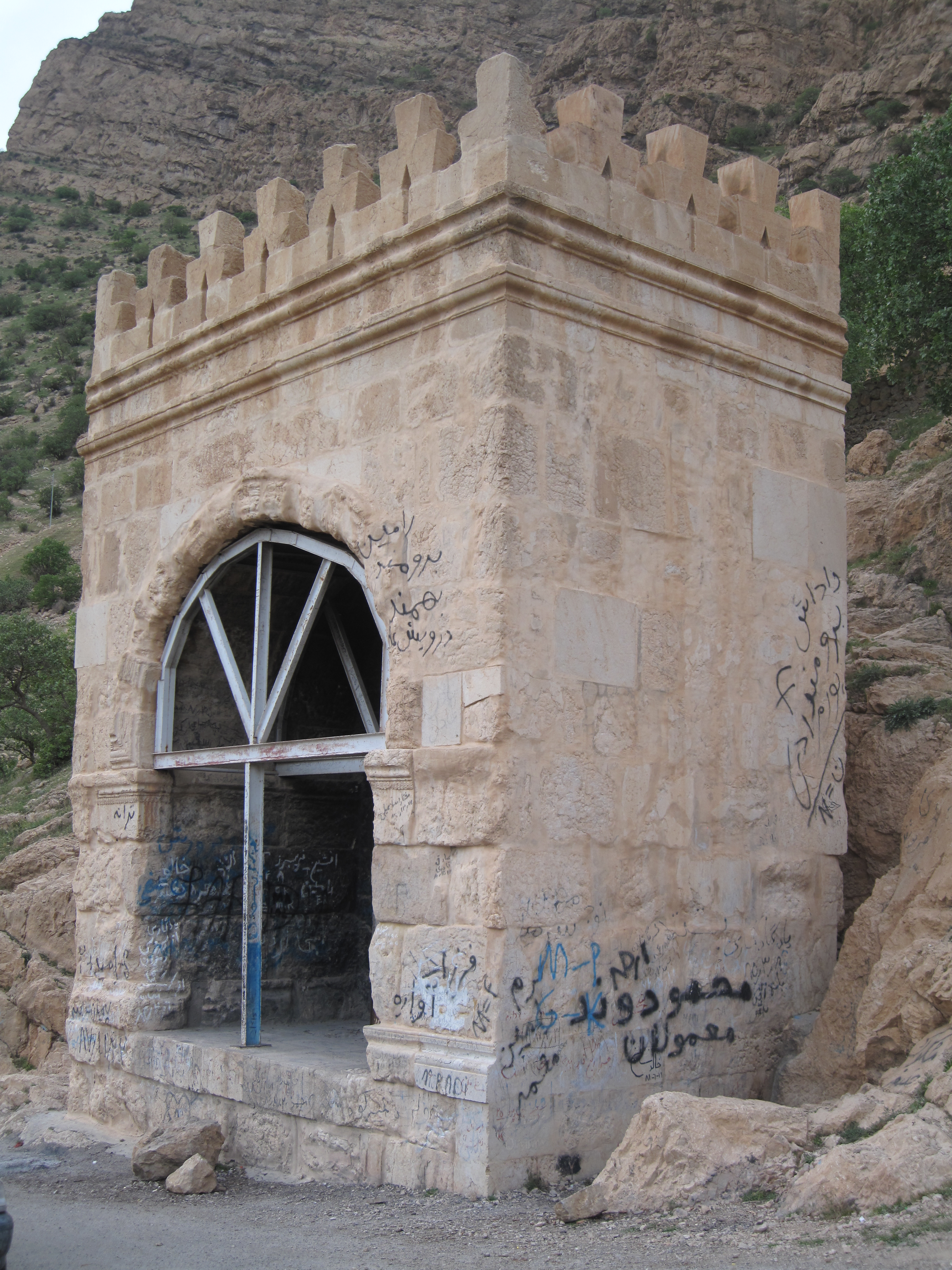
Taq-e Gara
34.4318° N, 46.0177° E
About
Taq-e Gara, also known as Taq-e Shirin, is a stone monument located in the Patagh Pass, part of the Gate of Zagros in Kermanshah Province, Iran. This site is strategically positioned along an ancient road linking the Iranian Plateau to Mesopotamia, reflecting its historical significance in regional connectivity. The structure is generally attributed to the late Sassanid Empire, showcasing the architectural prowess of the era. Although there are conflicting views about its exact construction period, most scholars agree on its Sassanid origin, likely dating to the 6th century CE. The site is accessible from the old road between Kermanshah and Qasr-e Shirin, providing insights into the transportation infrastructure of the time. Taq-e Gara's significance lies in its representation of Sassanid monumental architecture and its role in the historical land routes that facilitated cultural and economic exchanges.
Gallery
Explore photographs of ancient structures, artifacts, and archaeological excavations
Historical Timeline
Journey through time and discover key events in this site's history
Construction during Sassanid Empire
500 CE - 651 CE
Archaeological Features
Unique architectural and cultural elements found at this historical site
Artistic and Decorative Features
Transportation and Communication Structures
Frequently Asked Questions
Plan Your Visit
Tours, travel arrangements, and practical information
More Sites in Iran
Tappeh Berdankan
Sasanian site with diverse pottery artifacts.
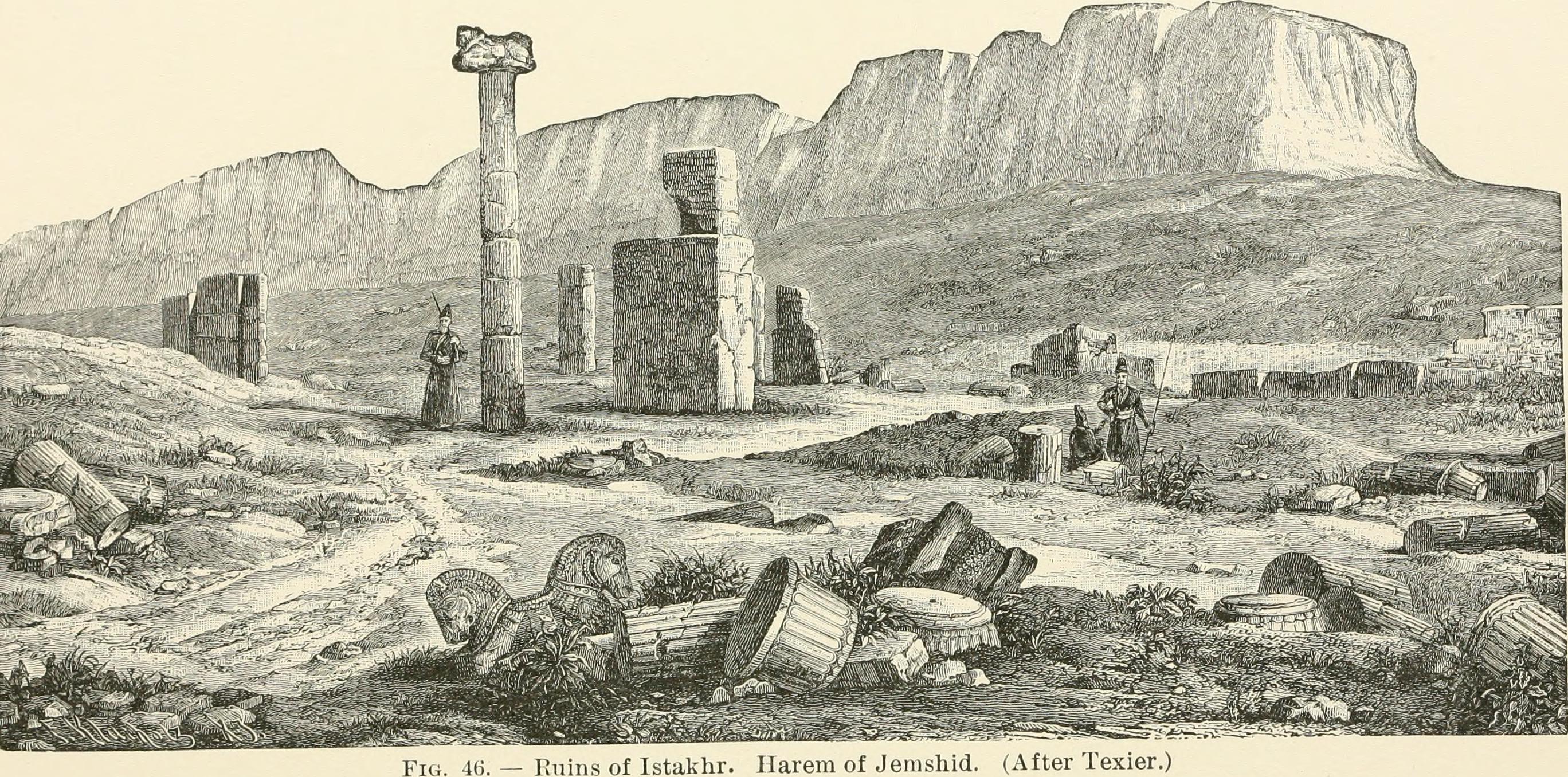
Istakhr
Ancient city with religious and defensive structures.
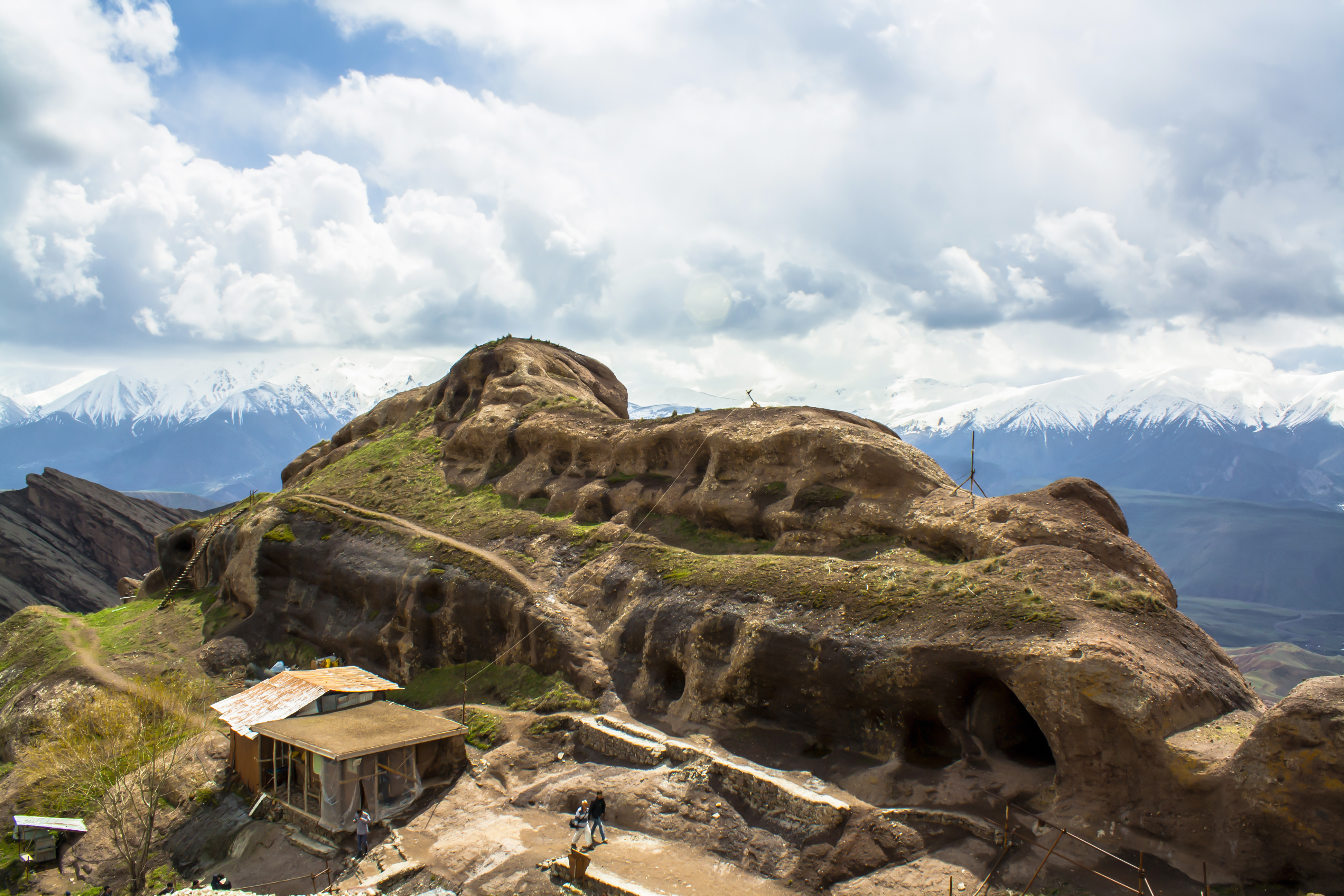
Mount Khajeh
Flat-topped basalt hill with ancient ruins
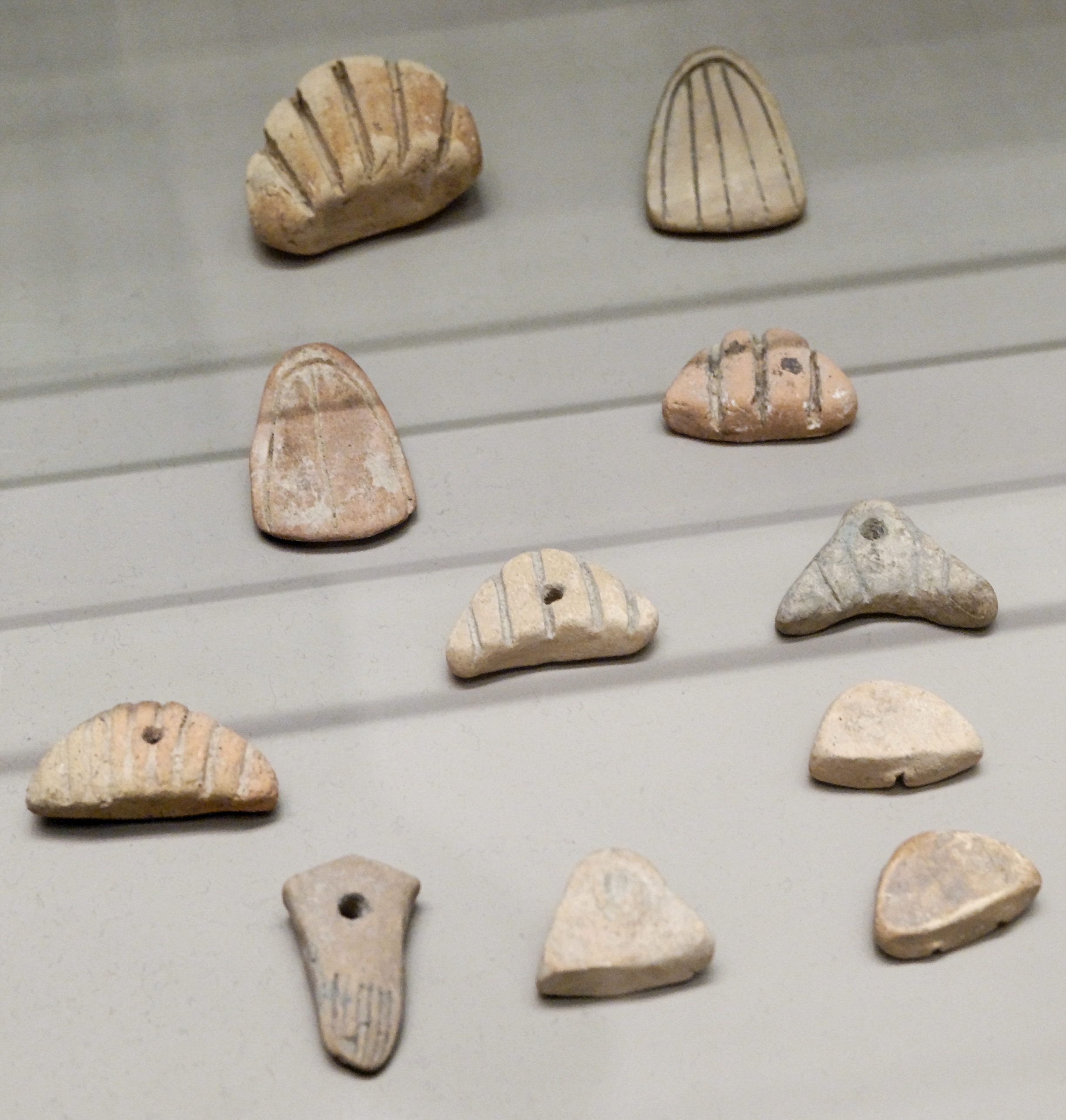
Tepe Sofalin
Ancient mound with Proto-Elamite artifacts
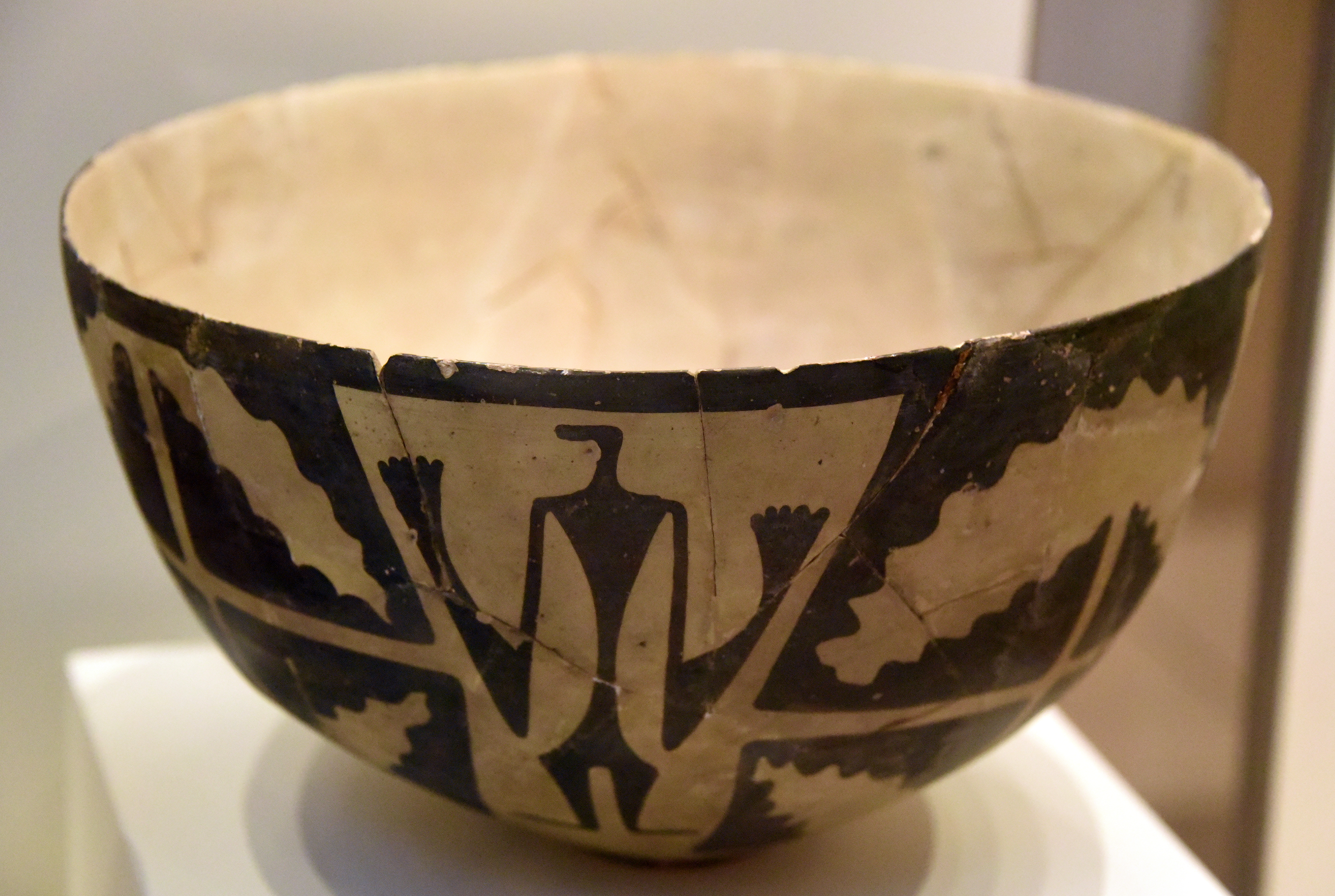
Tall-i Bakun
Prehistoric mounds with rich pottery culture
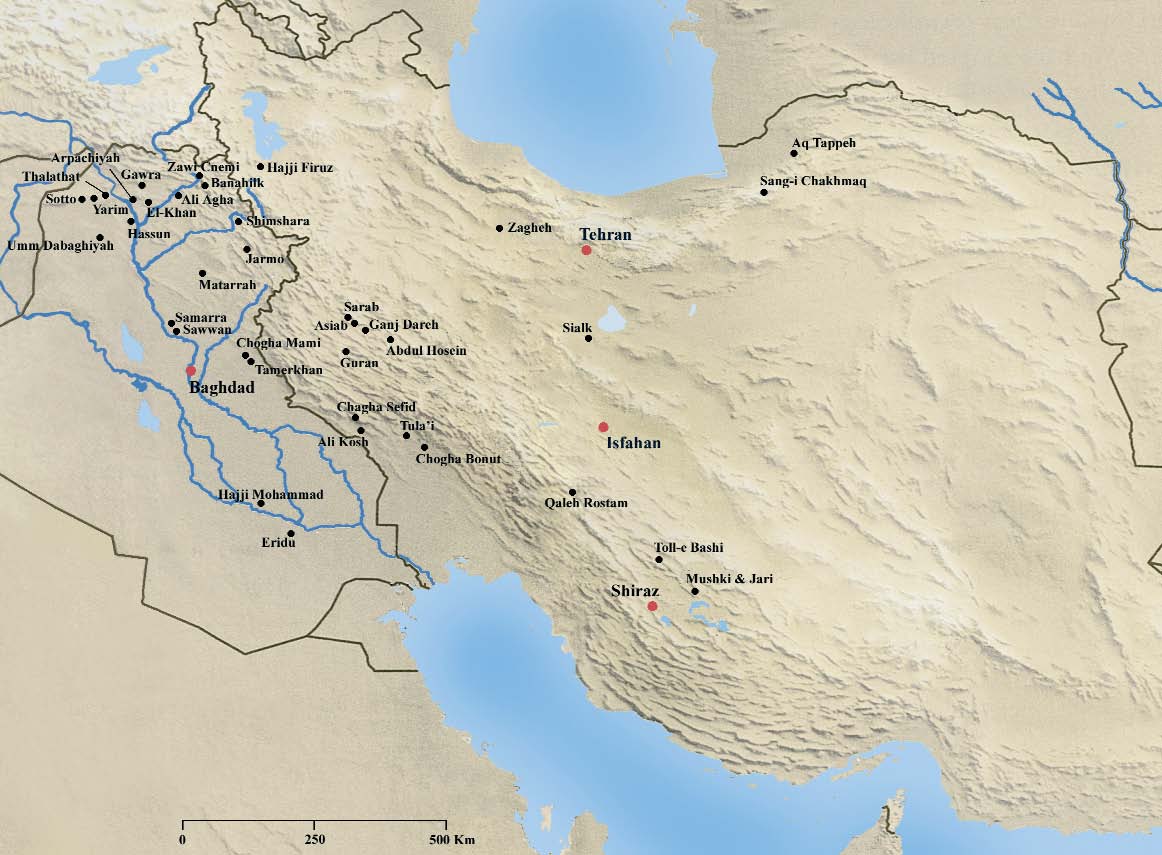
Chia Jani
Neolithic site with obsidian bladelets.