
Explore the Map
Dur-Kurigalzu
33.3536° N, 44.2022° E
About
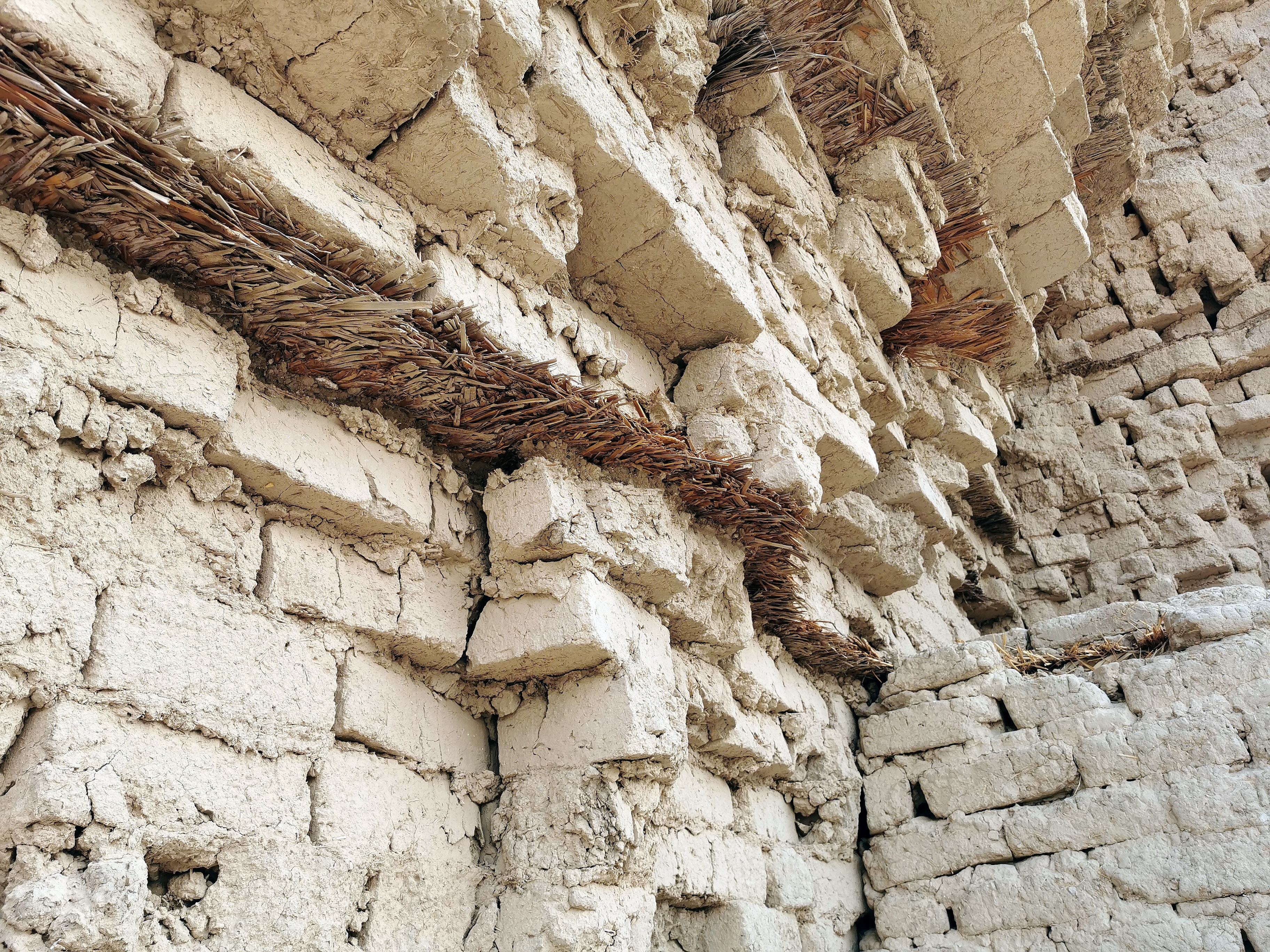
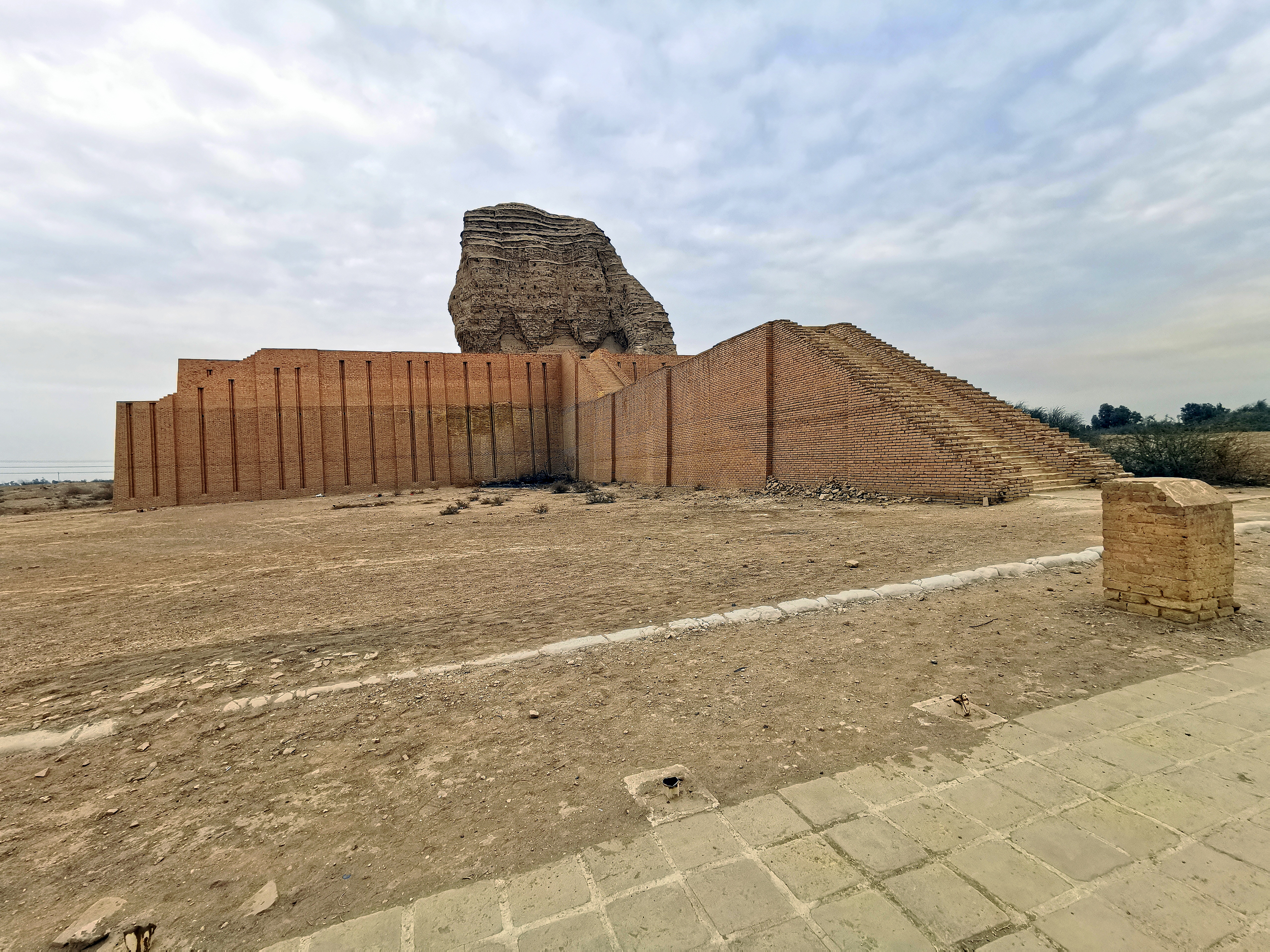
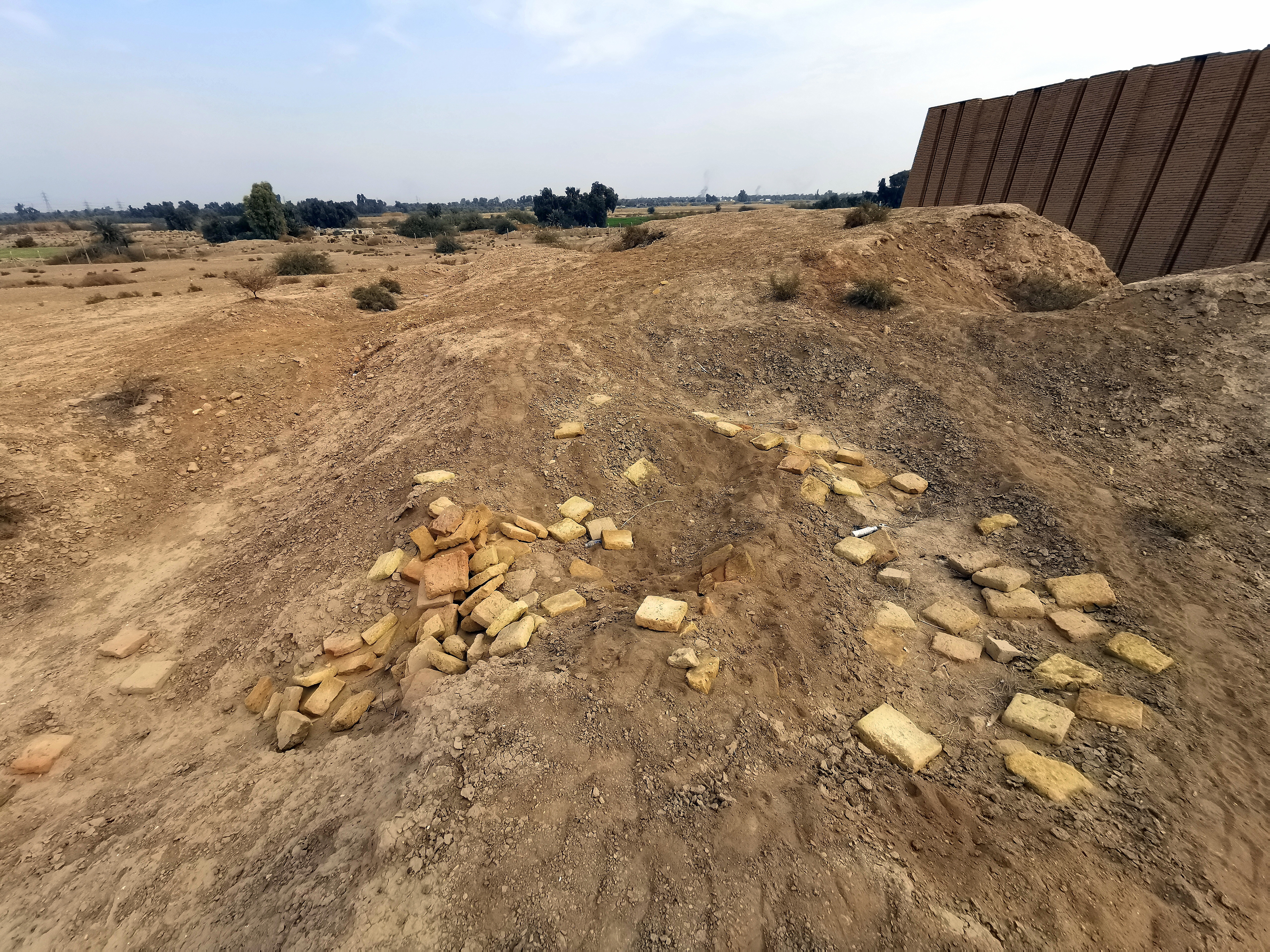
Dur-Kurigalzu, located in modern `Aqar-Qūf, Iraq, was a significant city in ancient Mesopotamia founded by Kassite king Kurigalzu I in the early 14th century BCE. It played a vital role as a capital of Babylonia and was strategically situated near the confluence of the Tigris and Diyala rivers. The city is renowned for its towering ziggurat, dedicated to the Babylonian god Enlil, and its vast palace complex. The area also features defensive structures, religious temples, and artistic murals. The city was abandoned following the fall of the Kassite dynasty in the 12th century BCE but saw limited reoccupation in later periods, including the Islamic era. Despite modern encroachments and looting, Dur-Kurigalzu remains an invaluable archaeological site, offering insights into the Kassite period and Mesopotamian civilization.
Gallery
Explore photographs of ancient structures, artifacts, and archaeological excavations
Historical Timeline
Journey through time and discover key events in this site's history
Foundation of Dur-Kurigalzu
early 14th century BCE
End of Kassite Dynasty
c. 1155 BCE
Active Temple Area
7th century BCE
Islamic Burials and Settlements
9th to 14th centuries CE
Archaeological Features
Unique architectural and cultural elements found at this historical site
Defensive Structures
Water Management Features
Burial and Funerary Structures
Religious and Ritual Structures
Artistic and Decorative Features
Domestic and Habitation Structures
Frequently Asked Questions
Plan Your Visit
Tours, travel arrangements, and practical information
More Sites in Iraq
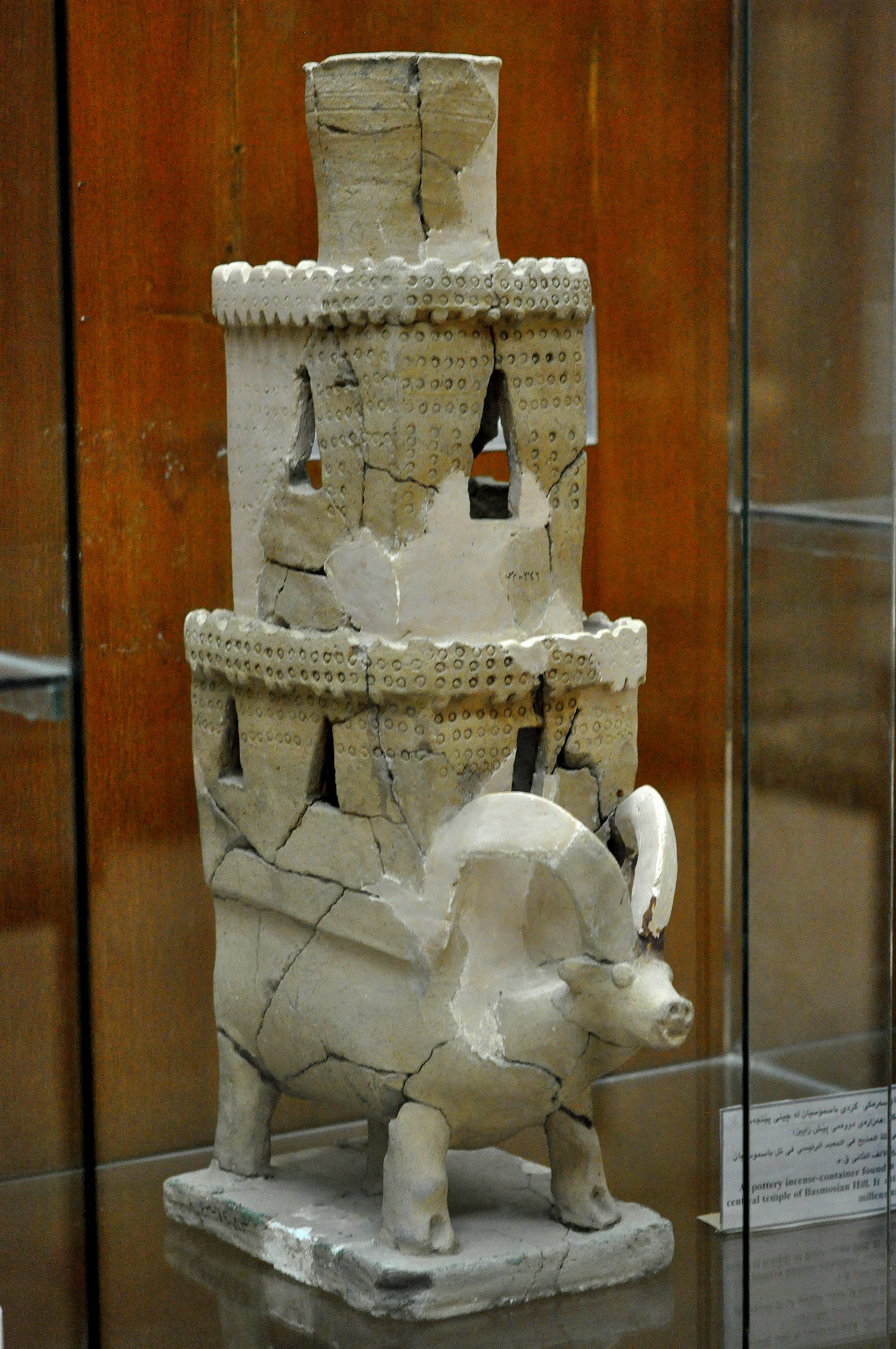
Tell Bazmusian
Large tell site with multi-period occupation.
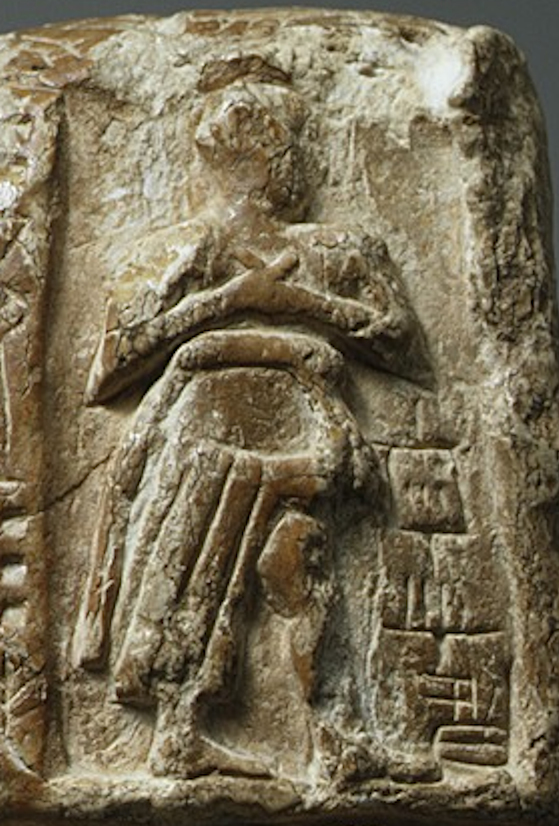
Larsa
Sumerian city-state and temple complex, Isin–Larsa period
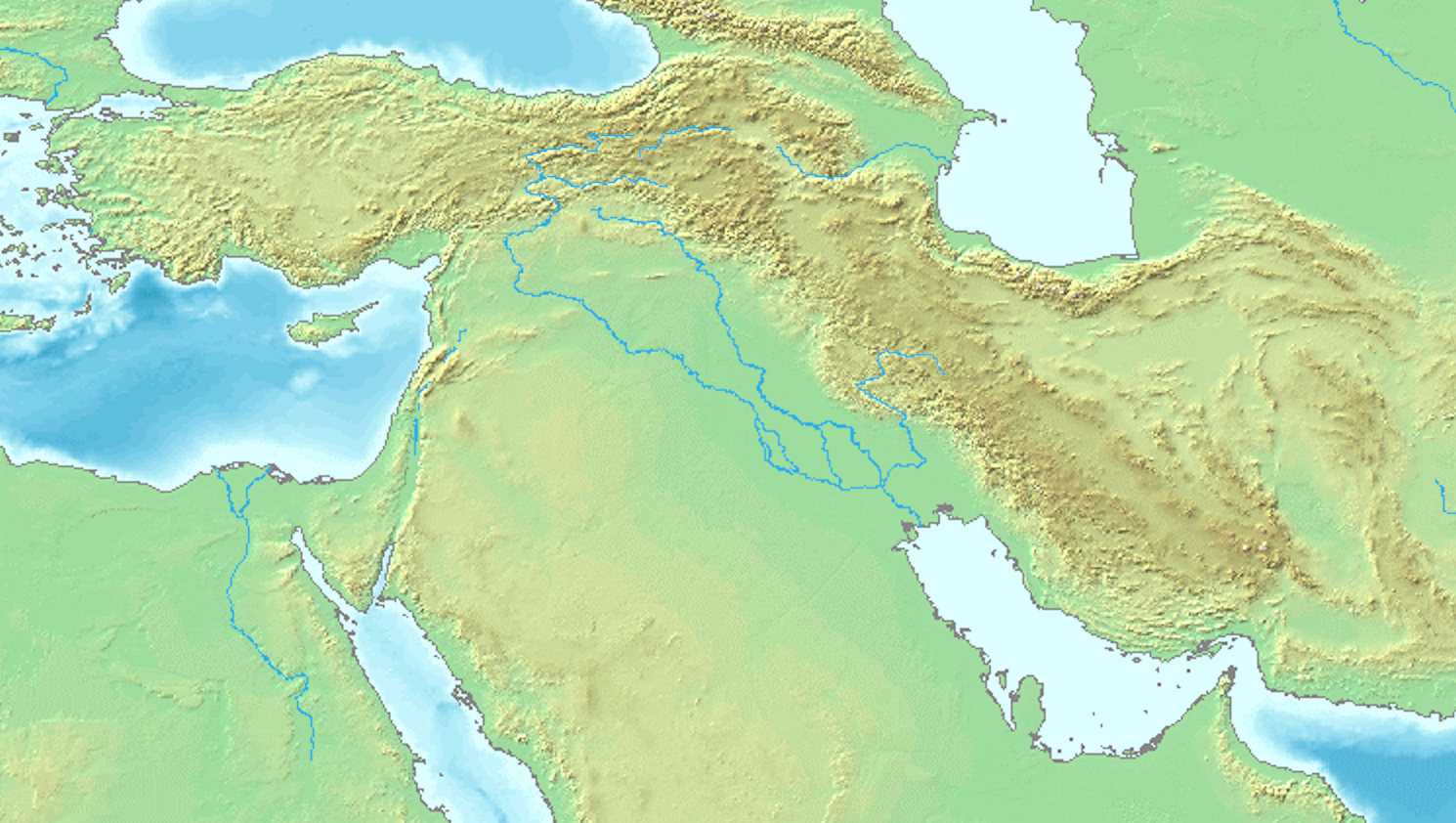
Tell al-Fakhar
Pottery mound with multi-period occupation.
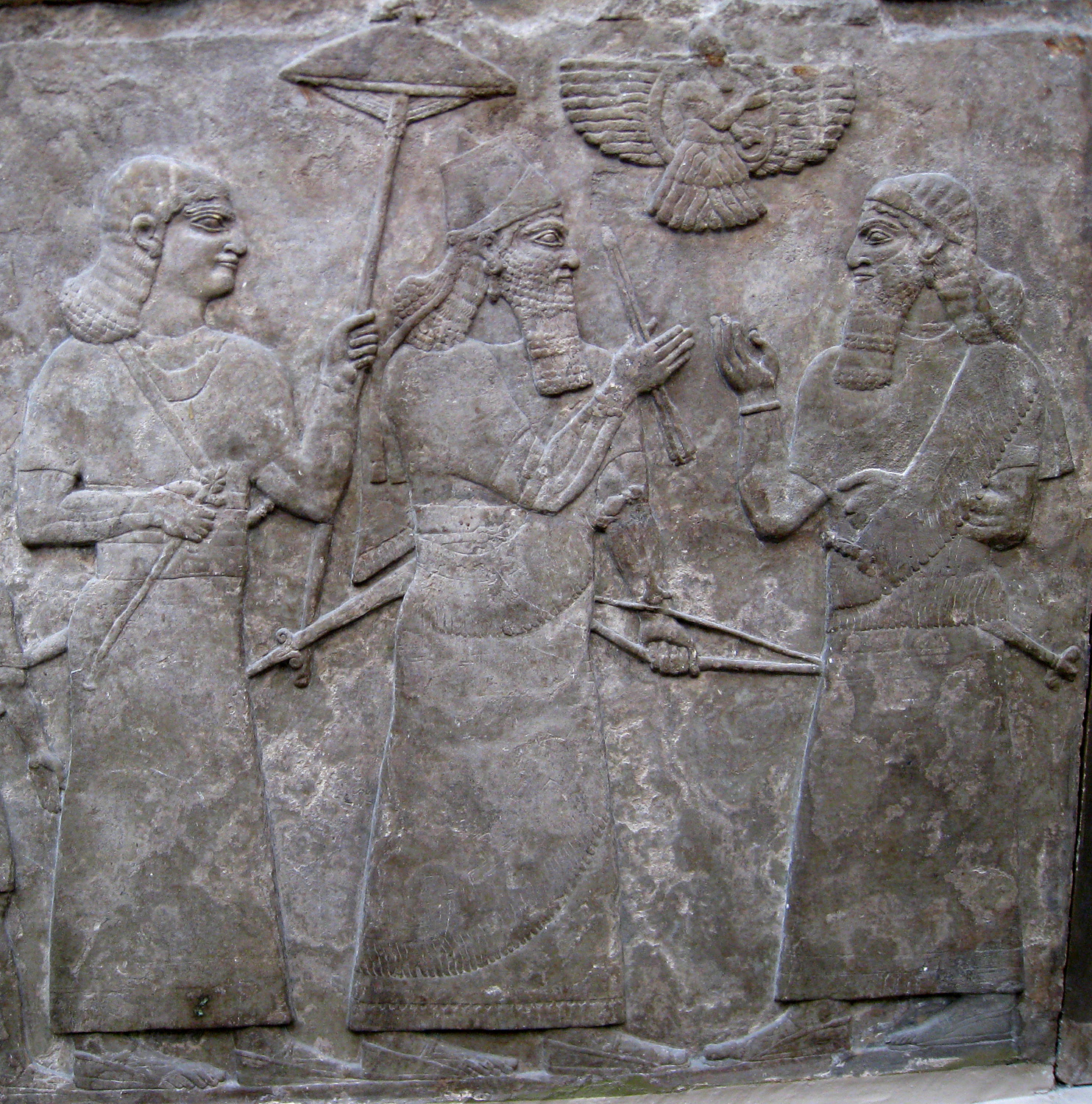
Assur
Ancient Assyrian city on the Tigris River
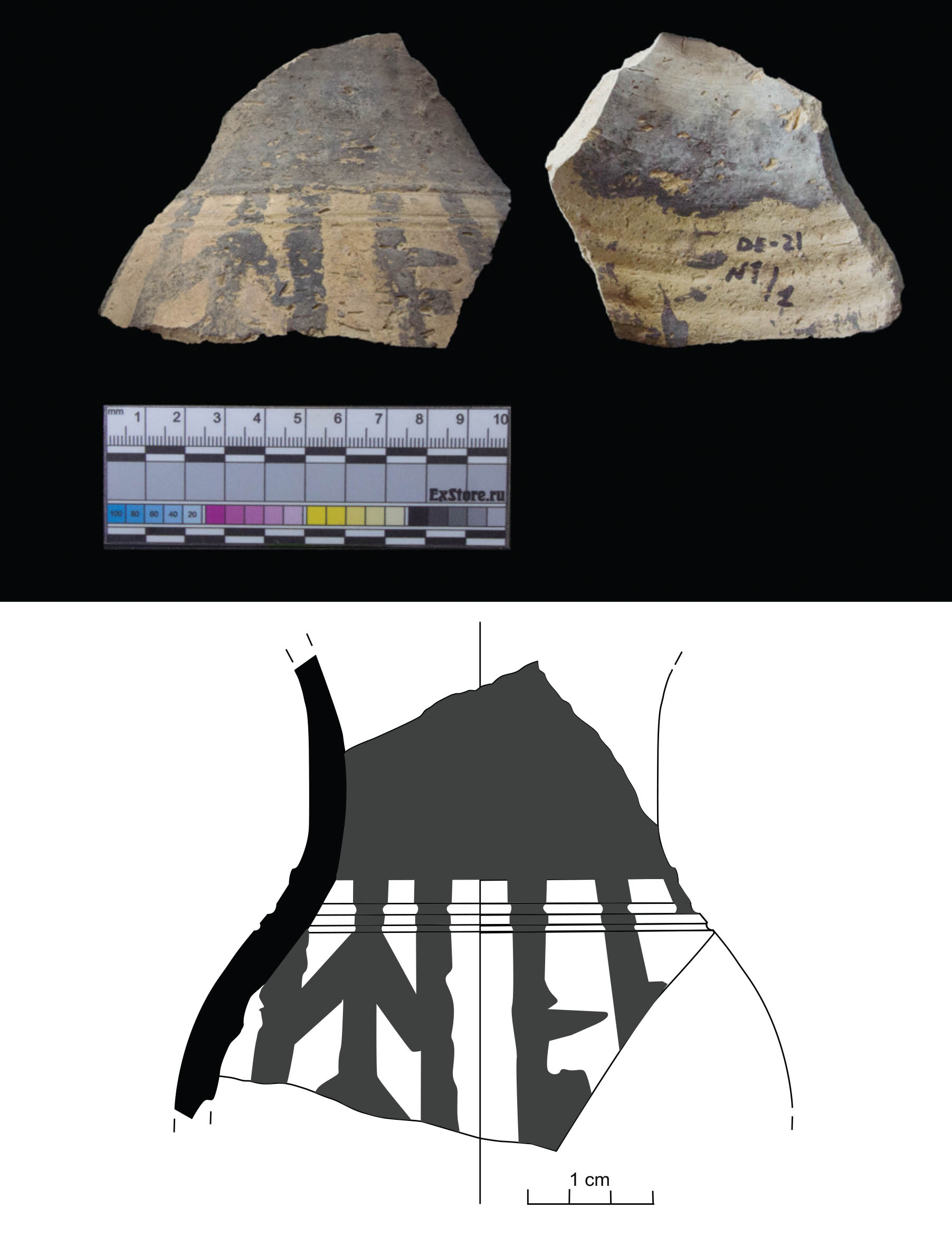
Tell Dehaila
Ancient tell site with mudbrick structures
Tell al-Lahm
Oblong mound with city wall remnants