
Explore the Map
Assur
35.4567° N, 43.2625° E
About
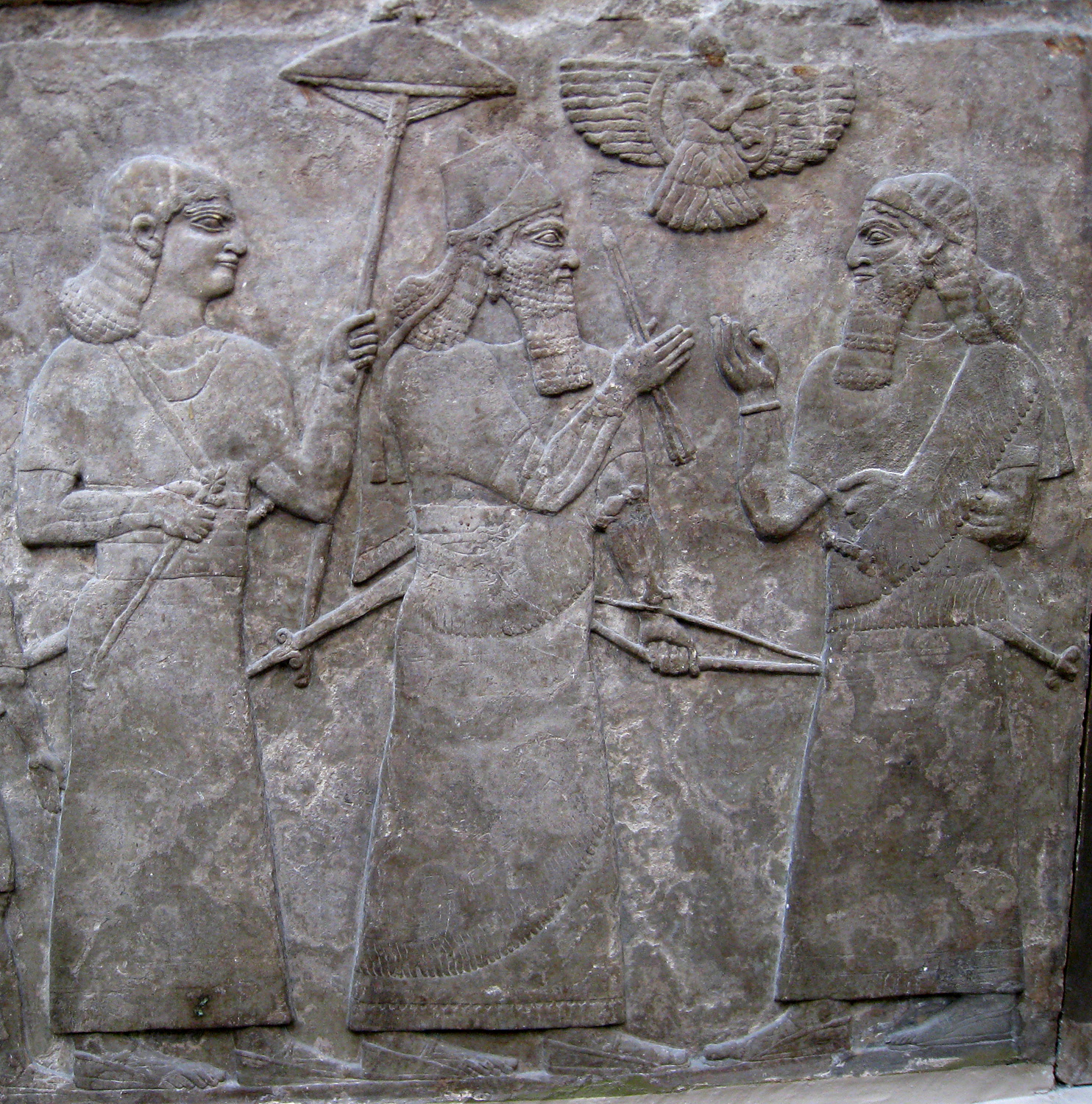
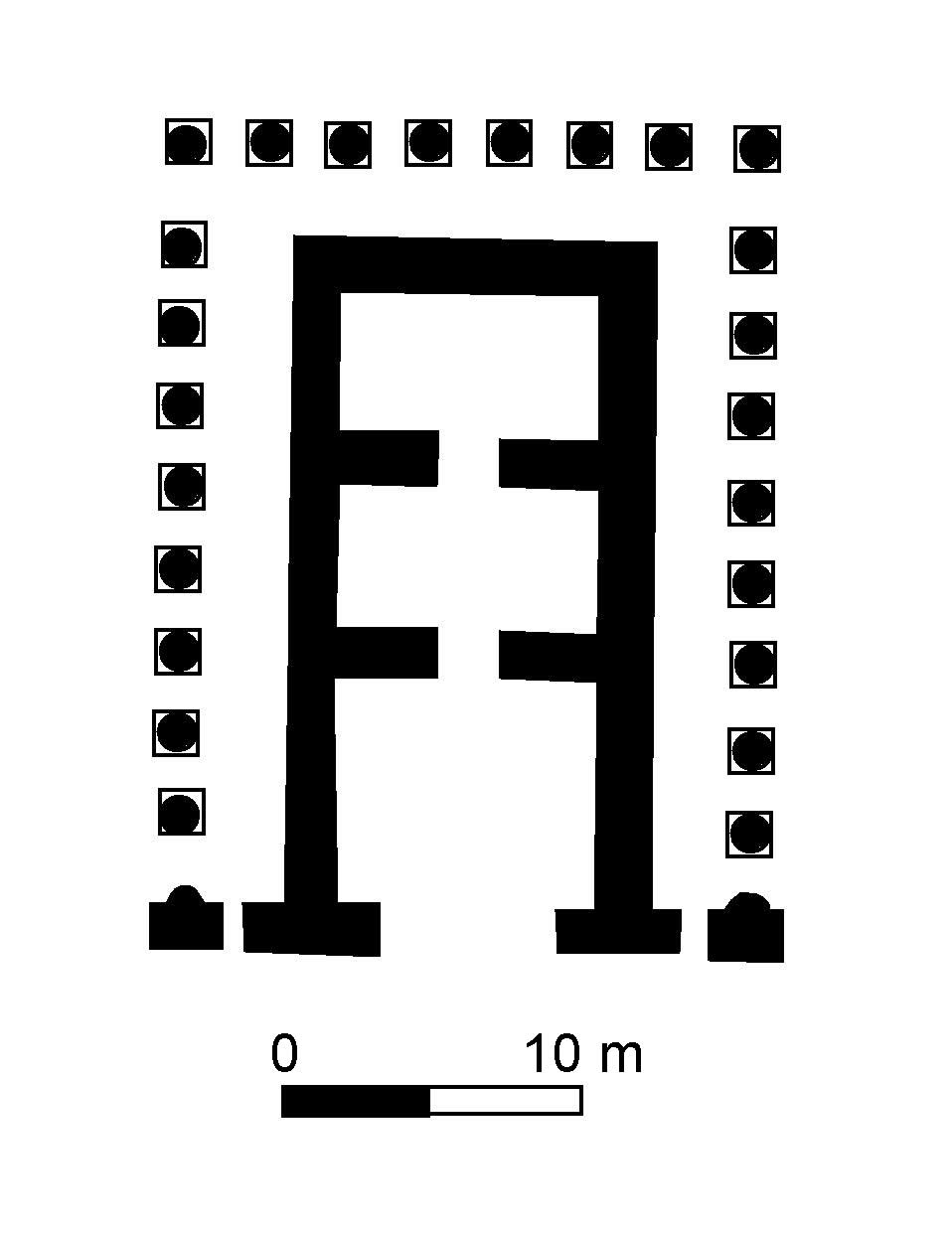
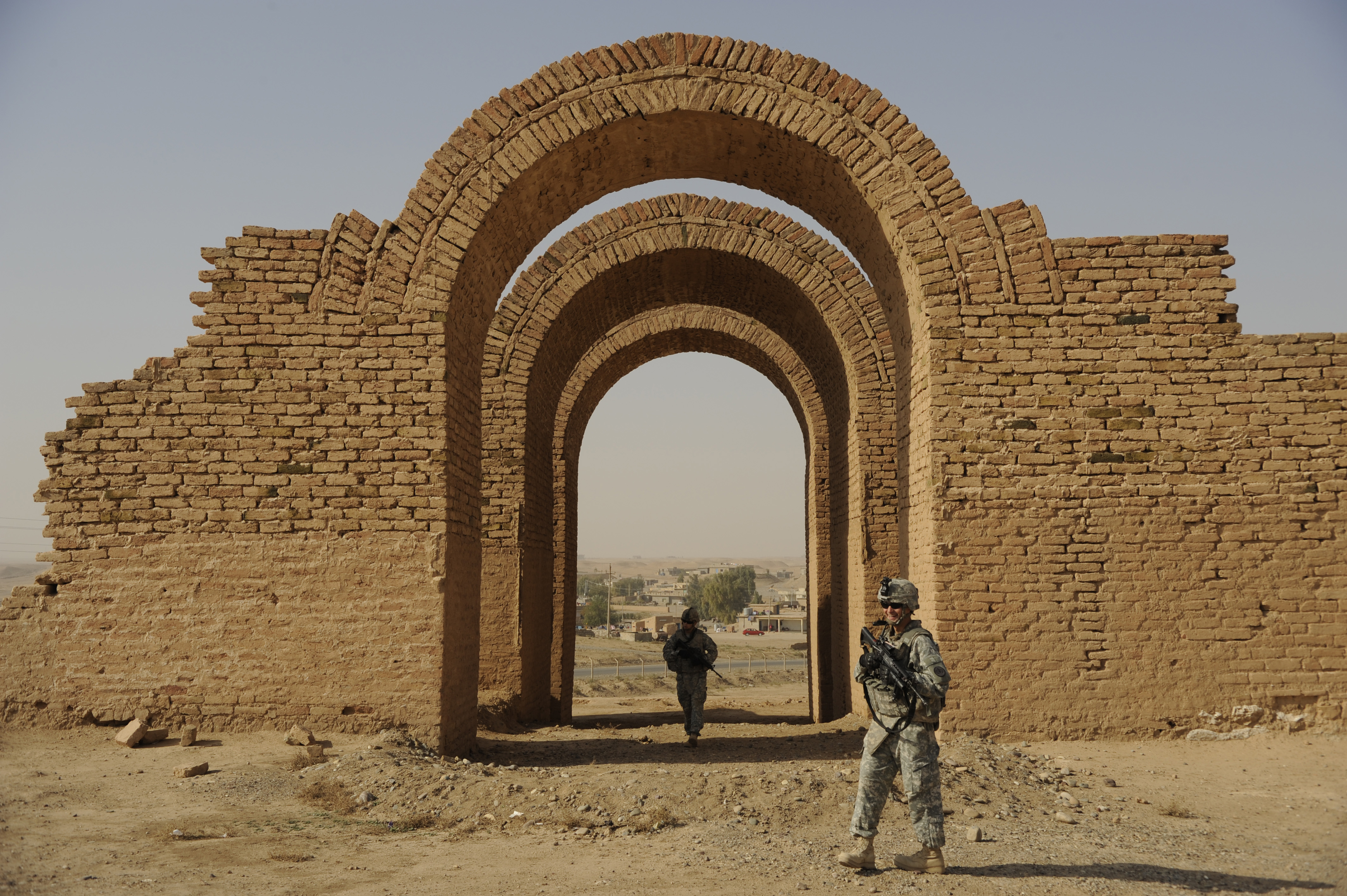
Assur, an ancient city located on the west bank of the Tigris River in modern-day Iraq, served as a major center of political, religious, and economic power in ancient Mesopotamia. It was the capital of several Assyrian states, including the Old, Middle, and Neo-Assyrian empires. Archaeological evidence reveals a rich tapestry of urban development, with significant structures such as temples dedicated to the god Ashur, ziggurats, palaces, and fortifications indicating its historical and cultural importance. The city thrived through various periods, from the Early Bronze Age to the Classical Period, and was renowned for its strategic trade position. Assur's eventual decline began with its sack by the Sasanian Empire in the 3rd century CE. Despite the ravages of time and conflict, the site remains a vital key to understanding the complexities of ancient Assyrian civilization.
Gallery
Explore photographs of ancient structures, artifacts, and archaeological excavations
Historical Timeline
Journey through time and discover key events in this site's history
Old Assyrian City-State Capital
2025 BCE
Middle Assyrian Empire Capital
1363 BCE
Neo-Assyrian Empire Capital
911 BCE
Foundation of Assur
mid-3rd millennium BCE
Sacked by Sasanian Empire
mid-3rd century CE
Archaeological Features
Unique architectural and cultural elements found at this historical site
Defensive Structures
Public and Civic Structures
Burial and Funerary Structures
Religious and Ritual Structures
Artistic and Decorative Features
Domestic and Habitation Structures
Frequently Asked Questions
Plan Your Visit
Tours, travel arrangements, and practical information
More Sites in Iraq
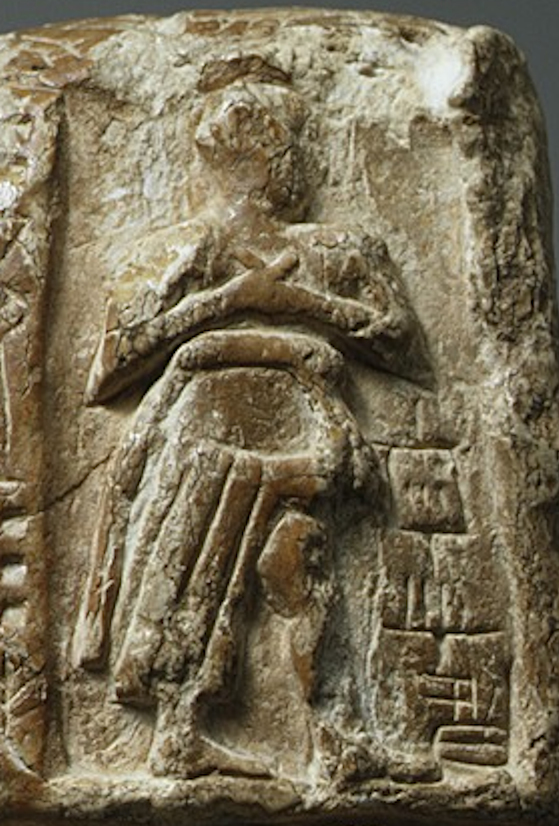
Larsa
Sumerian city-state and temple complex, Isin–Larsa period
Tell al-Lahm
Oblong mound with city wall remnants
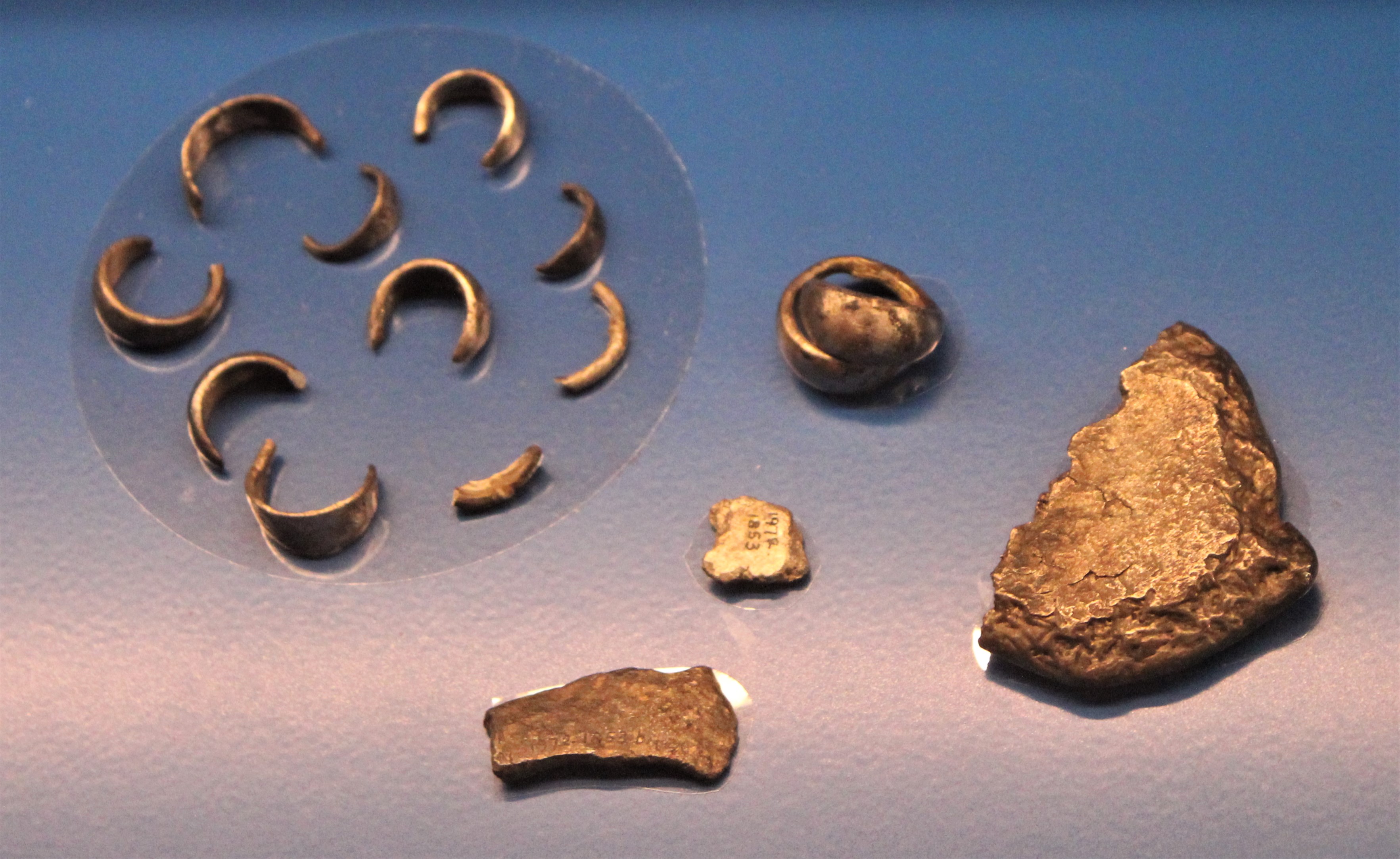
Tell Taya
Ancient hill city with fortifications and artifacts.
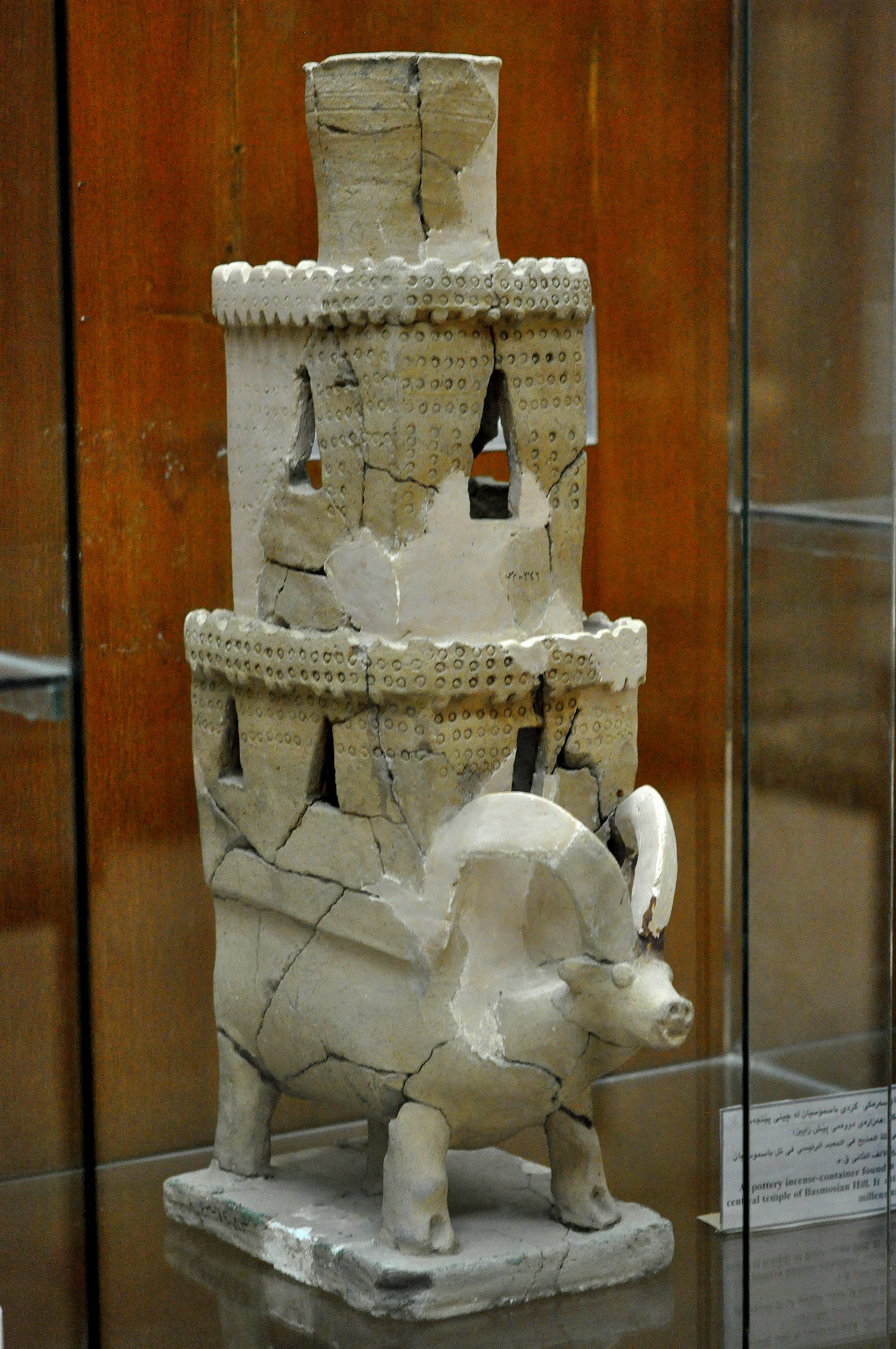
Tell Bazmusian
Large tell site with multi-period occupation.
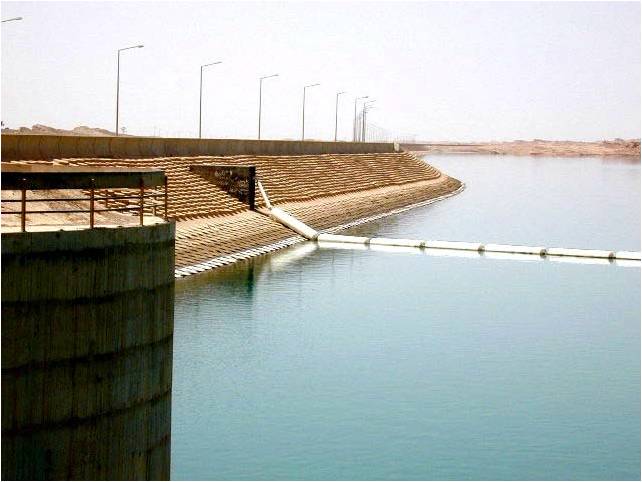
Tell Yelkhi
Oval mound with Kassite and earlier remains.
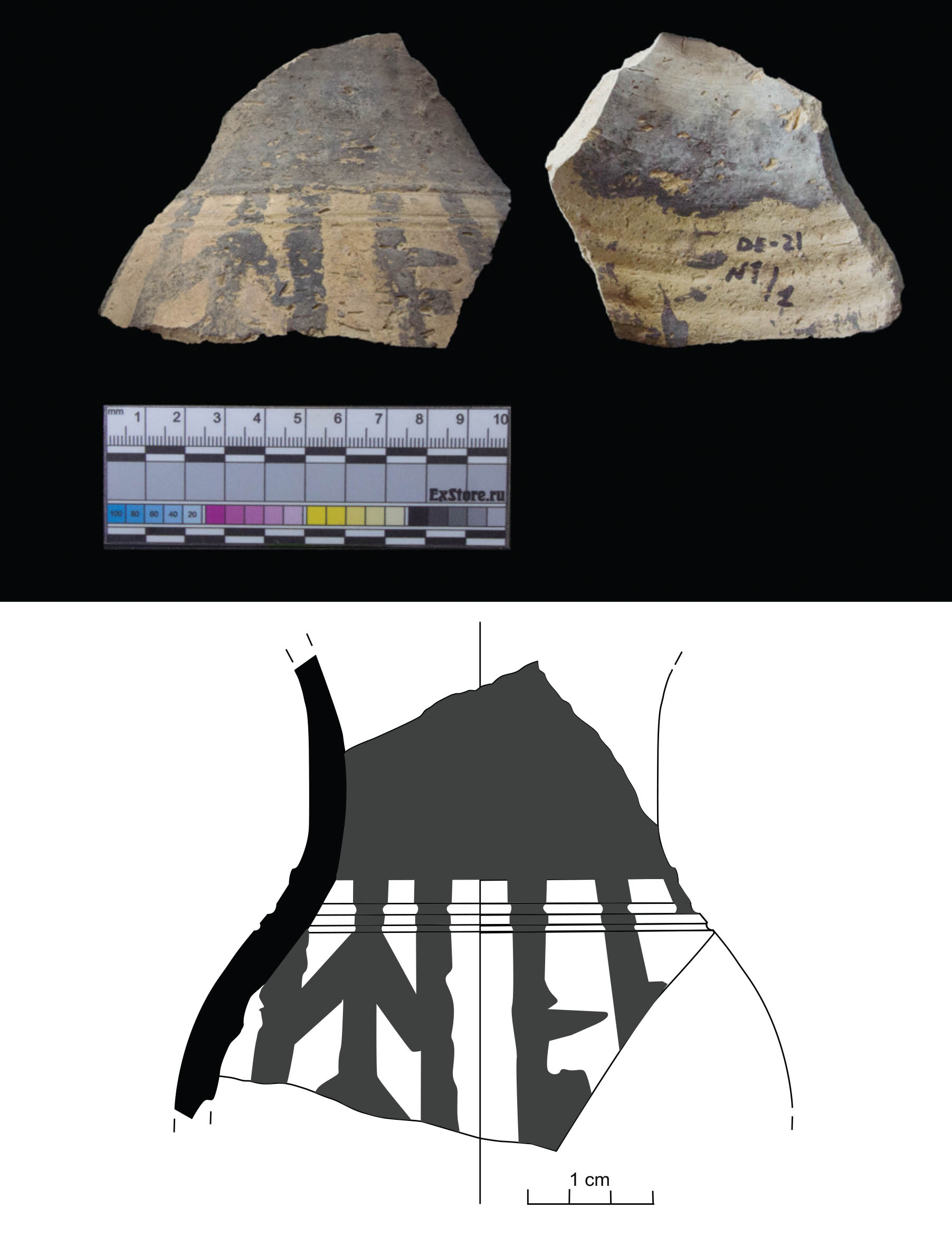
Tell Dehaila
Ancient tell site with mudbrick structures