Explore the Map
Tulul al-Baqarat
32.3375° N, 45.7215° E
About
Tulul al-Baqarat is a significant archaeological site in Wasit Governorate, Iraq, reflecting continuous human occupation from the 4th millennium BCE to the Islamic period. The site, thought to be the location of the ancient city of Kesh, covers approximately 3 kilometers and comprises ten mounds. Noteworthy discoveries include a multi-period temple complex, dedicated to the goddess Ninhursag, rebuilt during the Neo-Babylonian period using stamped bricks from Nebuchadnezzar II. Archaeological evidence suggests a rich history with periods of occupation and destruction, notably a destruction layer from the end of the 3rd millennium BCE. Unfortunately, the site has suffered extensive damage from looting and agricultural activities, complicating its preservation and study.
Historical Timeline
Journey through time and discover key events in this site's history
Neolithic Settlement
4000 BCE
3rd Millennium BCE Destruction Layer
2000 BCE
Neo-Babylonian Temple Rebuilding
605 BCE
Archaeological Features
Unique architectural and cultural elements found at this historical site
Water Management Features
Religious and Ritual Structures
Environmental and Natural Features
Frequently Asked Questions
Plan Your Visit
Tours, travel arrangements, and practical information
More Sites in Iraq
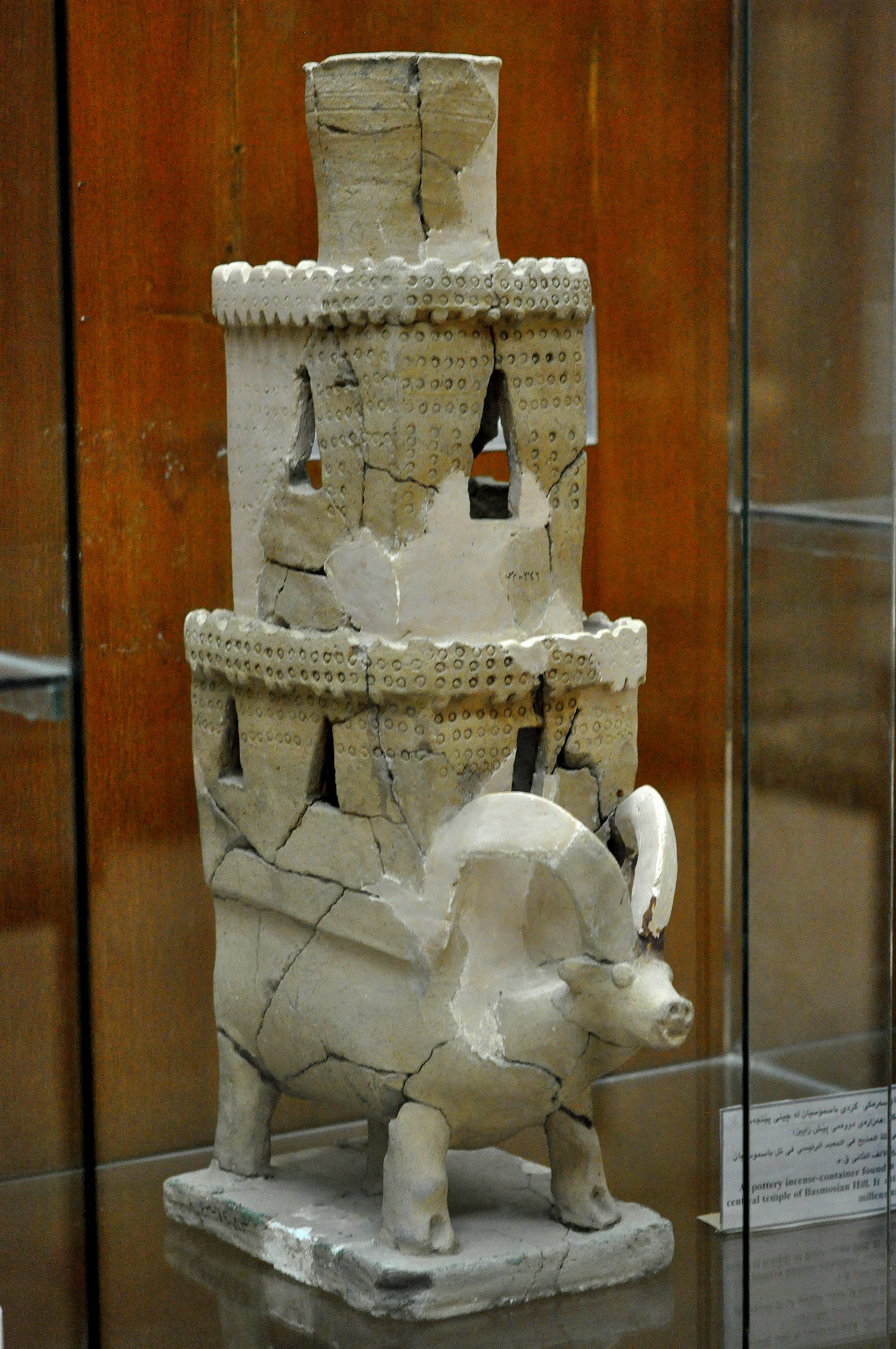
Tell Bazmusian
Large tell site with multi-period occupation.
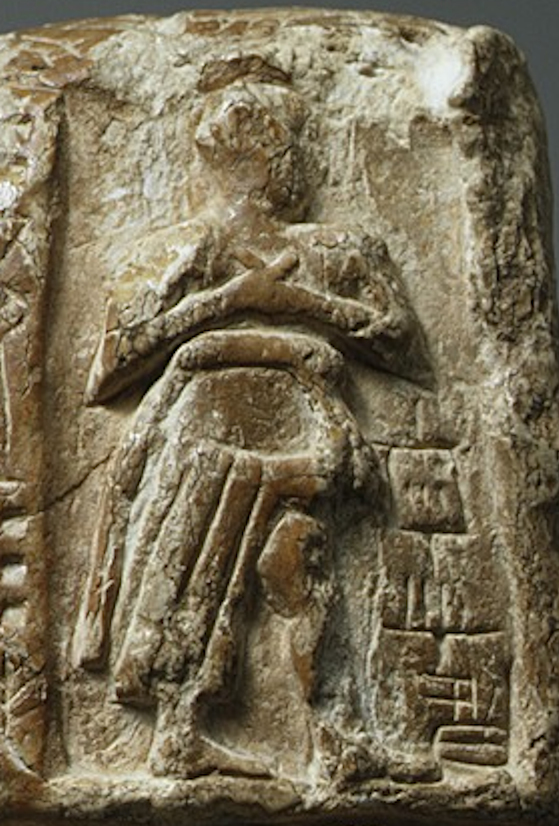
Larsa
Sumerian city-state and temple complex, Isin–Larsa period
Tell al-Lahm
Oblong mound with city wall remnants
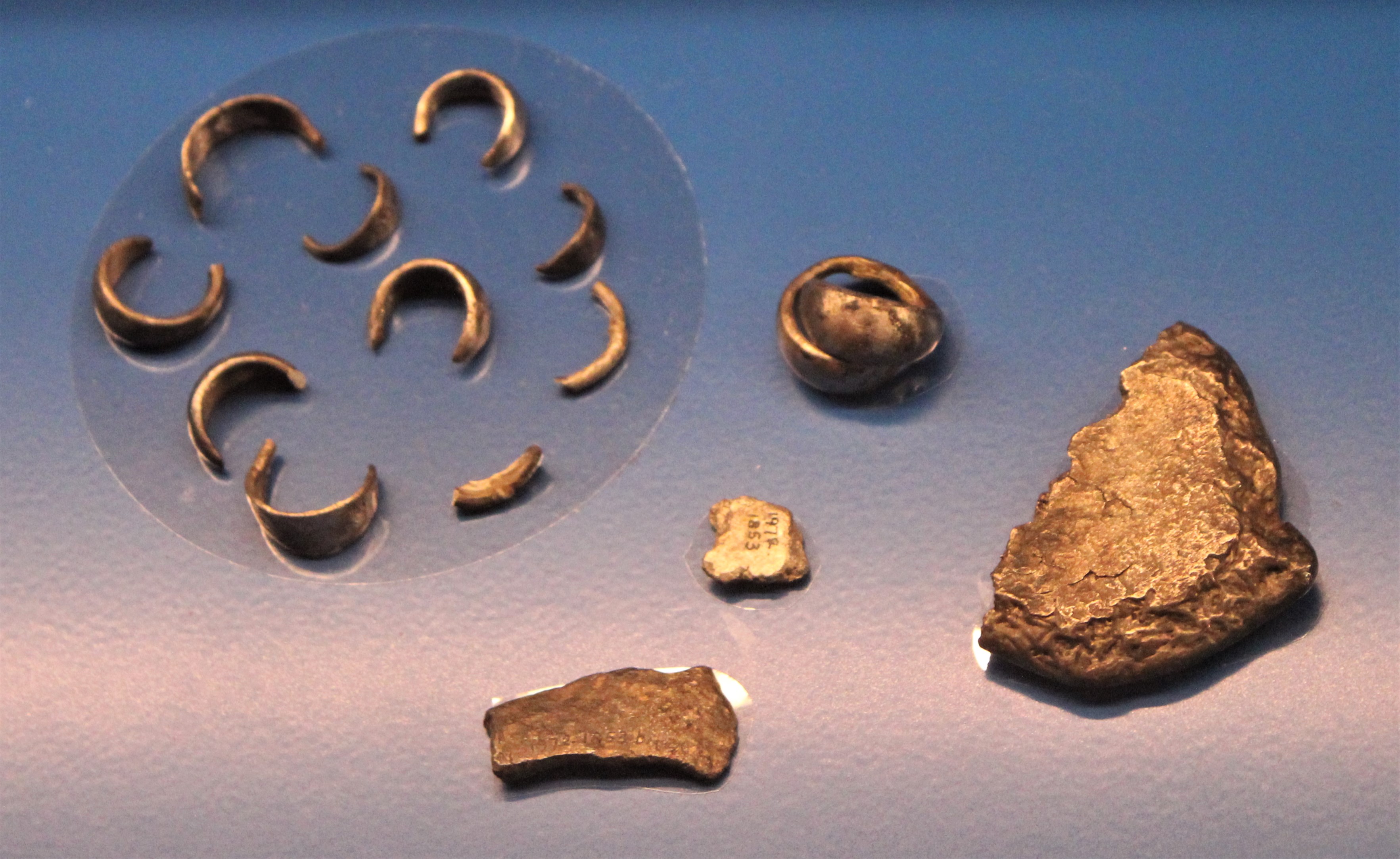
Tell Taya
Ancient hill city with fortifications and artifacts.
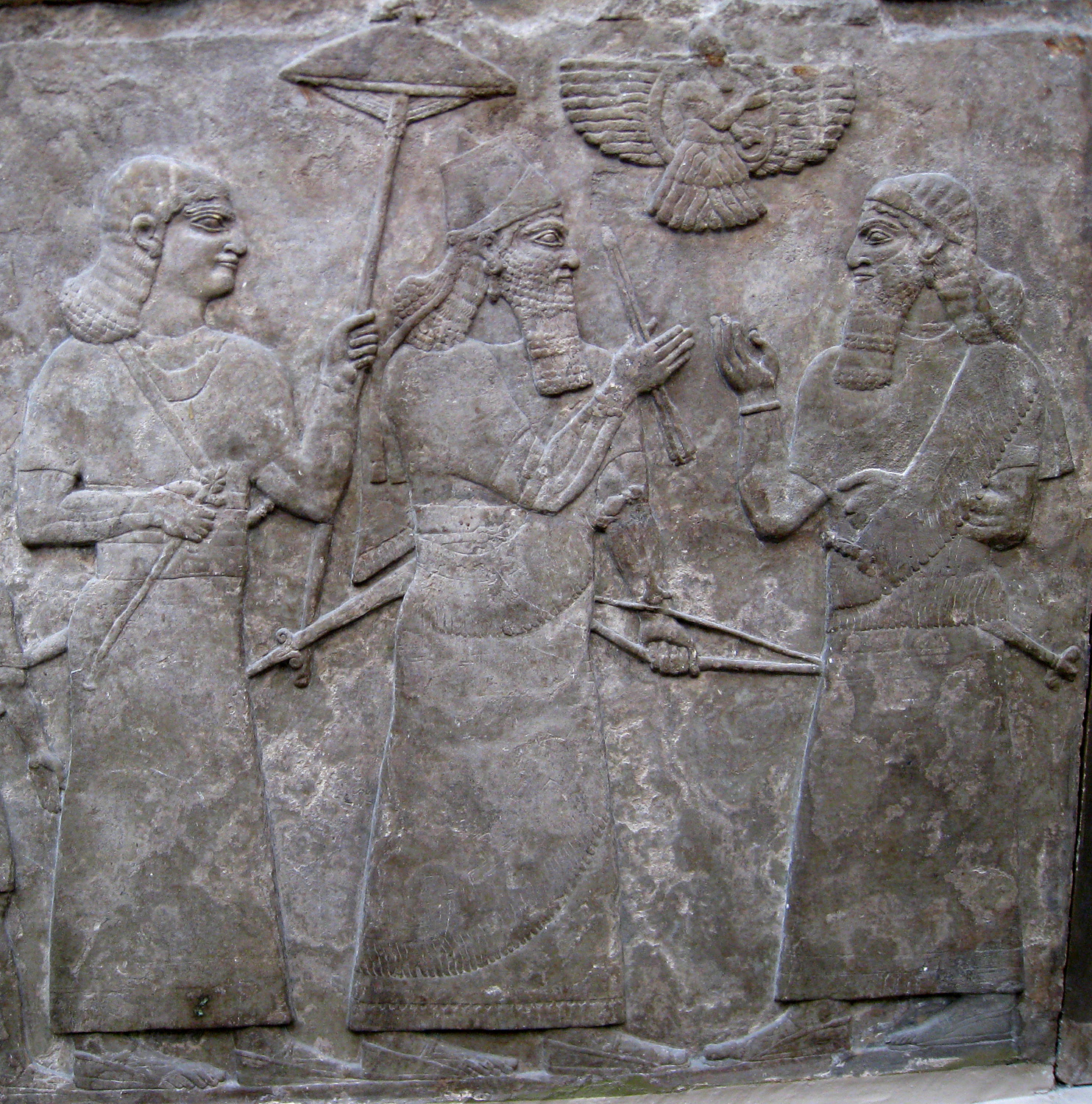
Assur
Ancient Assyrian city on the Tigris River
Tell Muhammad
Ancient site with fortifications and tablets