Explore the Map
Tell al-Hawa
36.8028° N, 42.4681° E
About
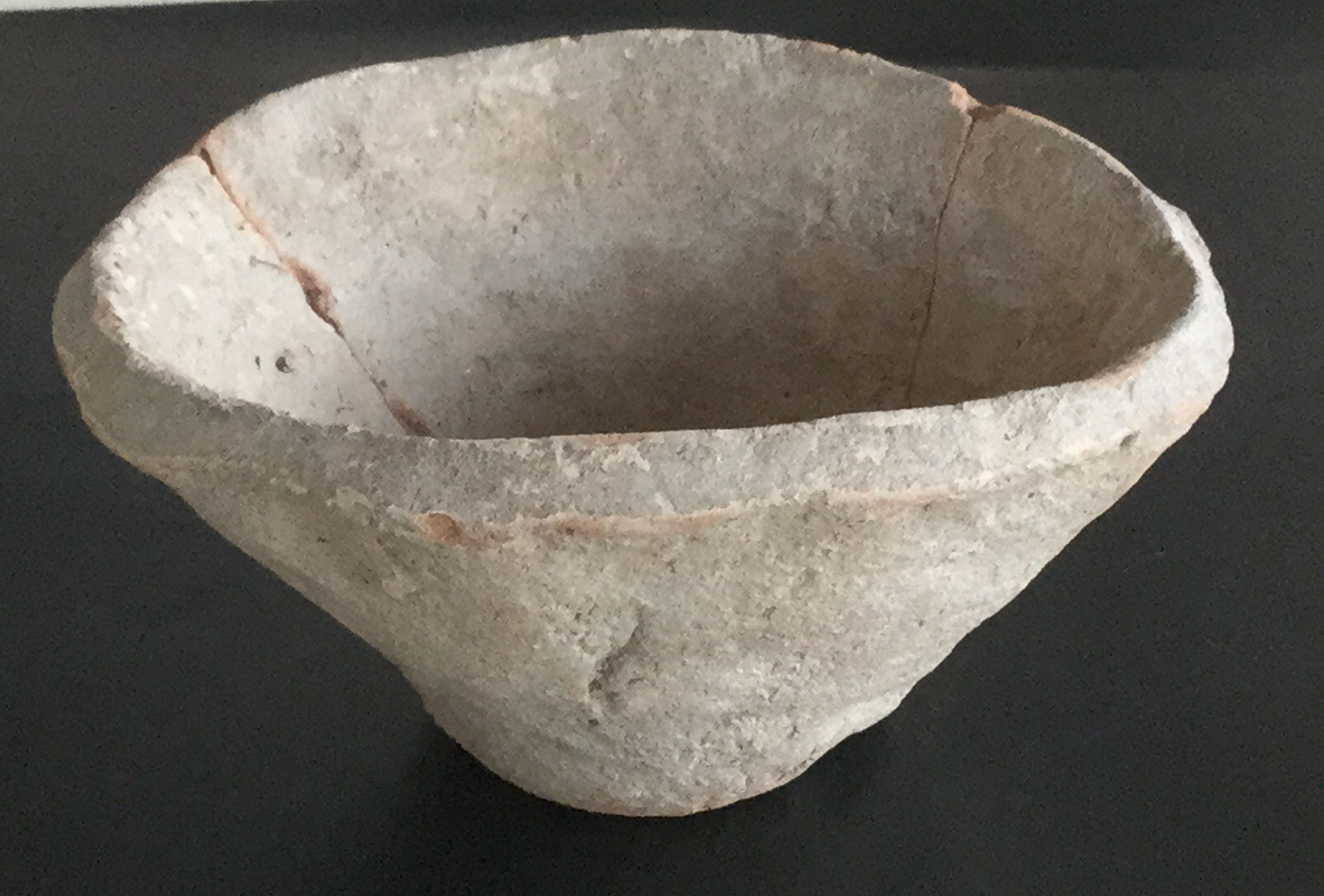
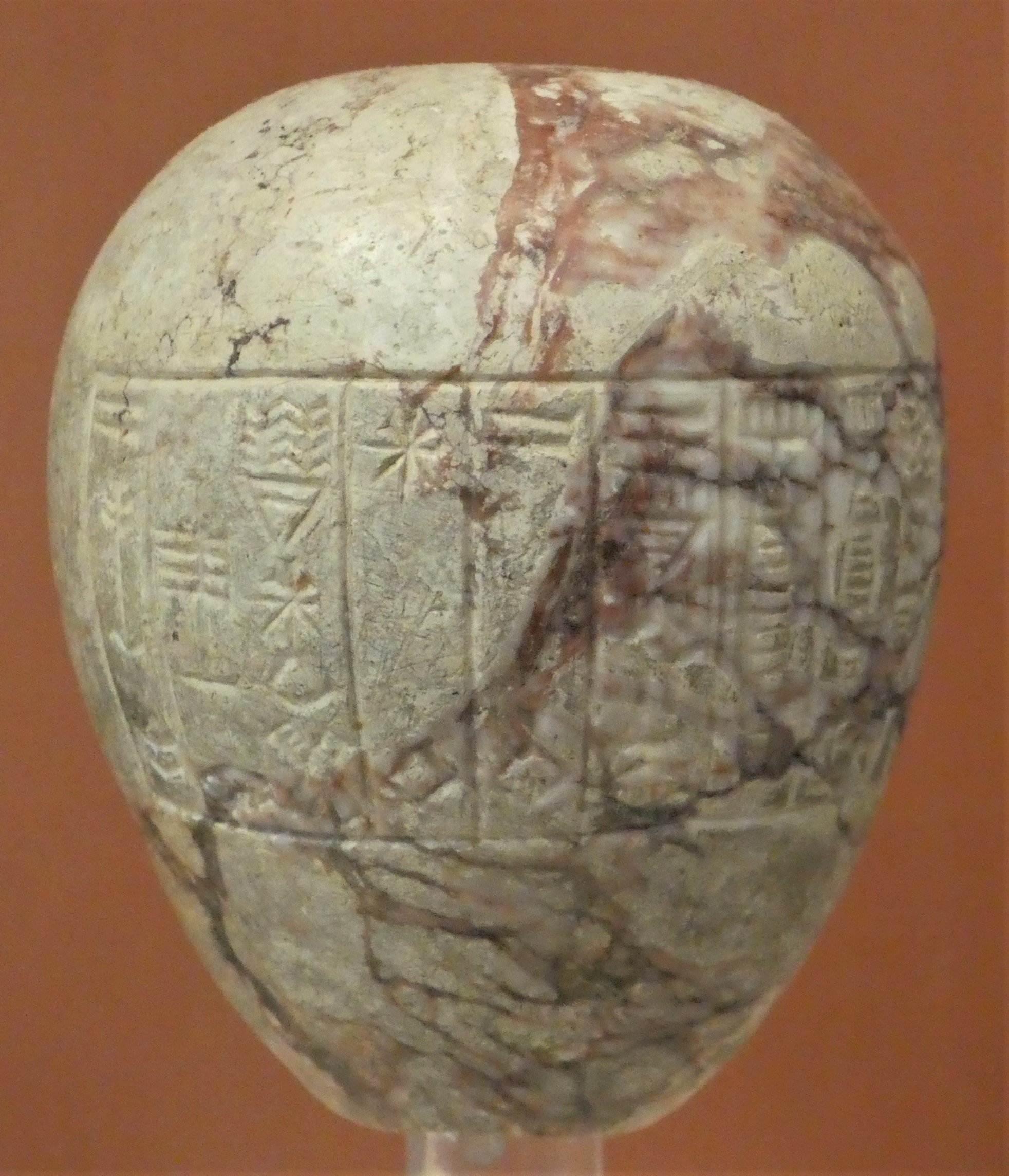
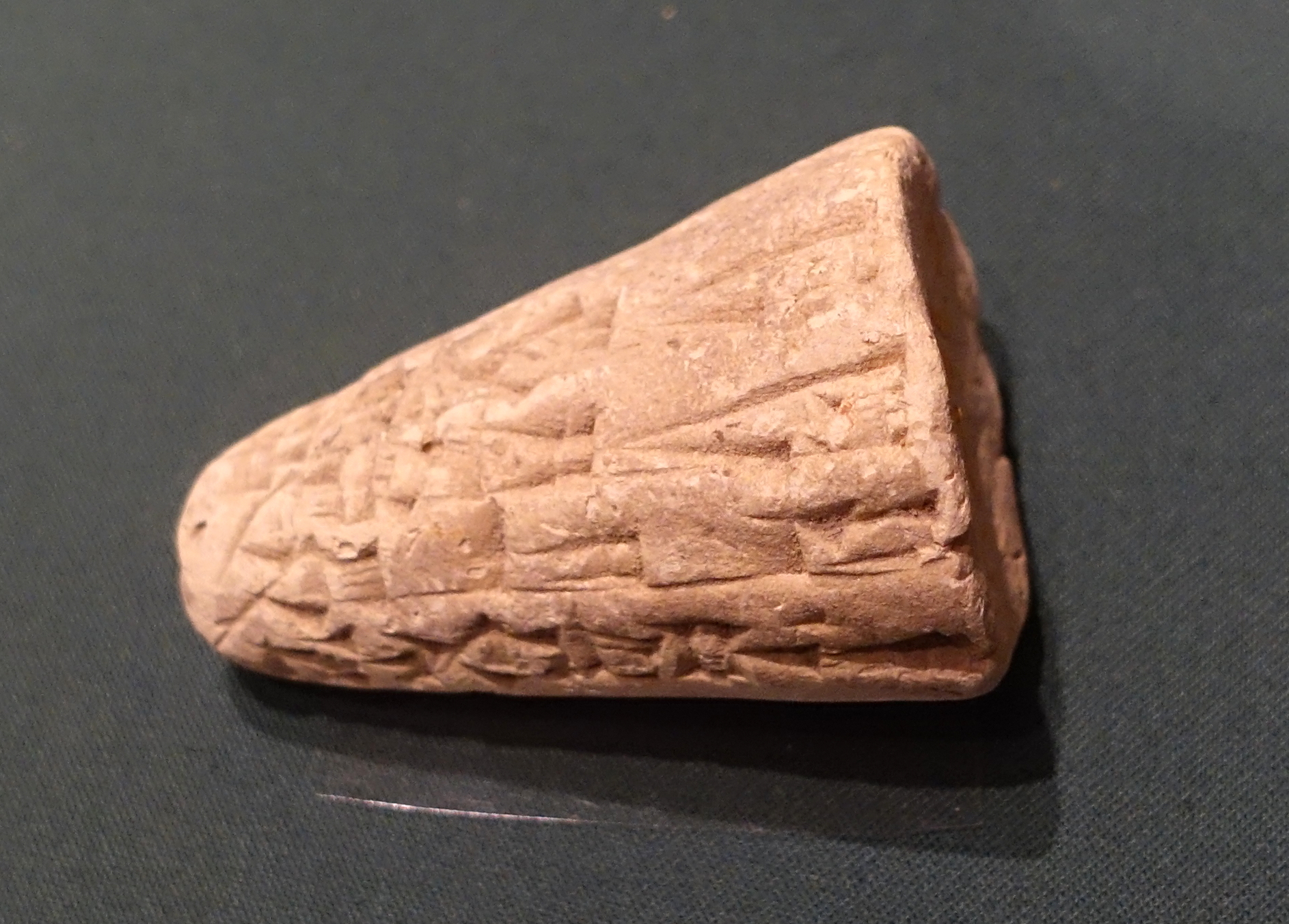
Tell al-Hawa is a significant archaeological site located on the North Jazira Plain in northern Iraq, near the Syrian border. The site has a long history of occupation, beginning in the Halaf period of the 5th millennium BCE. It witnessed substantial growth during the Uruk period and the Akkadian Empire period. The settlement features an Acropolis and a large lower town, covering approximately 100 hectares. Architectural remnants include a ziggurat platform, temples, and an administrative building. The site experienced periods of abandonment, notably during the late 3rd millennium BCE, but saw renewed activity during the Mitanni/Middle Assyrian period and the Neo-Assyrian period, serving as a provincial capital. The diverse range of artifacts, including ceremonial items and inscribed clay cones, highlights its historical and cultural significance.
Gallery
Explore photographs of ancient structures, artifacts, and archaeological excavations
Historical Timeline
Journey through time and discover key events in this site's history
Halaf Occupation Starts
5000 BCE
Uruk Period Expansion
4000 BCE
Akkadian Empire Period
2300 BCE
Abandonment Phase
2200 BCE
Mitanni/Middle Assyrian Phase
1400 BCE
Neo-Assyrian Period
900 BCE
Archaeological Features
Unique architectural and cultural elements found at this historical site
Miscellaneous Features
Public and Civic Structures
Burial and Funerary Structures
Religious and Ritual Structures
Domestic and Habitation Structures
Frequently Asked Questions
Plan Your Visit
Tours, travel arrangements, and practical information


More Sites in Iraq
Larsa
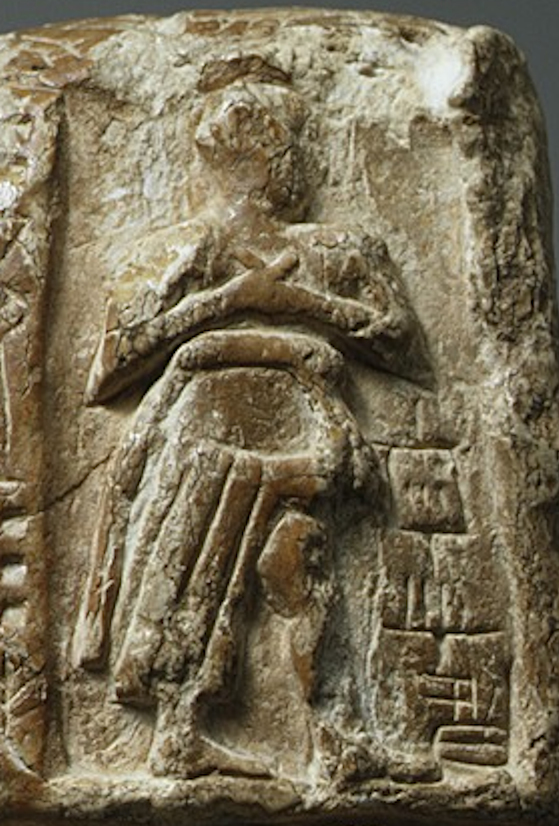
Sumerian city-state and temple complex, Isin–Larsa period
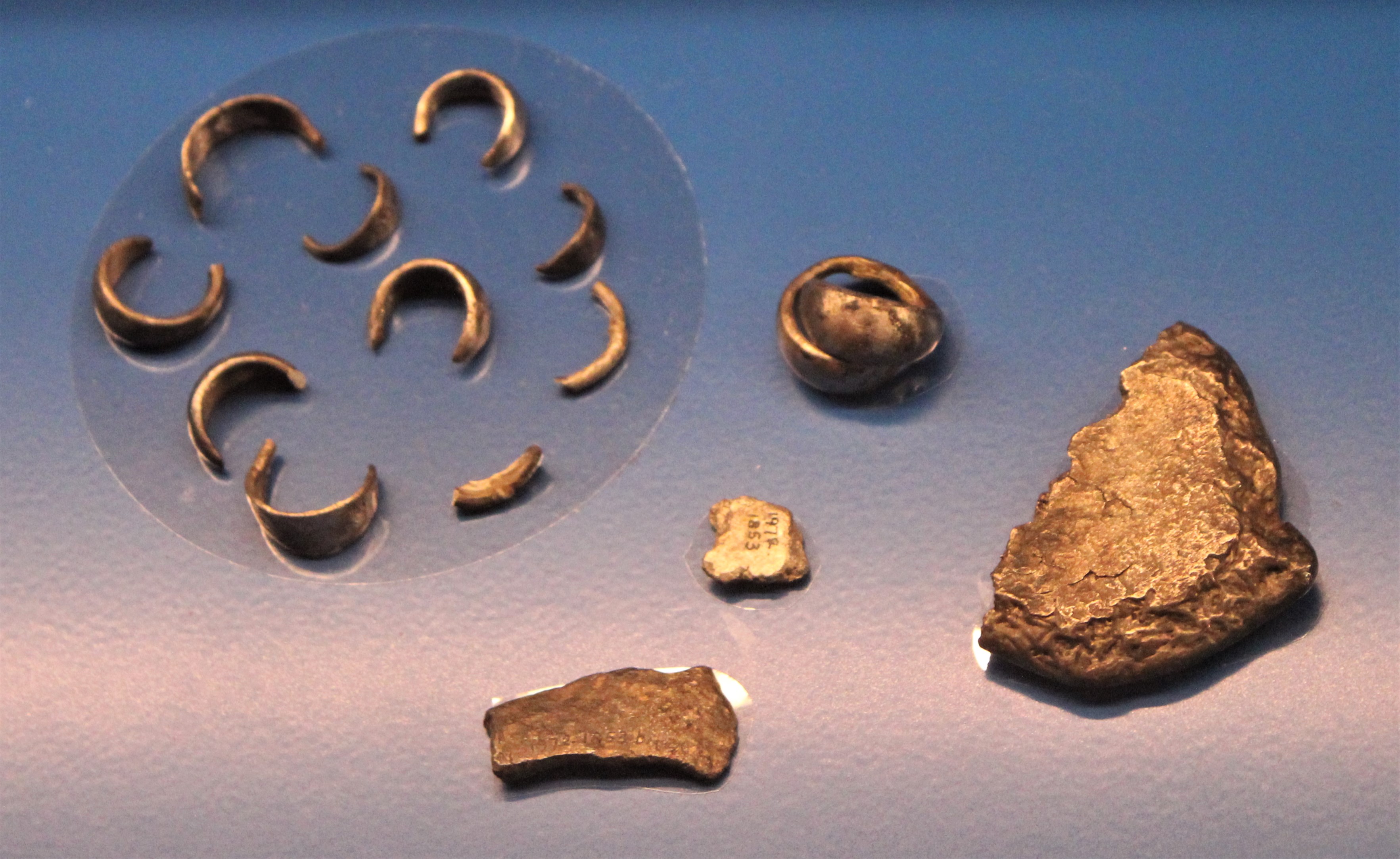
Tell Taya
Ancient hill city with fortifications and artifacts.
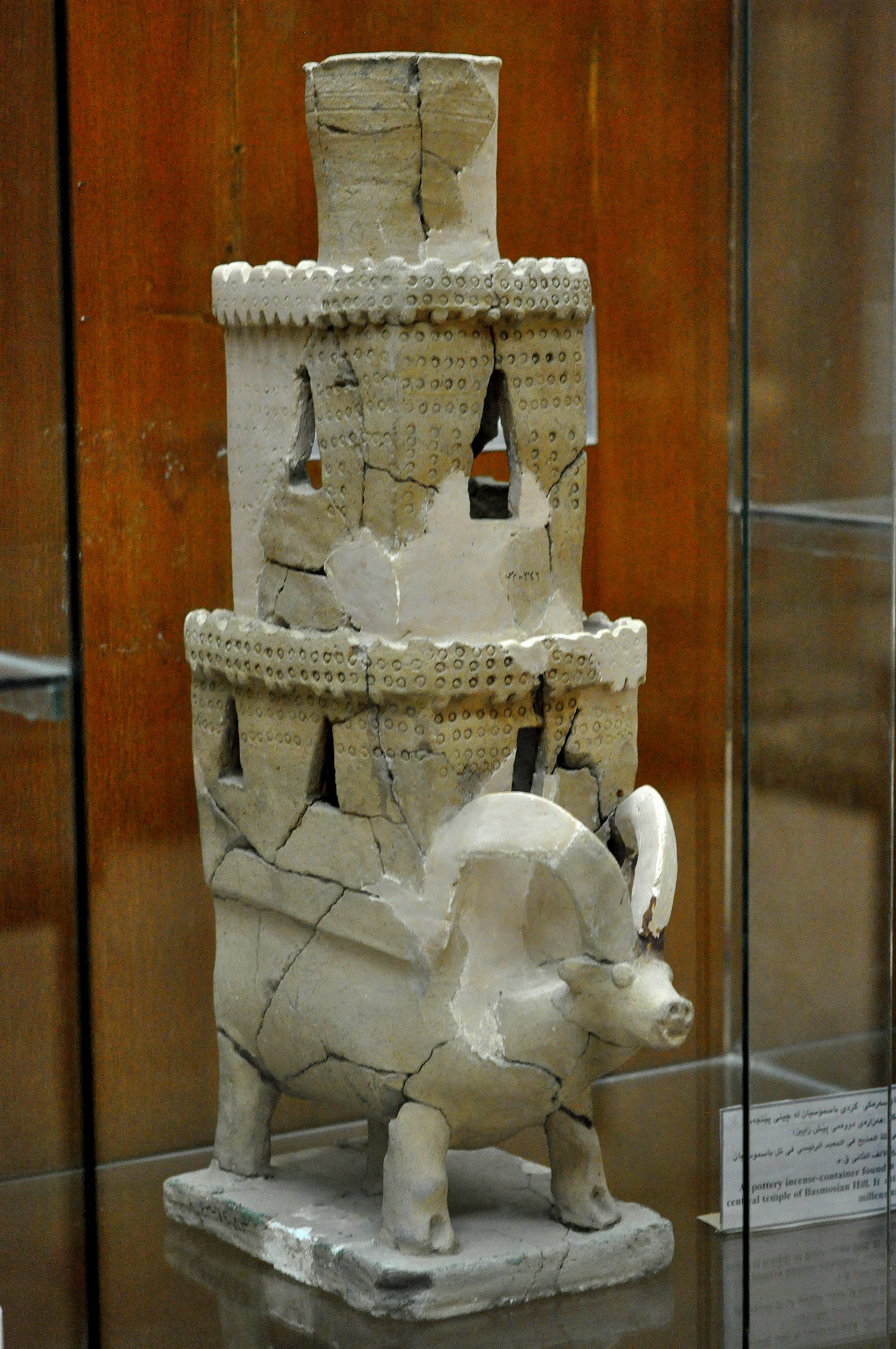
Tell Bazmusian
Large tell site with multi-period occupation.
Tell al-Lahm
Oblong mound with city wall remnants
Tell al-Fakhar
Pottery mound with multi-period occupation.
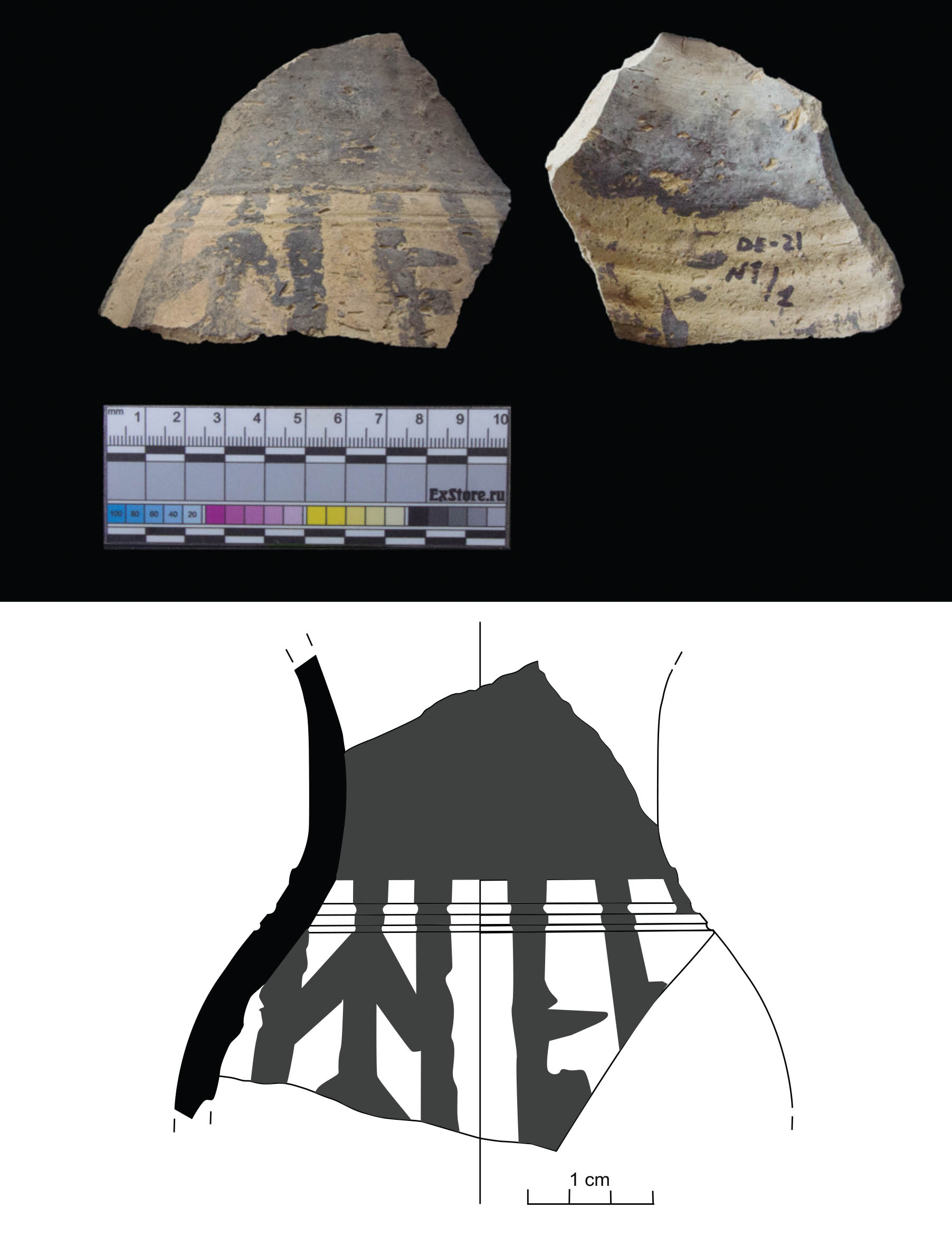
Tell Dehaila
Ancient tell site with mudbrick structures