Explore the Map
Nippur
32.1264° N, 45.2334° E
About
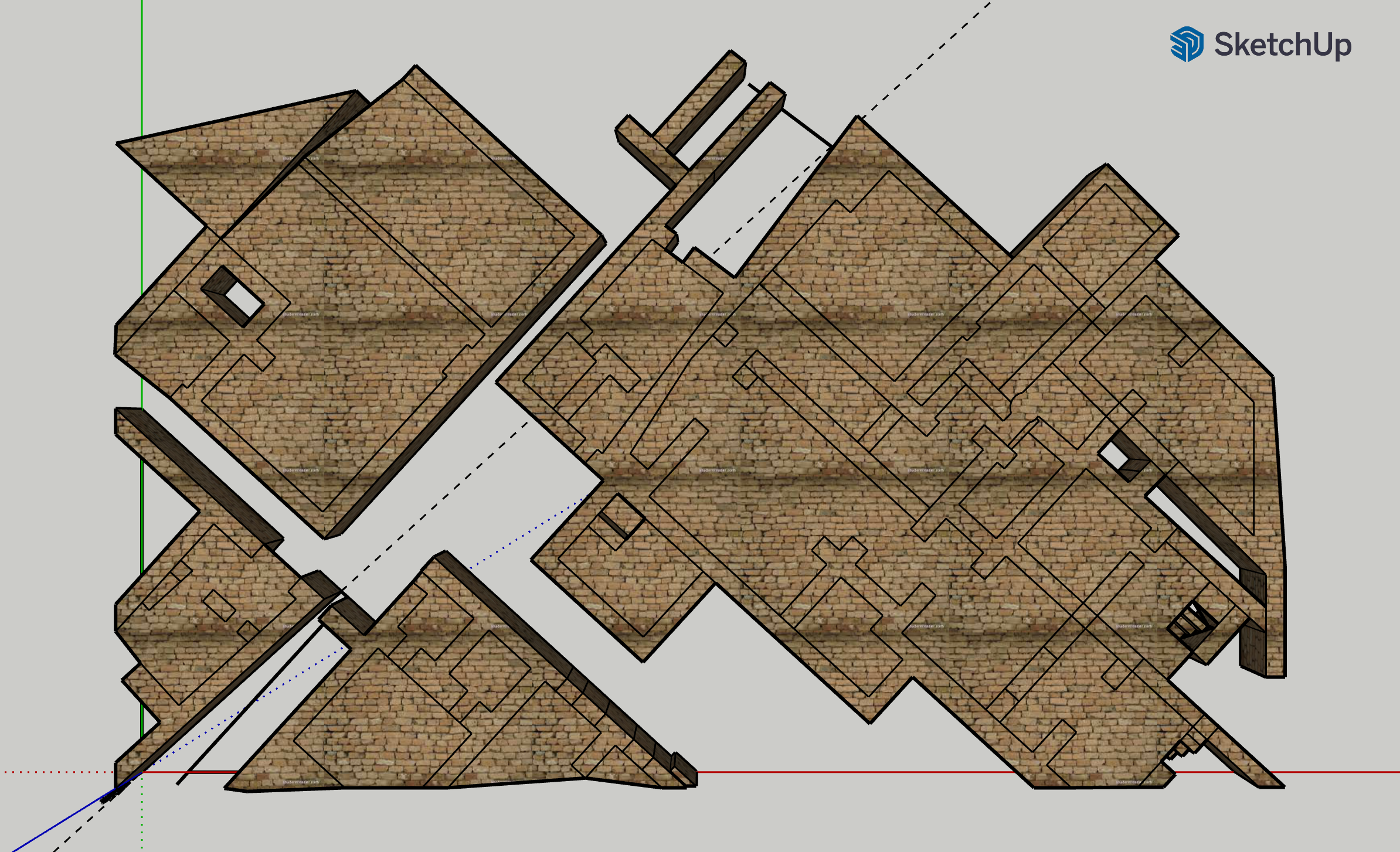
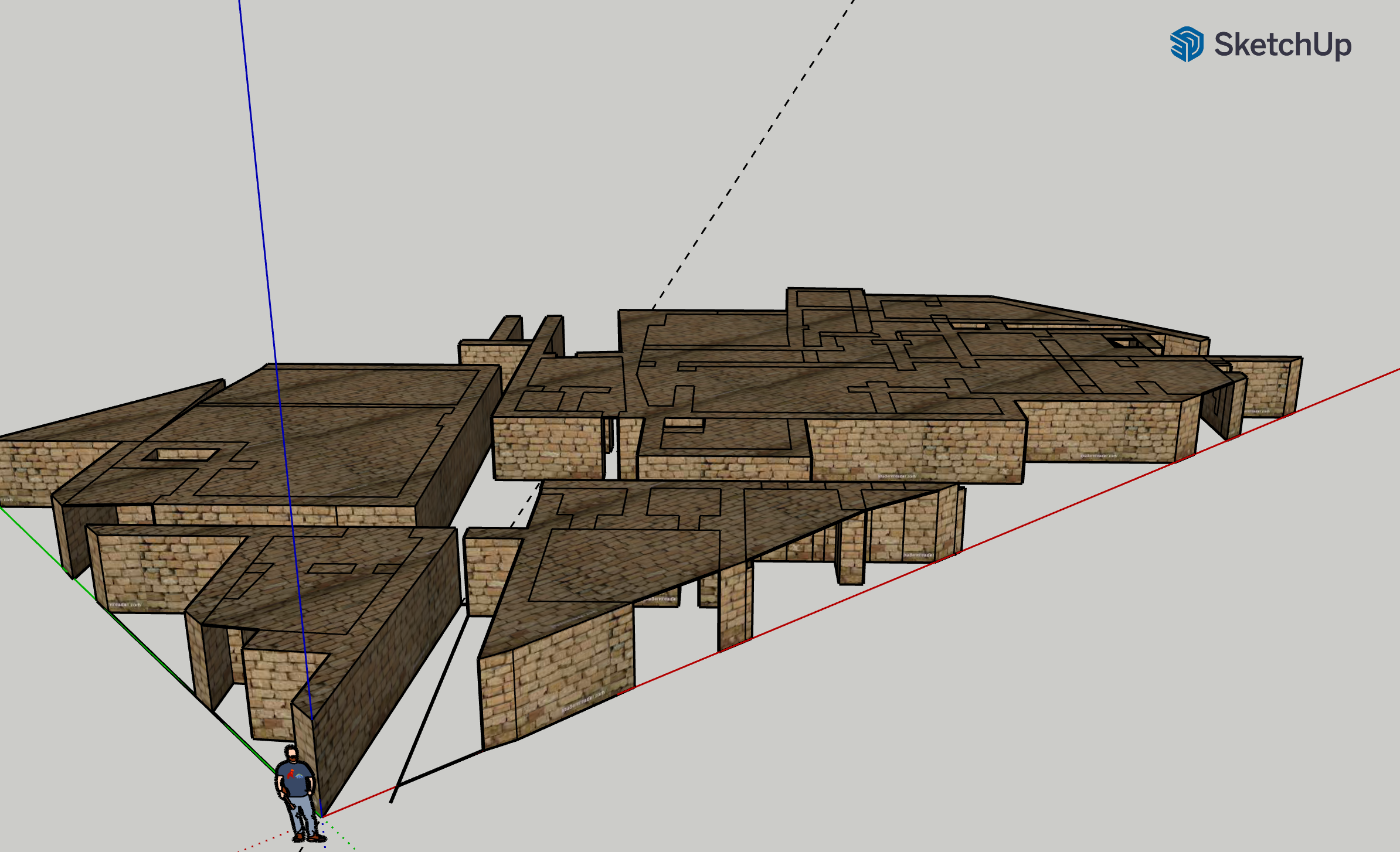
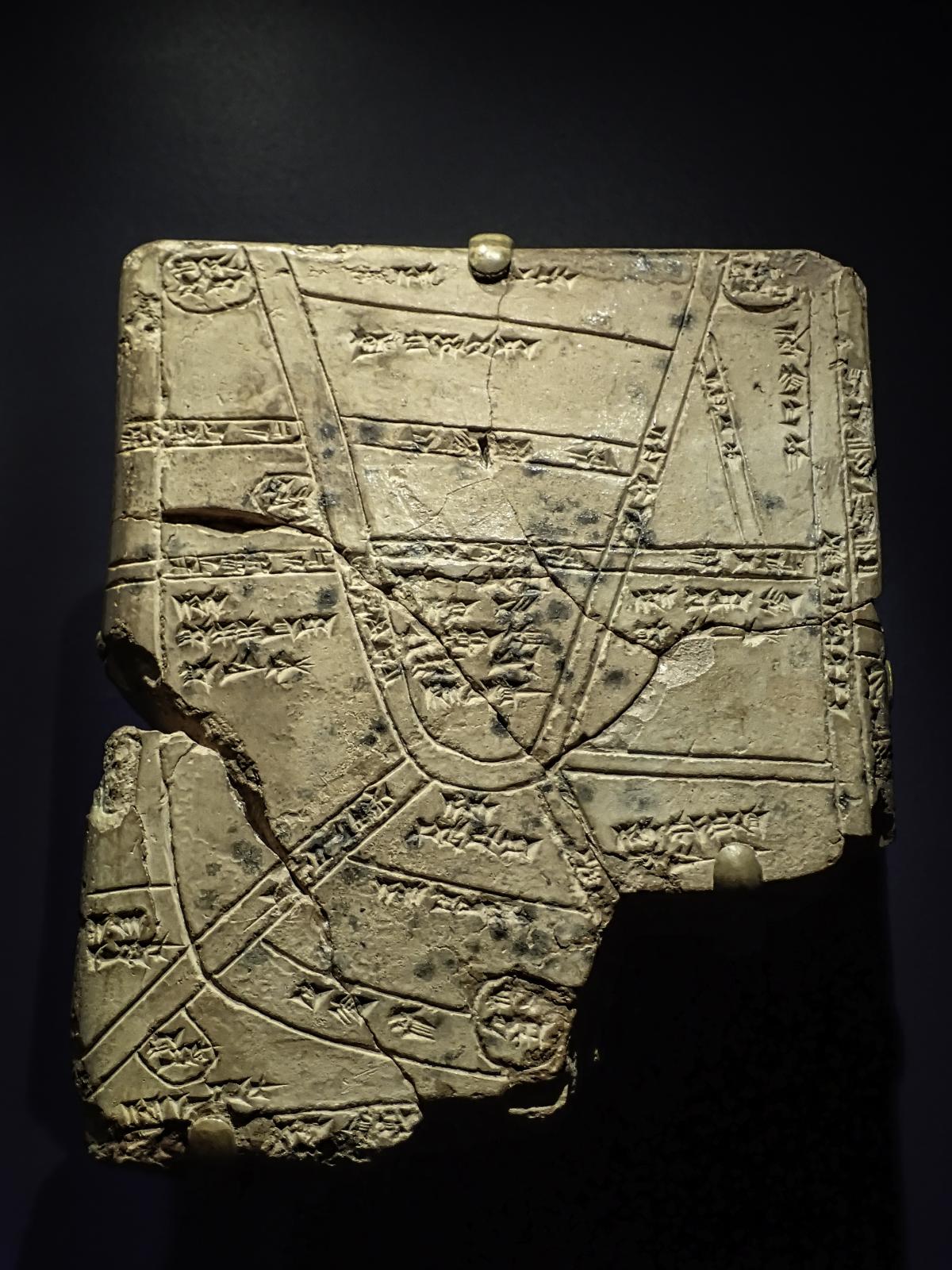
Nippur, an ancient Sumerian city located in modern-day Iraq, was a significant religious center, particularly known for its association with the god Enlil. The city housed the prestigious Ekur temple, which was central to Sumerian religious practices. Nippur's strategic importance lay in its ability to confer legitimacy to rulers from other city-states, making it a focal point of power despite not being a political capital itself. The site underwent numerous constructions and reconstructions over millennia, from the Ubaid period through the Kassite and Assyrian occupations, and later into the Parthian period, when it was converted into a fortress. Nippur's rich archaeological remains, including temples, ziggurats, and canals, provide a comprehensive view of Mesopotamian civilization's evolution and religious significance.
Gallery
Explore photographs of ancient structures, artifacts, and archaeological excavations
Historical Timeline
Journey through time and discover key events in this site's history
Ubaid Period Occupation
5000 BCE
Construction by Enmebaragesi
2500 BCE
Akkadian Conquest
2200 BCE
Ur III Rebuilding
2100 BCE
Kassite Restoration
1375 BCE
Assyrian Renovation
650 BCE
Parthian Fortress Construction
250 CE
Islamic Period Decline
950 CE
Archaeological Features
Unique architectural and cultural elements found at this historical site
Storage Structures
Defensive Structures
Animal Husbandry Features
Religious and Ritual Structures
Agricultural and Land Use Features
Domestic and Habitation Structures
Transportation and Communication Structures
Frequently Asked Questions
Plan Your Visit
Tours, travel arrangements, and practical information
More Sites in Iraq
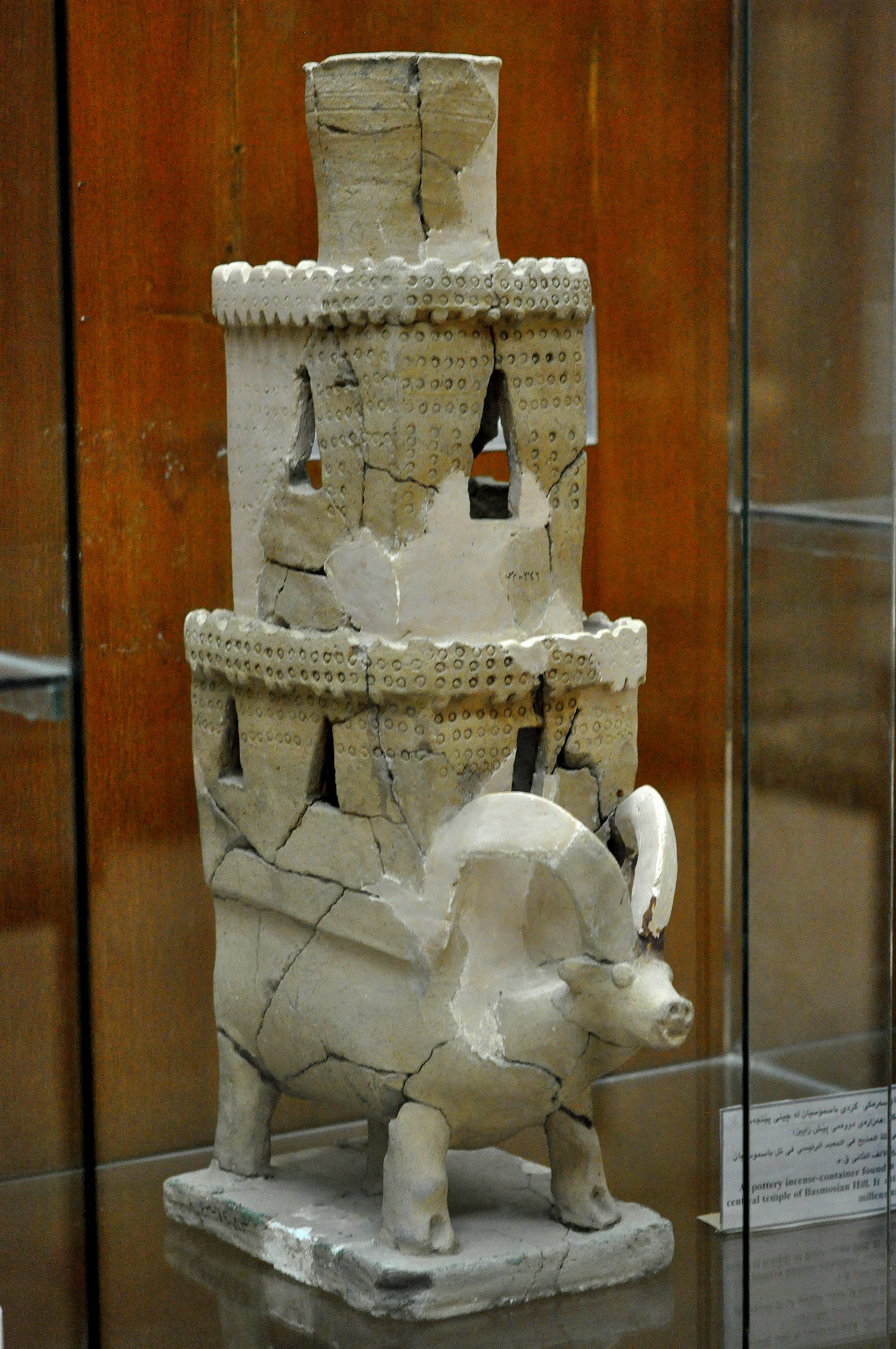
Tell Bazmusian
Large tell site with multi-period occupation.
Tell al-Lahm
Oblong mound with city wall remnants
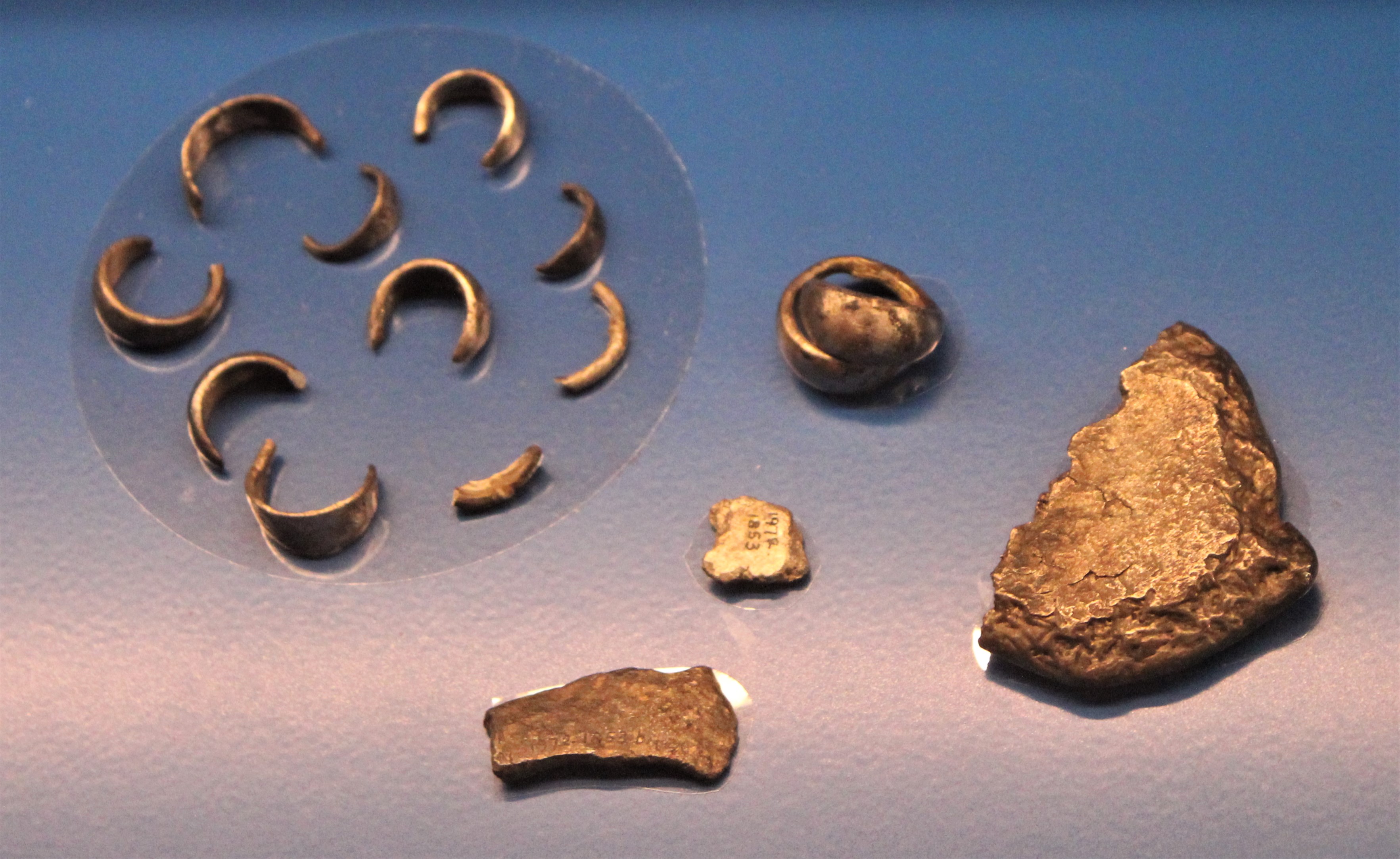
Tell Taya
Ancient hill city with fortifications and artifacts.
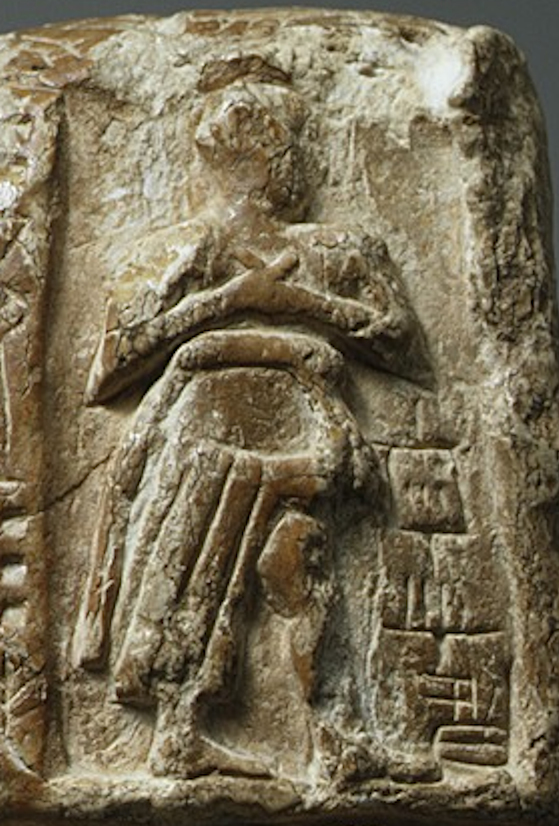
Larsa
Sumerian city-state and temple complex, Isin–Larsa period
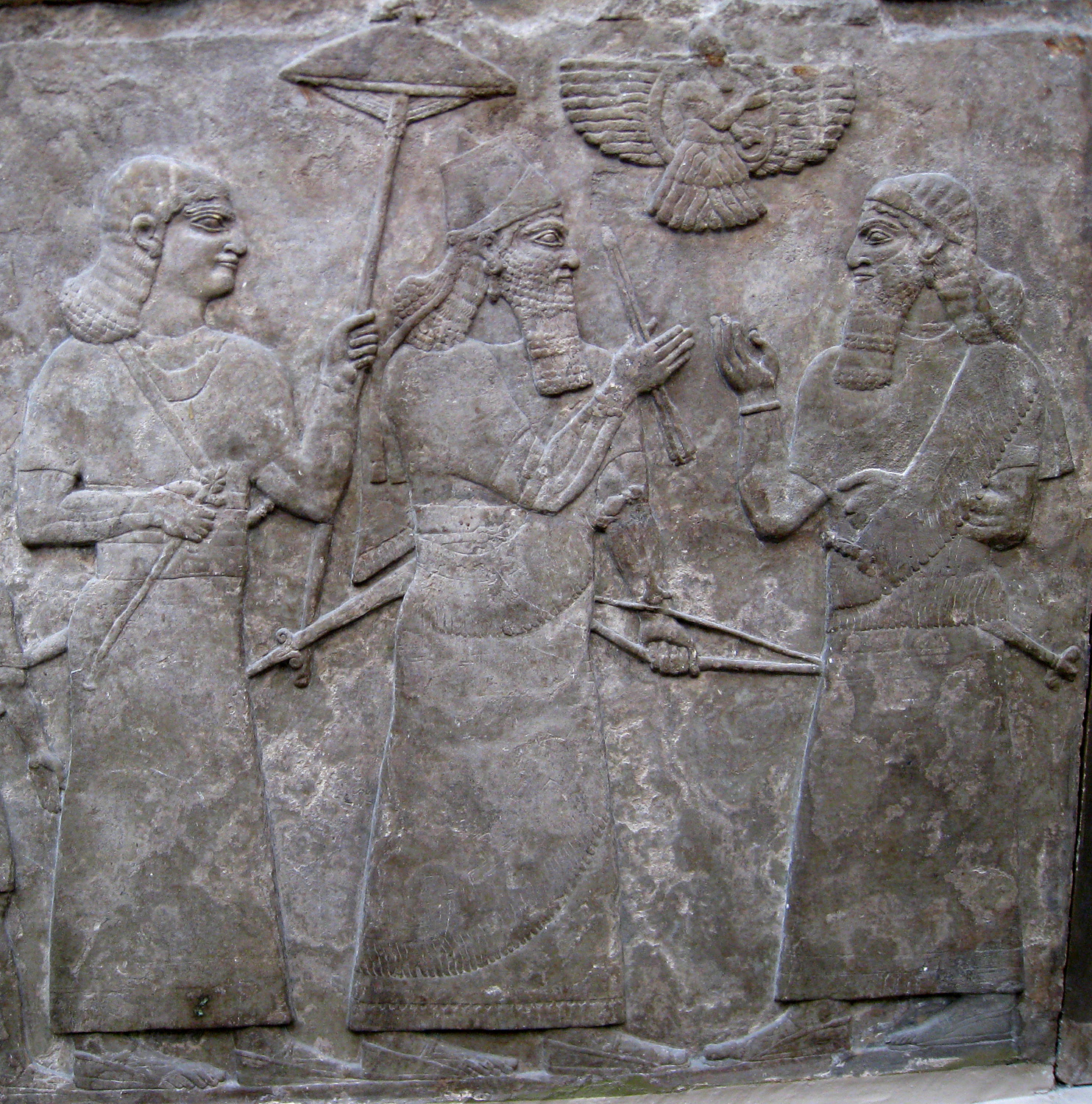
Assur
Ancient Assyrian city on the Tigris River
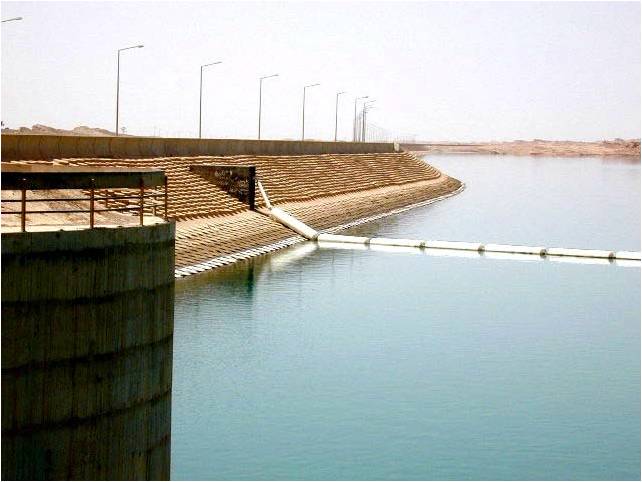
Tell Yelkhi
Oval mound with Kassite and earlier remains.