Explore the Map
Dilbat
32.2956° N, 44.4661° E
About
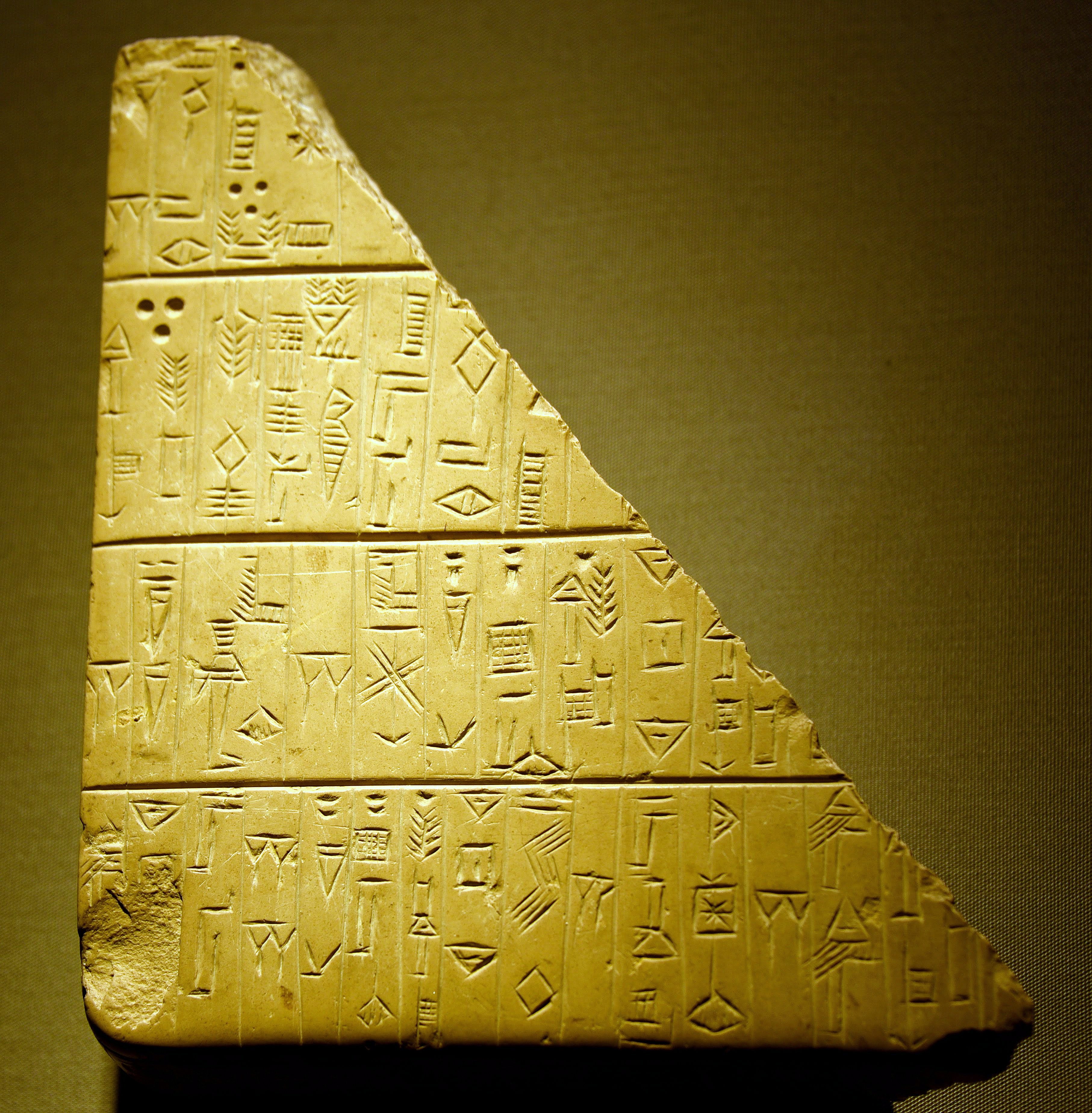
Dilbat, an ancient Near Eastern city located in modern-day Iraq, was situated near the Euphrates River and held significant historical and archaeological relevance. Founded during the Early Dynastic III period, the city was known for its ziggurat, E-ibe-Anu, dedicated to the deity Urash. Throughout its history, Dilbat experienced various phases of occupation, including during the Akkadian, Old Babylonian, and Kassite periods, as well as the Sasanian and Early Islamic periods. Archaeological findings at the site include domestic structures, a ziggurat, temples, kilns, and burial remains. Despite limited excavations, Dilbat has yielded artifacts such as cuneiform tablets, indicating its role as an early agricultural center. Its strategic location near significant waterways and involvement in regional power struggles underscore its historical importance.
Gallery
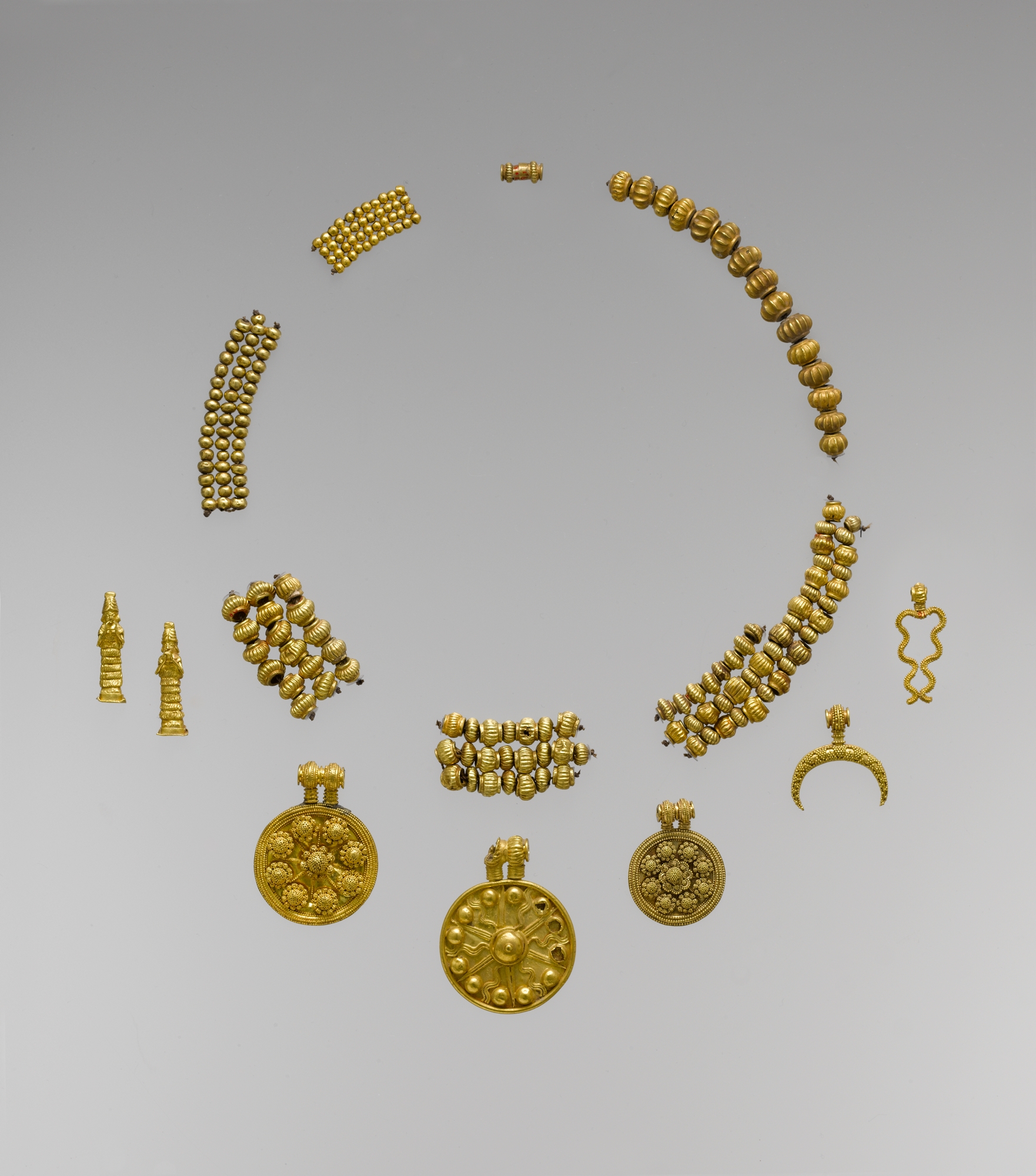
Explore photographs of ancient structures, artifacts, and archaeological excavations
Historical Timeline
Journey through time and discover key events in this site's history
Founding of Dilbat
2500 BCE
Old Babylonian Period Occupation
1800 BCE
Kassite Period Reoccupation
1300 BCE
Sasanian Period Occupation
200 CE
Early Islamic Period Occupation
700 CE
Archaeological Features
Unique architectural and cultural elements found at this historical site
Burial and Funerary Structures
Industrial and Craft Structures
Religious and Ritual Structures
Domestic and Habitation Structures
Frequently Asked Questions
Plan Your Visit
Tours, travel arrangements, and practical information
More Sites in Iraq
Tell Bazmusian
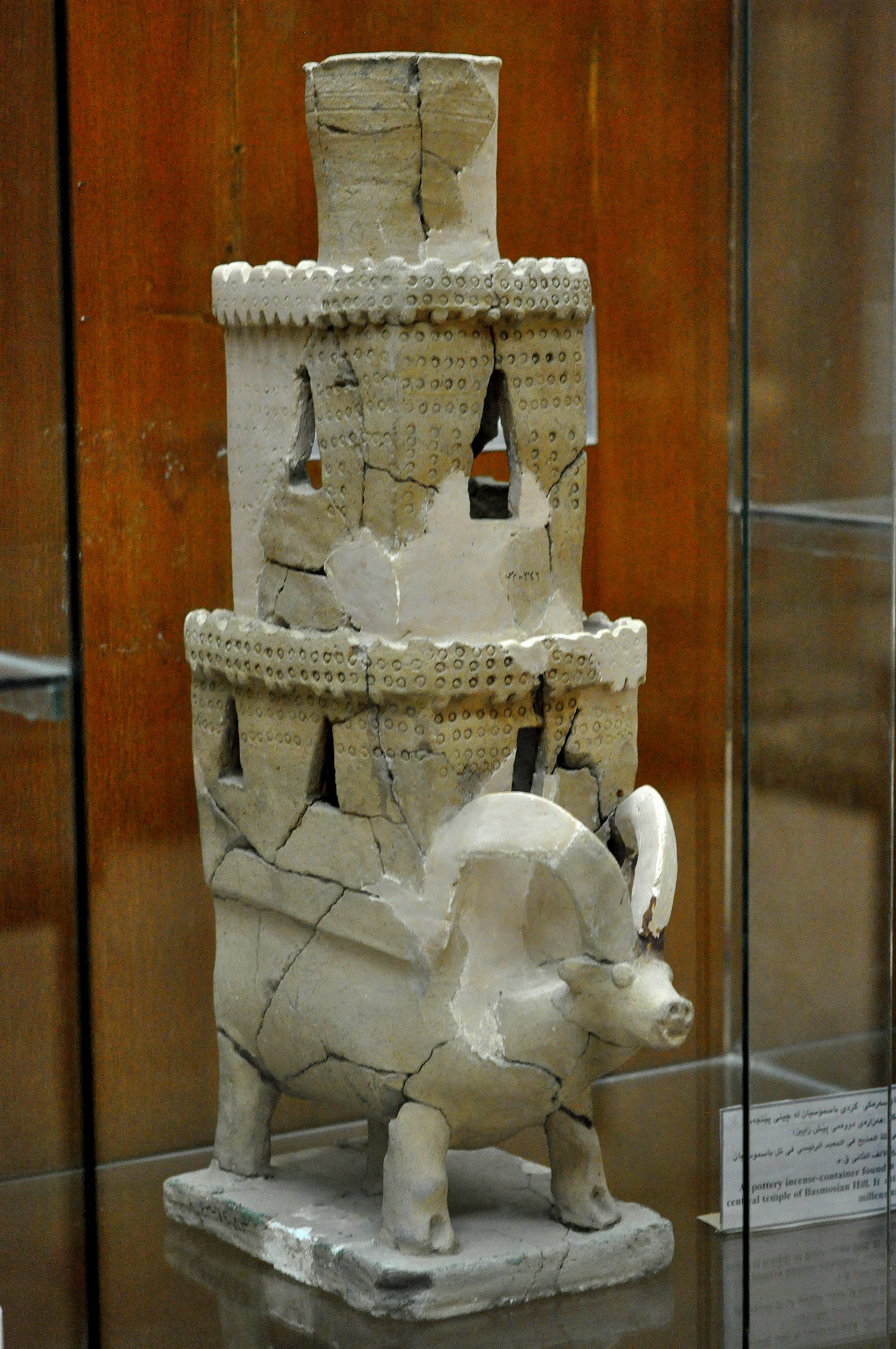
Large tell site with multi-period occupation.
Tell Taya
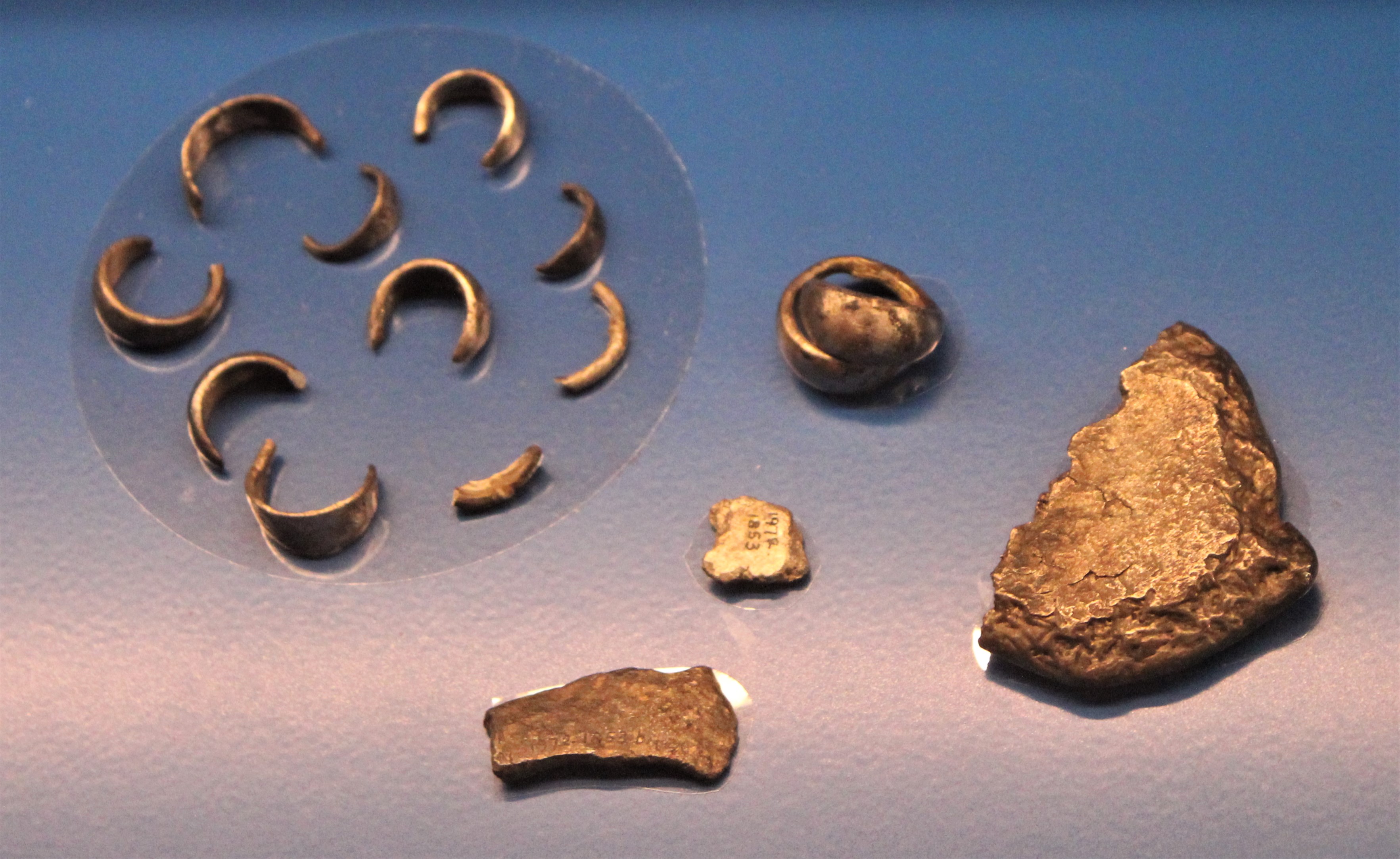
Ancient hill city with fortifications and artifacts.
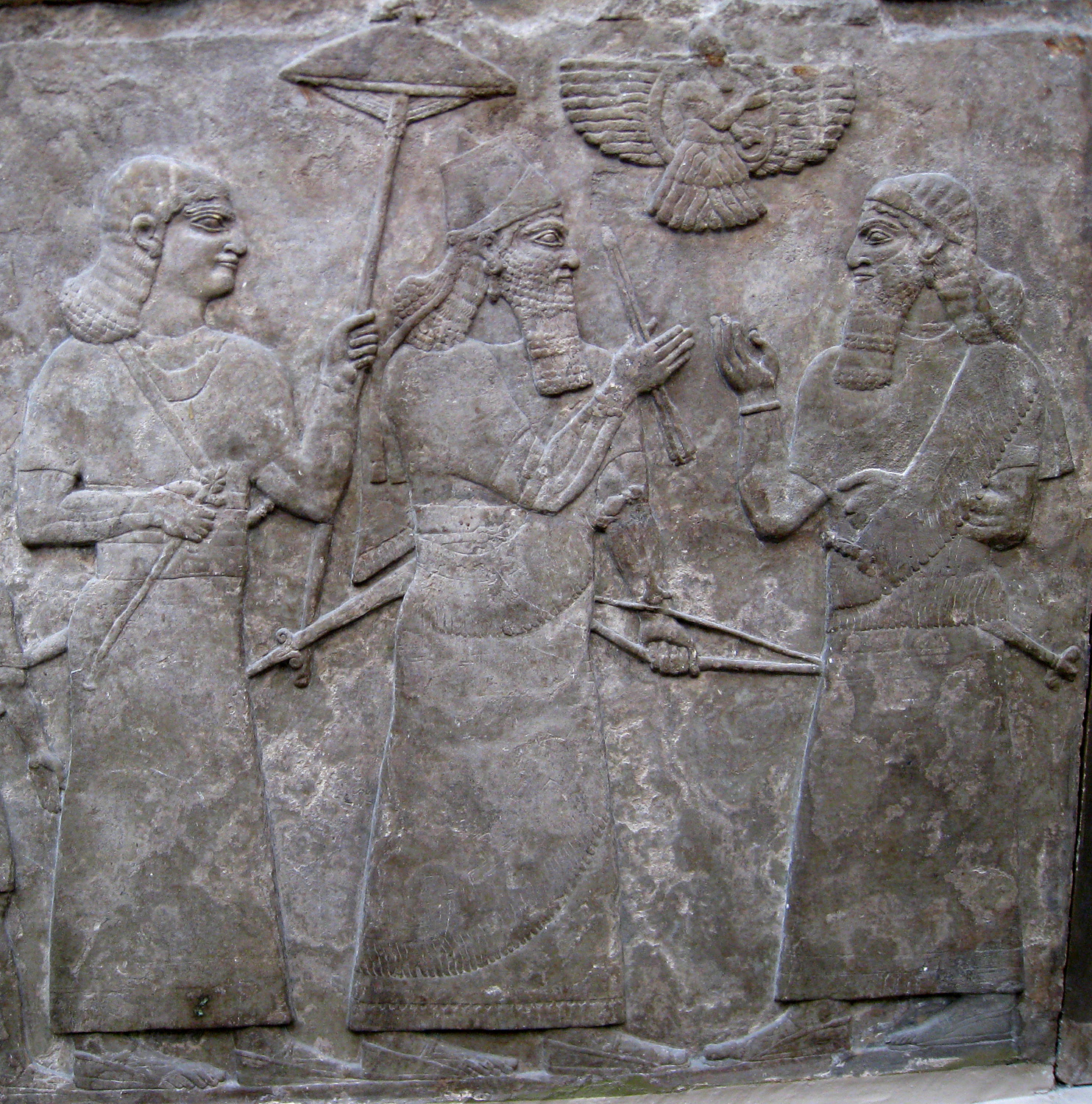
Assur
Ancient Assyrian city on the Tigris River
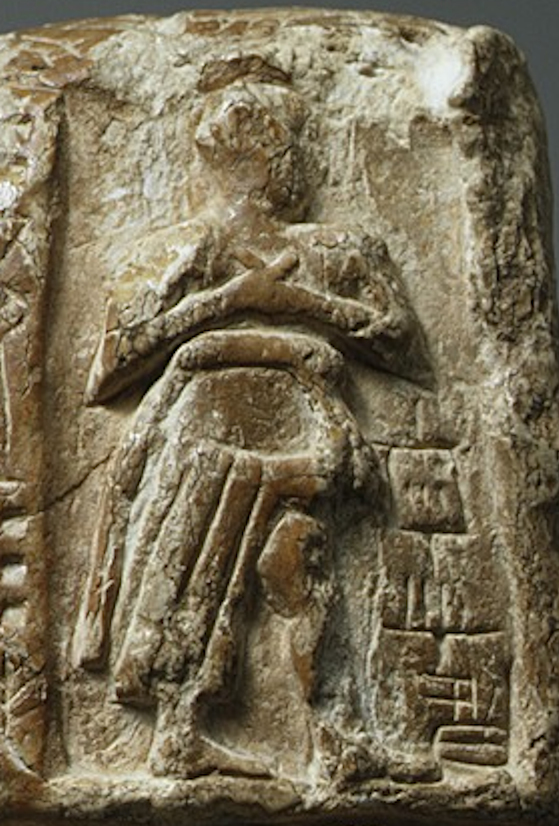
Larsa
Sumerian city-state and temple complex, Isin–Larsa period
Tell al-Lahm
Oblong mound with city wall remnants
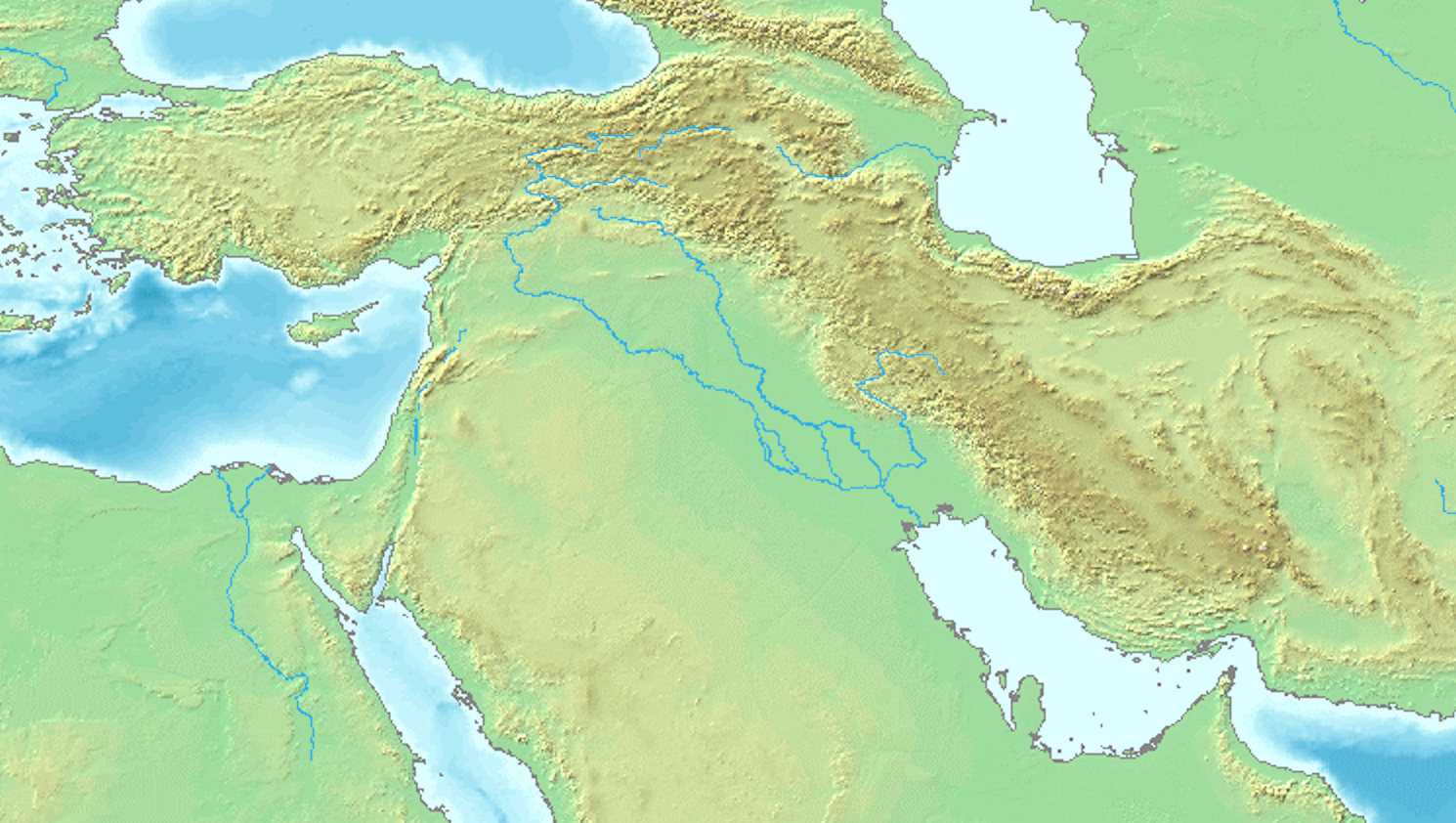
Tell al-Fakhar
Pottery mound with multi-period occupation.