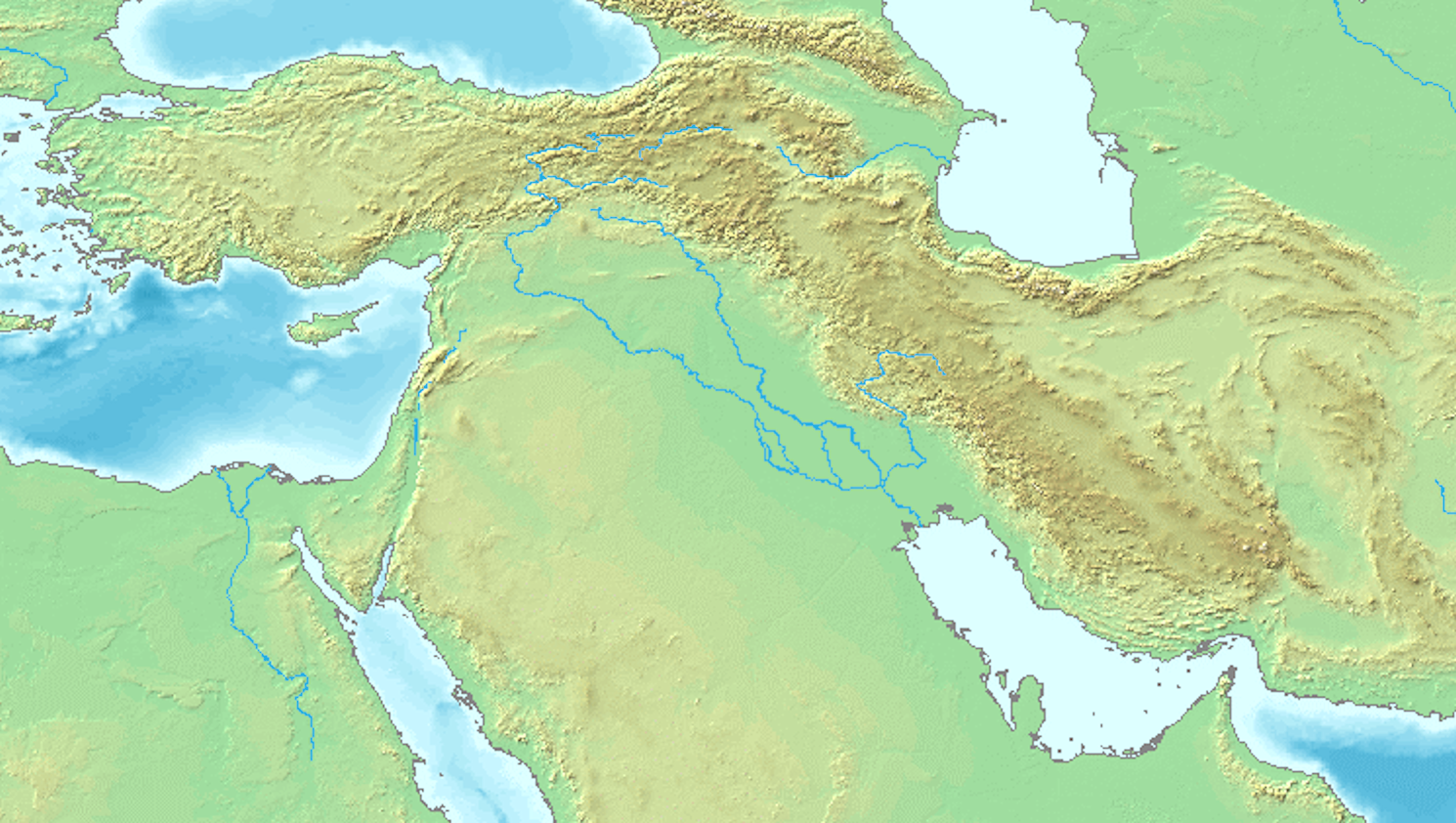
Explore the Map
Idu (city)
35.8747° N, 44.6994° E
About
Idu, also known as Idum or Sātu Qalā, was an ancient town located in the Kurdistan region of Iraq, primarily occupied during the Late Bronze Age and Iron Age. Archaeological evidence, such as pottery fragments, inscribed bricks, and a cylinder seal, highlights its significance as the capital of Idu province during the Middle Assyrian period in the later half of the 2nd millennium BCE. Following the decline of the Middle Assyrian Empire, Idu gained independence and later became part of several empires, including the Neo-Assyrian, Achaemenid, Seleucid, Parthian, and Sassanian empires. Excavations revealed a main mound with a palace site and numerous inscribed bricks, indicating its historical importance. The site remained occupied until the Middle Islamic period, showcasing its long-standing significance in Near Eastern history.
Gallery
Explore photographs of ancient structures, artifacts, and archaeological excavations
Historical Timeline
Journey through time and discover key events in this site's history
Early Bronze Age occupation
21st century BCE
Middle Bronze Age occupation
17th century BCE
Late Bronze Age - Middle Assyrian period
13th century BCE
Independence after Middle Assyrian fall
11th century BCE
Incorporation into Neo-Assyrian Empire
9th century BCE
Part of Achaemenid Empire
6th century BCE
Part of Seleucid Empire
3rd century BCE
Incorporation into Parthian Empire
2nd century BCE
Inclusion in Sassanian Empire
3rd century CE
Middle Islamic period occupation
13th century CE
Archaeological Features
Unique architectural and cultural elements found at this historical site
Artistic and Decorative Features
Domestic and Habitation Structures
Frequently Asked Questions
Plan Your Visit
Tours, travel arrangements, and practical information
More Sites in Iraq
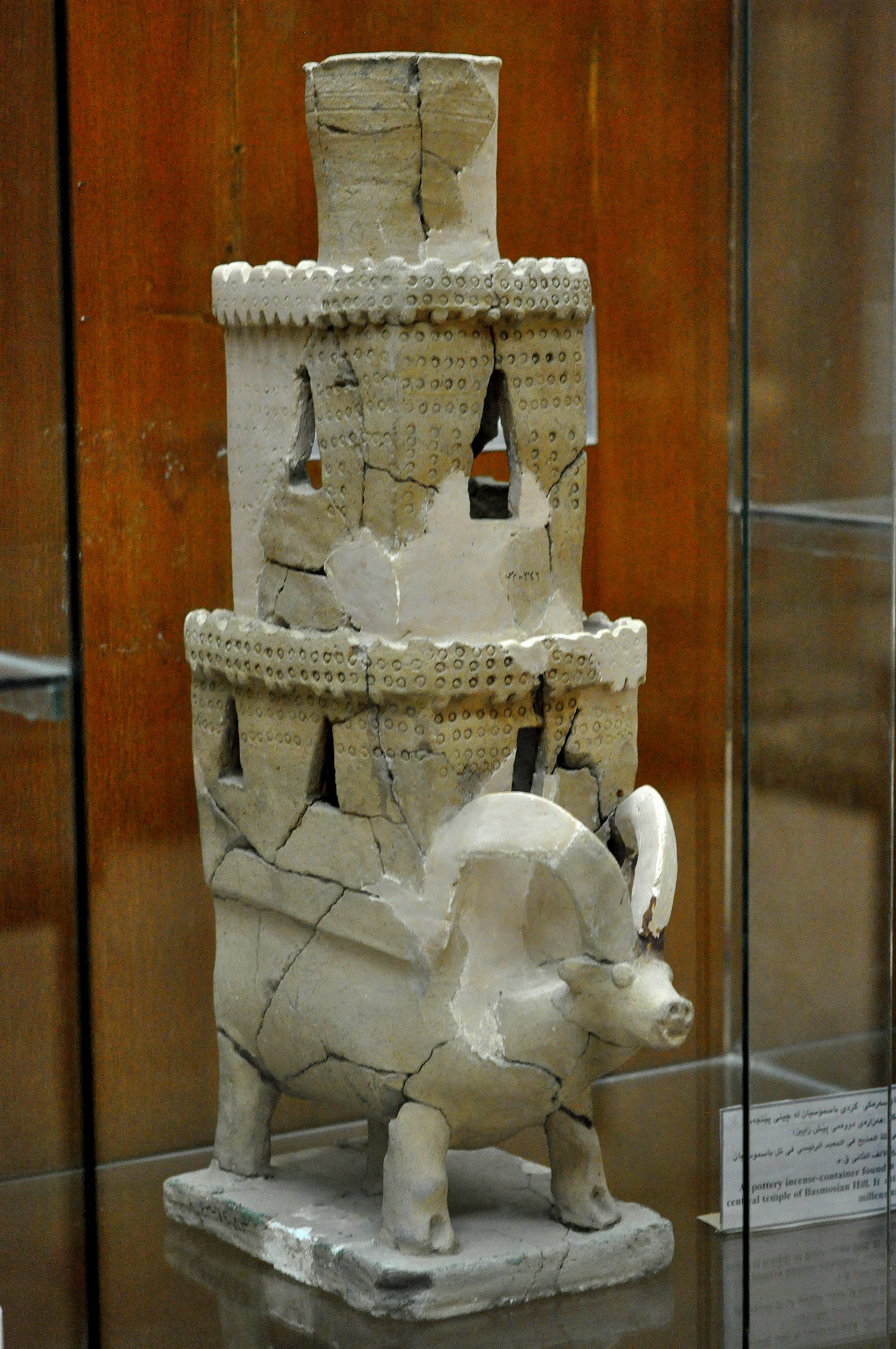
Tell Bazmusian
Large tell site with multi-period occupation.
Tell al-Lahm
Oblong mound with city wall remnants
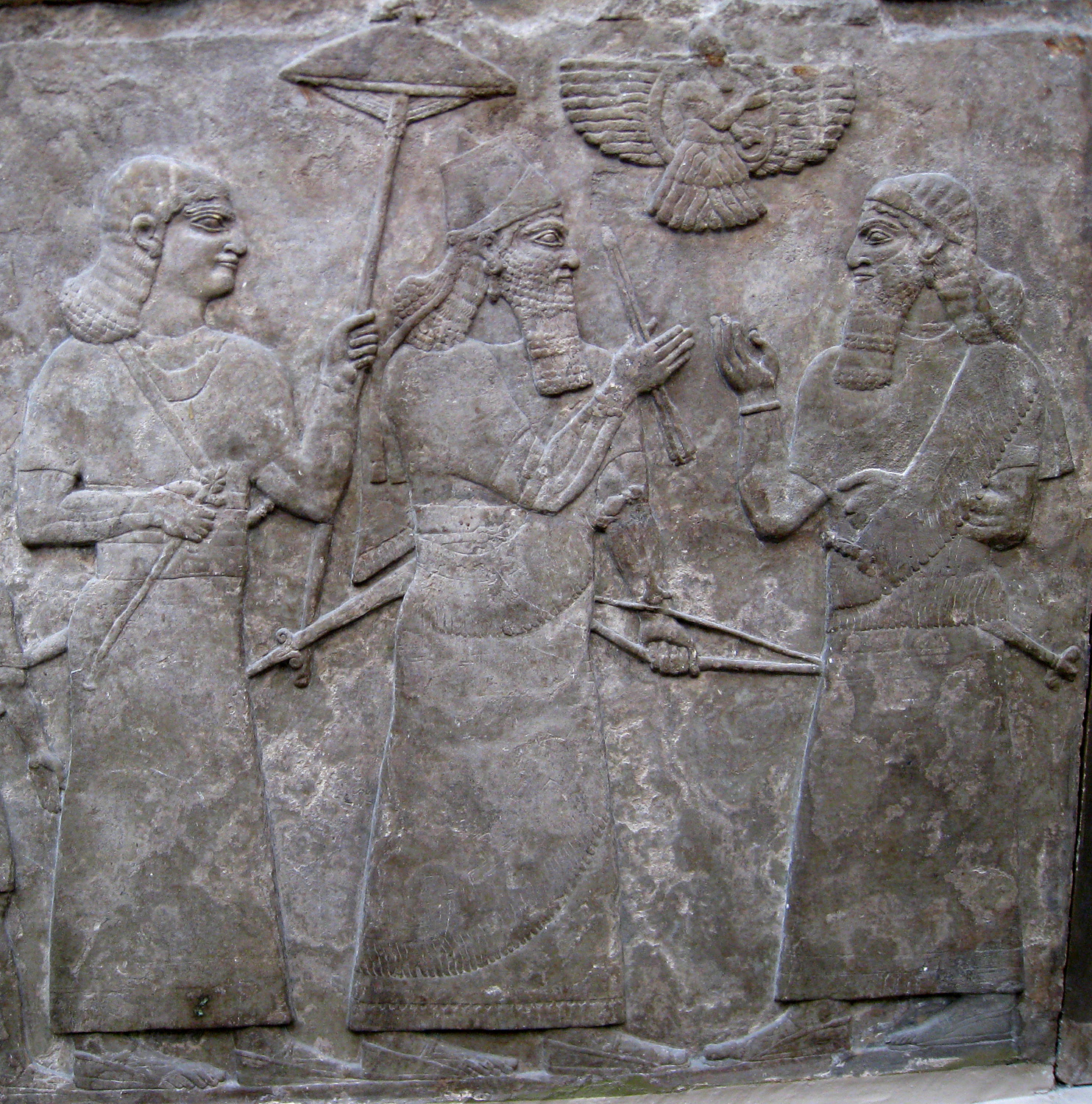
Assur
Ancient Assyrian city on the Tigris River
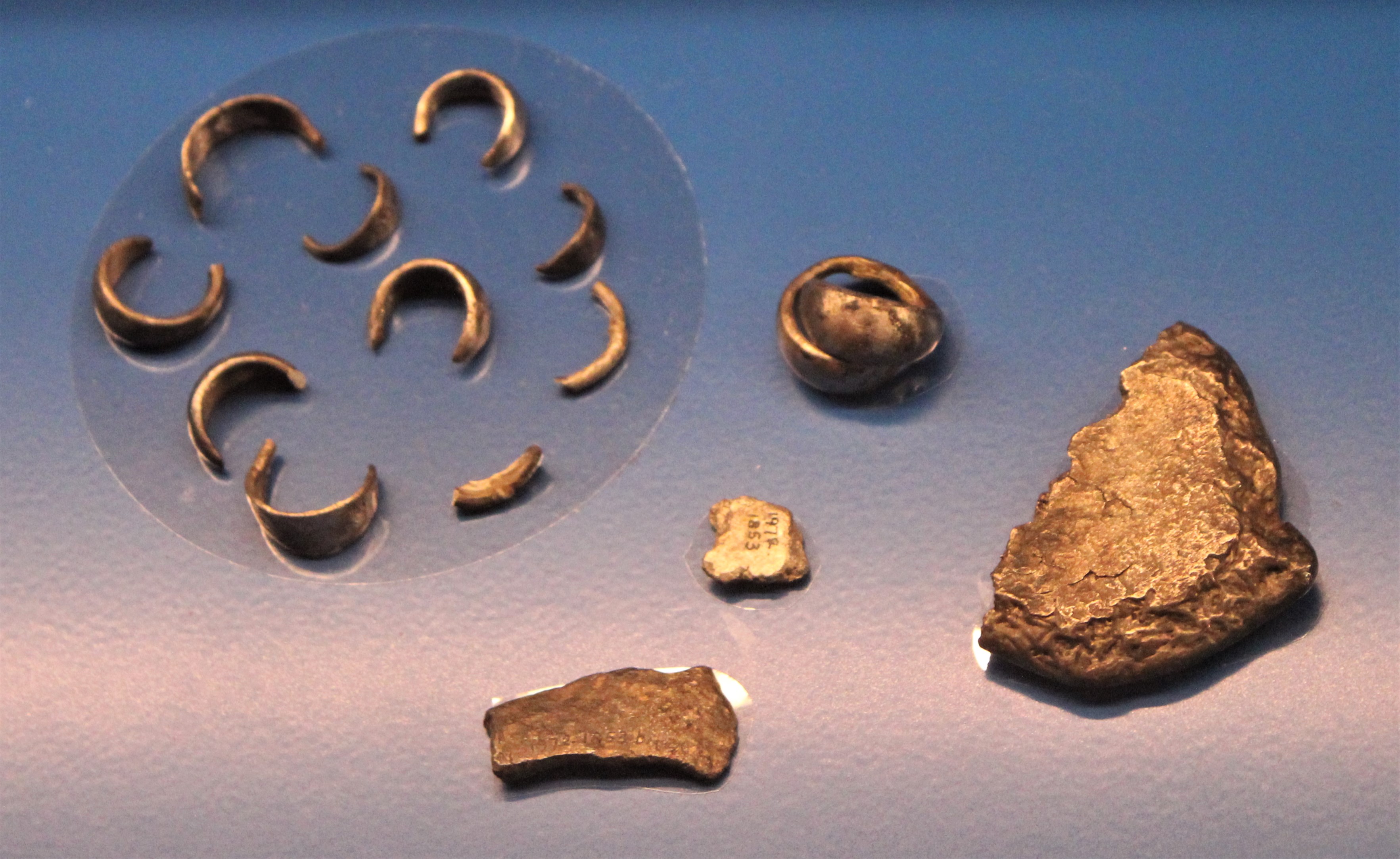
Tell Taya
Ancient hill city with fortifications and artifacts.
Larsa
Sumerian city-state and temple complex, Isin–Larsa period
Tell Yelkhi
Oval mound with Kassite and earlier remains.