Time Periods
Paleolithic
Mesolithic
Neolithic
Chalcolithic
Bronze Age
Iron Age
Classical Period
Post-Classical Period
Early Modern Period
Industrial Period
Contemporary Period
Time Periods
Paleolithic
Mesolithic
Neolithic
Chalcolithic
Bronze Age
Iron Age
Classical Period
Post-Classical Period
Early Modern Period
Industrial Period
Contemporary Period
Location
About
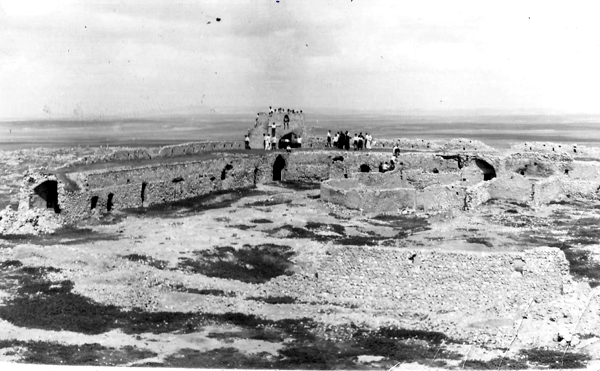
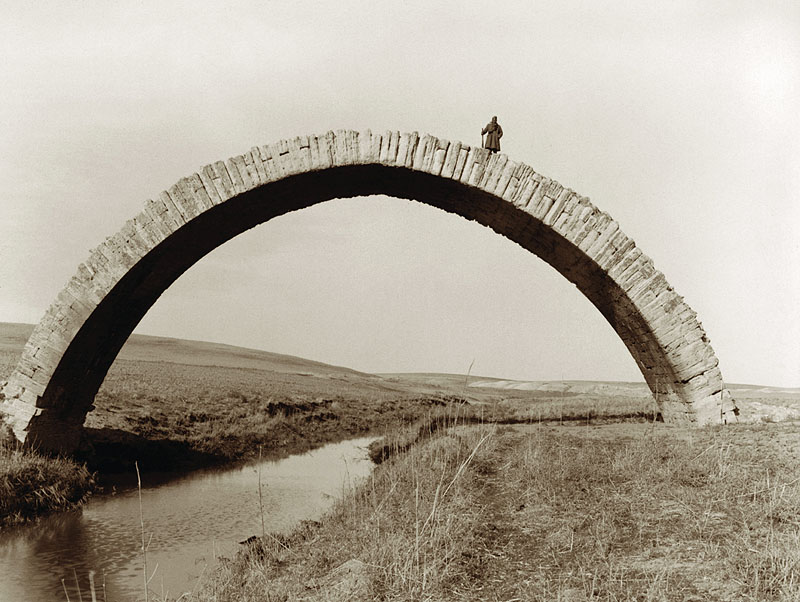
Eski Mosul, located in northern Iraq near the Tigris River, is an archaeological site of significant historical relevance. It sits on a prehistoric mound that dates back to the Late Bronze Age, marking the site of ancient Balad. The city is first recorded in the 7th century BCE during the Assyrian empire and evolved into a pivotal Christian diocese by the 5th century CE. The site features remnants of medieval infrastructure, including a monumental bridge and mosque from the 10th century, and was a key junction for trade routes connecting major cities like Mosul, Nisibin, and Sinjar. Balad was eventually abandoned in the 14th century, after which a khan was built on its ruins, later transforming into the modern village of Eski Mosul.
Gallery
Explore photographs of ancient structures, artifacts, and archaeological excavations at Eski Mosul
Archaeological Features
Explore the unique architectural and cultural elements found at this historical site
Defensive Structures
Religious and Ritual Structures
Domestic and Habitation Structures
Environmental and Natural Features
Transportation and Communication Structures
Historical Timeline
Journey through time and discover key events in this site's archaeological history
Plan Your Visit
Details
- Country
- Iraq
- Source
- Wikipedia
More Sites in Iraq
Idu (city)
Ancient town with palace remnants
Tulul al-Baqarat
Ancient, multiperiod site with temple remains.
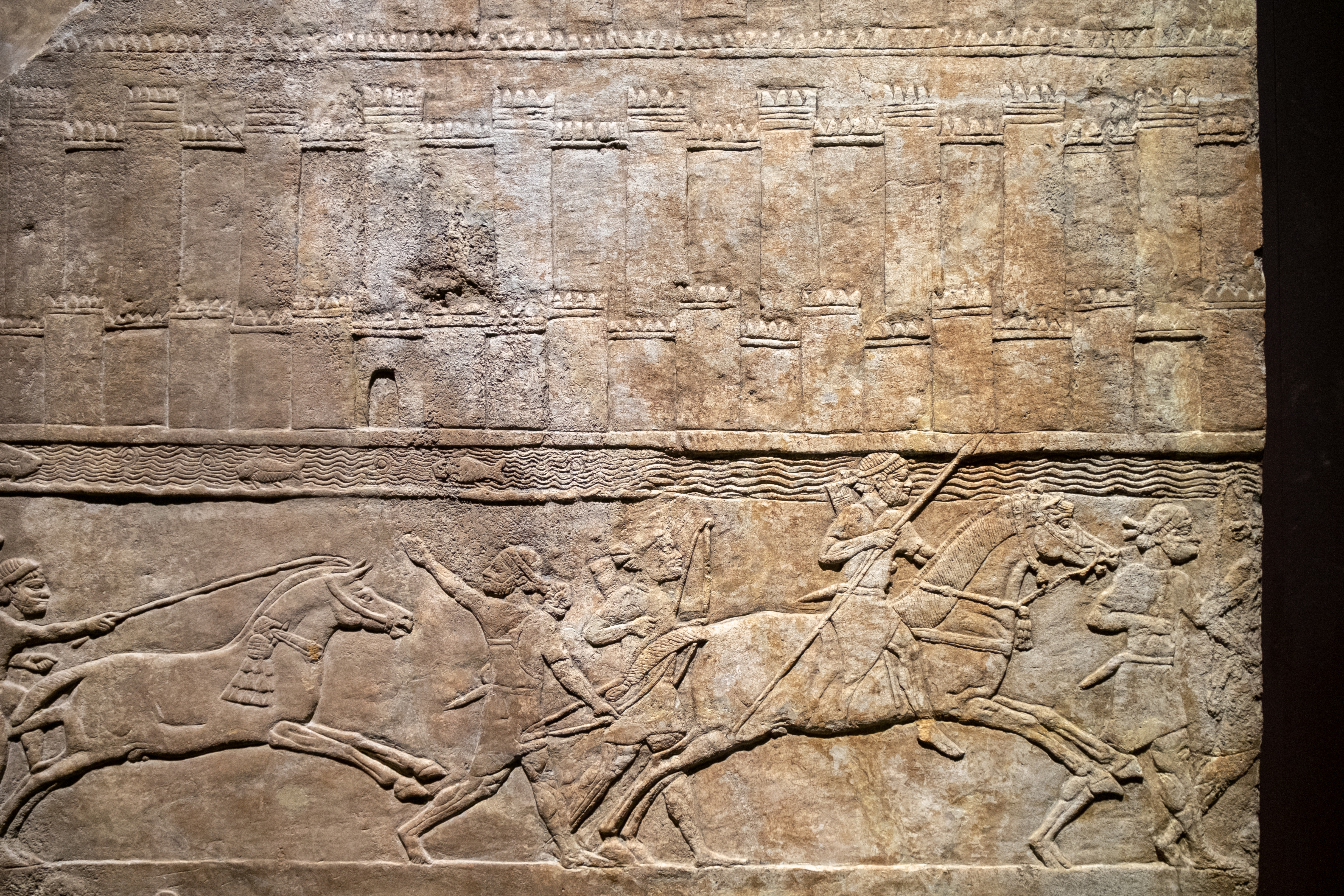
Nineveh
Ancient Assyrian city with monumental ruins
Qasr Shemamok
Ancient Near East site with diverse remains
Nippur
Ancient Sumerian city with significant temples
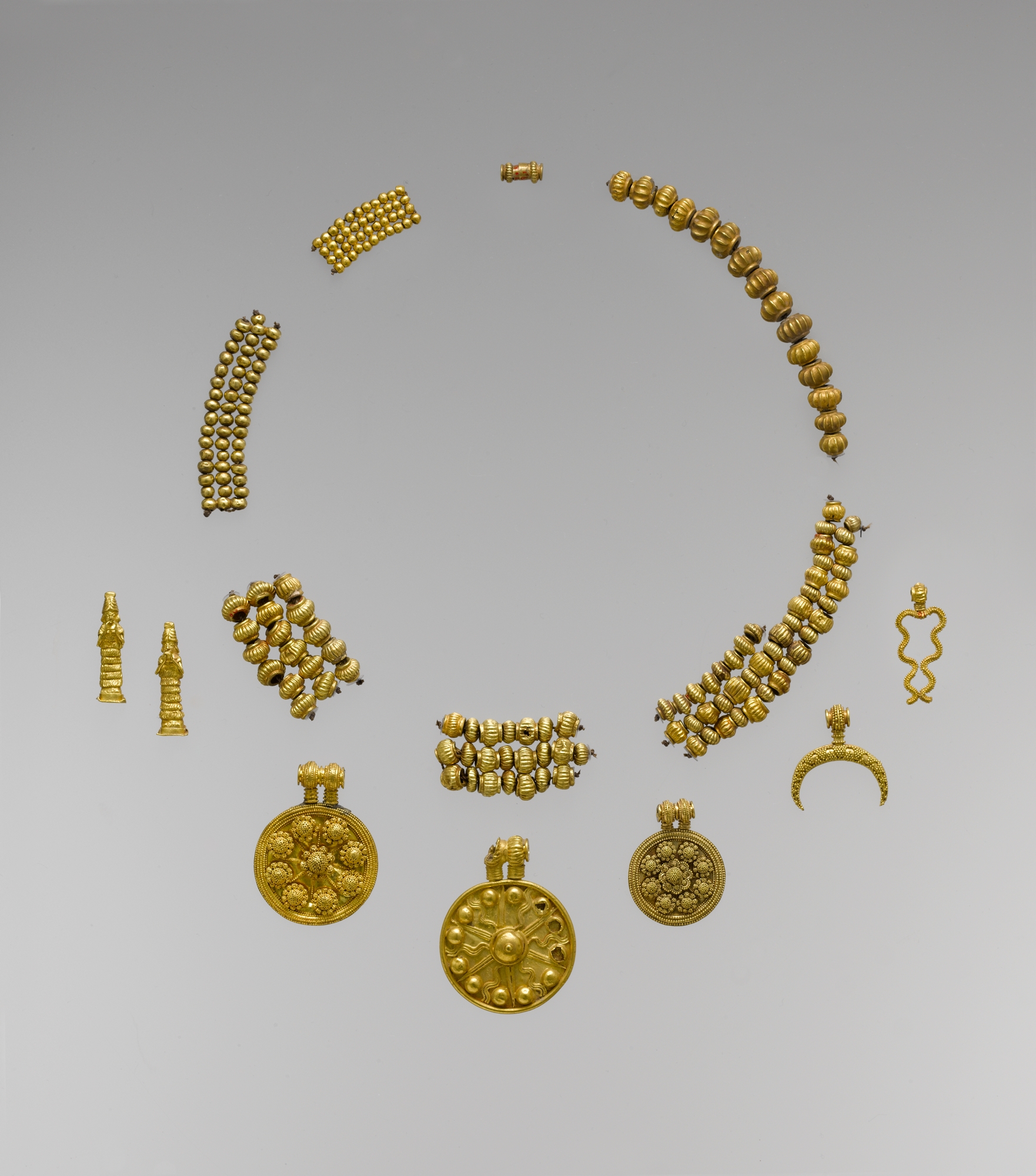
Dilbat
Ancient city with ziggurat and temple remains