Explore the Map
Nineveh
36.3594° N, 43.1528° E
About
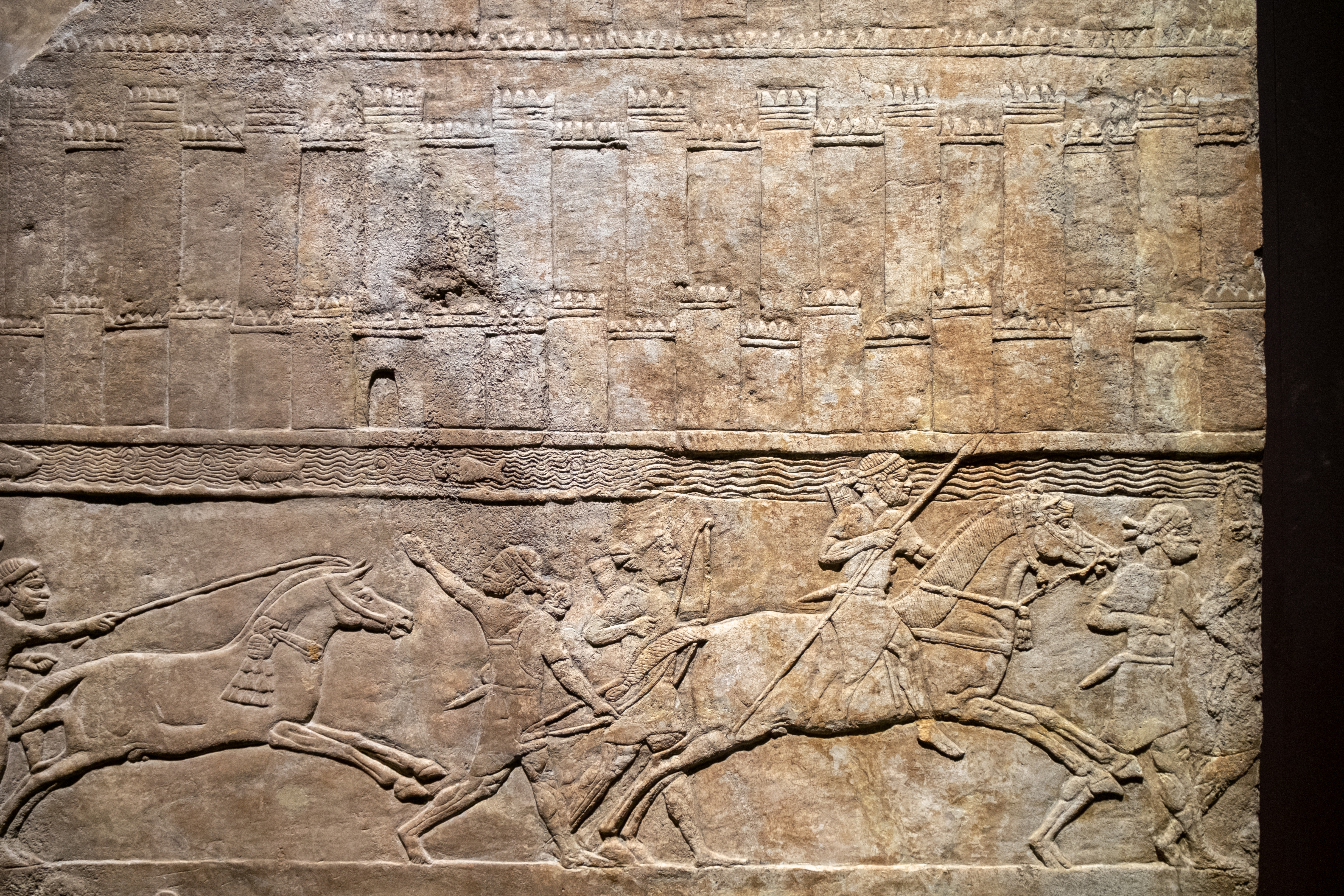
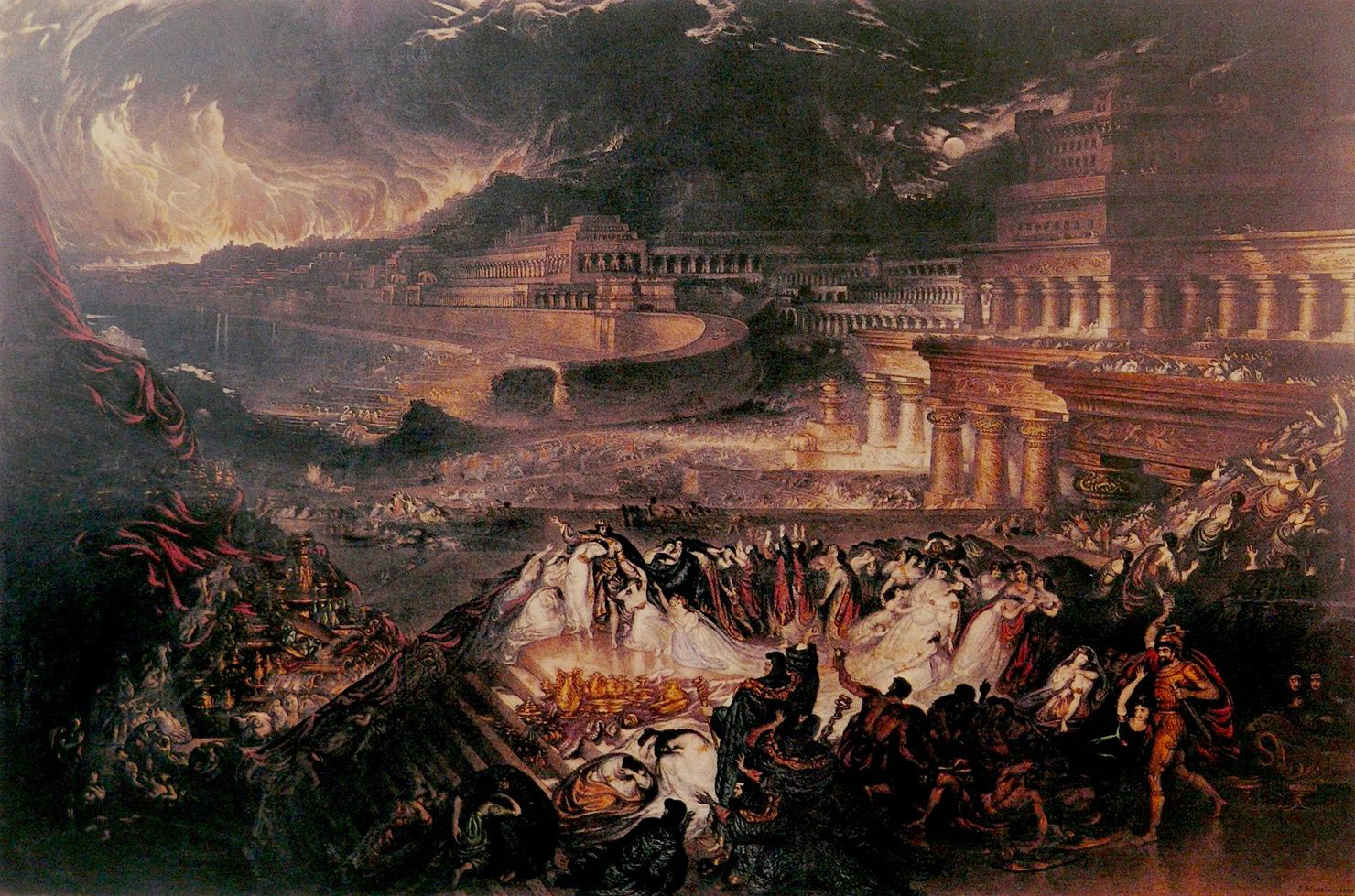
Nineveh, located in modern-day Iraq near Mosul, was a prominent city in ancient Assyria, serving as its capital during the Neo-Assyrian Empire. It boasts monumental archaeological features such as extensive defensive walls, palaces, and temples. The city was significant in the diffusion of metal technology and was a crucial hub for trade routes between the Mediterranean and the Indian Ocean. Nineveh experienced growth from a Neolithic village to a powerful city-state, later becoming a center of worship for Ishtar. The city was sacked in 612 BCE, marking the end of its prominence. Its ruins, including the famous library of Ashurbanipal, offer invaluable insights into the Assyrian civilization and its cultural, political, and technological advancements.
Gallery
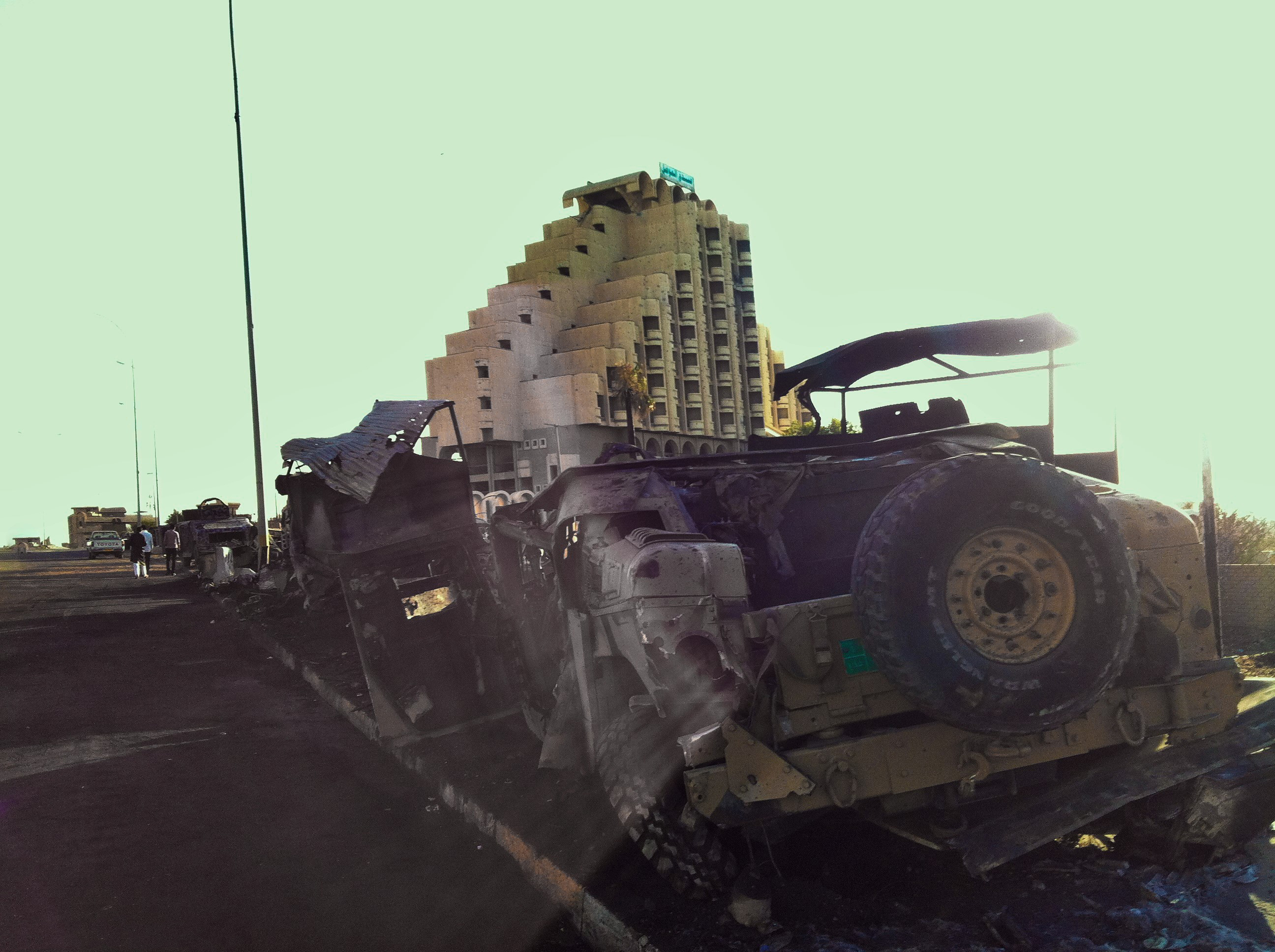
Explore photographs of ancient structures, artifacts, and archaeological excavations
Historical Timeline
Journey through time and discover key events in this site's history
Founding of Nineveh
6000 BCE
Nineveh as Ubaid village
5000 BCE
Ninevite 5 period
2900 BCE
Akkadian period incorporation
2260 BCE
Neo-Assyrian Empire capital
700 BCE
Sack of Nineveh
612 BCE
Decline and abandonment
13th century CE
Archaeological Features
Unique architectural and cultural elements found at this historical site
Defensive Structures
Military Installations
Water Management Features
Public and Civic Structures
Religious and Ritual Structures
Artistic and Decorative Features
Domestic and Habitation Structures
Environmental and Natural Features
Transportation and Communication Structures
Frequently Asked Questions
Plan Your Visit
Tours, travel arrangements, and practical information
More Sites in Iraq
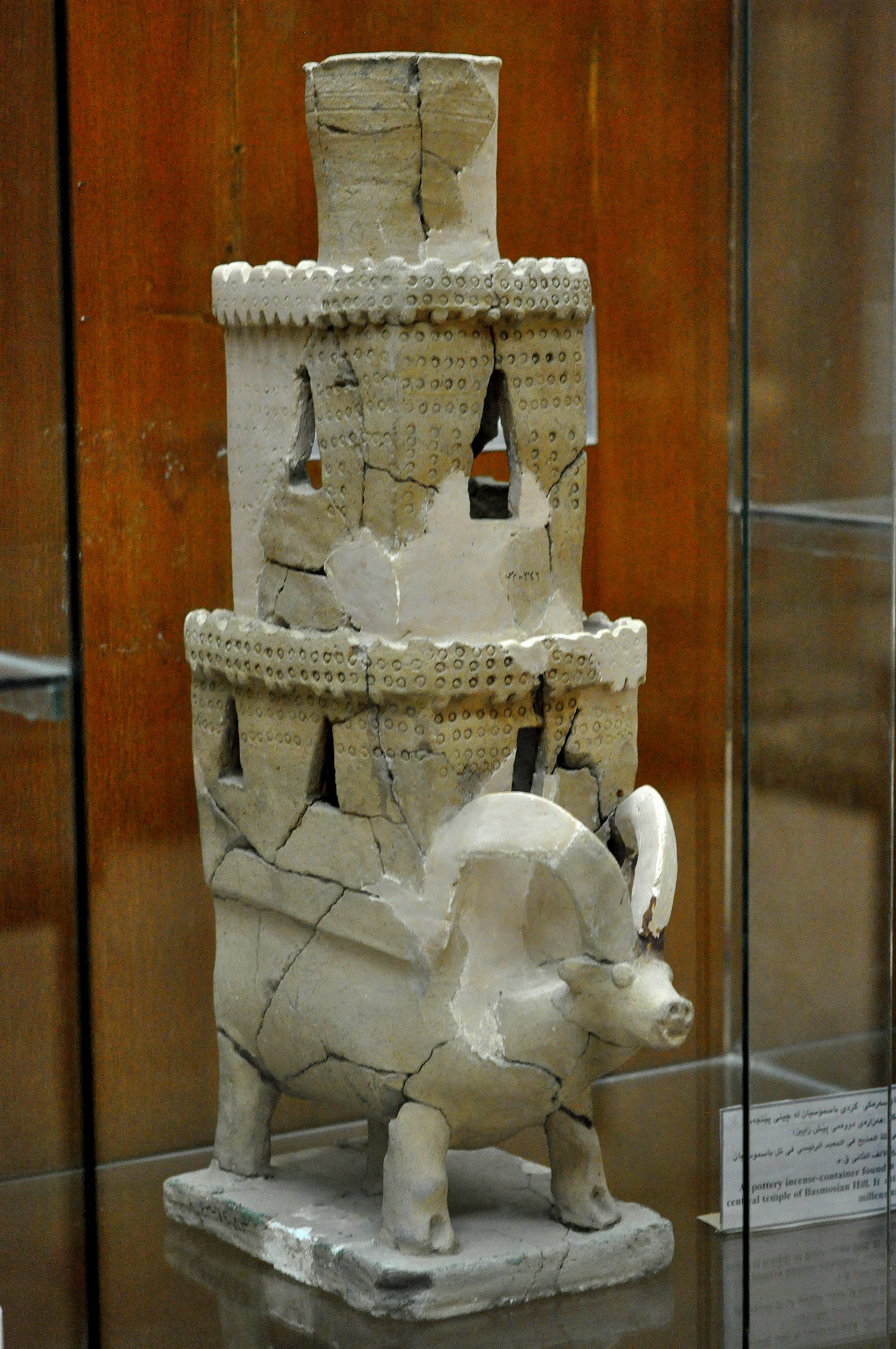
Tell Bazmusian
Large tell site with multi-period occupation.
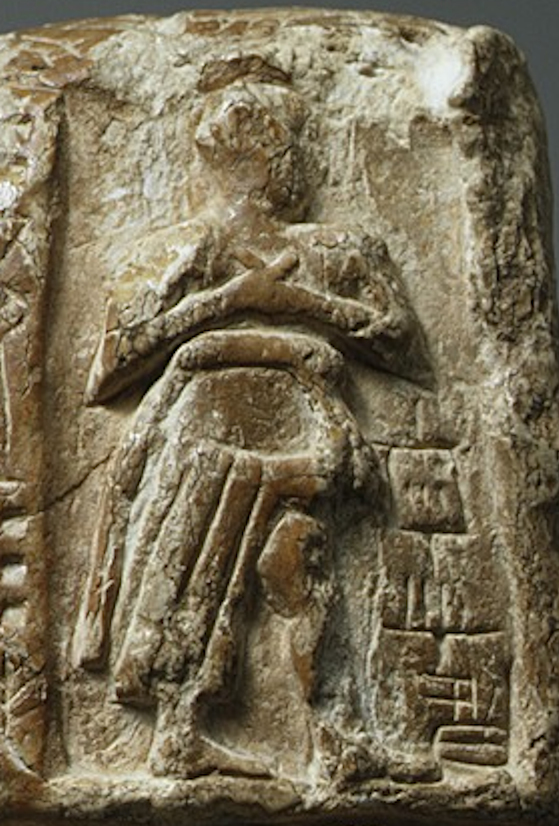
Larsa
Sumerian city-state and temple complex, Isin–Larsa period
Tell al-Lahm
Oblong mound with city wall remnants
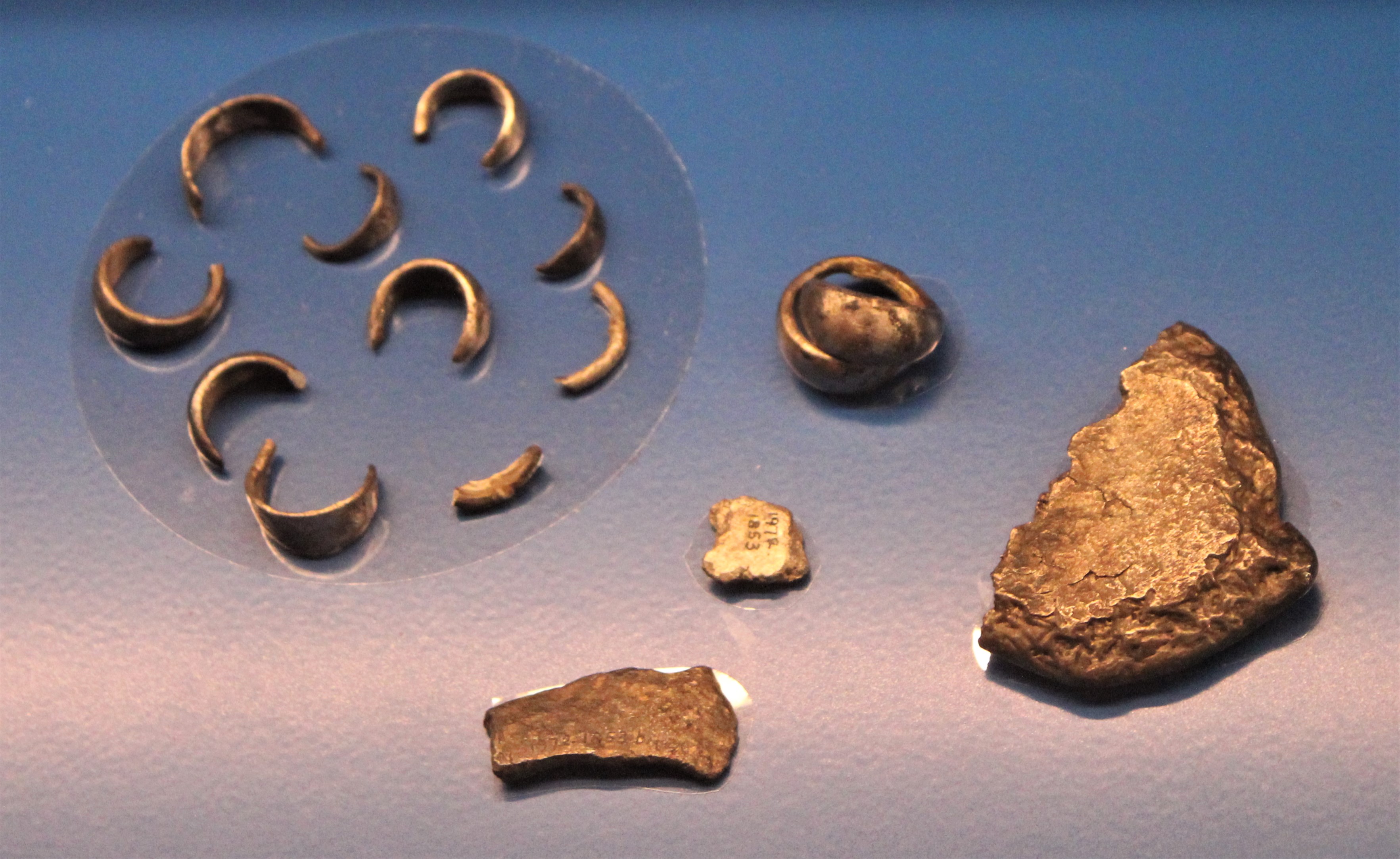
Tell Taya
Ancient hill city with fortifications and artifacts.
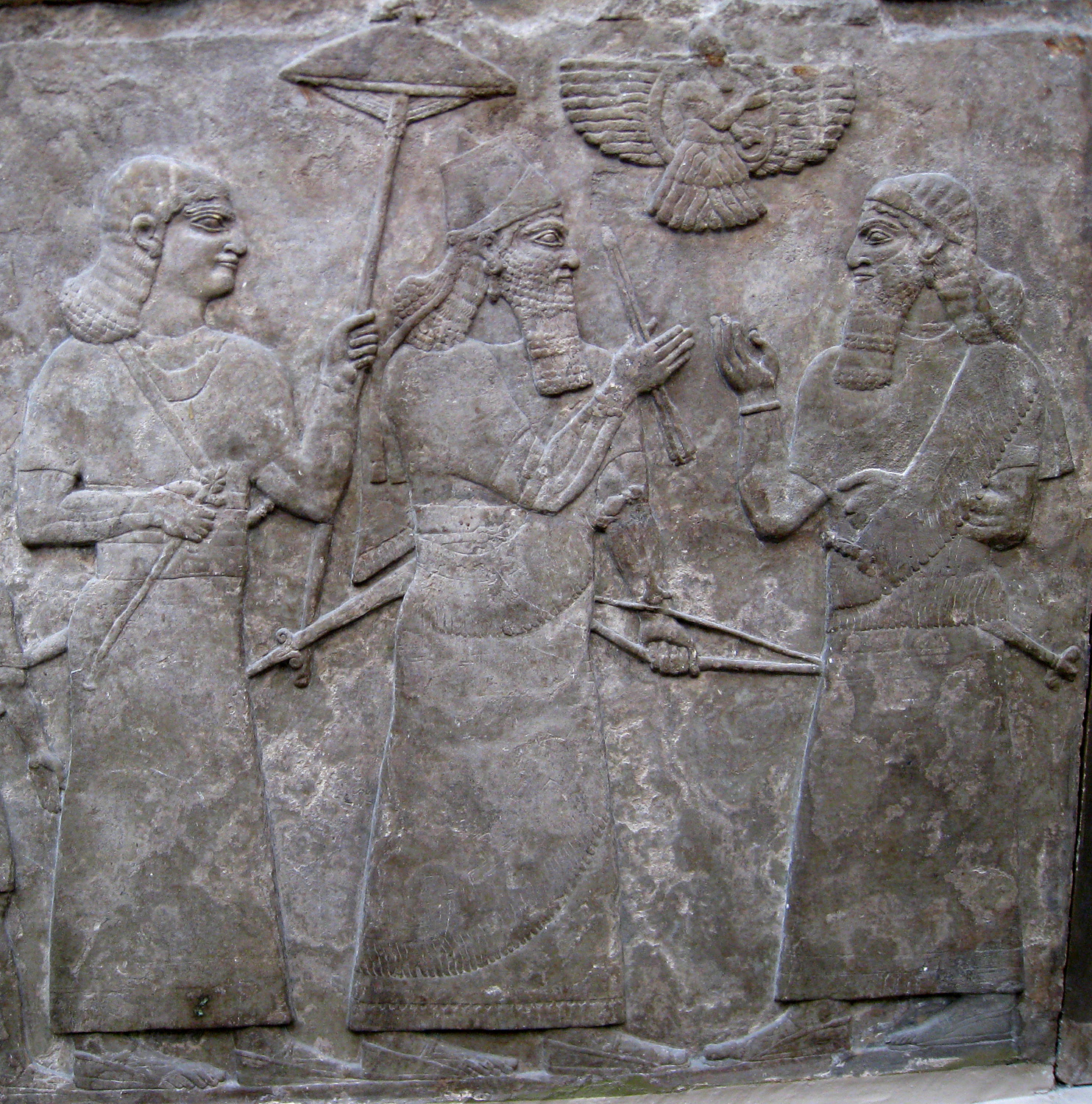
Assur
Ancient Assyrian city on the Tigris River
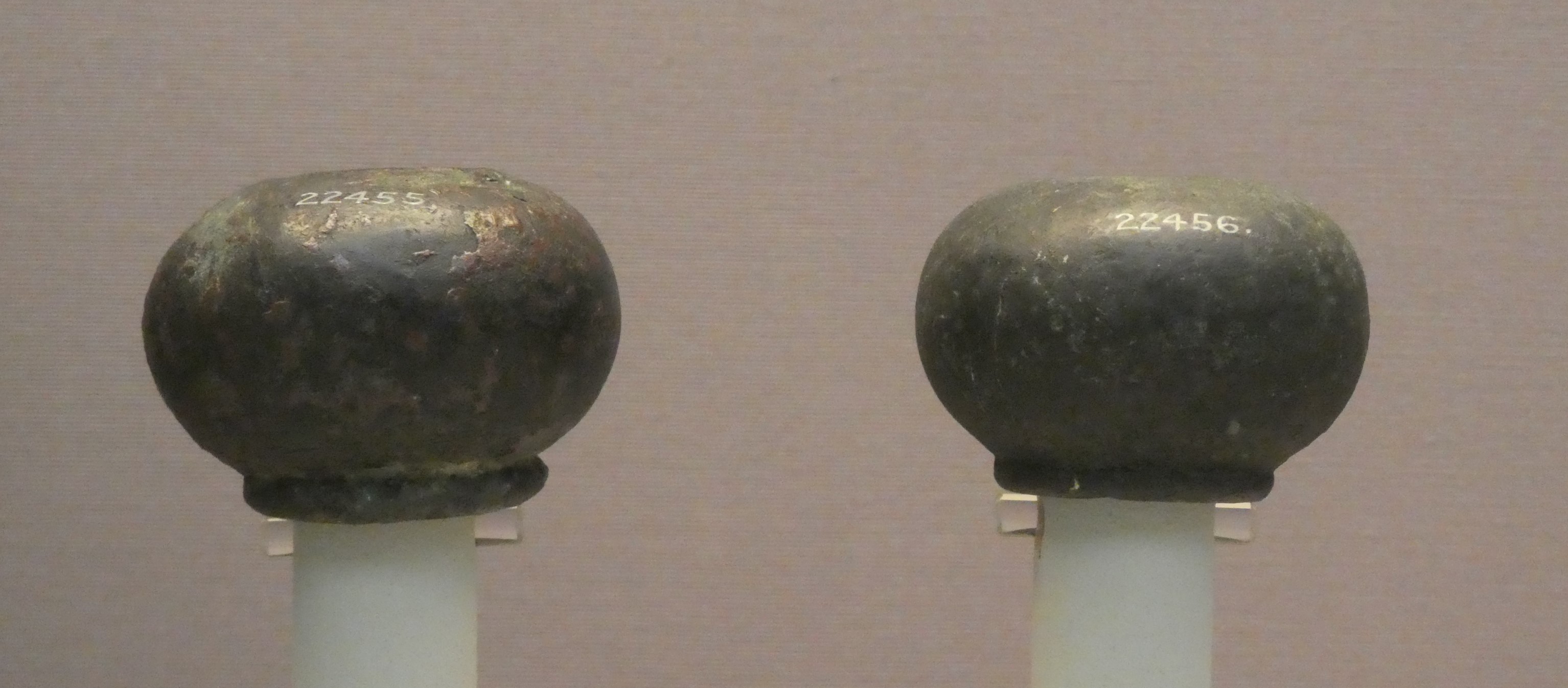
Tell Muhammad
Ancient site with fortifications and tablets