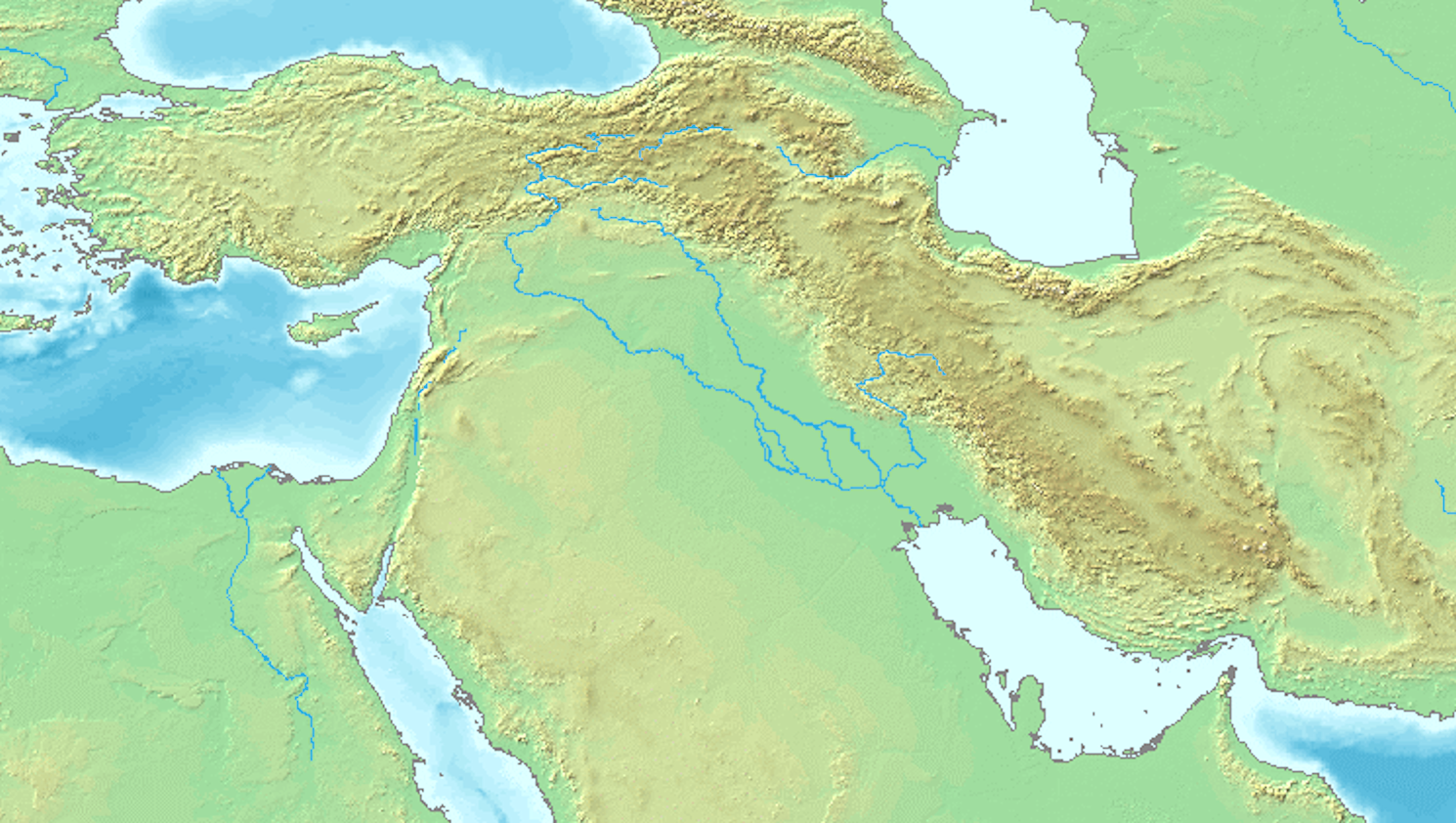
Explore the Map
Tell al-'Ubaid
30.9700° N, 46.0256° E
About
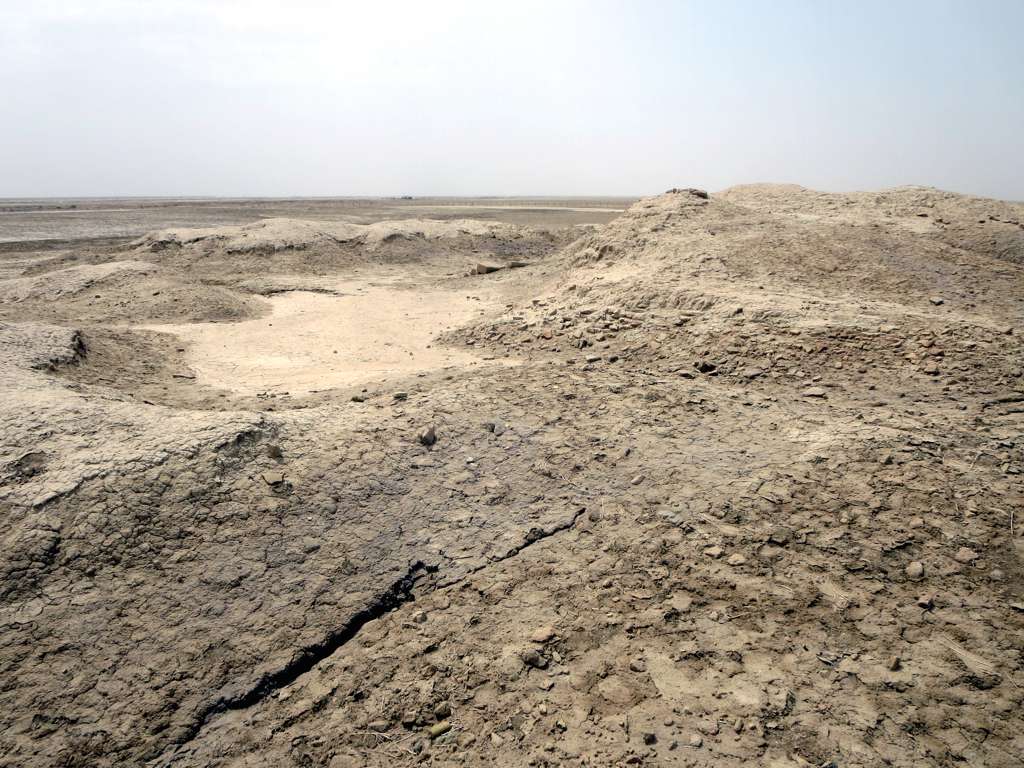
Tell al-'Ubaid is a significant archaeological site located west of Ur in southern Iraq. It is primarily known for its remains from the Chalcolithic Ubaid period and serves as the type site for this cultural phase. The site features a small tell, which was a cult center for the goddess Ninhursag, with an Early Dynastic temple and a cemetery containing 96 graves. The settlement is characterized by large amounts of Ubaid pottery, indicating specialized craft production, and included kilns for pottery manufacture. The temple of Ninhursag, adorned with artistic elements like copper-framed friezes, was later modified during the Ur III period by Shulgi. The site's archaeological significance lies in its contributions to the understanding of the Ubaid culture and the early urbanization processes in Mesopotamia.
Gallery
Explore photographs of ancient structures, artifacts, and archaeological excavations
Historical Timeline
Journey through time and discover key events in this site's history
Early Dynastic Temple Construction
26th century BCE
Ur III Temple Wall Construction
21st century BCE
Chalcolithic Ubaid Settlement
35th-25th century BCE
Archaeological Features
Unique architectural and cultural elements found at this historical site
Burial and Funerary Structures
Industrial and Craft Structures
Religious and Ritual Structures
Artistic and Decorative Features
Domestic and Habitation Structures
Frequently Asked Questions
Plan Your Visit
Tours, travel arrangements, and practical information
More Sites in Iraq
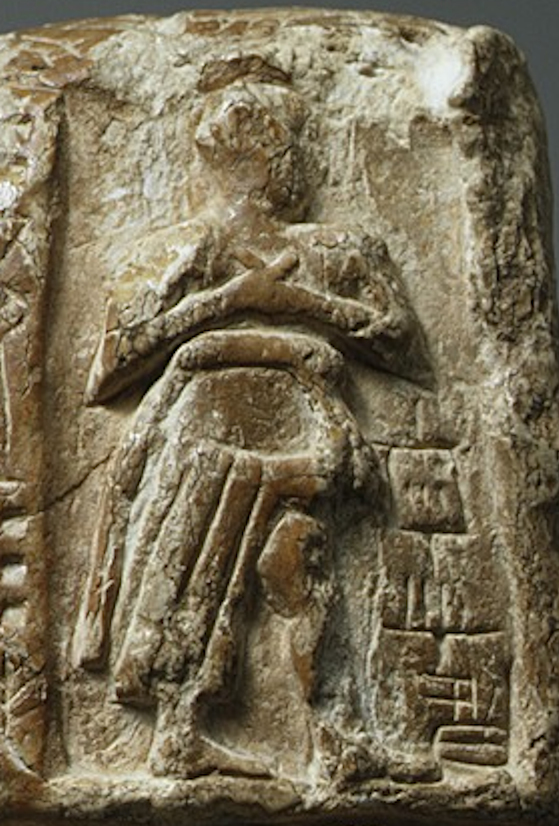
Larsa
Sumerian city-state and temple complex, Isin–Larsa period
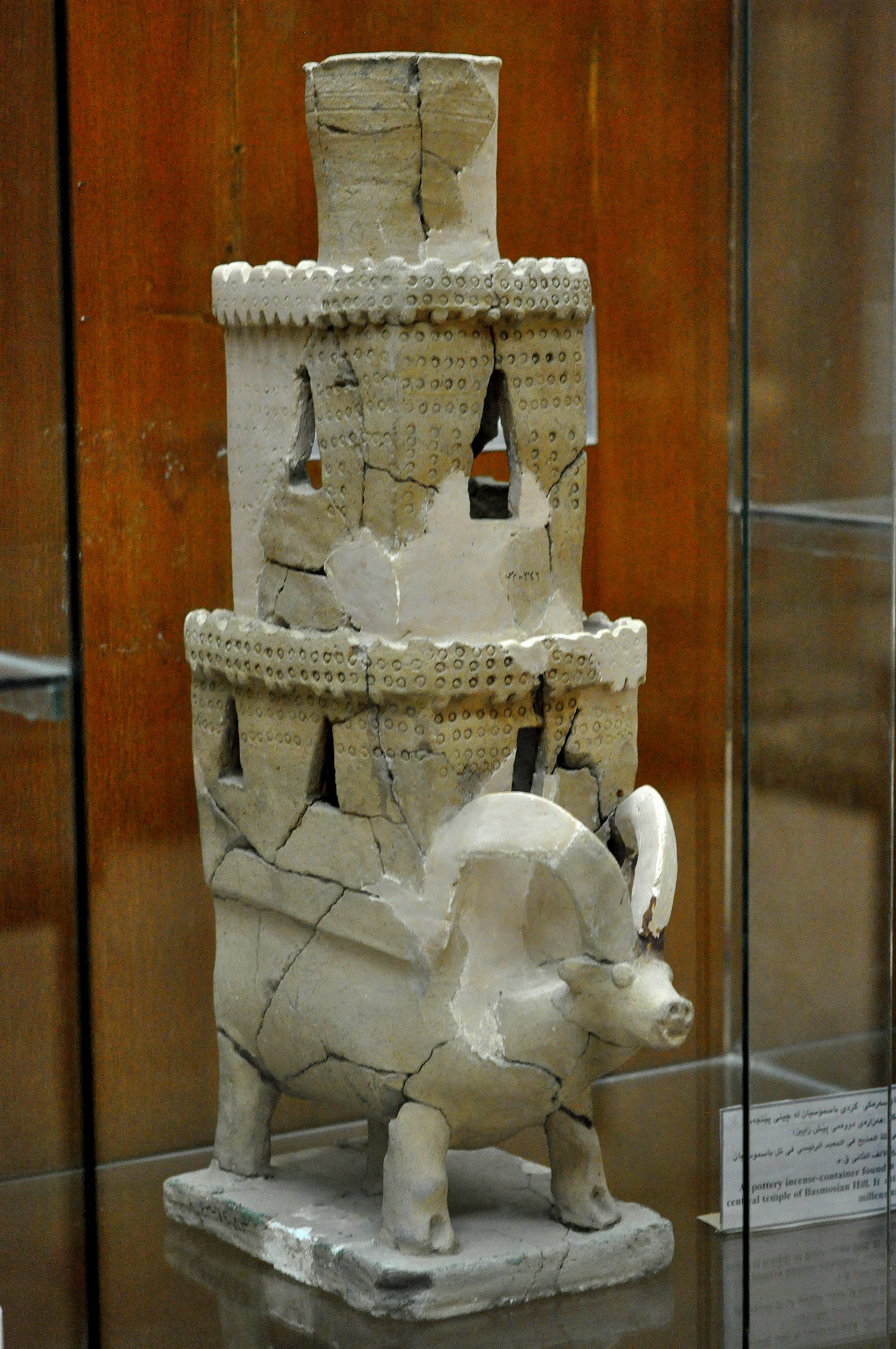
Tell Bazmusian
Large tell site with multi-period occupation.
Tell al-Lahm
Oblong mound with city wall remnants
Assur
Ancient Assyrian city on the Tigris River
Tell Taya
Ancient hill city with fortifications and artifacts.
Tell Dehaila
Ancient tell site with mudbrick structures