Explore the Map
Qasr Shemamok
36.1053° N, 43.7525° E
About
Qasr Shemamok is an archaeological site located 30 kilometers south of modern Erbil in Iraq, rich in historical significance and diverse cultural influences. The site spans several key periods, from the Early Bronze Age to the Sassanian period, revealing its importance in the ancient Near East. It was a major city during the Middle Assyrian times, becoming Kilizu, a provincial capital. The site features extensive defensive structures, including city walls built under the Neo-Assyrian ruler Sennacherib. Archaeological excavations have uncovered a range of artifacts, from cuneiform tablets to inscribed bricks, indicating a vibrant cultural and political center. The presence of a large necropolis and a variety of habitation structures further highlight its historical significance and the continuity of occupation over millennia.
Historical Timeline
Journey through time and discover key events in this site's history
Hurrian influence period
16th century BCE
Middle Assyrian city development
c. 1305 BCE
Neo-Assyrian period city wall construction
705 BCE
Parthian occupation phase
3rd century BCE
Sassanian occupation phase
3rd century CE
Archaeological Features
Unique architectural and cultural elements found at this historical site
Defensive Structures
Burial and Funerary Structures
Artistic and Decorative Features
Domestic and Habitation Structures
Frequently Asked Questions
Plan Your Visit
Tours, travel arrangements, and practical information
More Sites in Iraq
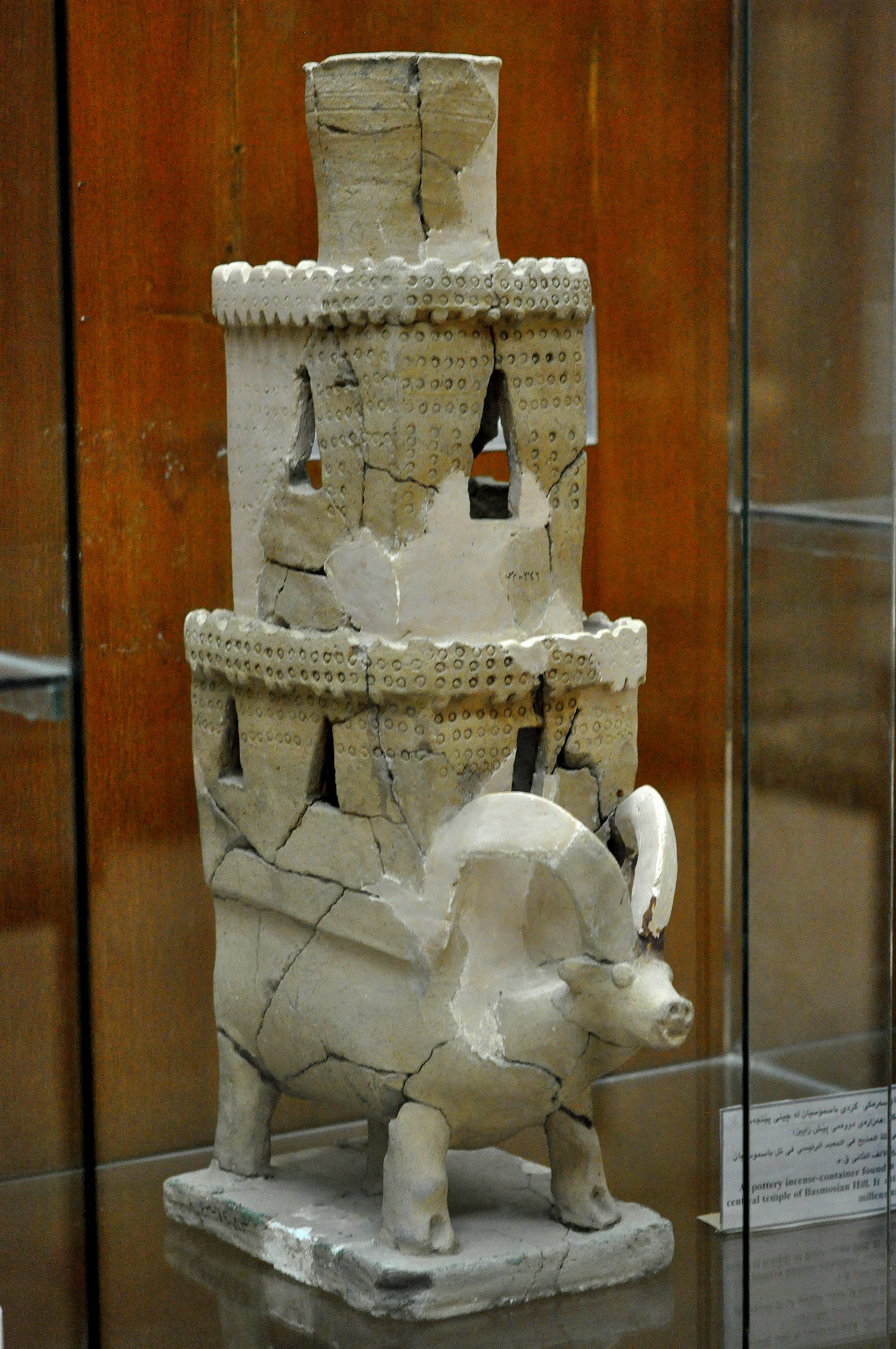
Tell Bazmusian
Large tell site with multi-period occupation.
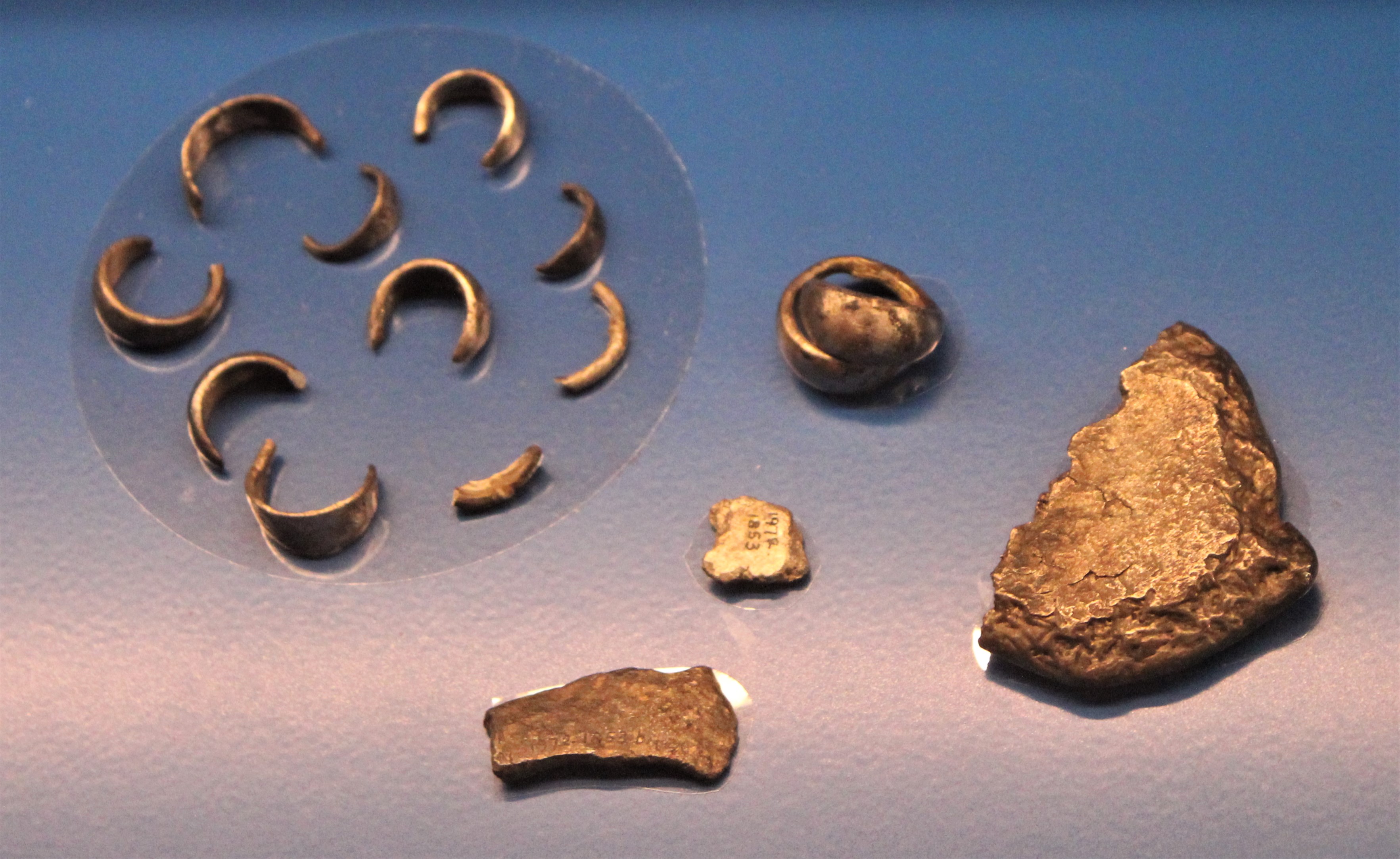
Tell Taya
Ancient hill city with fortifications and artifacts.
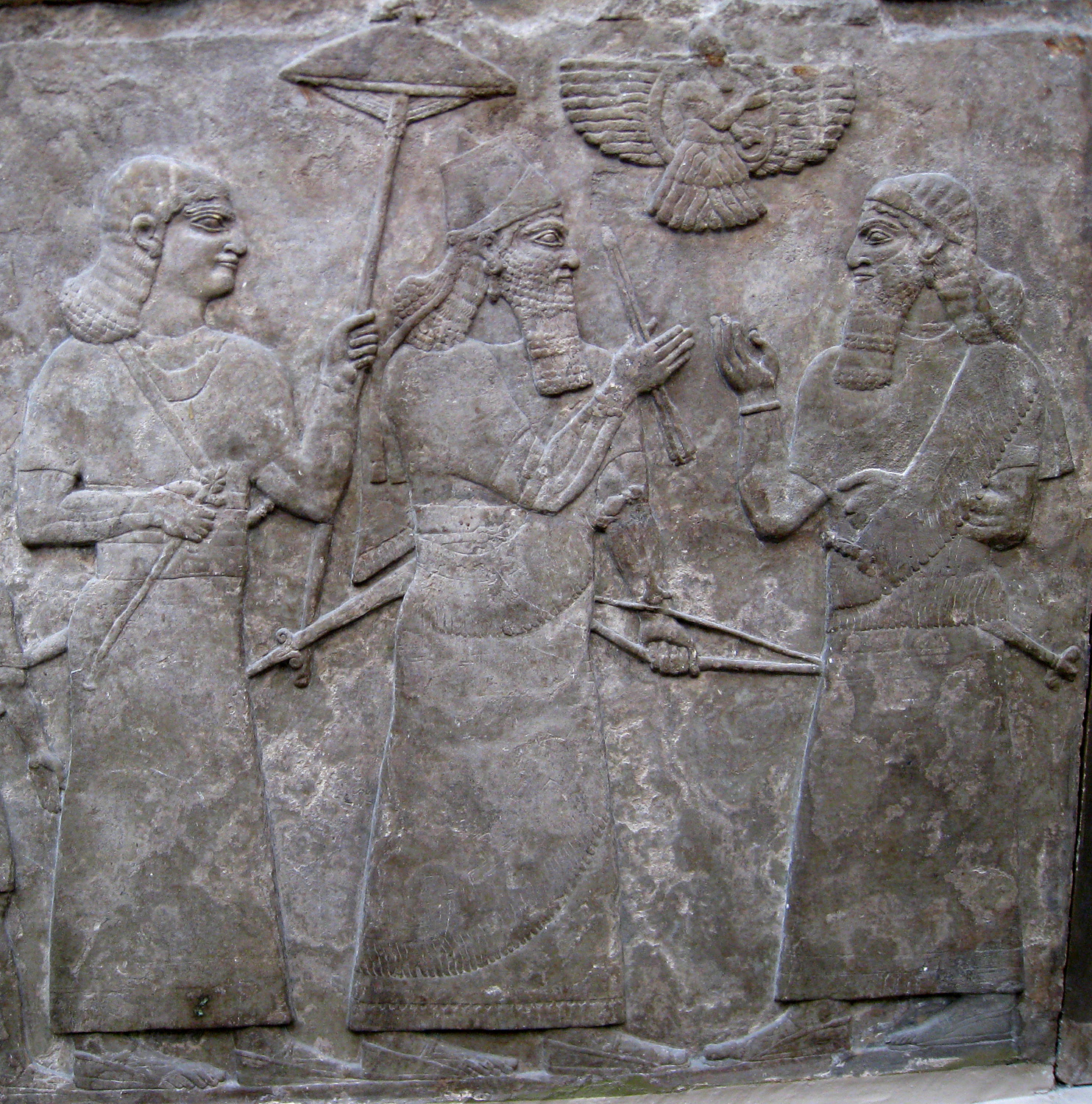
Assur
Ancient Assyrian city on the Tigris River
Tell al-Lahm
Oblong mound with city wall remnants
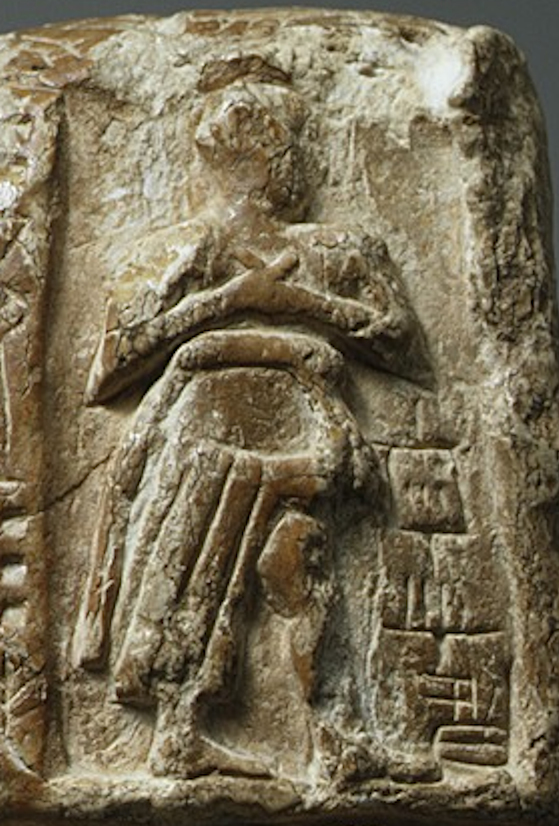
Larsa
Sumerian city-state and temple complex, Isin–Larsa period
Tarbisu
Ancient Assyrian city with palaces and temples