Explore the Map
Shibaniba
36.4336° N, 43.3483° E
About
Tell Billa, also known as Shibaniba, is a significant archaeological site located near Bashiqa in Iraq's Nineveh Province. This site, encompassing a considerable mound of about 30 acres, shows evidence of occupation dating back to the Uruk period. It has yielded artifacts such as an Uruk period cylinder seal and preliterate clay tokens. The site's importance continued into the Bronze Age, with a proposal identifying it as the city of Šimānum during the Ur III period. During the Middle and Neo-Assyrian periods, it was known as Šib/manibe and later Šibaniba, respectively. The site has provided a wealth of material from these periods, including Middle Assyrian tablets and faience items. The presence of Parthian ceramics indicates continued occupation into the Classical Period. Overall, Tell Billa offers a rich tapestry of Mesopotamian history, showcasing its evolving cultural and political significance.
Historical Timeline
Journey through time and discover key events in this site's history
Uruk period occupation
3500 BCE
Early Bronze Age Šimānum city
2100 BCE
Middle Assyrian Šib/manibe
1400 BCE
Neo-Assyrian Šibaniba
800 BCE
Parthian ceramic remains
100 BCE
Archaeological Features
Unique architectural and cultural elements found at this historical site
Miscellaneous Features
Artistic and Decorative Features
Frequently Asked Questions
Plan Your Visit
Tours, travel arrangements, and practical information
More Sites in Iraq
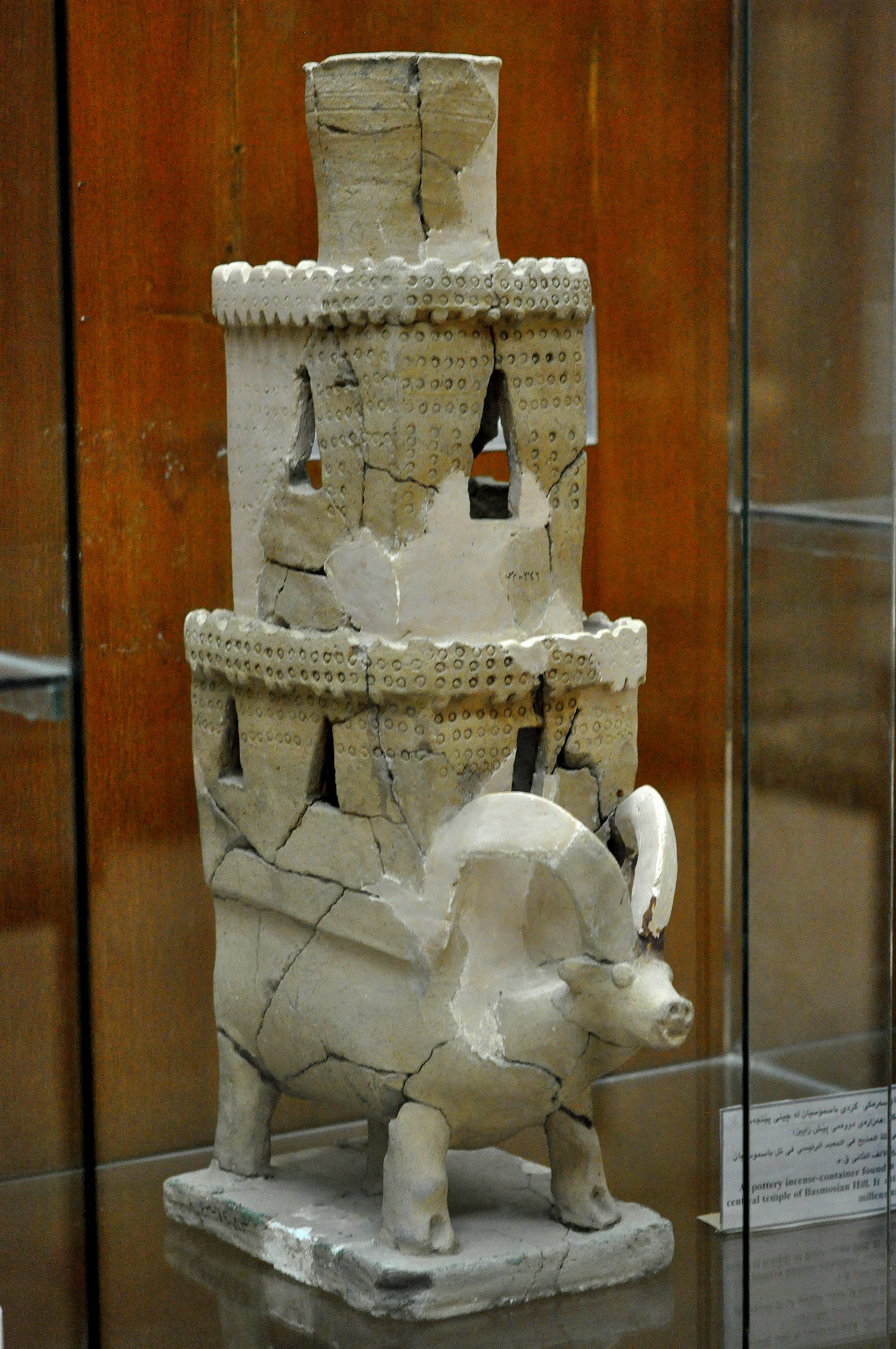
Tell Bazmusian
Large tell site with multi-period occupation.
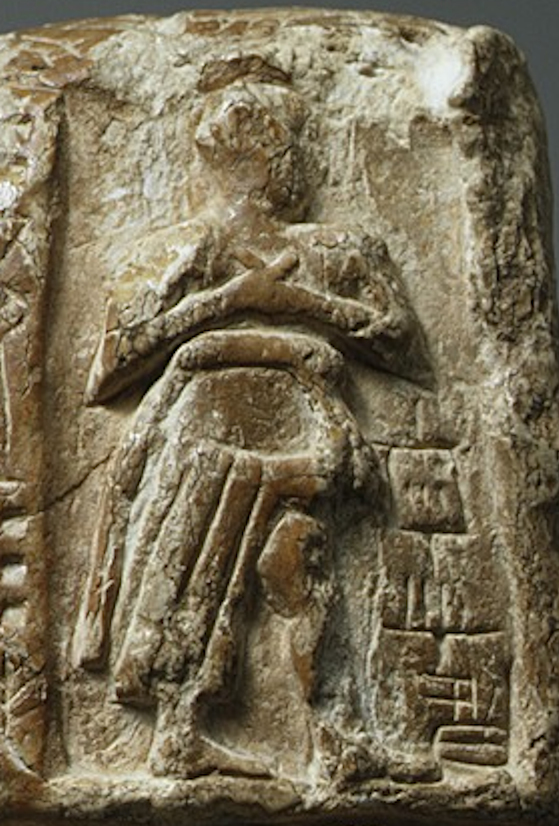
Larsa
Sumerian city-state and temple complex, Isin–Larsa period
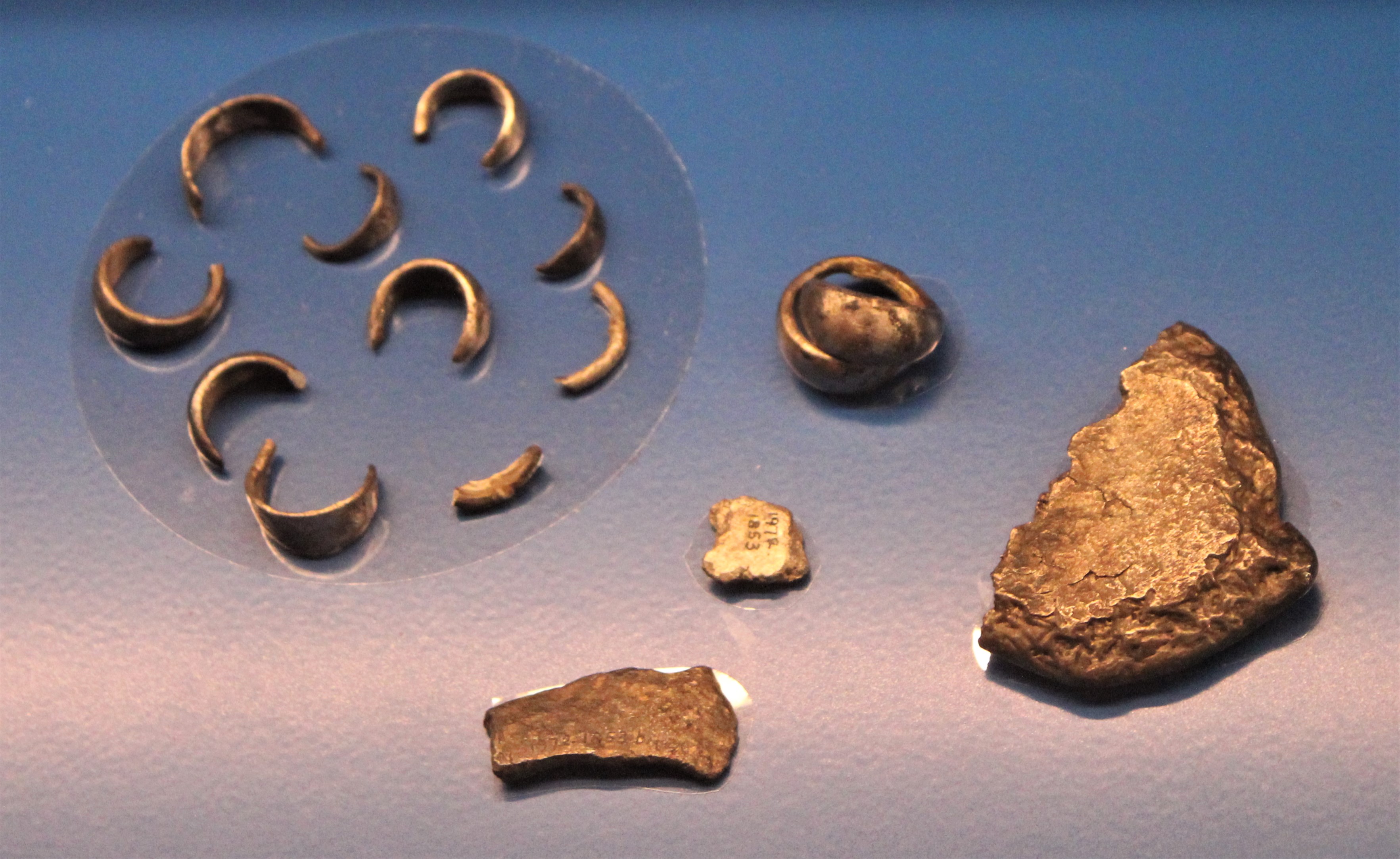
Tell Taya
Ancient hill city with fortifications and artifacts.
Tell al-Lahm
Oblong mound with city wall remnants
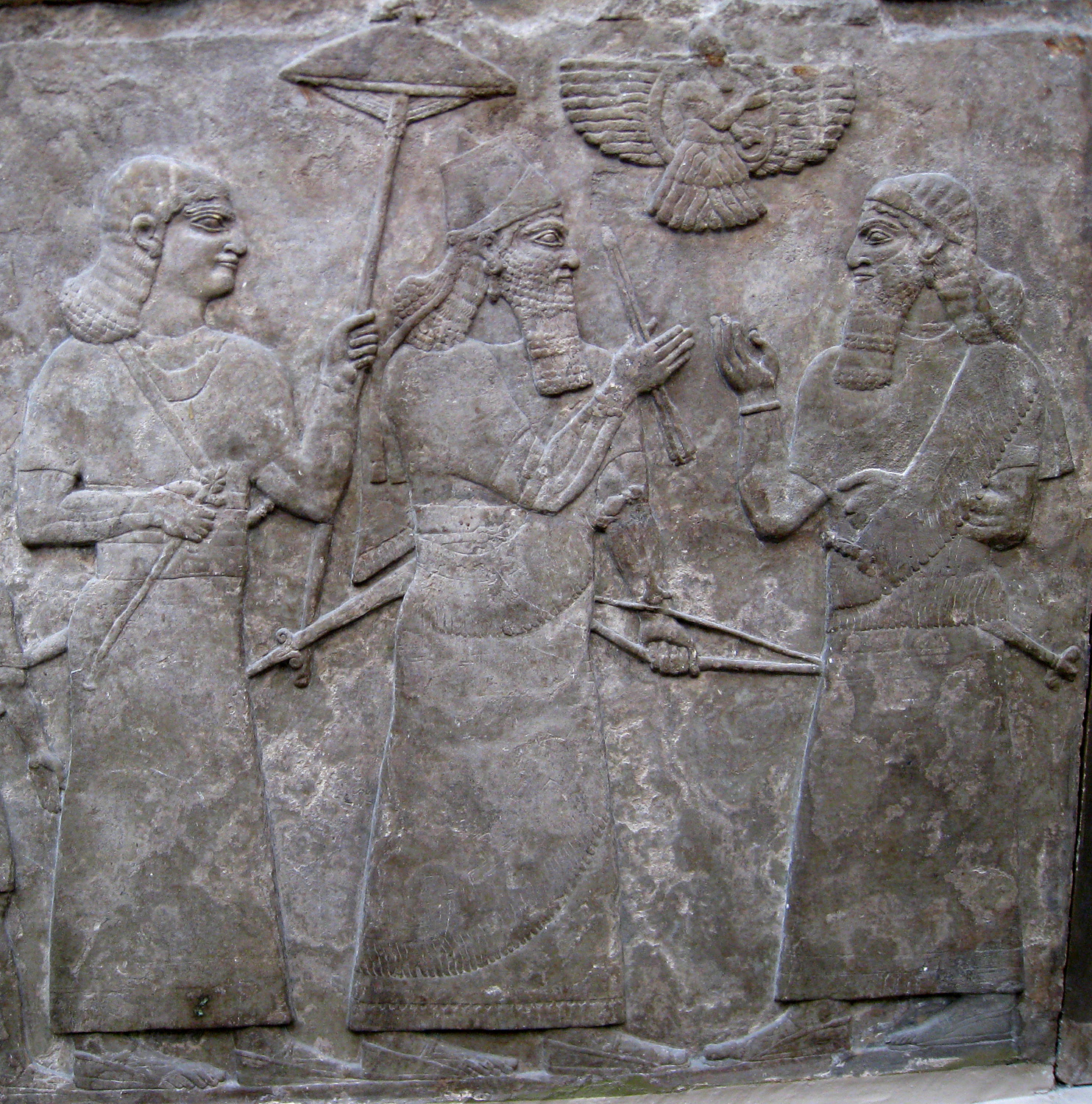
Assur
Ancient Assyrian city on the Tigris River
Tell Yelkhi
Oval mound with Kassite and earlier remains.