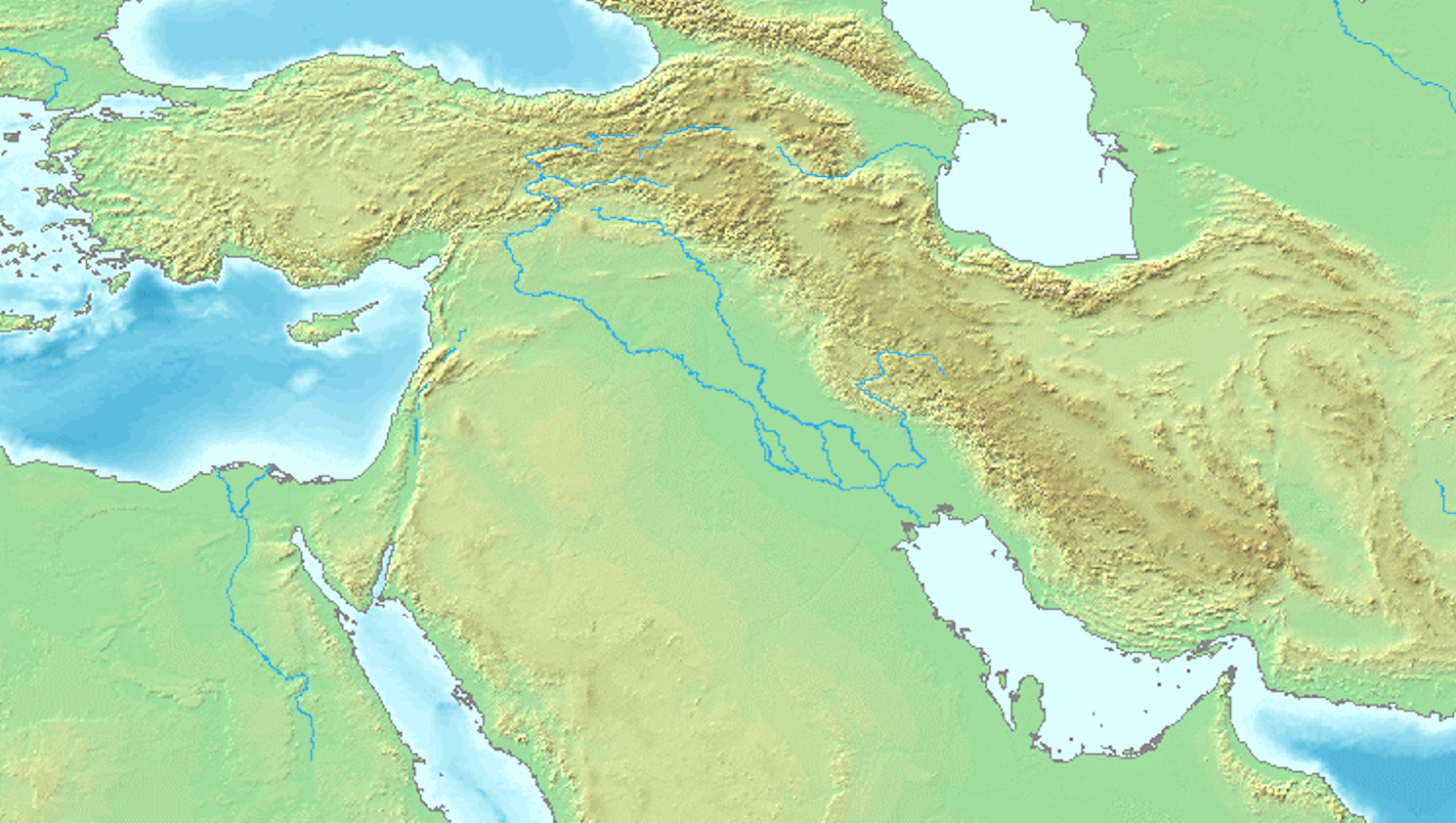
Explore the Map
Bestansur
35.3767° N, 45.6456° E
About
Bestansur is a significant archaeological tell located in the Shahrizor Plain of Iraq, offering insights into various periods of human occupation. Initially settled during the Early Neolithic period, around 7600-7100 BCE, the site features mud-brick and pisé structures, including rectangular buildings and hearths, indicative of established habitation. The presence of numerous burials, including 72 individuals beneath a single room, underscores its importance as a residential and cultural center. The site's occupation extended into the Neo-Assyrian, Sasanian, and Ottoman periods, showcasing a long history of settlement and adaptation. Artifacts such as pottery fragments and textile imprints link Bestansur to broader Mesopotamian cultures, while its inclusion on the UNESCO World Heritage Tentative List highlights its significance in understanding ancient human societies in Upper Mesopotamia.
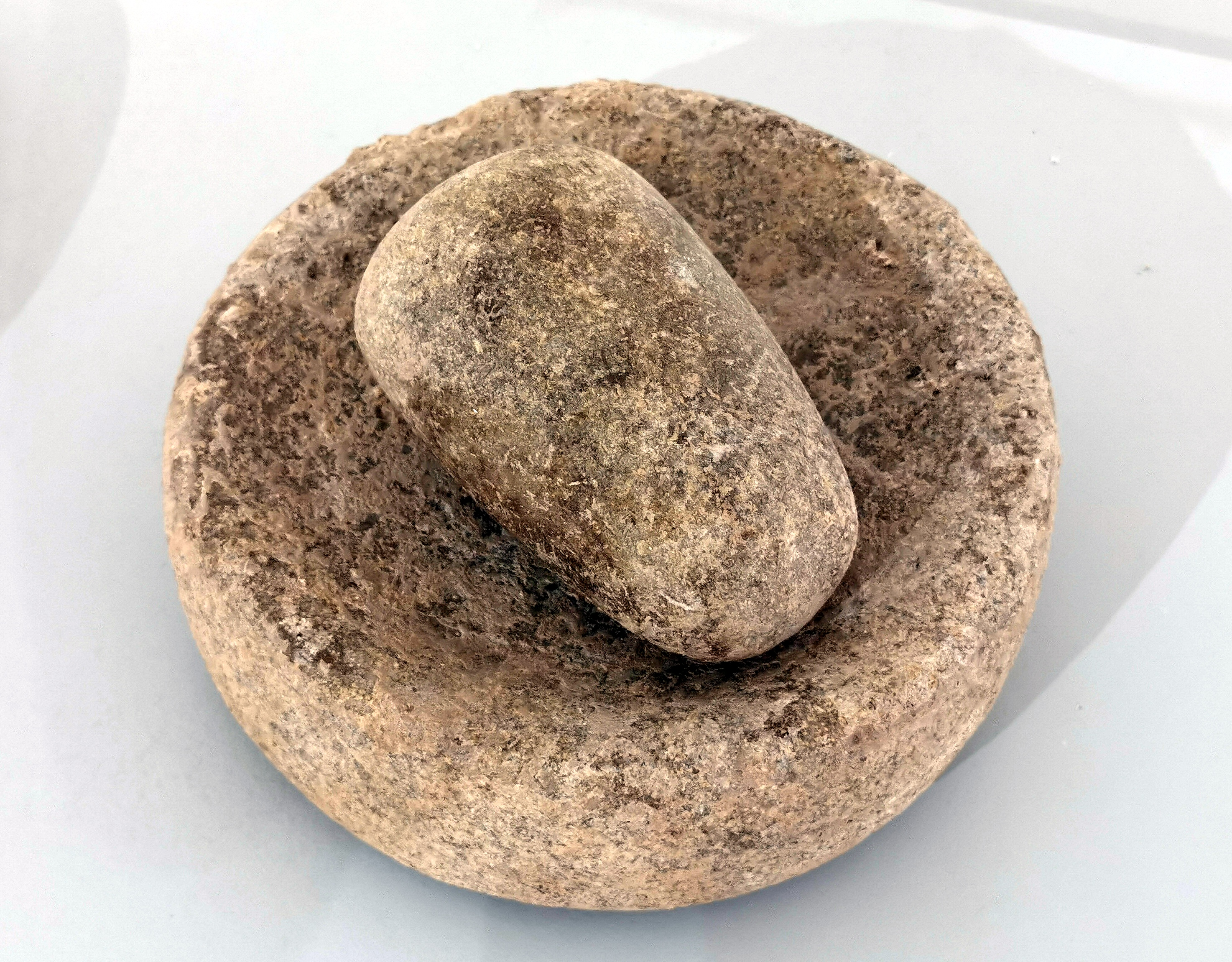
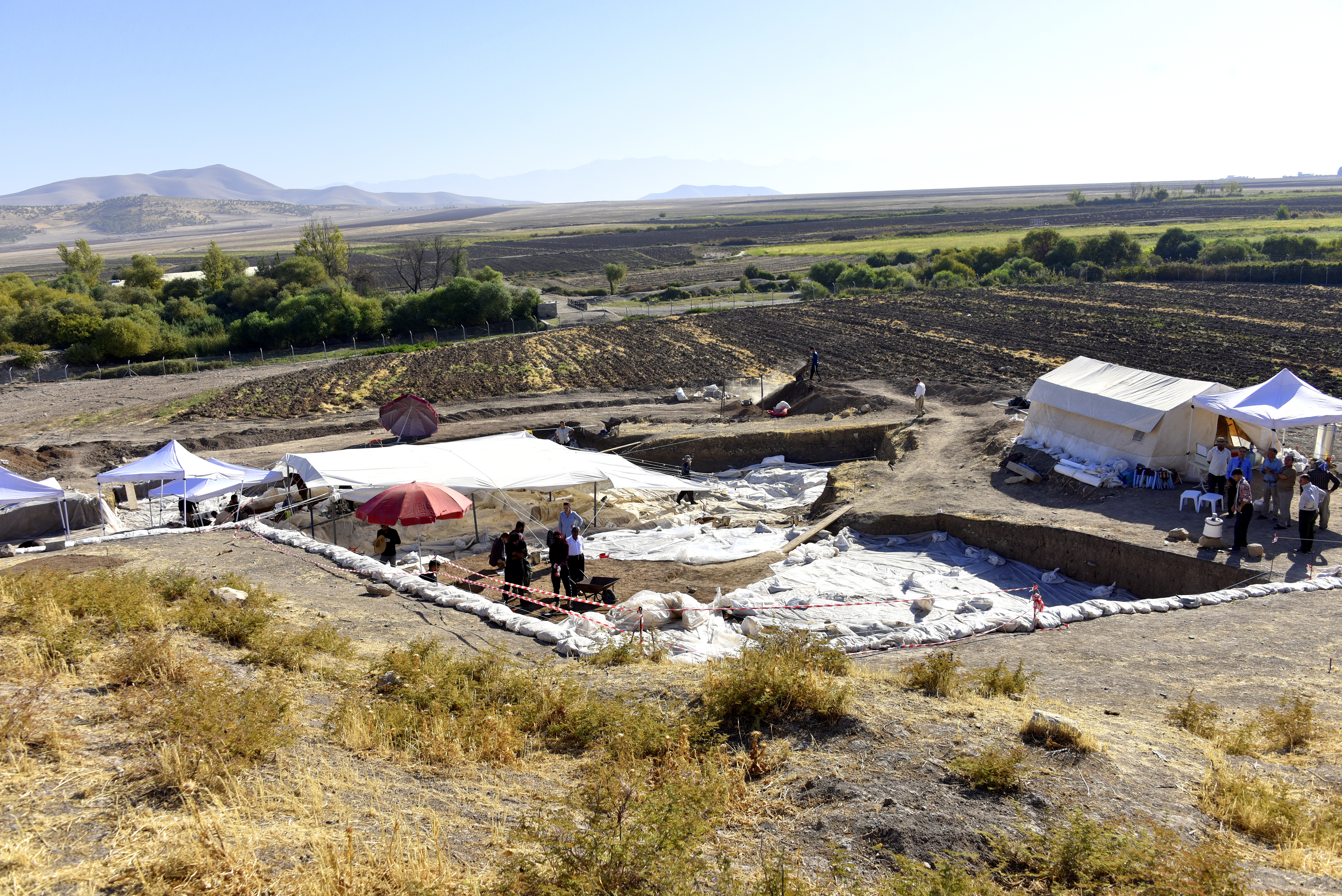
Gallery
Explore photographs of ancient structures, artifacts, and archaeological excavations
Historical Timeline
Journey through time and discover key events in this site's history
Neo-Assyrian Activity
Iron Age
Sasanian Occupation
224-651 CE
Ottoman Occupation
1500-1920 CE
Early Neolithic Occupation
7600-7100 BCE
Archaeological Features
Unique architectural and cultural elements found at this historical site
Burial and Funerary Structures
Domestic and Habitation Structures
Environmental and Natural Features
Food Production and Processing Features
Frequently Asked Questions
Plan Your Visit
Tours, travel arrangements, and practical information
More Sites in Iraq
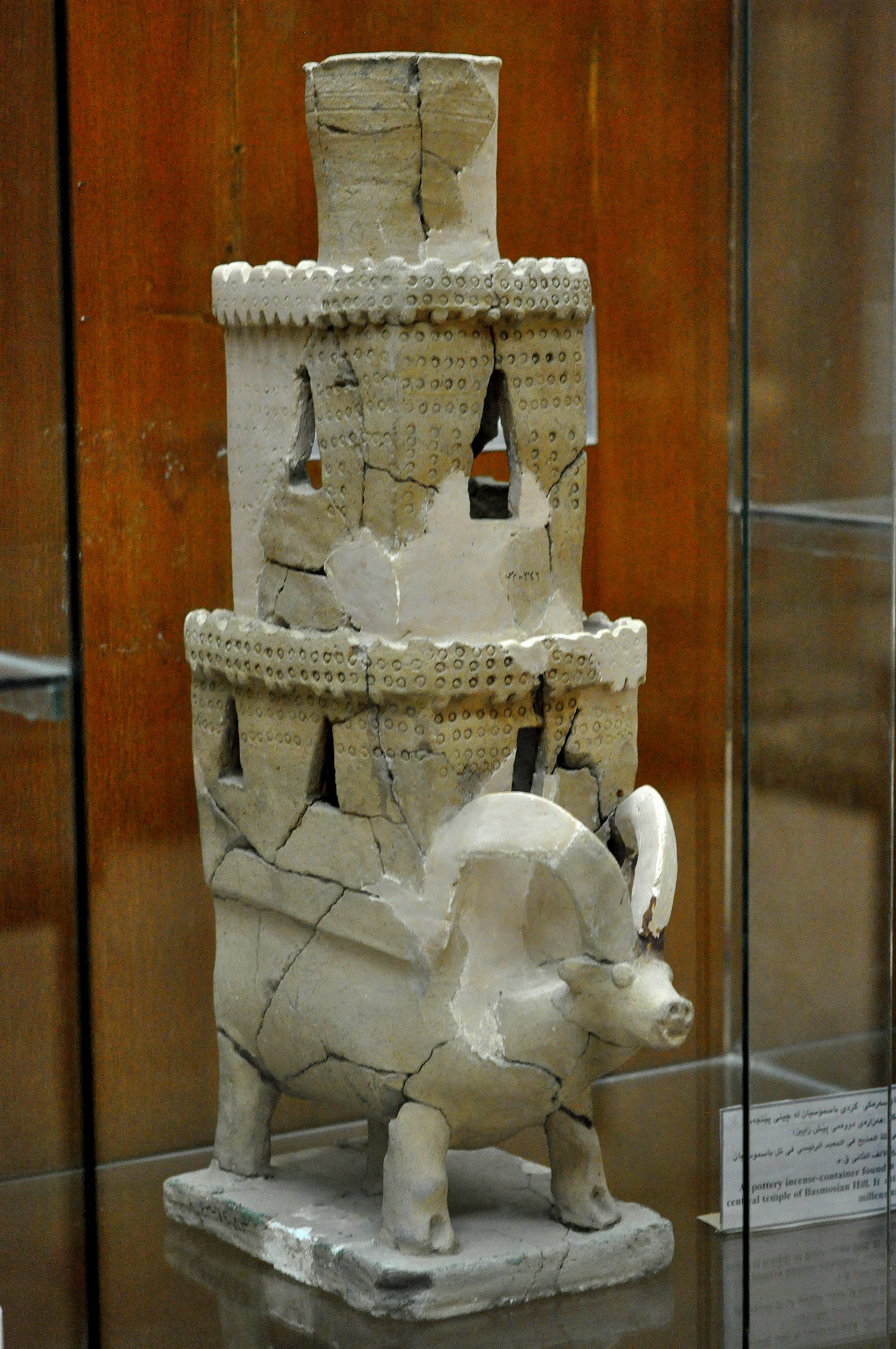
Tell Bazmusian
Large tell site with multi-period occupation.
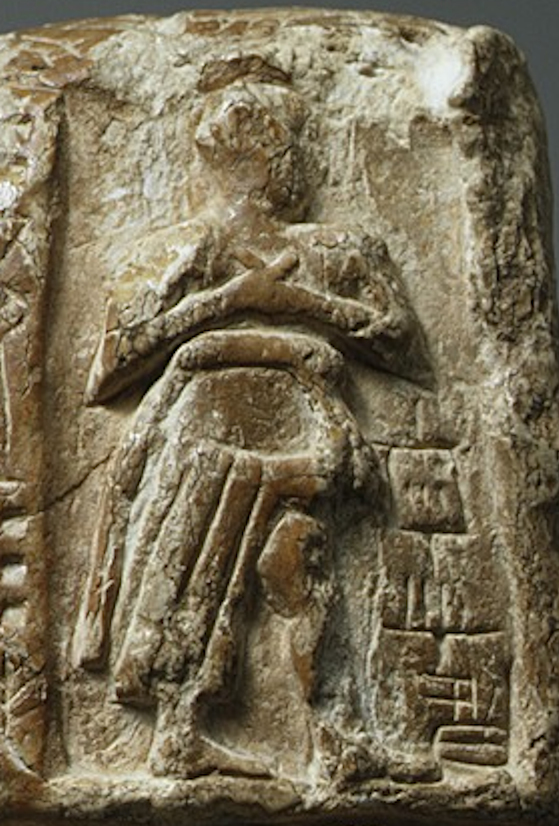
Larsa
Sumerian city-state and temple complex, Isin–Larsa period
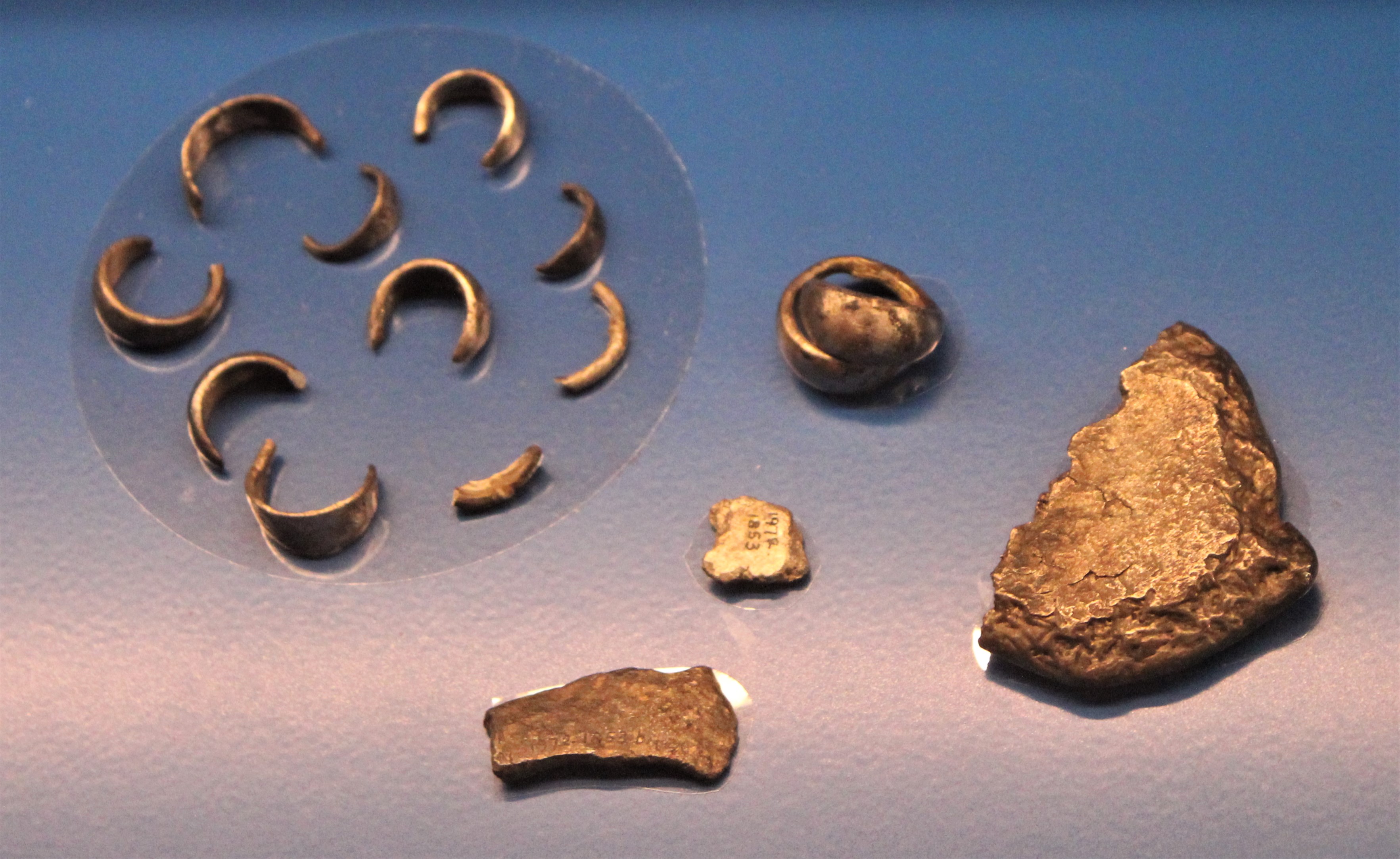
Tell Taya
Ancient hill city with fortifications and artifacts.
Tell al-Lahm
Oblong mound with city wall remnants
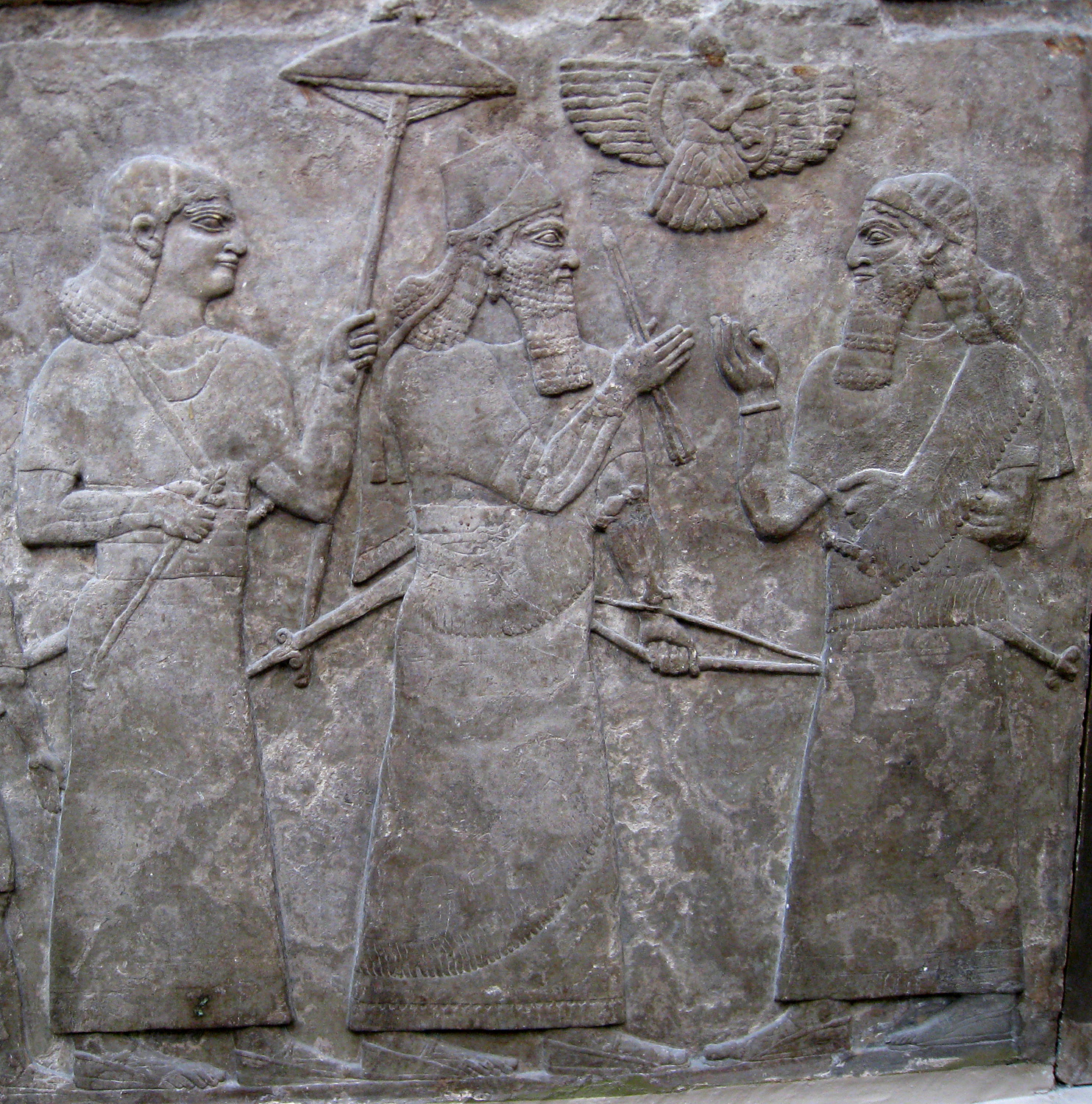
Assur
Ancient Assyrian city on the Tigris River
Tell Yelkhi
Oval mound with Kassite and earlier remains.