Explore the Map
Ashkelon National Park
31.6639° N, 34.5458° E
About
Ashkelon National Park is a vital archaeological site located along the Mediterranean coast. It encompasses the ancient city of Ascalon and features remnants from numerous civilizations, including Canaanites, Philistines, Greeks, Romans, Byzantines, Muslims, and Crusaders. Key archaeological attributes include a Middle Bronze Age gate with an early arch, extensive defensive walls from the Fatimid period, and a Roman basilica attributed to Herod's reign. The site also reveals a complex history of religious transformation, from pagan temples to churches and mosques. Notably, it hosts the largest ancient dog cemetery known. Its diverse layers offer insights into the cultural and architectural evolution over millennia, underscoring its historical and archaeological significance.
Gallery
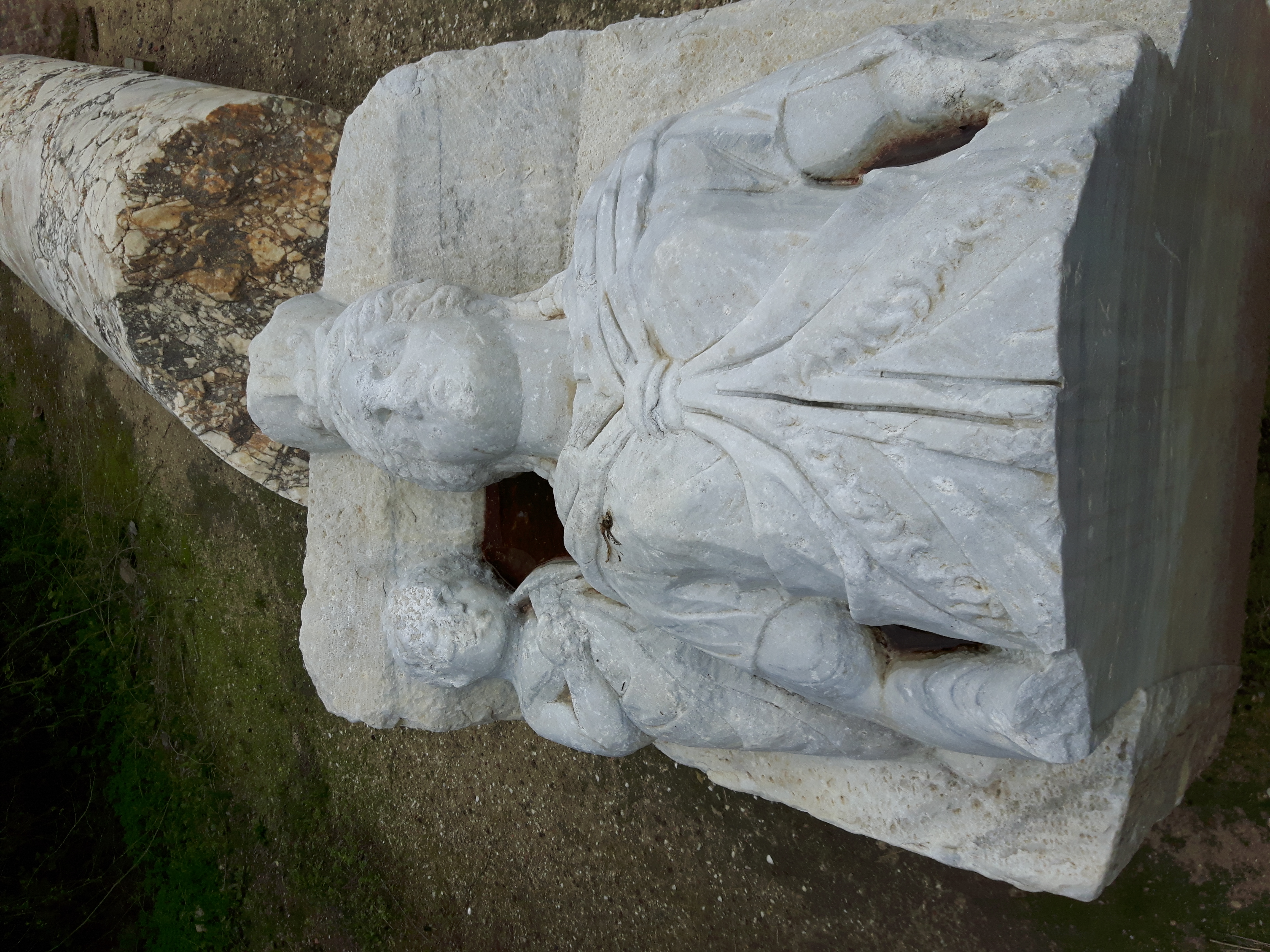
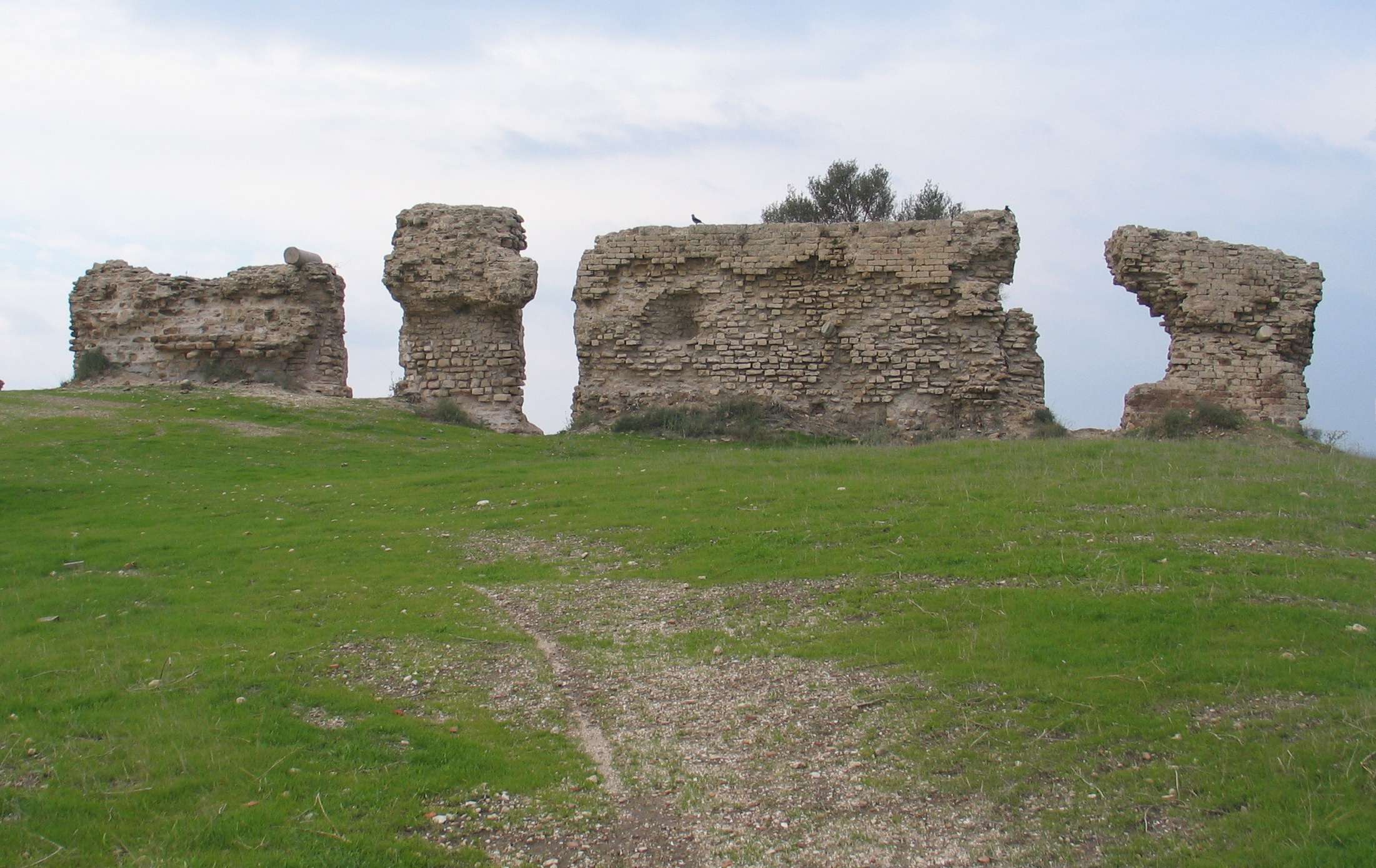
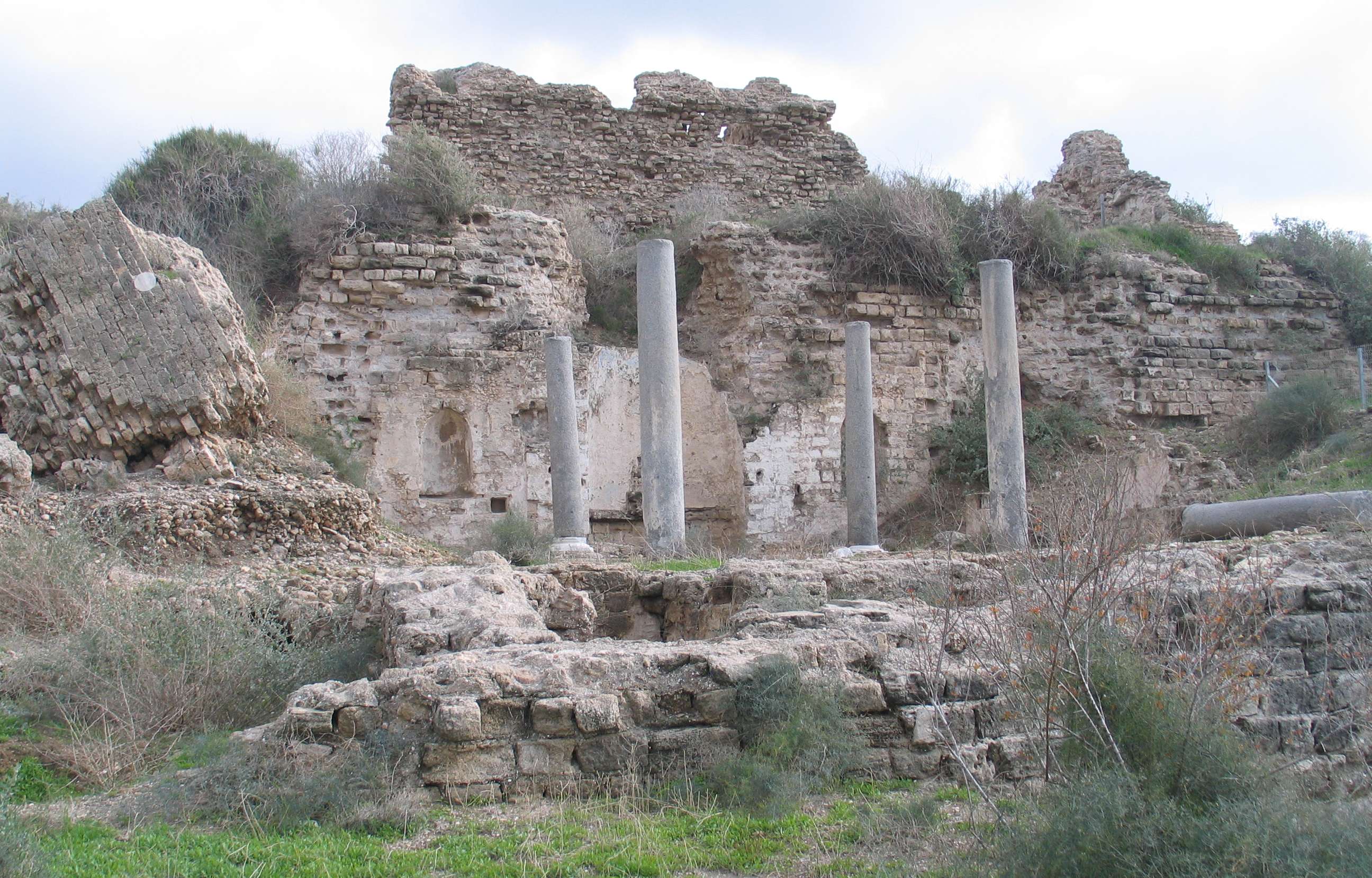
Explore photographs of ancient structures, artifacts, and archaeological excavations
Historical Timeline
Journey through time and discover key events in this site's history
Middle Bronze Age Gate
1850 BCE
Philistine Arrival
12th century BCE
Destruction by Nebuchadnezzar
604 BCE
Roman Basilica Construction
1st century CE
Fatimid Wall Construction
12th century CE
Archaeological Features
Unique architectural and cultural elements found at this historical site
Defensive Structures
Miscellaneous Features
Public and Civic Structures
Burial and Funerary Structures
Religious and Ritual Structures
Artistic and Decorative Features
Frequently Asked Questions
Plan Your Visit
Tours, travel arrangements, and practical information
More Sites in Israel
Tel Kabri
Bronze Age Canaanite palace and settlement
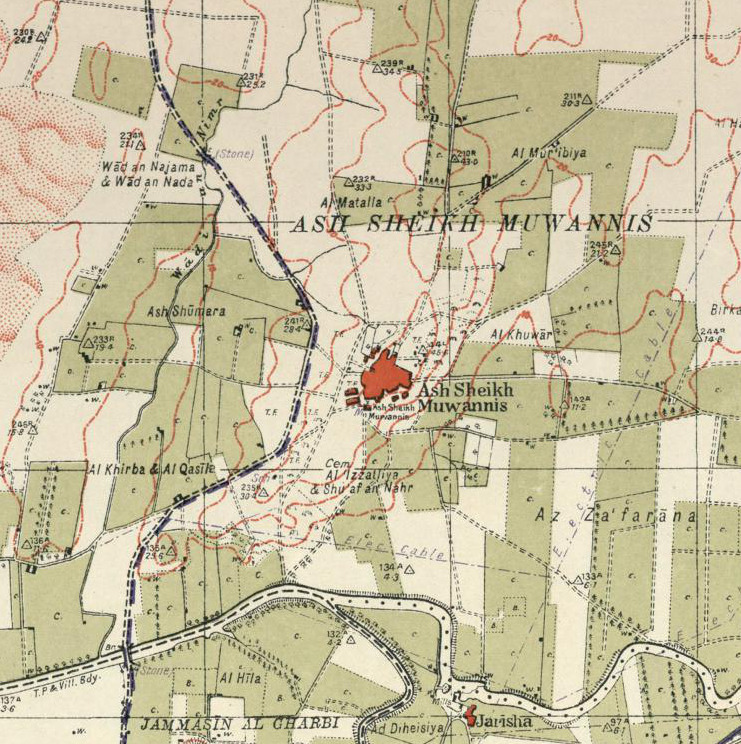
Tell Qasile
Philistine port city with temples and houses
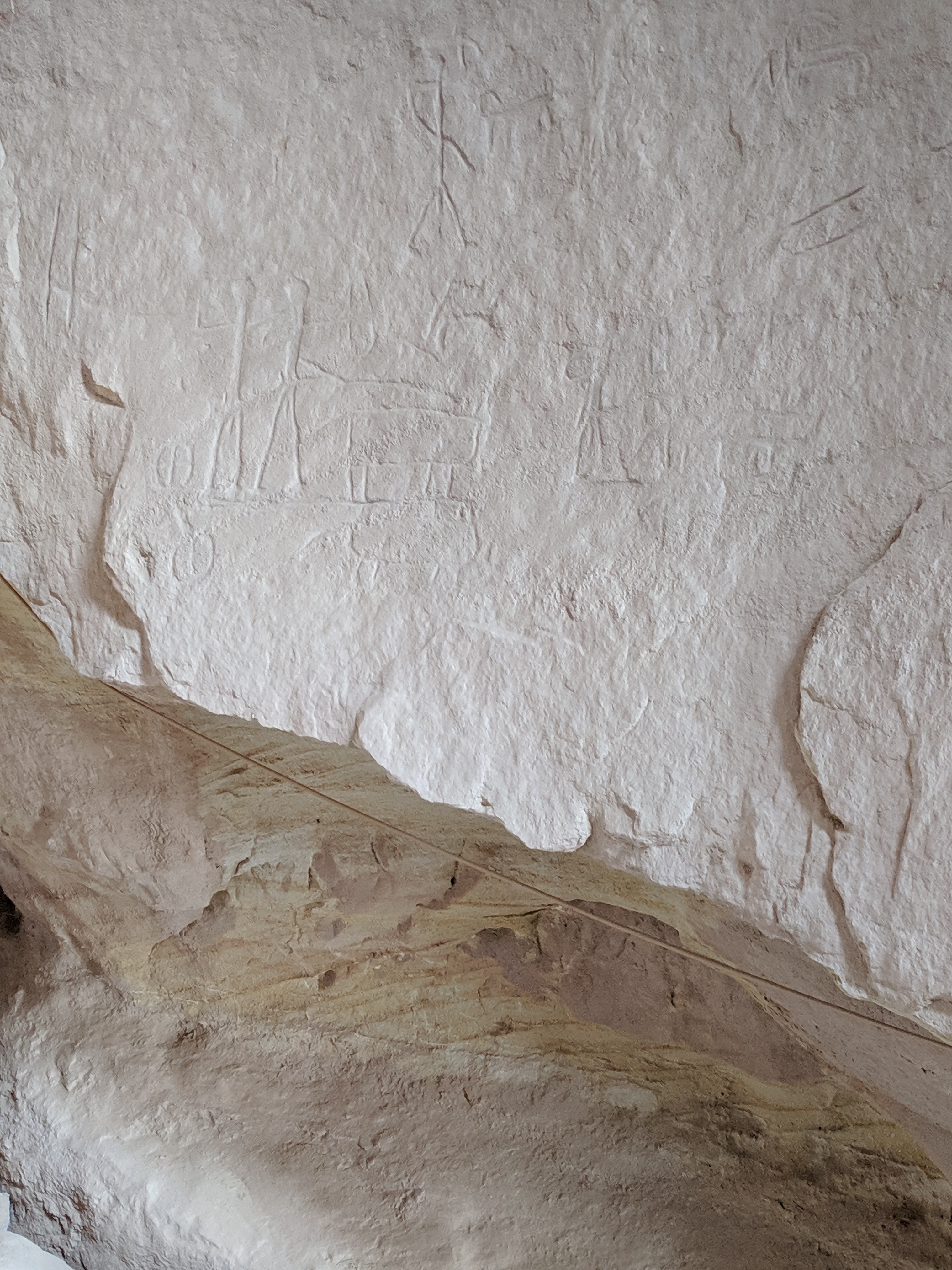
Timna Valley
Copper mining and unique sandstone formations

Tel Tanninim
Ancient tell near Mediterranean with Byzantine remains
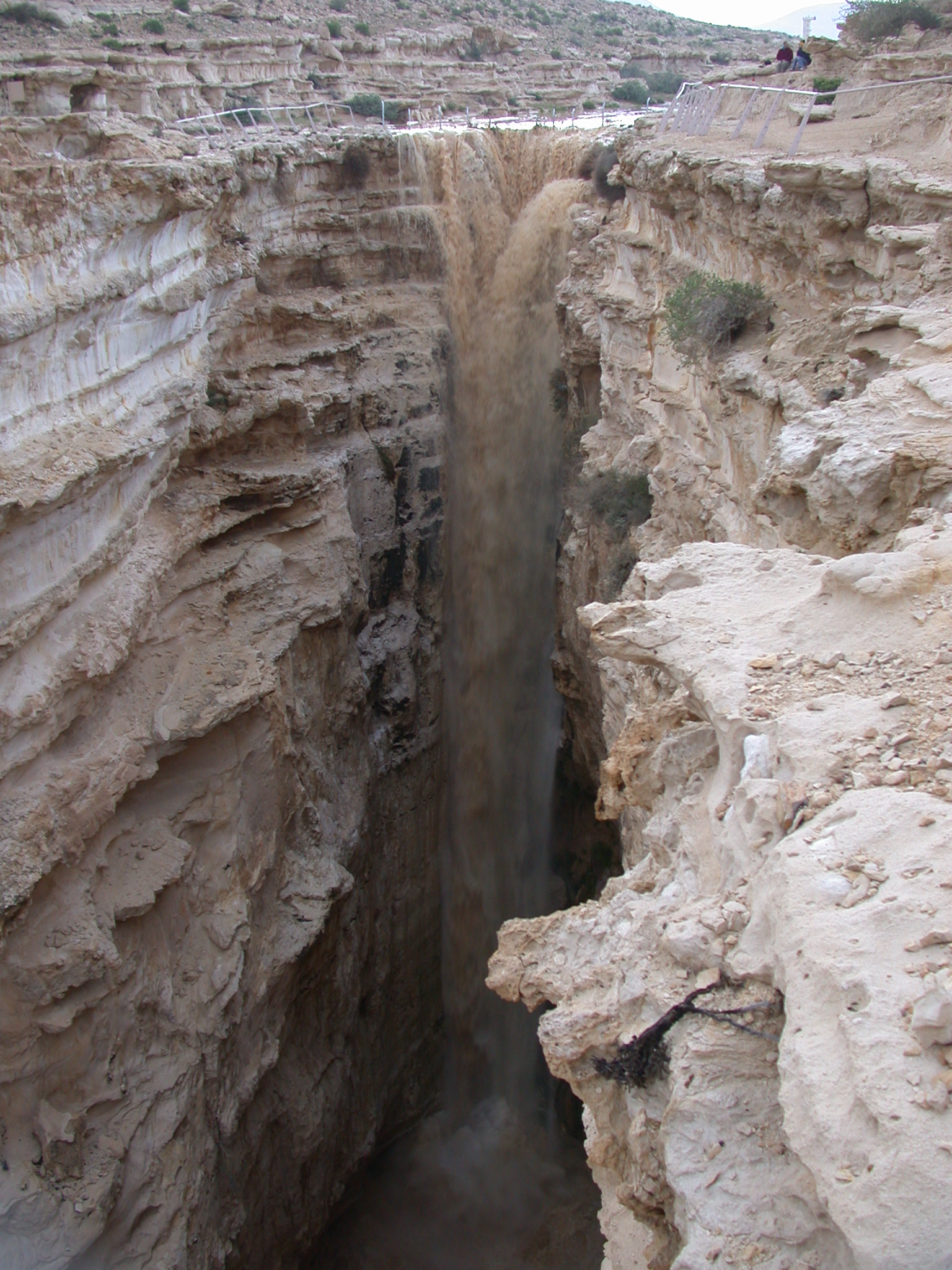
Ein Avdat
Desert canyon with springs and ancient habitations.
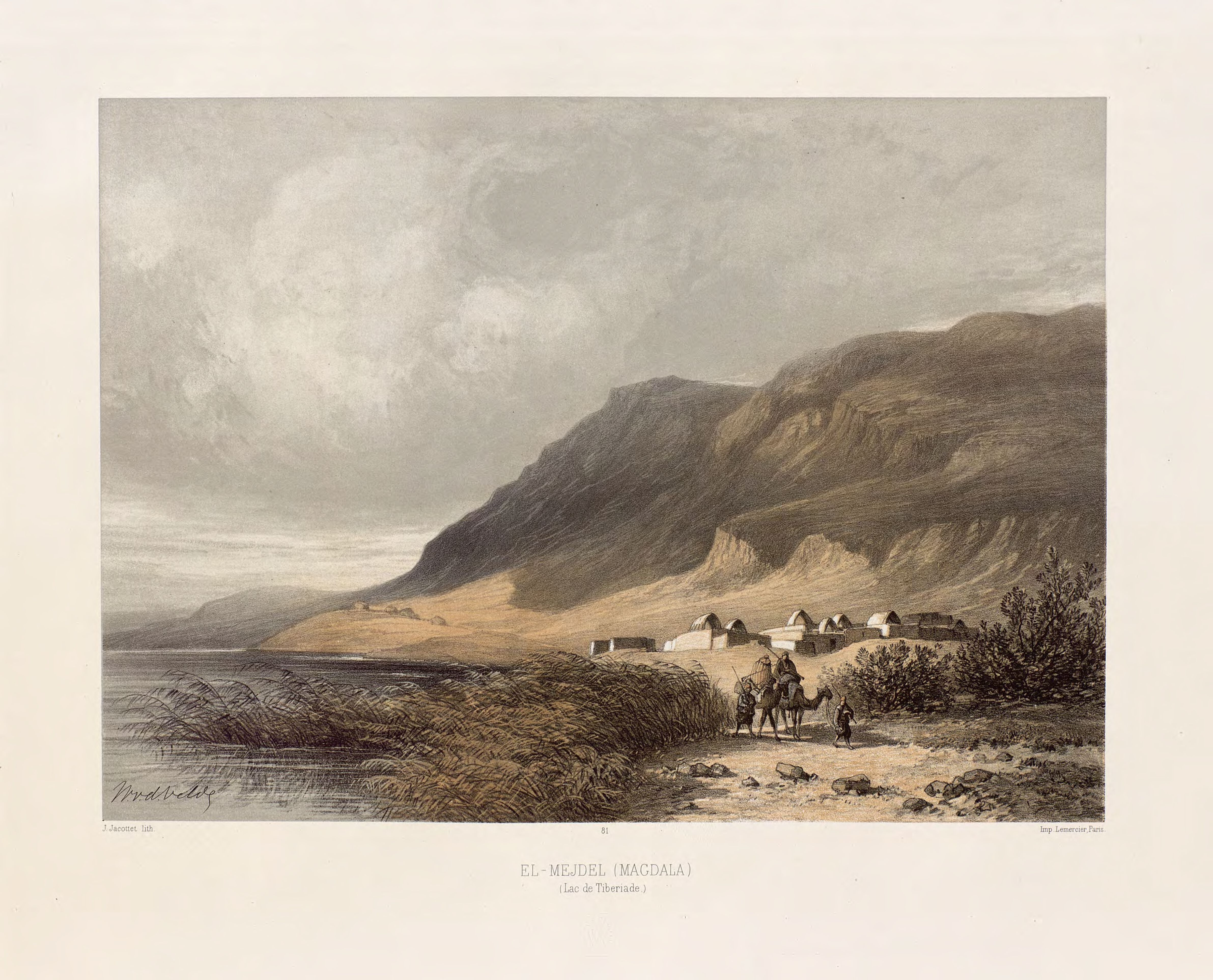
Magdala
Ancient Jewish city with Roman synagogues