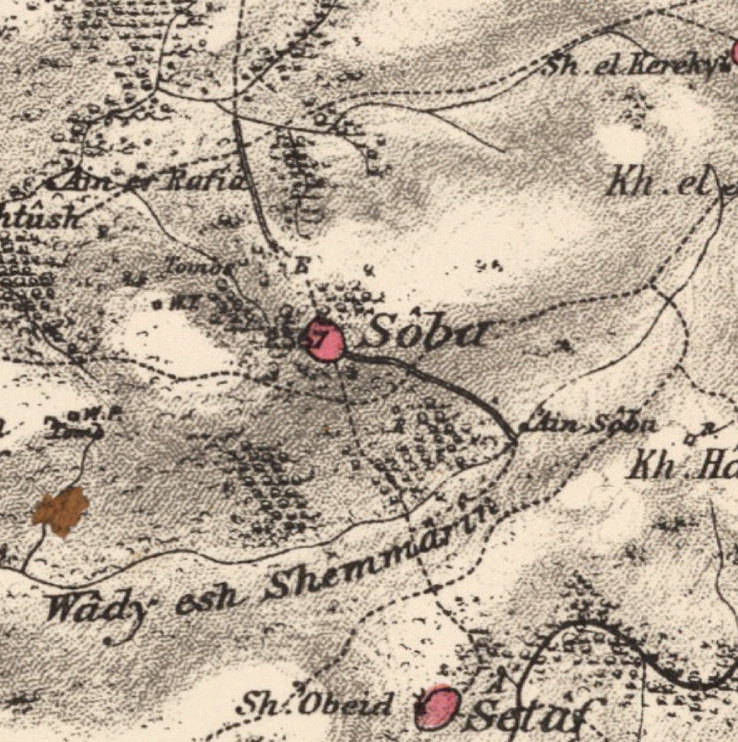
Explore the Map
Suba, Jerusalem
31.7847° N, 35.1261° E
About
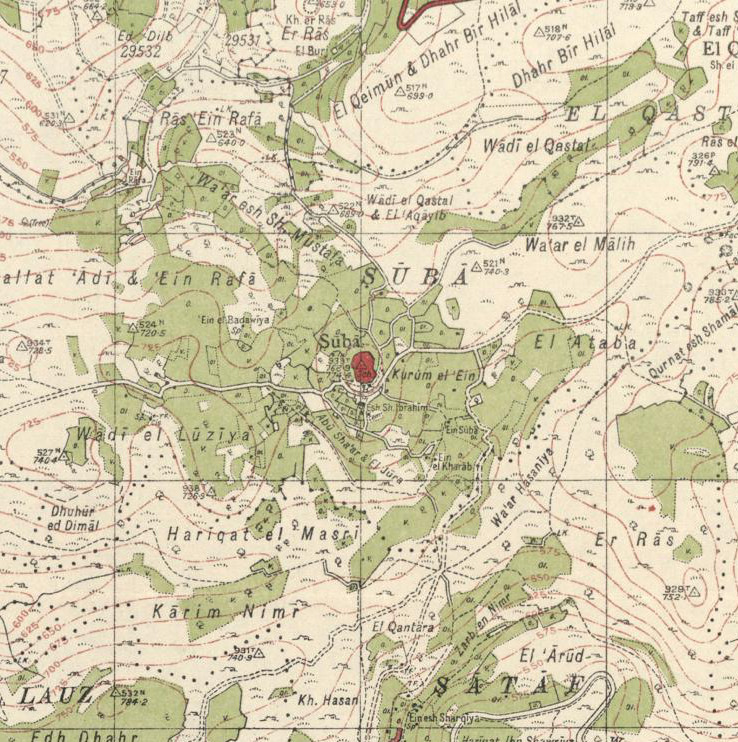
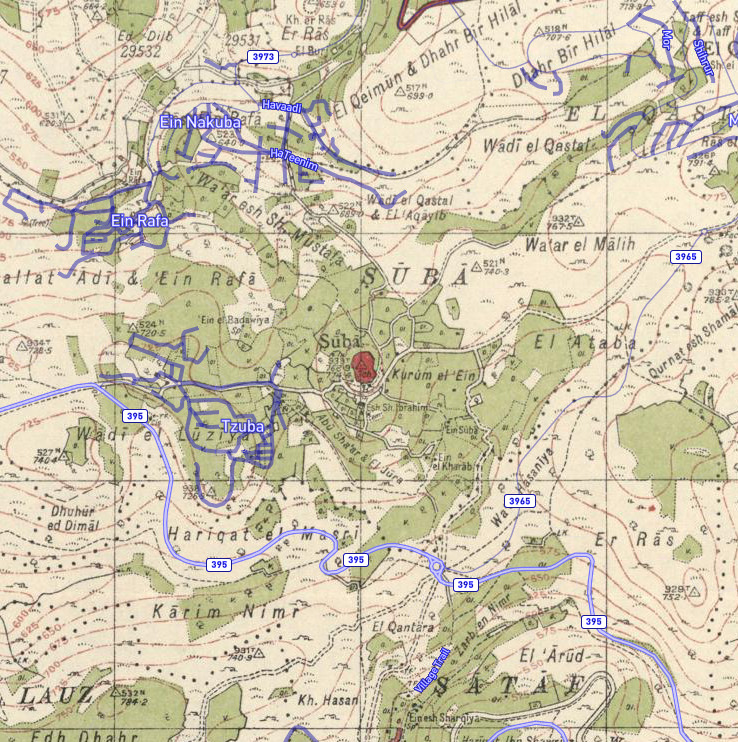
Suba, located west of Jerusalem on a conical hill called Tel Tzova, is a site marked by its rich history spanning from the Middle Bronze Age to the 20th century CE. Notably, it contains the remnants of a Crusader-era castle known as Belmont, constructed by the Hospitallers in the 12th century CE. The site also bears traces of previous habitation, including Middle Bronze Age cairn-tombs. Later, Belmont Castle was captured by Saladin in 1187 CE. During the Ottoman period, Suba was a small village paying taxes on agricultural products. The site was depopulated and destroyed in 1948 during the Arab-Israeli conflict. Today, remnants of the Crusader walls, cisterns, and village ruins provide a glimpse into its historical significance.
Gallery
Explore photographs of ancient structures, artifacts, and archaeological excavations
Historical Timeline
Journey through time and discover key events in this site's history
Middle Bronze Age tombs
2000 BCE
Crusader Castle Belmont
1169 CE
Saladin Captures Belmont
1187 CE
Suba in Ottoman tax registers
1517 CE
Destruction by Ibrahim Pasha
1834 CE
Suba depopulated and destroyed
1948 CE
Archaeological Features
Unique architectural and cultural elements found at this historical site
Defensive Structures
Water Management Features
Burial and Funerary Structures
Domestic and Habitation Structures
Frequently Asked Questions
Plan Your Visit
Tours, travel arrangements, and practical information


More Sites in Israel
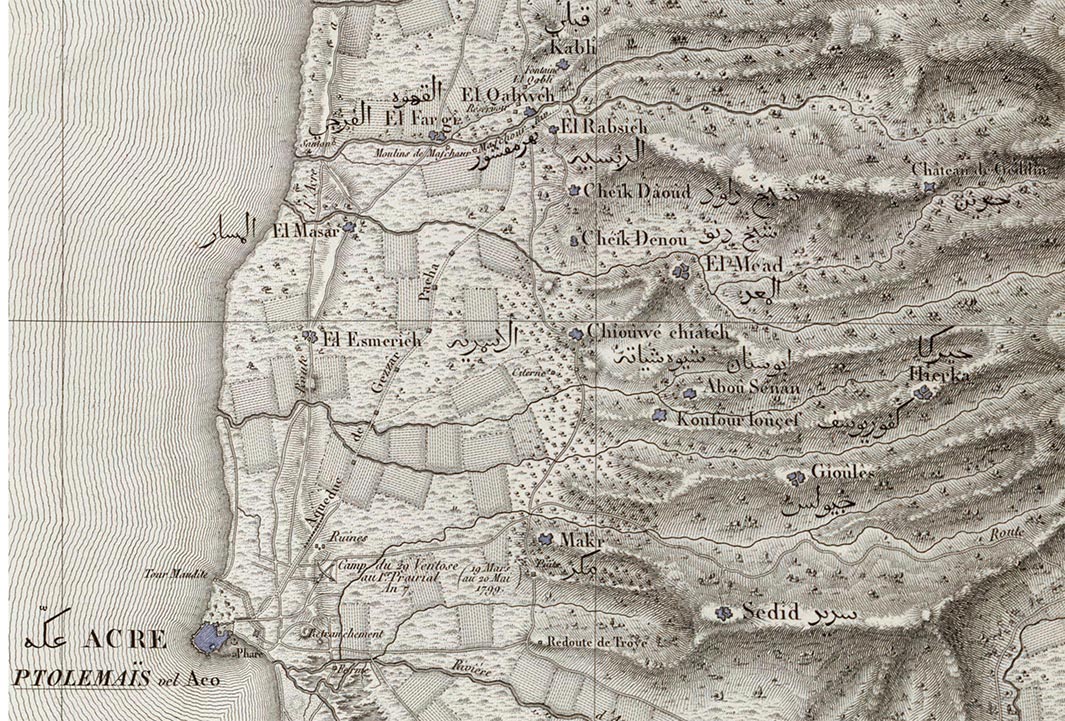
Tel Kabri
Bronze Age Canaanite palace and settlement
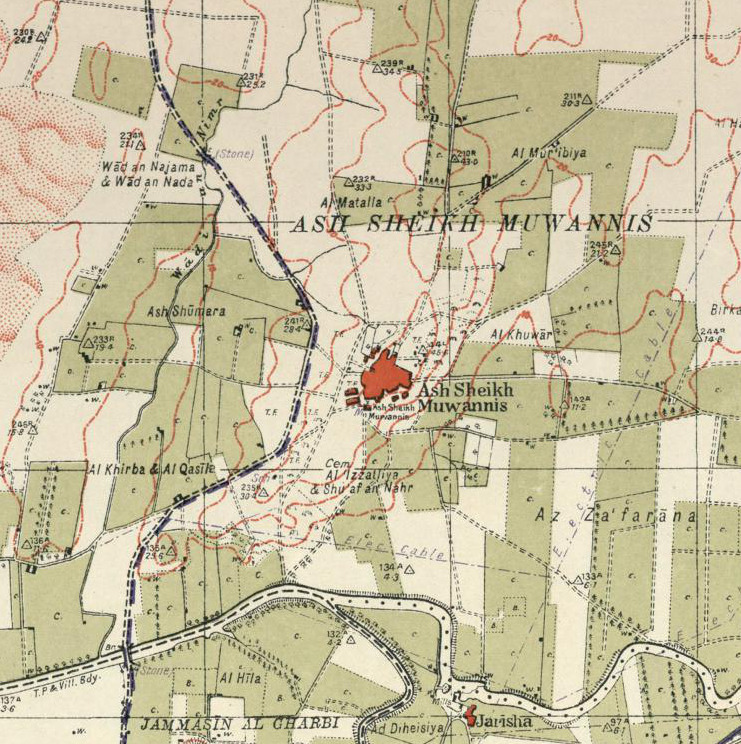
Tell Qasile
Philistine port city with temples and houses
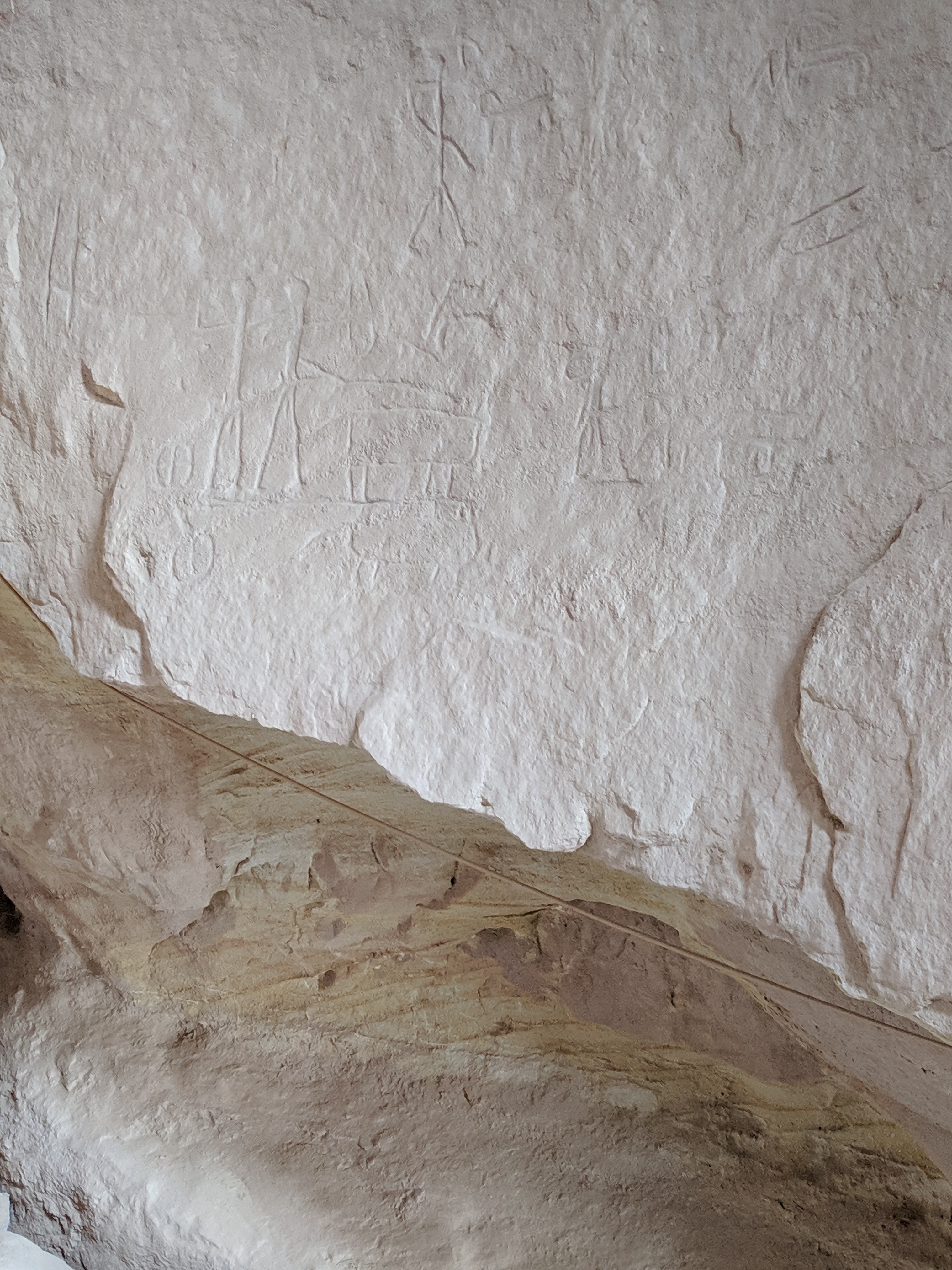
Timna Valley
Copper mining and unique sandstone formations
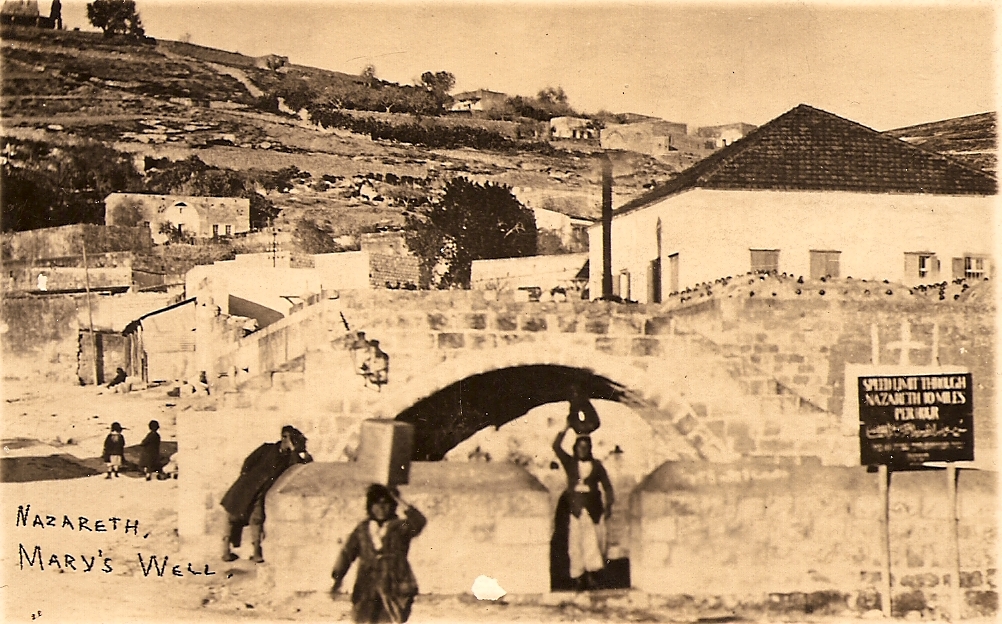
Mary's Well
Ancient water supply with religious significance
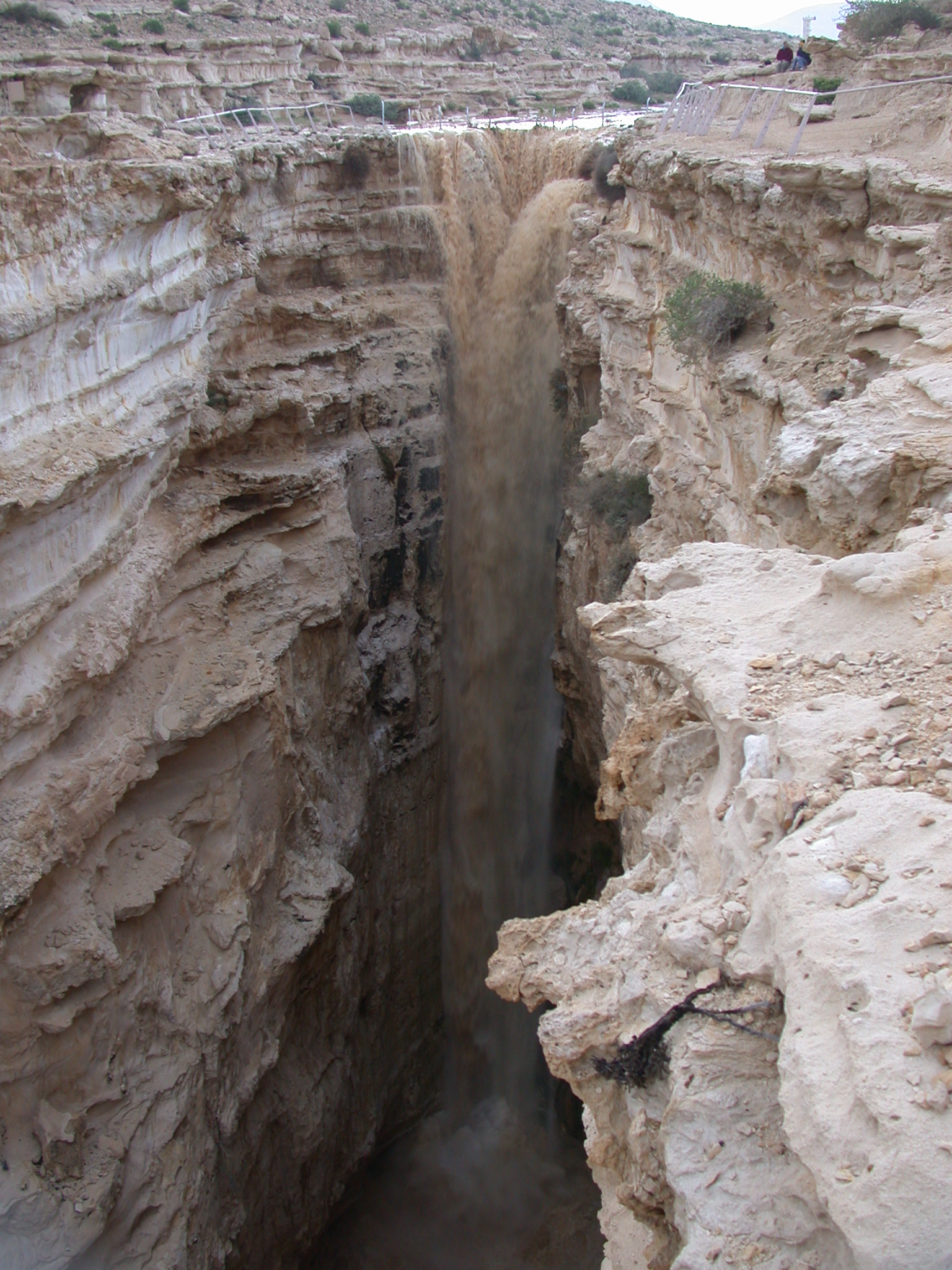
Ein Avdat
Desert canyon with springs and ancient habitations.
Tel Tanninim
Ancient tell near Mediterranean with Byzantine remains