Time Periods
Paleolithic
Mesolithic
Neolithic
Chalcolithic
Bronze Age
Iron Age
Classical Period
Post-Classical Period
Early Modern Period
Industrial Period
Contemporary Period
Time Periods
Paleolithic
Mesolithic
Neolithic
Chalcolithic
Bronze Age
Iron Age
Classical Period
Post-Classical Period
Early Modern Period
Industrial Period
Contemporary Period
Location
About
Yokneam Illit, located in northern Israel, is an archaeological site with evidence of occupation from the Late Bronze Age through to the modern era. The site is notable for its mention in ancient Egyptian records as one of the cities conquered by Pharaoh Thutmose III and in the Hebrew Bible as a Levitical city within the territory of the tribe of Zebulun. Yokneam was continuously inhabited through various historical periods, including the Persian, Hellenistic, Roman, Byzantine, Crusader, Mameluke, and Ottoman periods. The Crusaders referred to it as Cain Mons. The modern city was founded in 1950, incorporating the lands of the depopulated Palestinian village of Qira. Yokneam Illit's archaeological significance is bolstered by its long history and continuous habitation, offering insights into the region's historical and cultural transformations.
Gallery
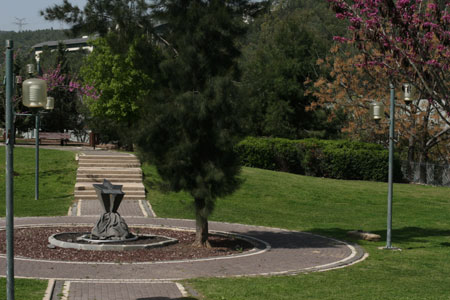
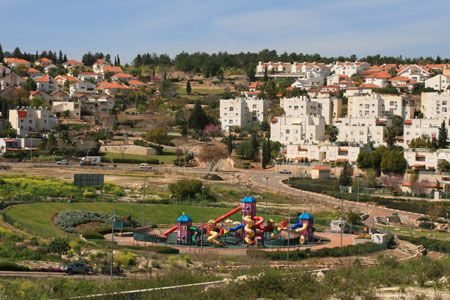
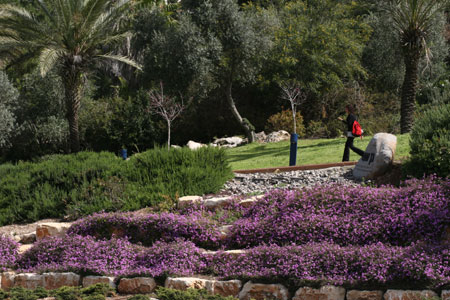
Explore photographs of ancient structures, artifacts, and archaeological excavations at Yokneam Illit
Archaeological Features
Explore the unique architectural and cultural elements found at this historical site
Religious and Ritual Structures
Domestic and Habitation Structures
Environmental and Natural Features
Historical Timeline
Journey through time and discover key events in this site's archaeological history
Plan Your Visit
Details
- Country
- Israel
- Source
- Wikipedia
More Sites in Israel
Tel Shem
Flattened tell with scattered artifacts.
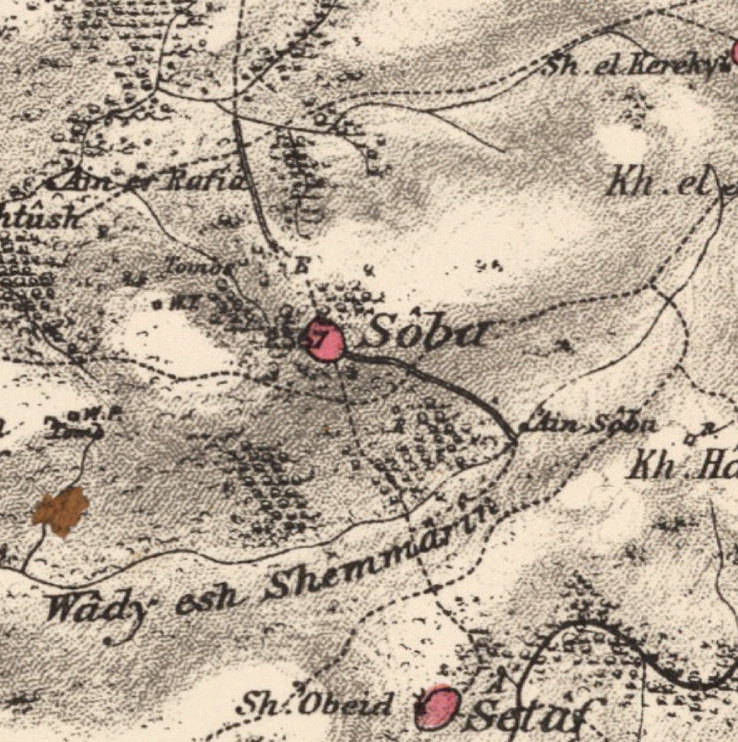
Suba, Jerusalem
Crusader castle ruins on a conical hill

Bayt Jibrin
Ancient city with diverse cultural influences
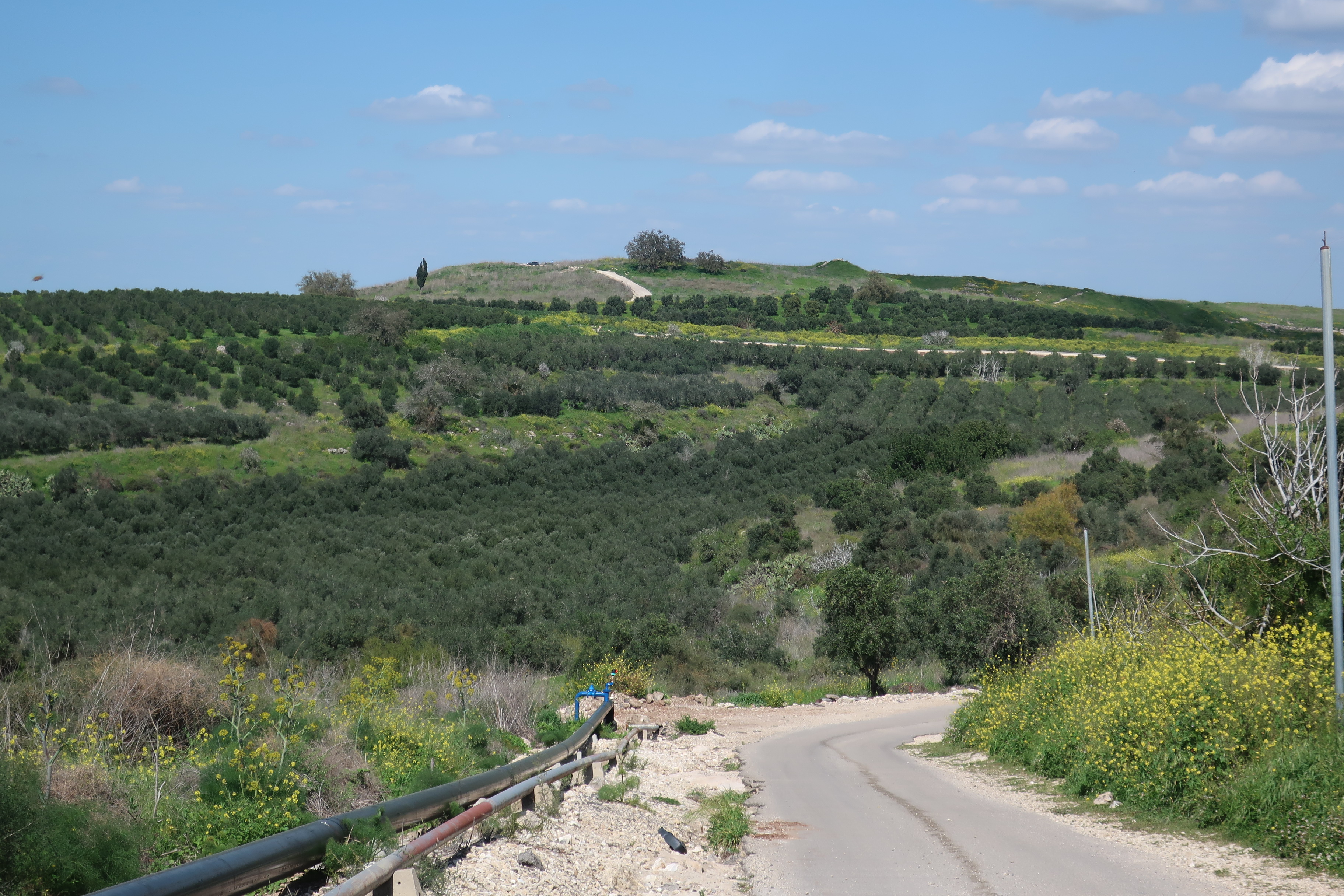
Gezer
Ancient Canaanite city with biblical significance.

Tel Hanaton
Archaeological tell in Lower Galilee, Israel
Tel Shoket
Archaeological hill with continuous habitation.