Explore the Map
Baysamun
33.0975° N, 35.5817° E
About
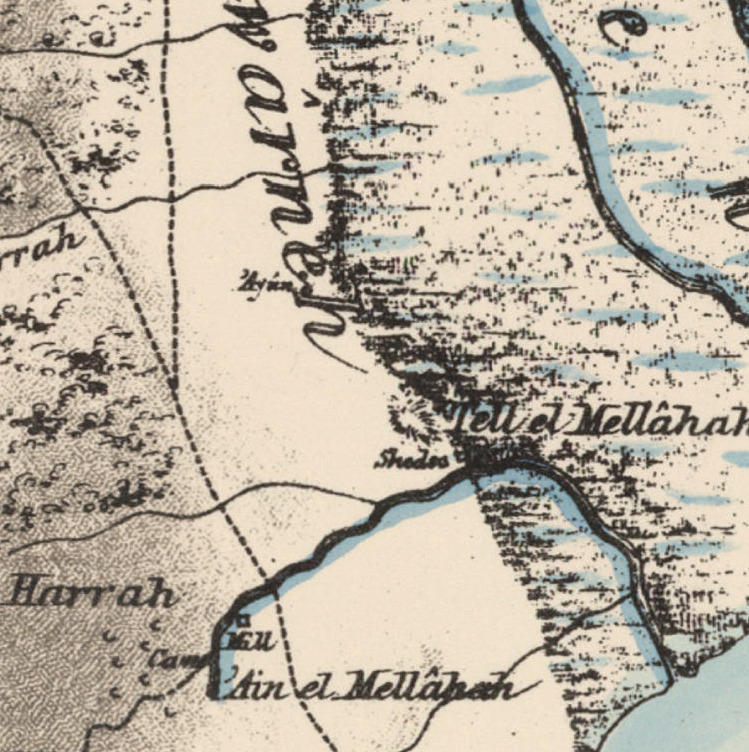
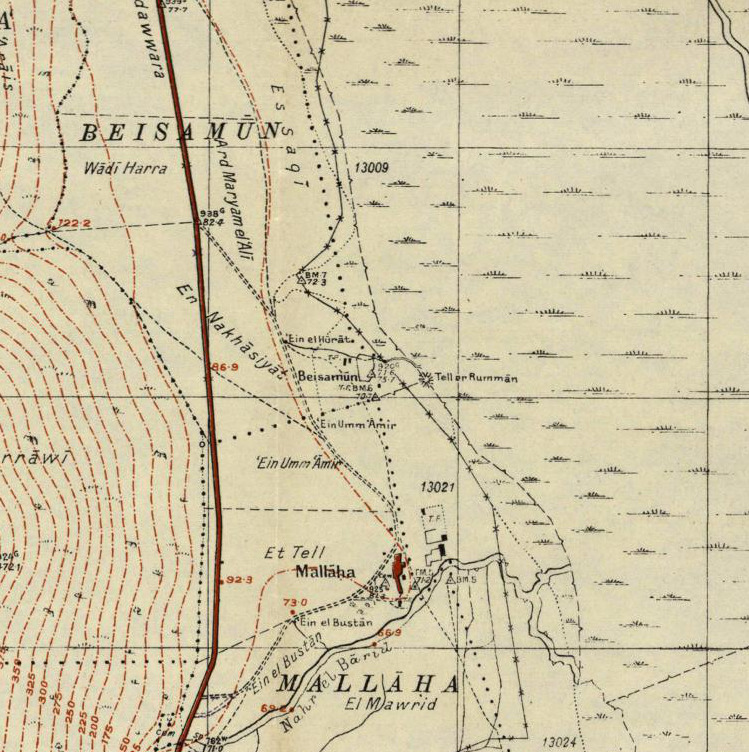
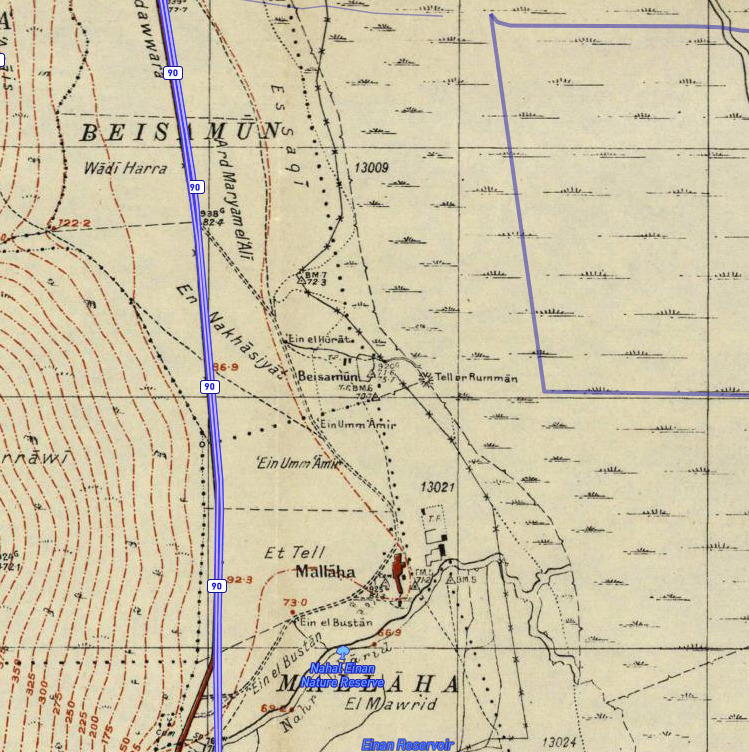
Baysamun, also known as Beisamoun, is a significant archaeological site located in the Hula Valley of present-day Israel. The site is renowned for its Neolithic period artifacts, including two plastered human skulls, which provide significant insights into early human rituals and mortuary practices. The discovery of rectangular houses with plastered floors at Baysamun indicates a sophisticated level of architectural development, comparable to other prominent sites in the Levant such as Byblos and Jericho. These structures reflect the community's adaptation to their environment and social organization during the Pre-Pottery Neolithic B era. The village's location in a marshy valley and subsequent transformation into fish ponds highlights the site's historical changes in land use and water management. Despite its depopulation in 1948, Baysamun remains an essential site for understanding the evolution of human settlement and cultural practices in the region.
Gallery
Explore photographs of ancient structures, artifacts, and archaeological excavations
Historical Timeline
Journey through time and discover key events in this site's history
Neolithic habitation
8,000 BCE
Bronze Age presence
3,300 BCE
Depopulation in 1948
1948 CE
Archaeological Features
Unique architectural and cultural elements found at this historical site
Water Management Features
Burial and Funerary Structures
Domestic and Habitation Structures
Frequently Asked Questions
Plan Your Visit
Tours, travel arrangements, and practical information
Recommended Tours

More Sites in Israel
Timna Valley
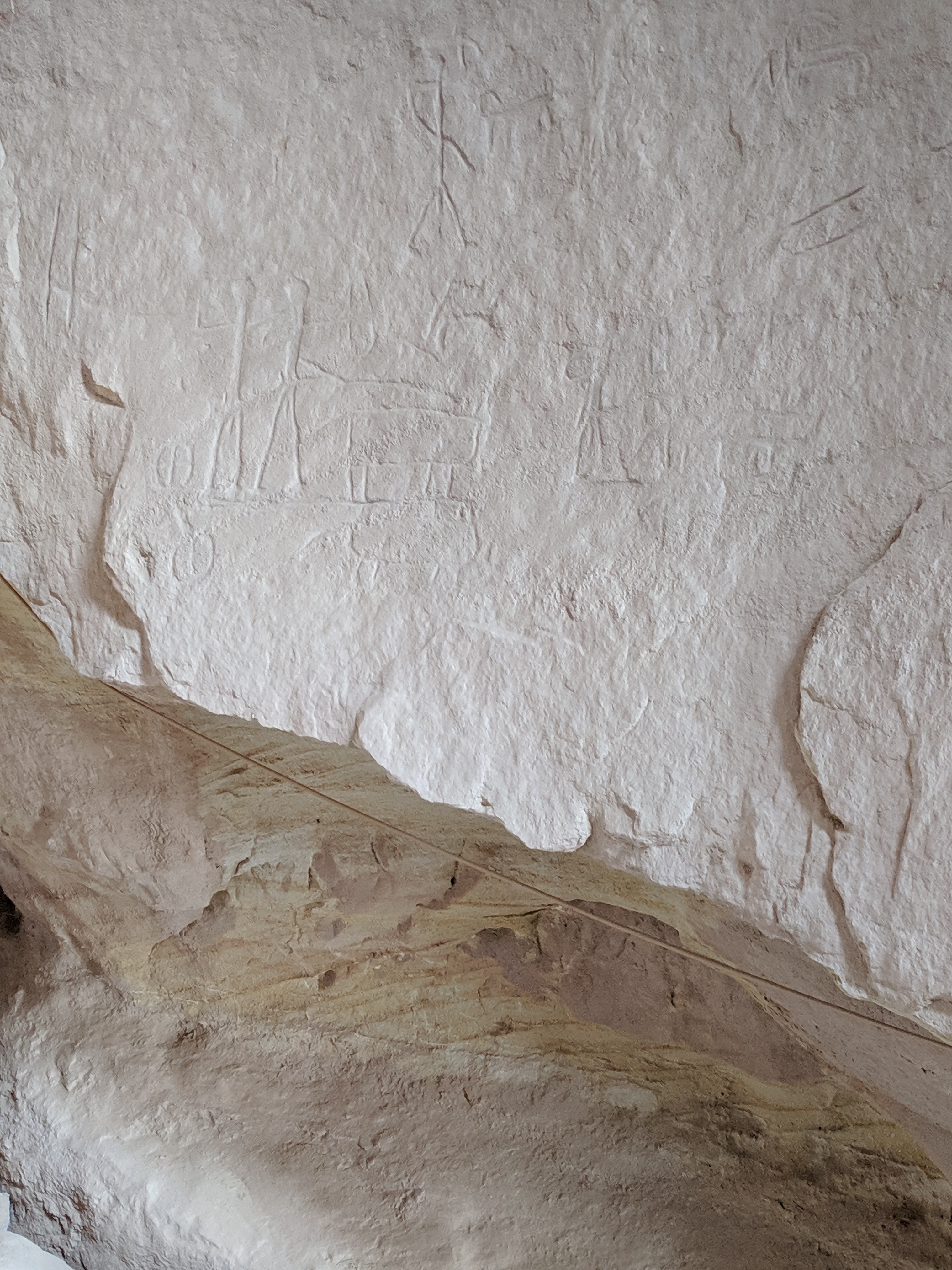
Copper mining and unique sandstone formations
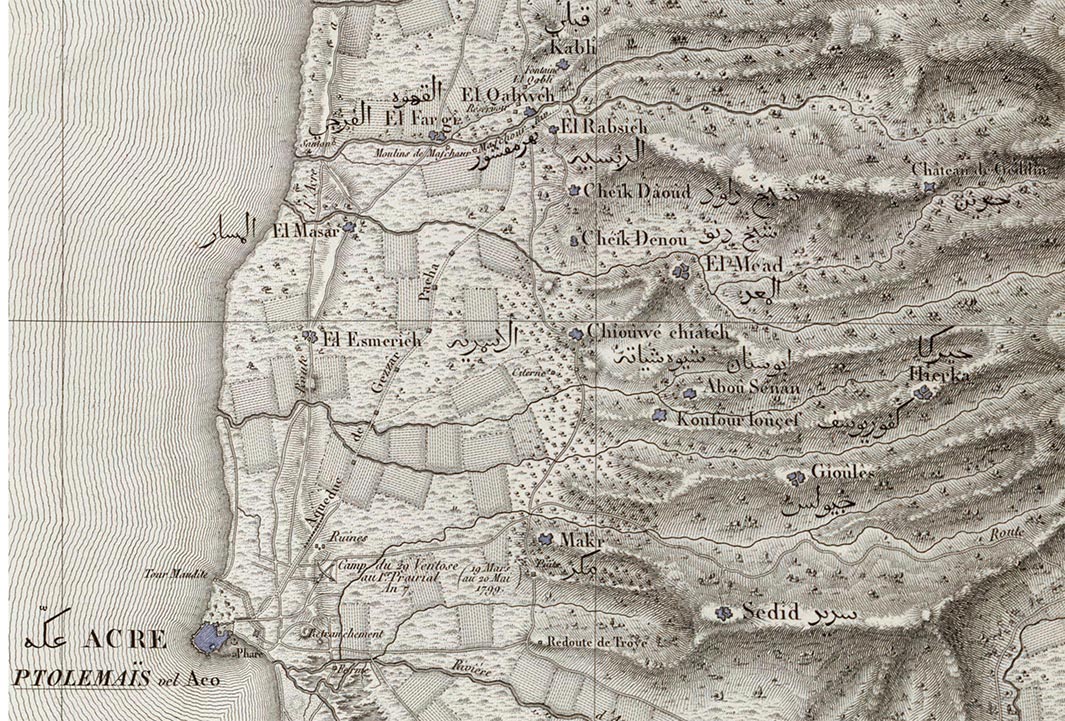
Tel Kabri
Bronze Age Canaanite palace and settlement
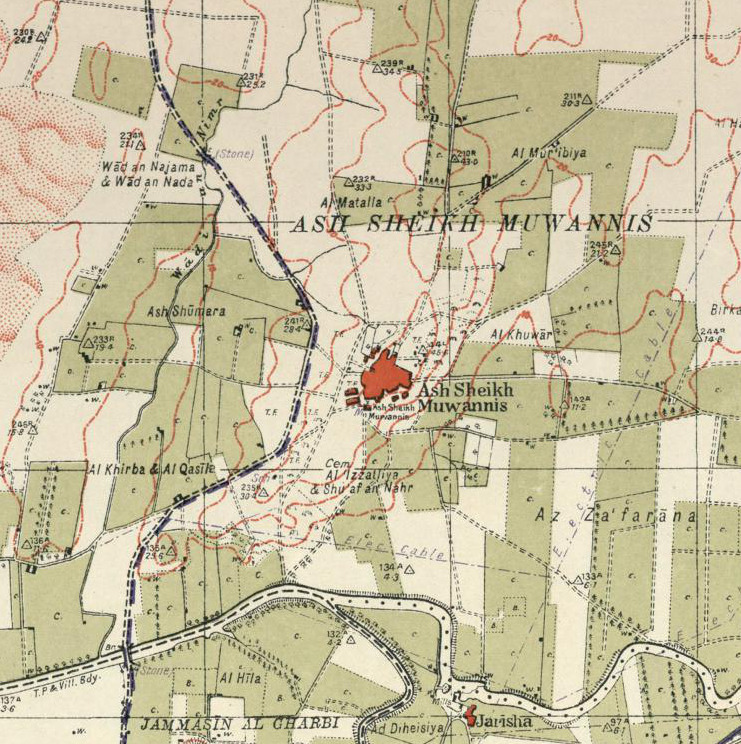
Tell Qasile
Philistine port city with temples and houses
Tel Ro'im
Limestone hill with Roman-Byzantine caves
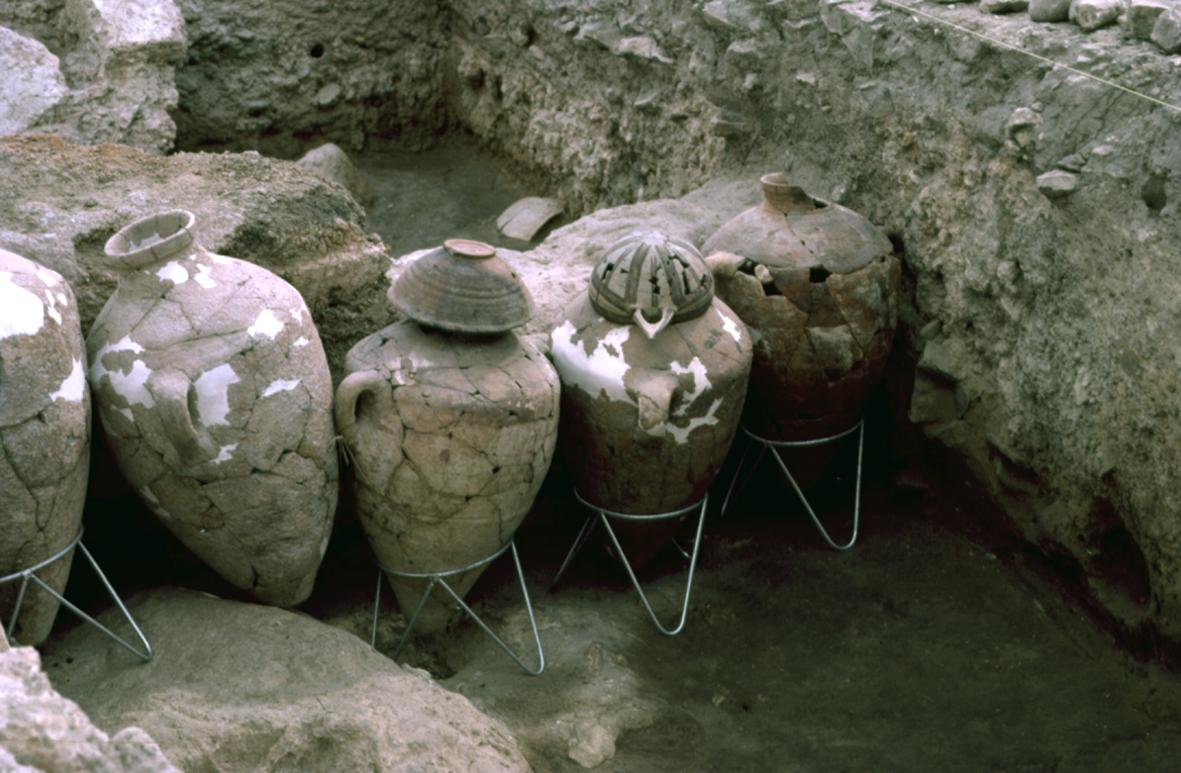
Tell Abu Hawam
Bronze Age port city near Haifa
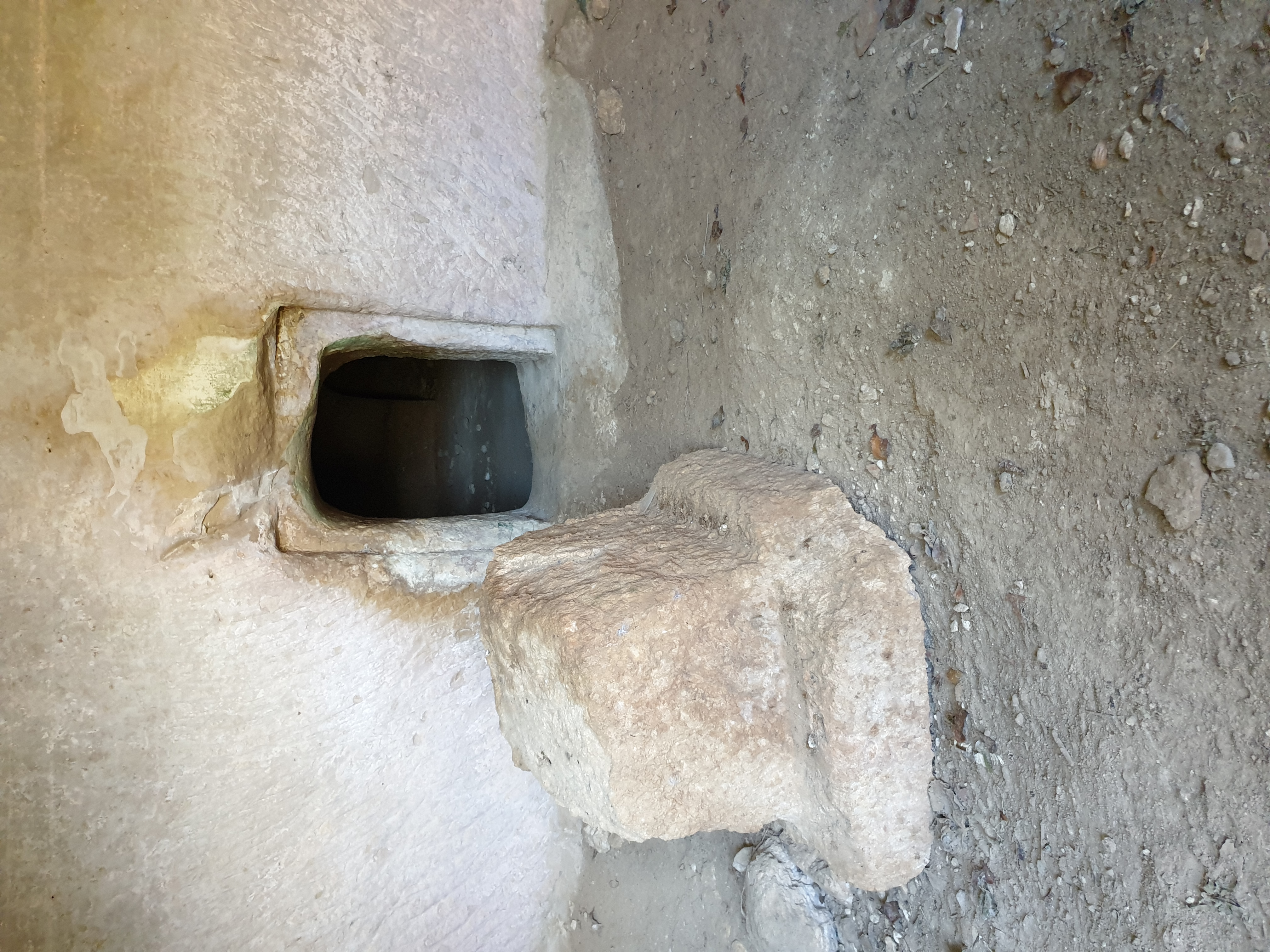
Lavnin
Late Bronze Age site with burial caves