Explore the Map
Tel Masos
31.2131° N, 34.9667° E
About
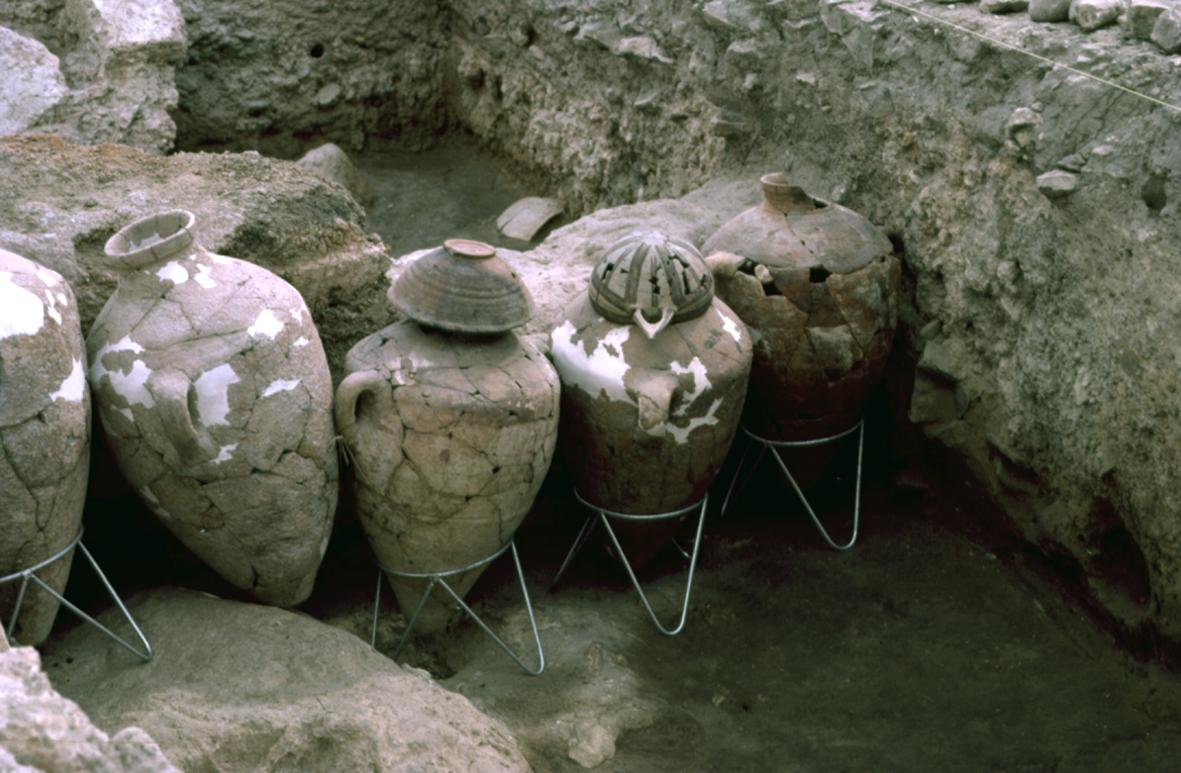
Tel Masos, located in the northern Negev of Israel, is an archaeological site with a rich history of habitation and trade. Established around 3200 BCE during the Chalcolithic period, the site was part of a settlement chain along the Beer Sheva Valley. It played a crucial role in copper mining and trade, linking it to the economic activities in the Timna Valley. The site features residential structures, including four-room houses and caves, and public buildings with Egyptian-Canaanite influences from the 12th century BCE. Later, a Syriac-Nestorian monastery was established, complete with a church and inscribed sarcophagi, highlighting its religious significance. The site's archaeological remains demonstrate its importance in regional trade networks and cultural exchanges over millennia.
Historical Timeline
Journey through time and discover key events in this site's history
Settlement established
3200 BCE
Late Bronze Age activity
1600 BCE
Settlement resumed
1200 BCE
Egyptian-Canaanite building
12th century BCE
Syriac-Nestorian monastery established
7th-8th century CE
Archaeological Features
Unique architectural and cultural elements found at this historical site
Burial and Funerary Structures
Industrial and Craft Structures
Religious and Ritual Structures
Artistic and Decorative Features
Domestic and Habitation Structures
Frequently Asked Questions
Plan Your Visit
Tours, travel arrangements, and practical information


More Sites in Israel
Tel Kabri
Bronze Age Canaanite palace and settlement
Tell Qasile
Philistine port city with temples and houses
Timna Valley
Copper mining and unique sandstone formations
Gath-hepher
Ancient town with prophet's tomb nearby.
Ein Avdat
Desert canyon with springs and ancient habitations.
Tell Abu Hawam
Bronze Age port city near Haifa