Explore the Map
Lod Mosaic
31.9560° N, 34.9038° E
About
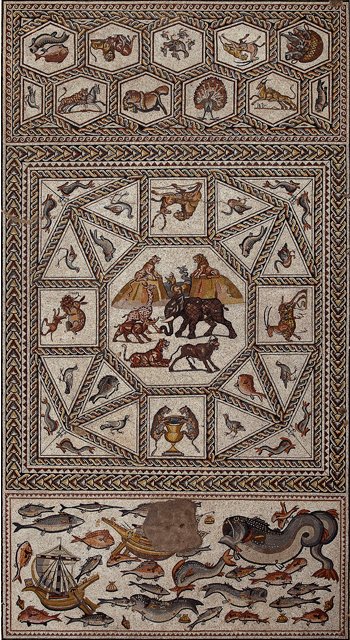
The Lod Mosaic is a remarkable archaeological find in the town of Lod, Israel, dating to the late classical period around the 3rd century CE. This extensive mosaic floor, covering 180 square meters, is one of the largest and best-preserved examples in Israel. It vividly depicts a variety of animals, fish, and Roman ships, showcasing the artistic and cultural influences of the Roman Empire. Notably, the absence of human figures suggests potential adherence to Jewish prohibitions against graven images. The mosaic's exceptional preservation, despite some Ottoman-era damage, allows for detailed study of Roman maritime history. The mosaic's discovery and eventual conservation highlight the importance of preserving cultural heritage and its potential to enrich local communities economically and culturally.
Gallery
Explore photographs of ancient structures, artifacts, and archaeological excavations
Historical Timeline
Journey through time and discover key events in this site's history
Mosaic creation
ca. 300 CE
Archaeological Features
Unique architectural and cultural elements found at this historical site
Artistic and Decorative Features
Frequently Asked Questions
Plan Your Visit
Tours, travel arrangements, and practical information


More Sites in Israel
Timna Valley
Copper mining and unique sandstone formations
Antonia Fortress
Herodian citadel adjacent to Second Temple
Tel Kabri
Bronze Age Canaanite palace and settlement
Tel Ro'im
Limestone hill with Roman-Byzantine caves
Lavnin
Late Bronze Age site with burial caves
Tell Qasile
Philistine port city with temples and houses