
Explore the Map
Manot Cave
33.0350° N, 35.1933° E
About
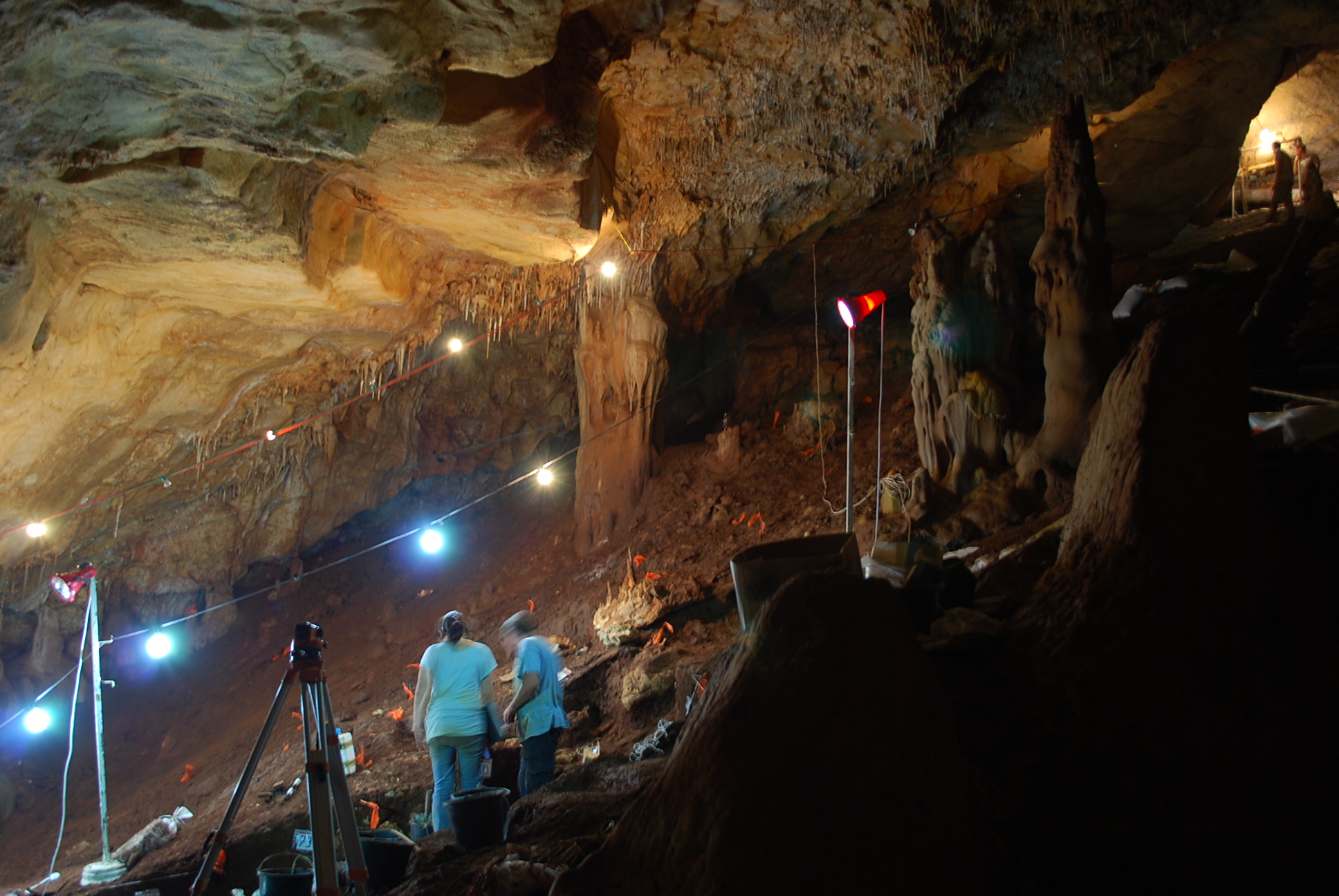
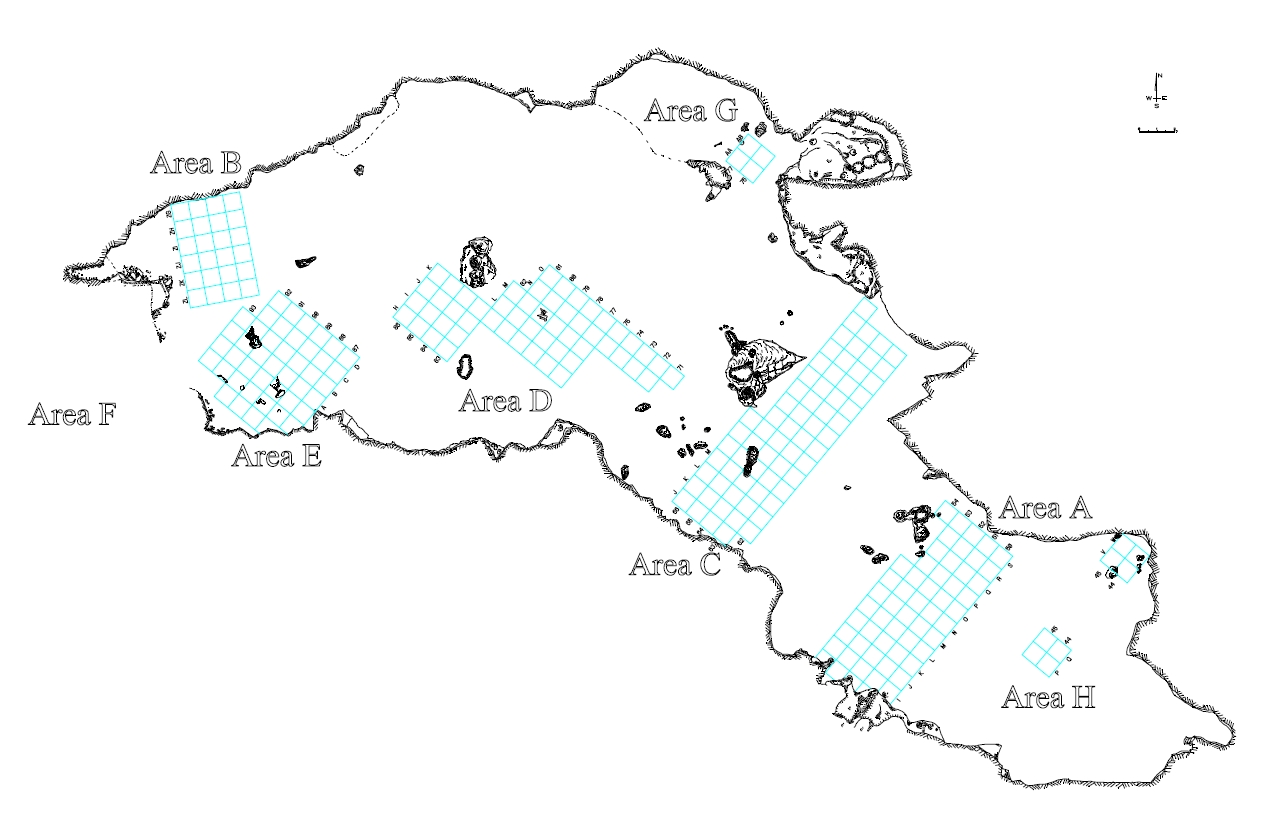
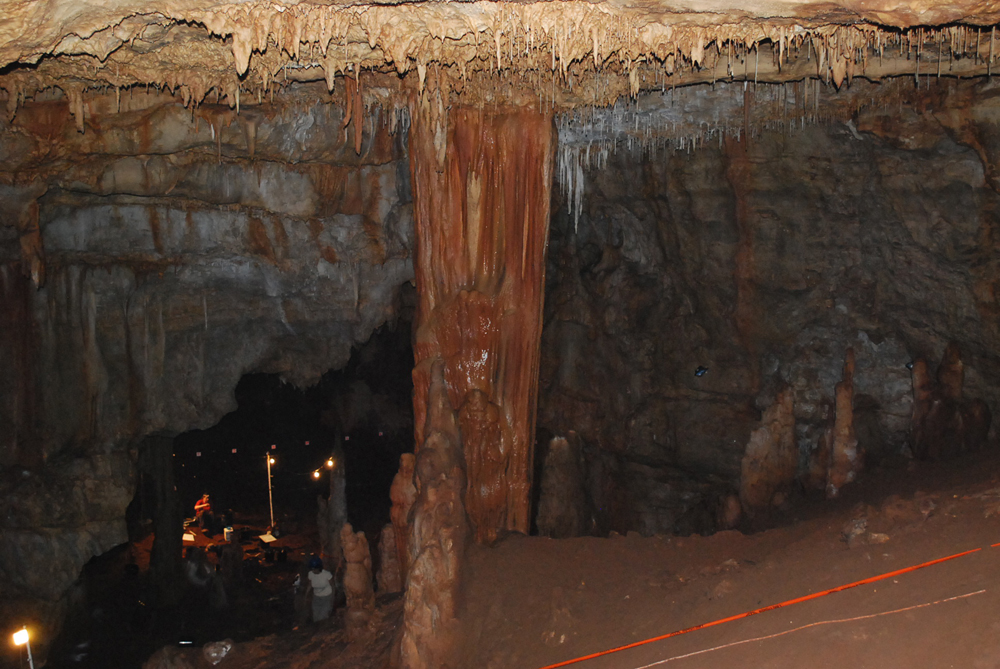
Manot Cave, located in Western Galilee, Israel, is a significant archaeological site discovered in 2008. The cave is notable for the discovery of the Manot 1 skull, a partial skullcap of a modern human estimated to be 54,700 years old, making it the oldest known human remains outside Africa. This discovery provides evidence that modern humans coexisted with Neanderthals in the region, supporting theories of interbreeding between the two species. The cave also holds an impressive array of Upper Paleolithic artifacts, including stone tools associated with the Early Ahmarian and Levantine Aurignacian cultures. Geological features such as active stalagmites indicate the cave was sealed for at least 15,000 years. The site significantly contributes to our understanding of human evolution and migration patterns.
Gallery
Explore photographs of ancient structures, artifacts, and archaeological excavations
Historical Timeline
Journey through time and discover key events in this site's history
Manot 1 skull
54,700 BCE
Post-Levantine Aurignacian phase
34,000-33,000 BCE
Levantine Aurignacian phase
38,000-34,000 BCE
Early Ahmarian phase
46,000-42,000 BCE
Archaeological Features
Unique architectural and cultural elements found at this historical site
Domestic and Habitation Structures
Environmental and Natural Features
Frequently Asked Questions
Plan Your Visit
Tours, travel arrangements, and practical information
More Sites in Israel
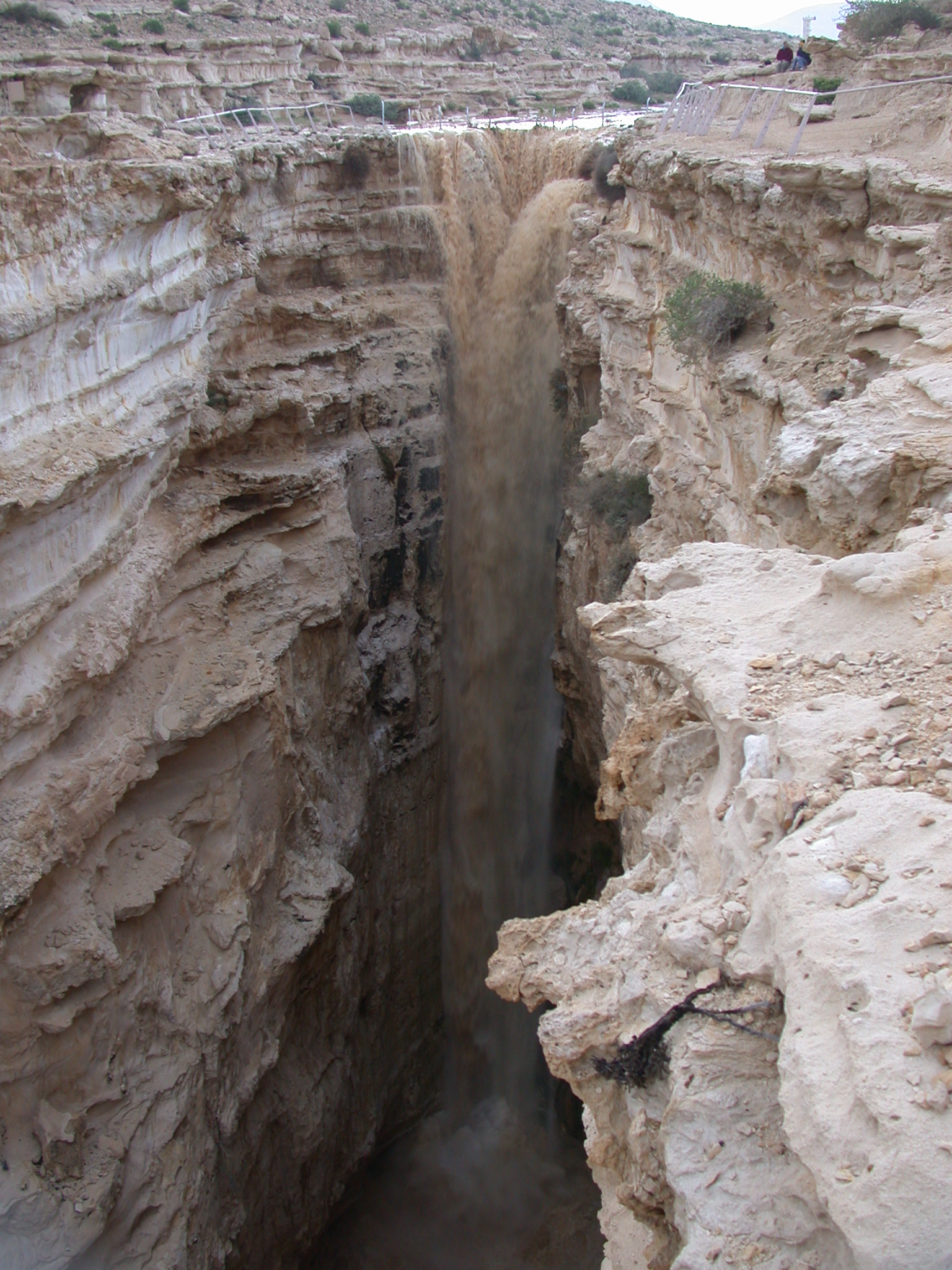
Ein Avdat
Desert canyon with springs and ancient habitations.
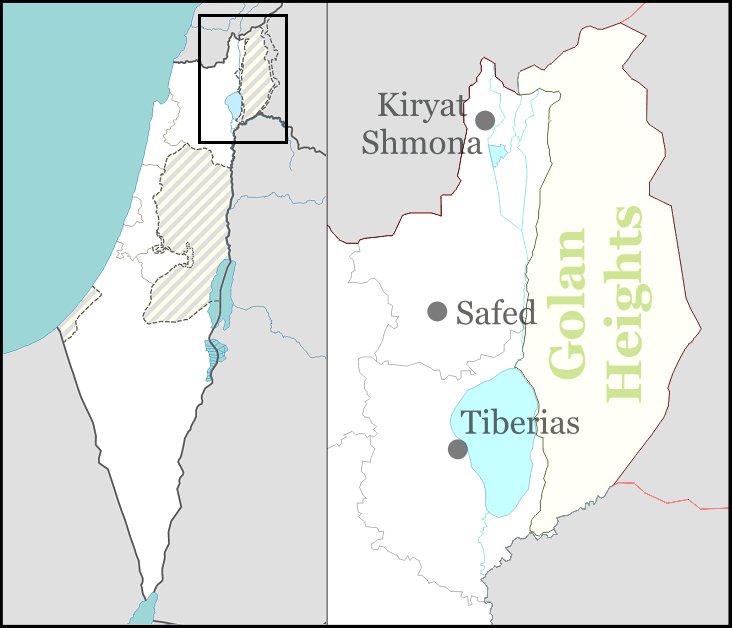
Ubeidiya prehistoric site
Early Pleistocene hominin site with tools
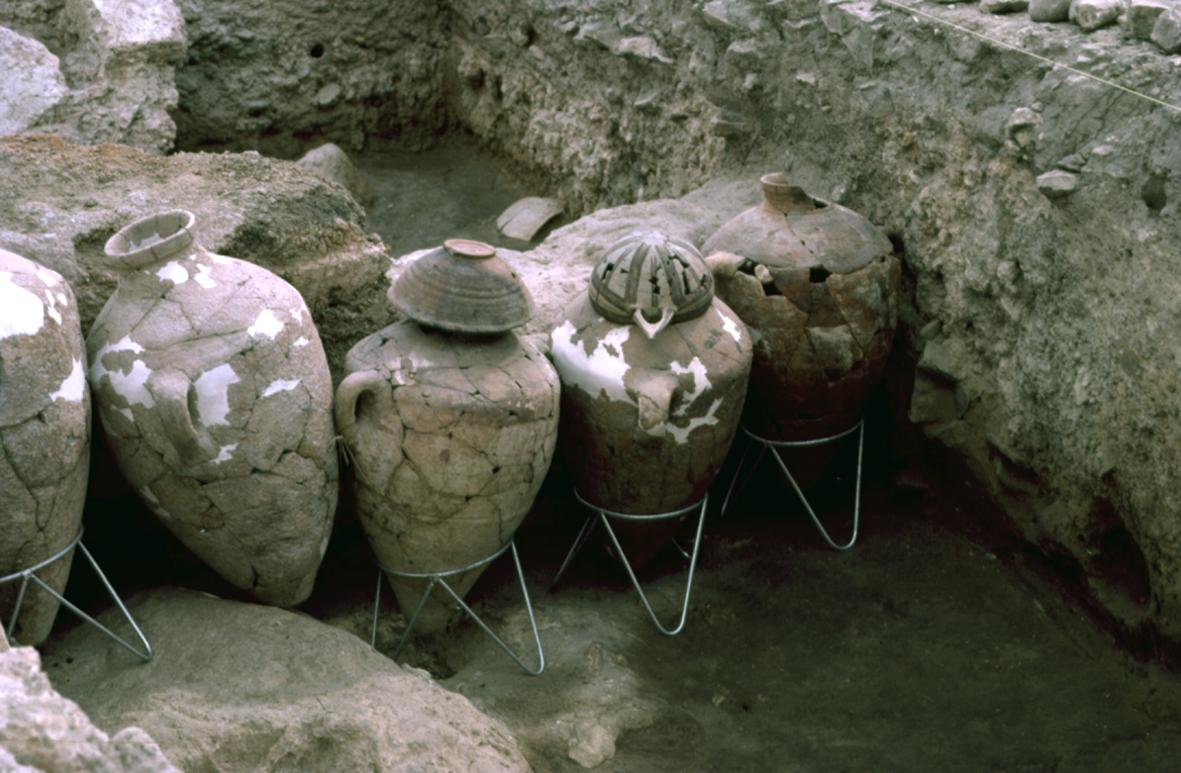
Tell Abu Hawam
Bronze Age port city near Haifa
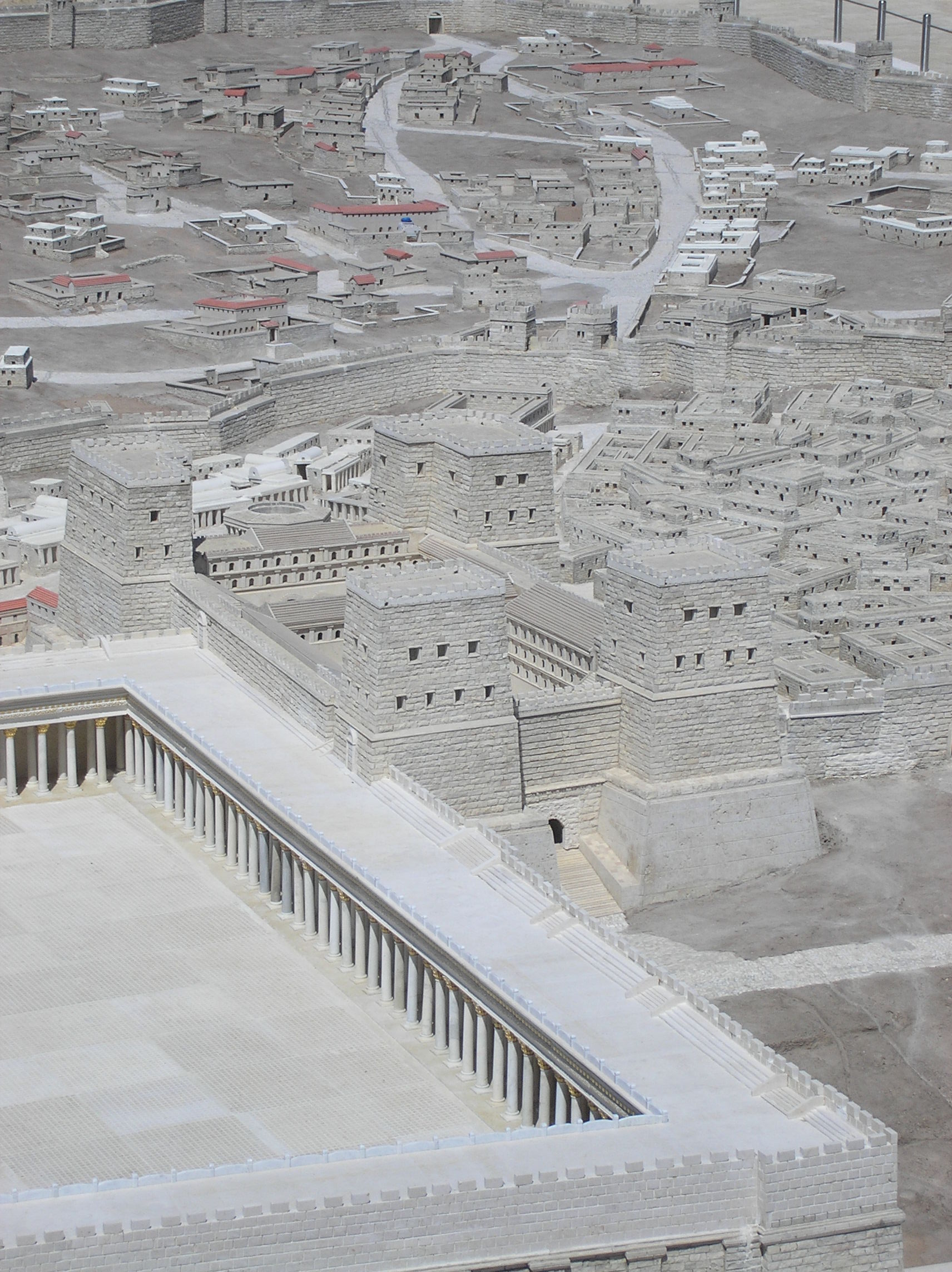
Antonia Fortress
Herodian citadel adjacent to Second Temple
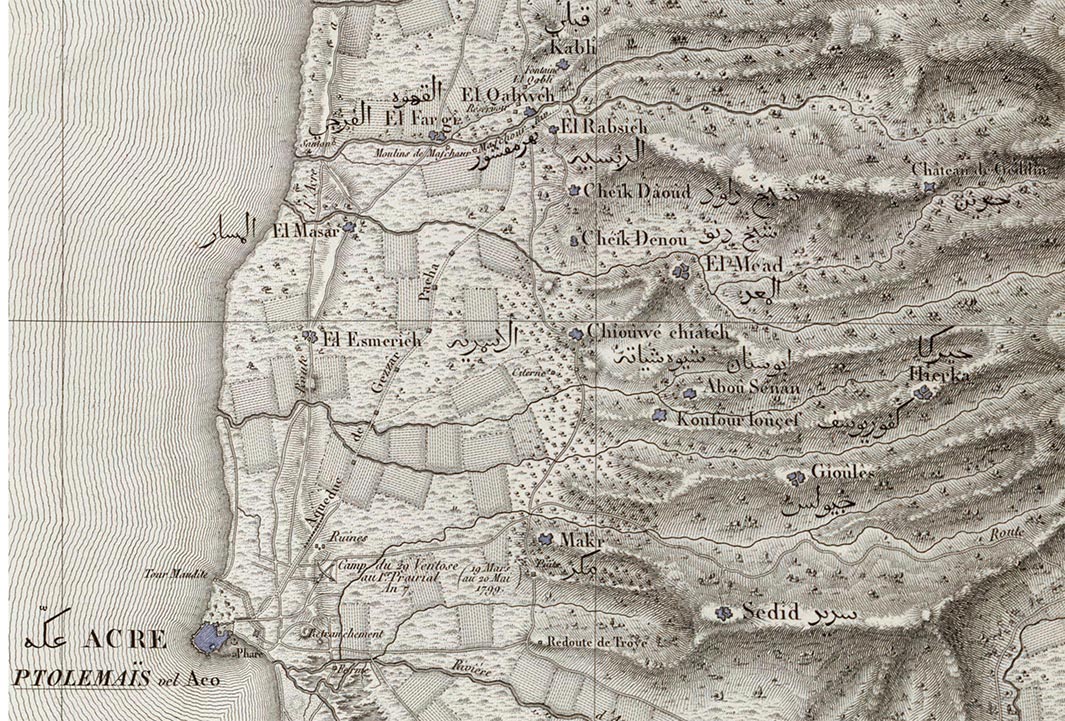
Tel Kabri
Bronze Age Canaanite palace and settlement
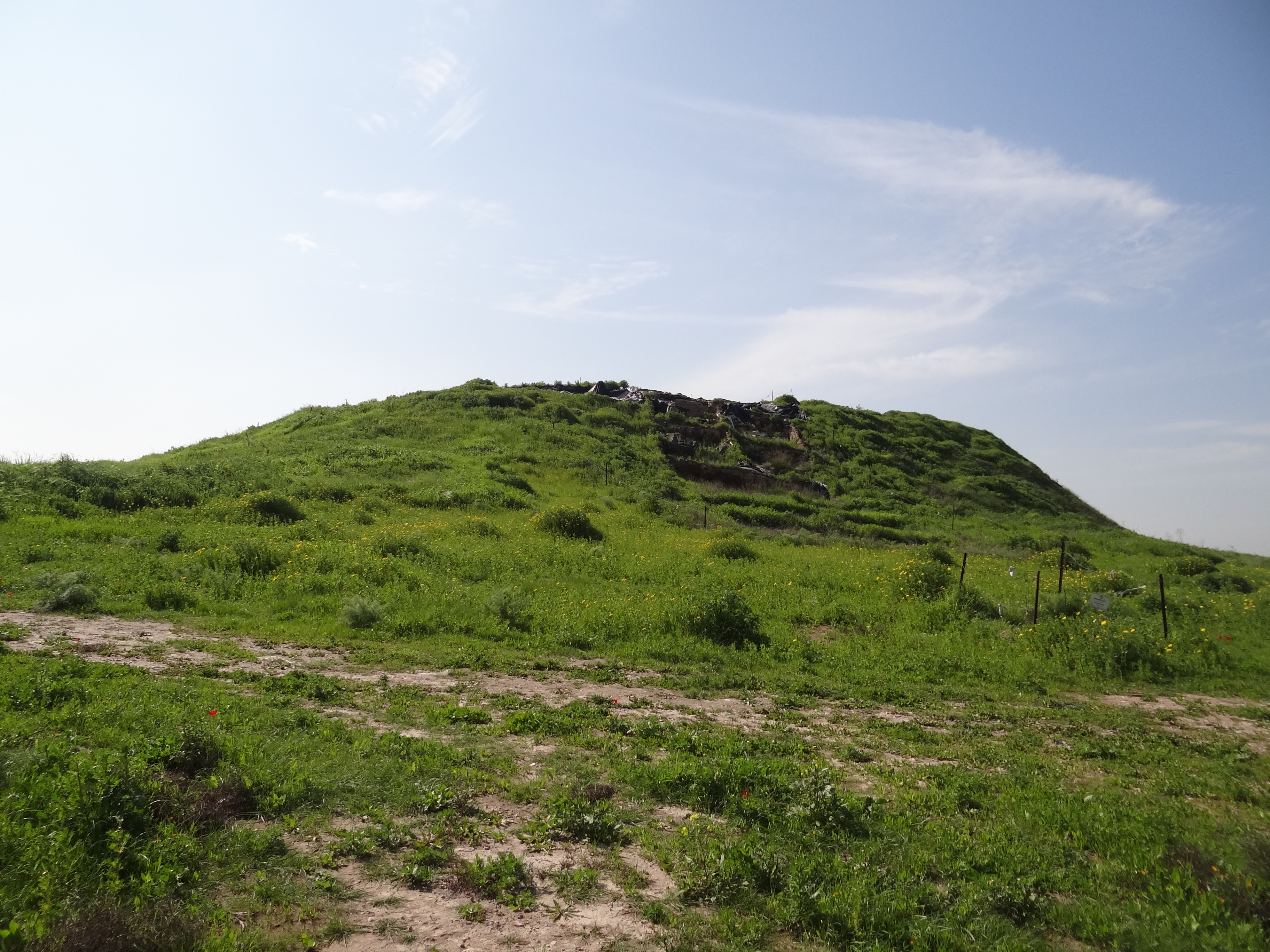
Tel Zayit
Ancient city with alphabetic inscription evidence.