Explore the Map
Ein Avdat
30.8264° N, 34.7667° E
About
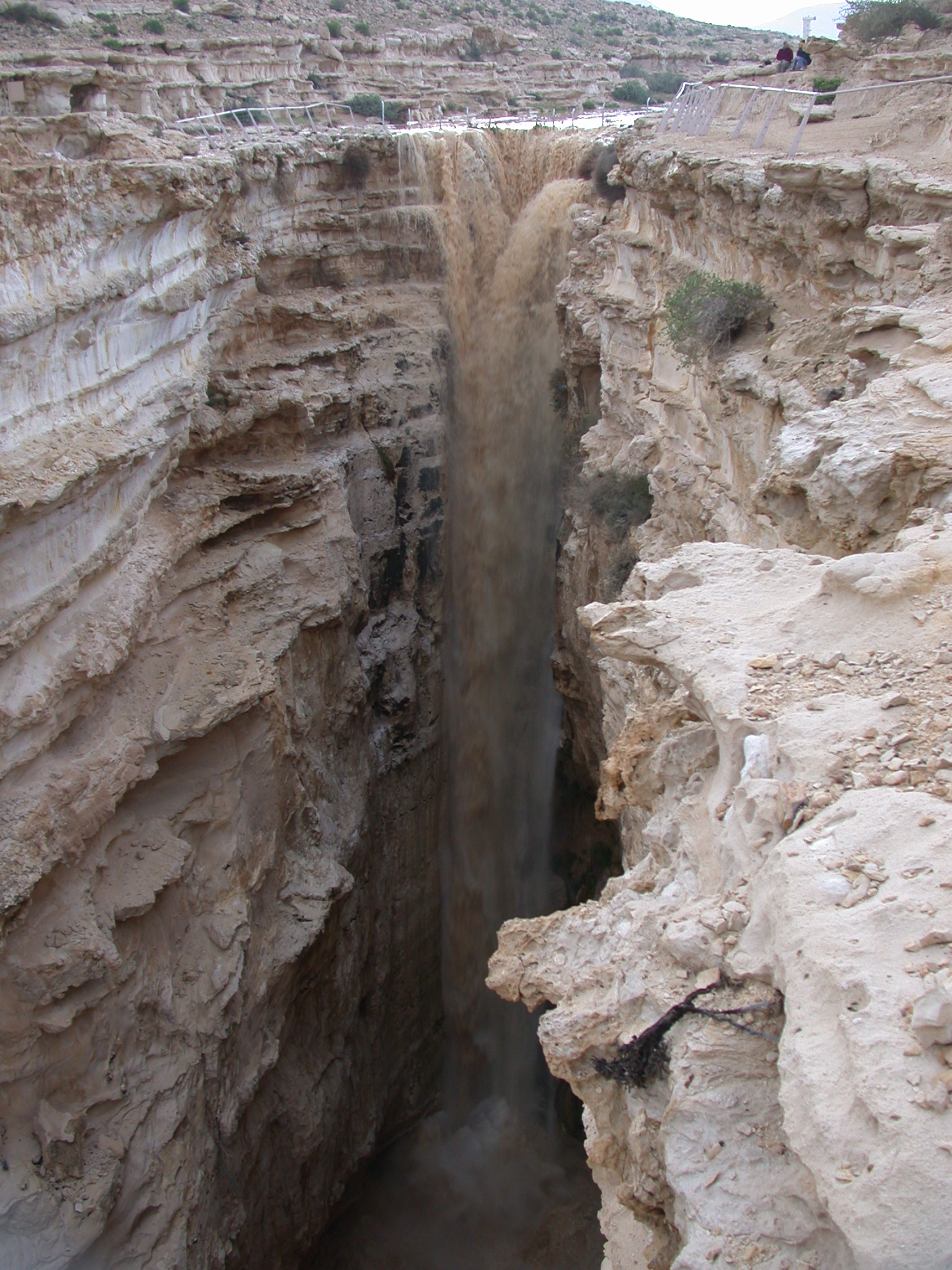
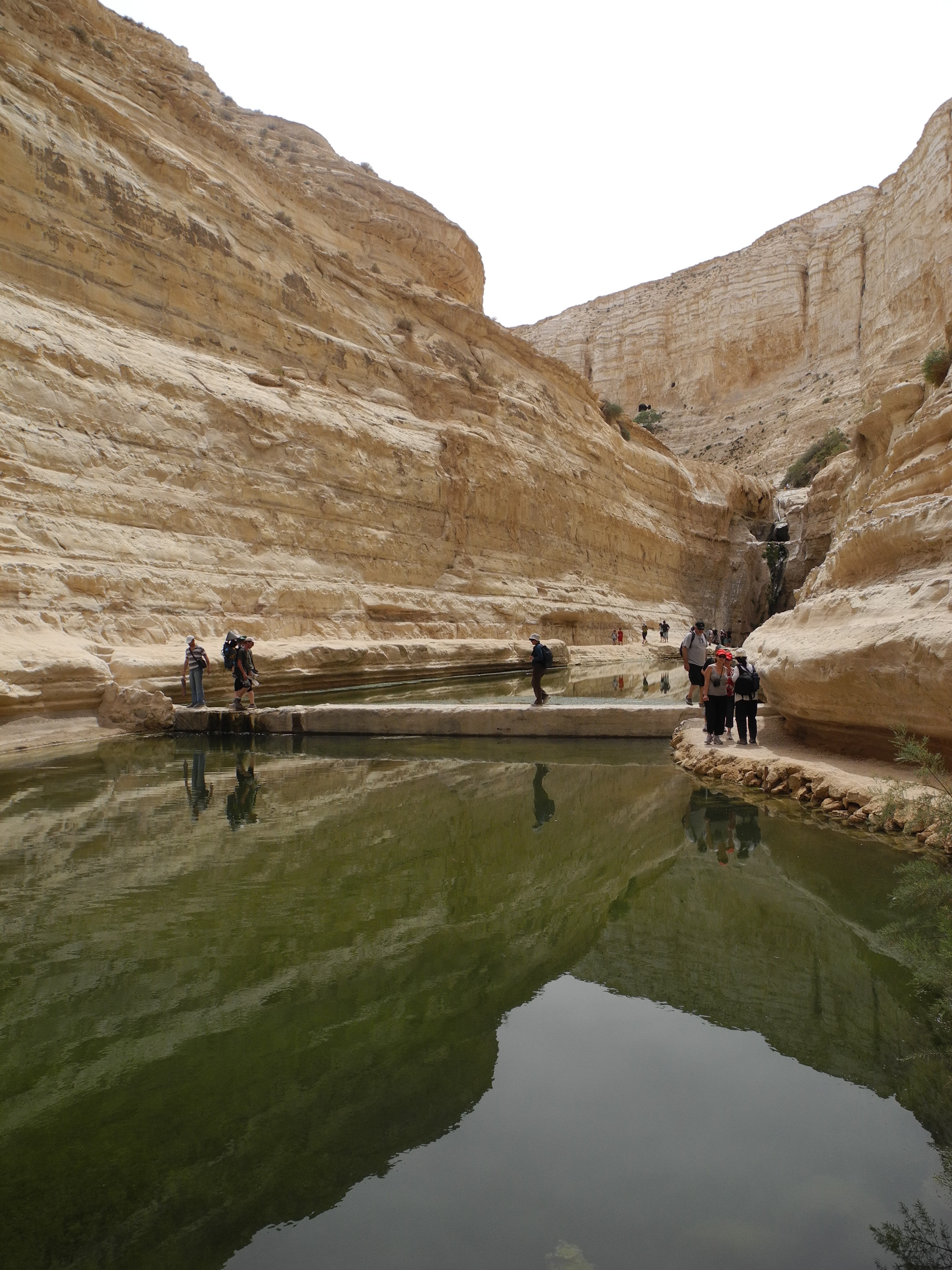
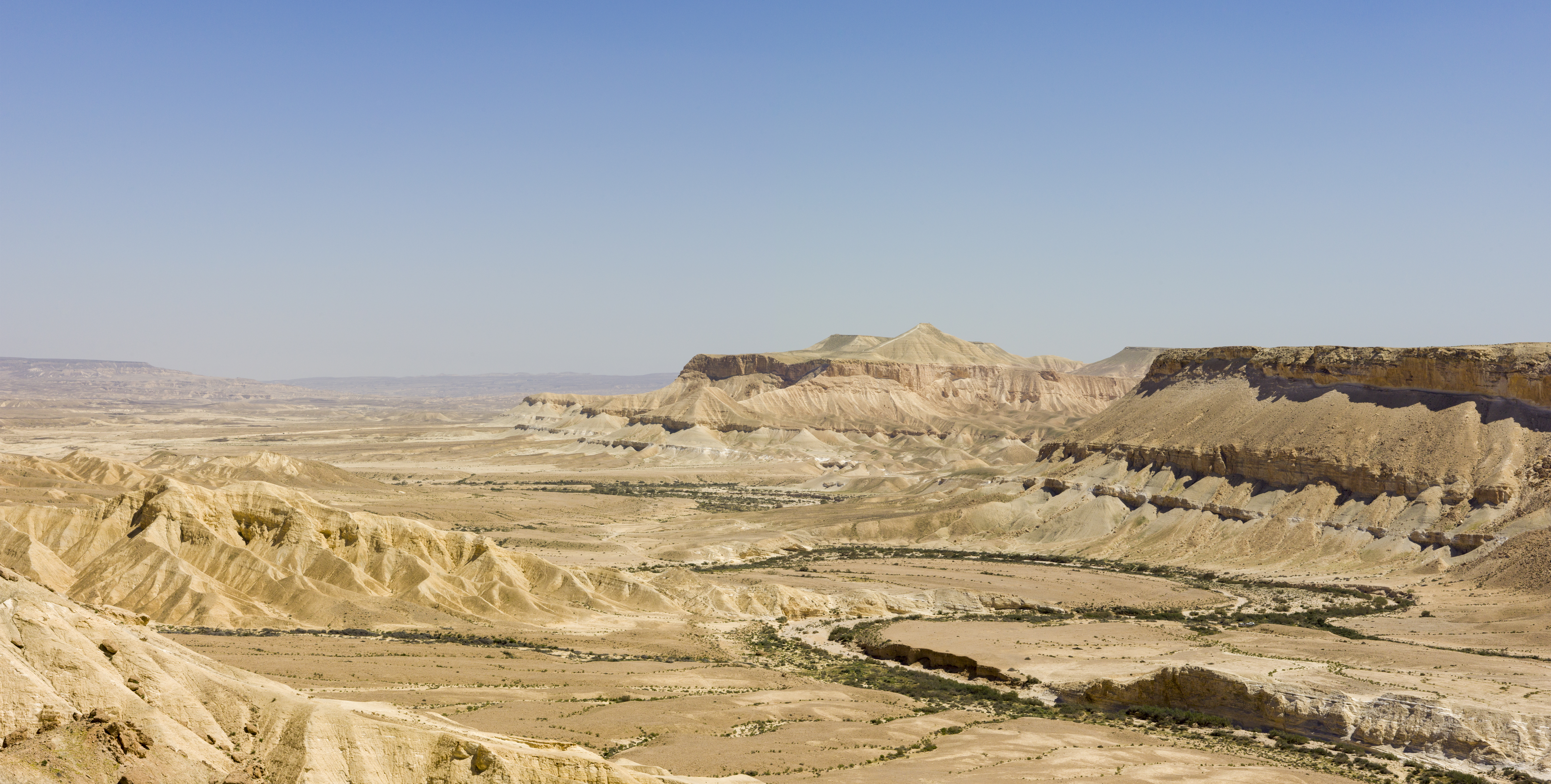
Ein Avdat, located in the Negev Desert of Israel, is an archaeological site characterized by its dramatic canyon landscape and historical significance. It features springs that create a lush environment within the arid surroundings. Archaeological evidence indicates that the site was inhabited during the Middle and Upper Paleolithic periods, with flint artifacts pointing to its prehistoric significance. In the Bronze Age, it hosted a small settlement. During the Hellenistic and Roman periods, it served as a vital station along the Nabatean Incense Route, facilitating trade across the region. By the Byzantine era, the site was a spiritual refuge for monks who inhabited the caves and constructed water systems. Today, Ein Avdat is recognized for its historical layers and ecological diversity.
Gallery
Explore photographs of ancient structures, artifacts, and archaeological excavations
Historical Timeline
Journey through time and discover key events in this site's history
Nabatean Incense Route station
1st century BCE
Bronze Age settlement
2,100 BCE - 1,600 BCE
Mousterian culture habitation
80,000 - 90,000 years ago
Byzantine monks habitation
4th century CE
Archaeological Features
Unique architectural and cultural elements found at this historical site
Defensive Structures
Water Management Features
Religious and Ritual Structures
Agricultural and Land Use Features
Domestic and Habitation Structures
Transportation and Communication Structures
Frequently Asked Questions
Plan Your Visit
Tours, travel arrangements, and practical information
More Sites in Israel
Tell Qasile
Philistine port city with temples and houses
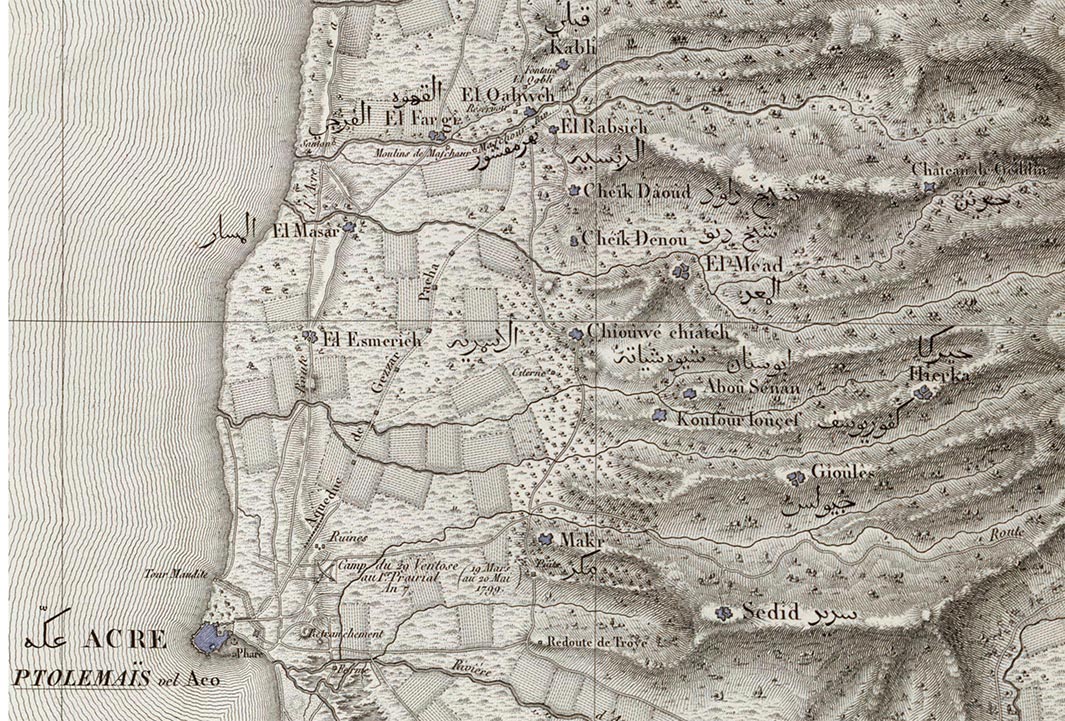
Tel Kabri
Bronze Age Canaanite palace and settlement

Tel Tanninim
Ancient tell near Mediterranean with Byzantine remains
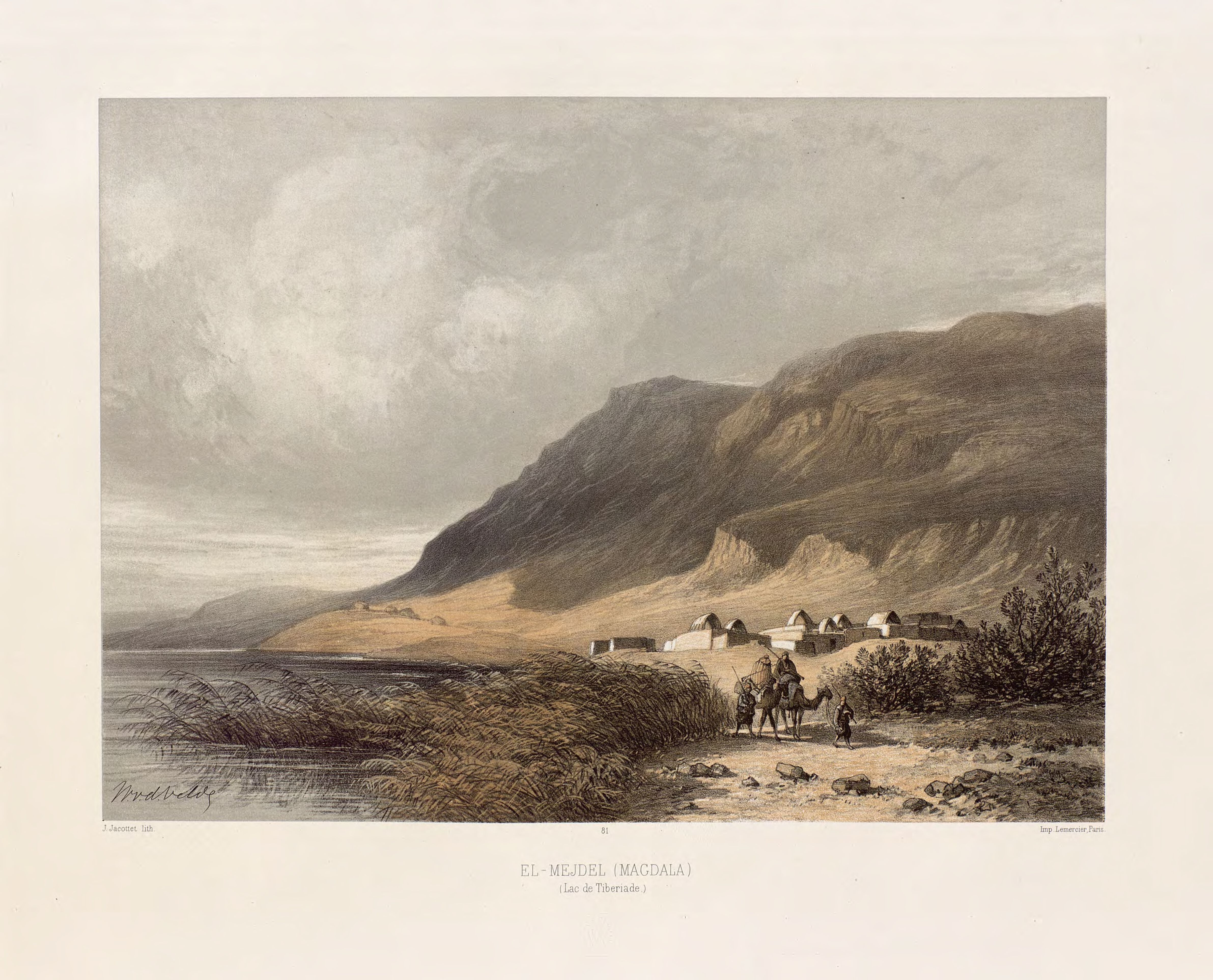
Magdala
Ancient Jewish city with Roman synagogues
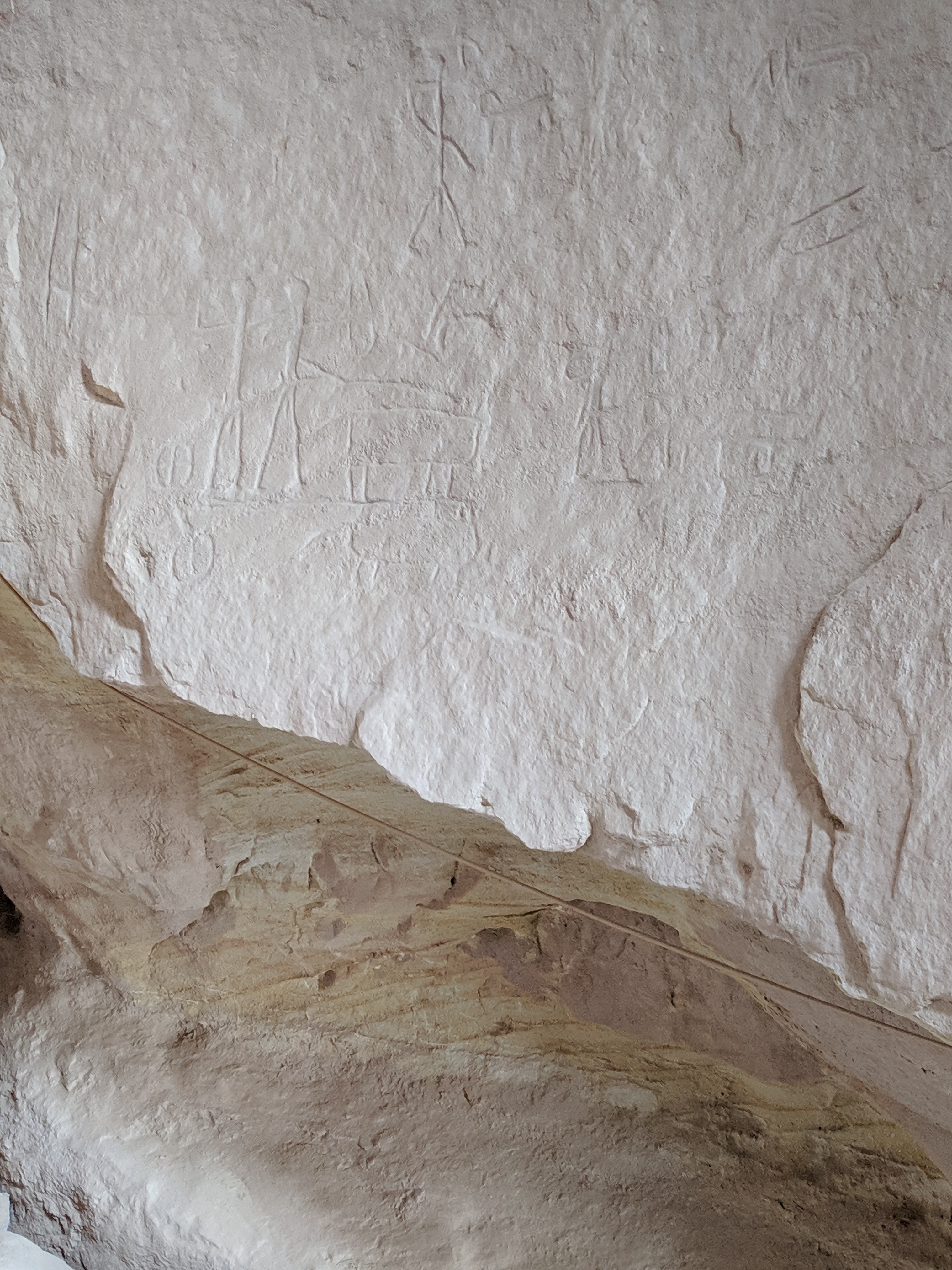
Timna Valley
Copper mining and unique sandstone formations
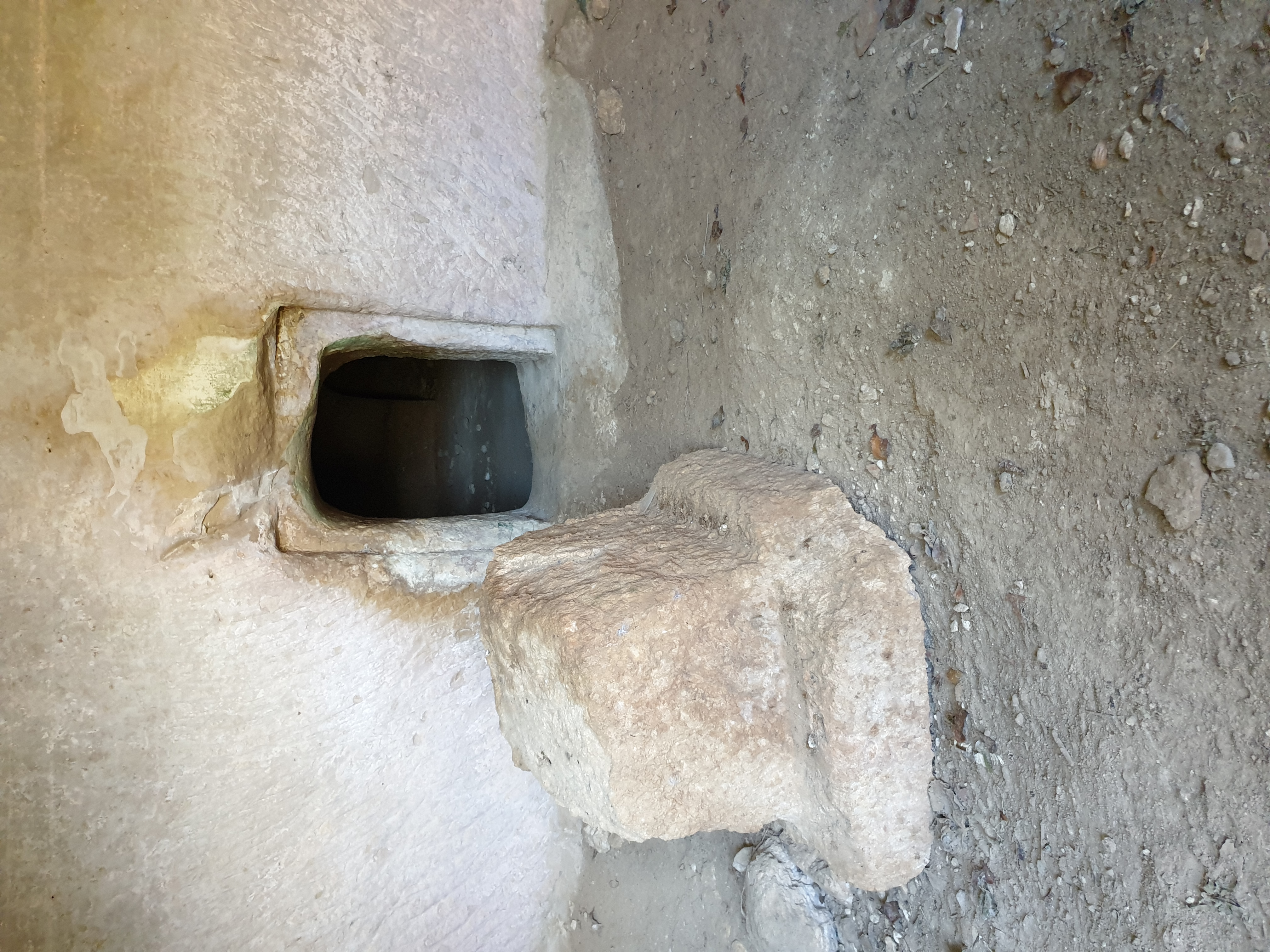
Lavnin
Late Bronze Age site with burial caves